Nota: Los minoristas y el crédito de marca compartida

Piensa en la simbiosis.

Los préstamos y el valor de marca van de la mano. Los proveedores del programa "Compre ahora, pague después" (BNPL) y los minoristas a los que atienden son clave para las operaciones de cada uno; se benefician mutuamente, trabajan en tándem. Affirm, Klarna y muchos otros son productos clave para muchos minoristas. Sin estos servicios, el volumen bruto de comercialización (VBM) habría sido considerablemente inferior para muchos en los últimos años. Los prestamistas de bienes de consumo envasados (BPC) como Ampla prestaban servicios a las marcas concediéndoles préstamos, lo que les permitía adquirir existencias o pagar servicios de marketing que les ayudaban a aumentar sus ingresos brutos. A medida que su cartera de clientes crecía, también lo hacía su valoración, al menos durante un tiempo.

Y luego están empresas como Tandym, una compañía de servicios financieros que trabaja con comerciantes para crear sus propias tarjetas de crédito digitales y programas de recompensas. Tandym cobra una comisión de tramitación de sólo el 0,5%, un ahorro sustancial comparado con las comisiones típicas del 1,5% al 3% que imponen los principales proveedores de tarjetas de crédito. Tandym proporciona el capital necesario para ampliar el crédito directamente a los clientes de un minorista, ofreciendo a las empresas una forma sencilla y rentable de hacer crecer y captar a sus bases de clientes. No es necesario que un minorista valga billones o incluso miles de millones para acceder a estas tecnologías. A casi cualquier nivel, los préstamos crediticios y las marcas minoristas pueden lograr una simbiosis.

****

Cuando se trata de simbiosis crédito/marca, Apple ha vuelto a marcar la pauta a nivel empresarial. Este es el cuarto año consecutivo que la tarjeta de Apple, en colaboración con Goldman Sachs, consigue el primer puesto, lo que demuestra su diseño centrado en el usuario, sus recompensas por fidelidad y su compromiso con la salud financiera. Con funciones innovadoras como las recompensas diarias en efectivo y la integración con Apple Wallet, se ha convertido en una de las favoritas de los consumidores.

Mientras Apple sigue dominando el mercado estadounidense con su tarjeta mejor valorada, Amazon da un paso importante en la economía de la fidelización con el lanzamiento de una nueva tarjeta de crédito de marca compartida en asociación con Barclays. La tarjeta Amazon Barclaycard tratará de fidelizar a los consumidores ofreciéndoles recompensas por sus compras diarias, que podrán canjear por tarjetas regalo de Amazon. Sin cuota anual y con ventajas adicionales para los miembros de Amazon Prime, esta nueva tarjeta está diseñada para fortalecer el ecosistema de Amazon, al tiempo que proporciona a los clientes valiosos beneficios adaptados a sus hábitos de compra.

En conjunto, estos avances subrayan la creciente importancia de las tarjetas de crédito de marca para fomentar la fidelidad de los clientes y aportar valor en el competitivo panorama financiero actual.

El panorama del crédito al consumo está cambiando rápidamente, y las tarjetas de crédito de marca destacan como la opción más atractiva en una economía cada vez más tensa. Impulsadas por el aumento de los tipos de interés, la disminución de la lealtad a la marca y el aumento de la deuda renovable, las tarjetas de crédito de marca se están convirtiendo en una herramienta a la que recurren las marcas para reforzar su valor.

El cambio hacia las tarjetas de crédito orientadas al valor

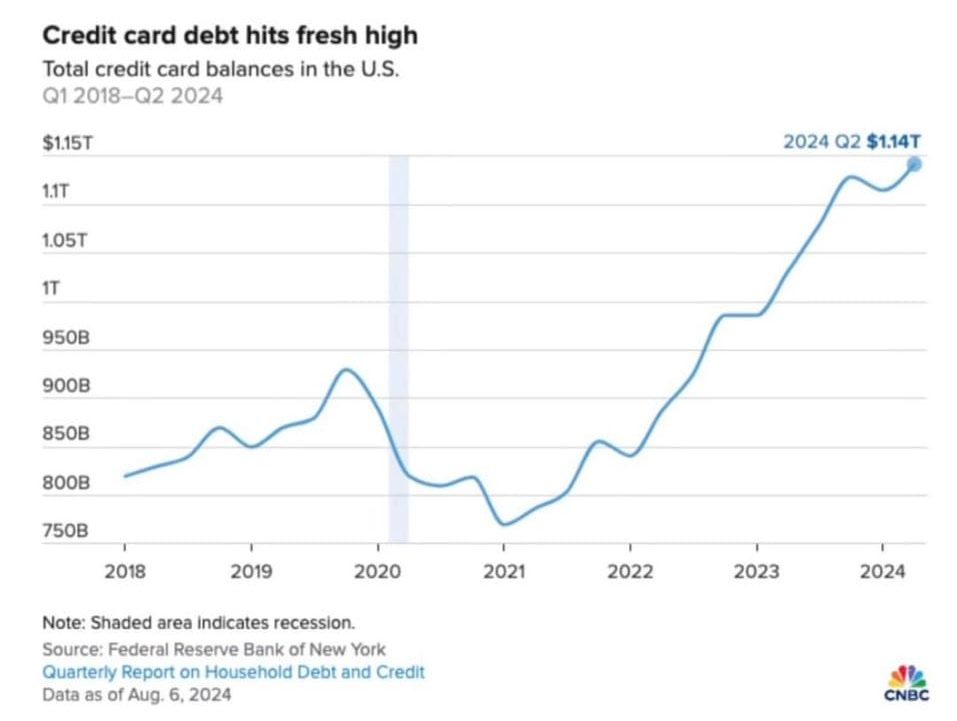
El reciente Estudio J.D. Power 2024 sobre Satisfacción con las Tarjetas de Crédito en EE.UU. comunica un cambio en las preferencias de los consumidores y revelaciones dignas de mención aquí. El estudio revela que más de la mitad de los clientes de tarjetas de crédito de EE.UU. no gozan de buena salud financiera, y que el 51% tiene deudas renovables mientras suben los tipos de interés. Este se ve favorecida por el aumento de las transaccionesuy Now Pay Laterque Apple decidió poner fin en junio de 2024. Pero, cuando se yuxtaponen a los datos compartidos a continuación, se ilustra lo importante que es el uso de tarjetas de crédito para la industria minorista: El 44% de las transacciones se realizan a través de tarjetas de crédito, otro 40% a través de sistemas "Brand Pay" y tecnologías BNPL: Google Pay, Apple Pay, Paypal, Klarna, Affirm, etc.

Dadas las crecientes tensiones provocadas por las dificultades económicas, el atractivo de las tarjetas tradicionales de puntos y millas aéreas está disminuyendo, y muchos consumidores optan por las tarjetas de reembolso en efectivo, que ofrecen beneficios más tangibles. Así, las tarjetas de devolución de efectivo dominan ahora el mercado, utilizadas por el 58% de los titulares, frente al 31% que sigue decantándose por las tarjetas de puntos y millas.

El 60% de los titulares de tarjetas de marca compartida utilizan principalmente tarjetas afiliadas a grandes minoristas como Amazon, Costco o Target. Esto demuestra el gran atractivo de las tarjetas que ofrecen recompensas en las compras cotidianas.(La Marca Financiera)

Esta tendencia considerarse como una respuesta directa a las crecientes presiones. Las tarjetas de reembolso, que suelen tener cuotas anuales bajas o nulas, ofrecen a los consumidores una forma más accesible de obtener valor de sus gastos sin la complejidad y el compromiso a largo plazo asociados a los programas de puntos y millas. A medida que disminuye la salud financiera, también lo hace el atractivo de las tarjetas de crédito que prometen recompensas en un futuro lejano. Los consumidores buscan beneficios inmediatos, y las tarjetas de reembolso les ofrecen precisamente eso.

Presiones normativas y auge de la BNPL

Al mismo tiempo, las presiones normativas están perturbando los servicios de "Compre ahora, pague después" (BNPL) que de crédito en general. La Oficina de Protección Financiera del Consumidor (CFPB) ha estado La Oficina de Protección Financiera del Consumidor (CFPB, por sus siglas en inglés) ha estado examinando los productos BNPL, proponiendo nuevas normativas que los sometan a normas similares a las de las tarjetas de crédito tradicionales. Empresas como Affirm han respondido abogando por un marco regulador adaptado específicamente a los BNPL, argumentando que aplicar la normativa de las tarjetas de crédito a estos productos podría crear confusión y cargas de cumplimiento innecesarias.

A medida que los productos BNPL han ido ganando popularidad, han supuesto una amenaza potencial para las tarjetas de crédito tradicionales, sobre todo las que dependen de la deuda renovable a alto interés para ser rentables. Sin embargo, en los últimos meses se ha puesto de relieve la importancia de la innovación y la adaptabilidad en el mercado crediticio. Una de esas innovaciones es el auge de las tarjetas de crédito de marca compartida.

Tarjetas de crédito de marca compartida: una ventaja estratégica

Las tarjetas de crédito de marca compartida se perfilan como una ventaja estratégica para tanto para como para las marcas asociadas. La reciente asociación entre Amazon y Barclays para lanzar una tarjeta de crédito de marca compartida de marca compartida en Reino Unido es un buen ejemplo de la continuación de esta tendencia. La Amazon Barclaycard ofrecerá a los clientes recompensas por sus gastos diarios, que podrán canjearse por tarjetas regalo de Amazon, con ventajas adicionales para los miembros de Amazon Prime. Esta tarjeta refuerza la fidelidad de los clientes a Amazon y proporciona a Barclays un valioso punto de contacto con una amplia base de clientes. He aquí seis ejemplos de tarjetas de crédito de marca compartida:

Tarjeta Apple (Goldman Sachs):

La Tarjeta Apple destaca por su perfecta integración con Apple Wallet y su compromiso con la transparencia. Sin comisiones, ni siquiera por retrasos en los pagos, y con un sencillo programa de cashback que ofrece hasta un 3% Daily Cash en las compras, está pensada para usuarios que valoran la sencillez y la salud financiera.

Tarjeta Amazon Prime Rewards Visa Signature:

Diseñada para los ávidos compradores de Amazon, esta tarjeta ofrece importantes recompensas: un 5% de devolución en compras en Amazon y Whole Foods. Además de Amazon, también ofrece un 2% de devolución en restaurantes, gasolineras y farmacias, lo que la convierte en una herramienta versátil para los gastos diarios. No tiene cuota anual para los miembros Prime, lo que aumenta su atractivo.

Chase Sapphire Reserve:

Conocida por sus ventajas para viajar, la Chase Sapphire Reserve es una tarjeta premium que proporciona 3 veces más puntos en viajes y restaurantes de todo el mundo. Los titulares disfrutan de un crédito anual para viajes de 300 $, acceso a más de 1.000 salas VIP de aeropuertos a través de Priority Pass y un valioso seguro de viaje, lo que la convierte en la mejor opción para quienes se desplazan con frecuencia.

Tarjeta Hilton Honors American Express Aspire:

Esta tarjeta es una fuente de energía para los entusiastas de Hilton, ya que ofrece 14 veces más puntos en estancias en establecimientos Hilton. Los titulares de la tarjeta reciben automáticamente la categoría Hilton Diamond, que incluye ascensos de categoría de habitación y salidas tardías, además de una noche de fin de semana gratis cada año. Es el compañero ideal para los clientes frecuentes de Hilton.

Tarjeta de crédito Southwest Rapid Rewards Premier:

Esta tarjeta está pensada para quienes vuelan con frecuencia con Southwest Airlines. Recompensa a los usuarios con el doble de puntos en las compras de Southwest y puntos de bonificación por aniversario cada año. Sin comisiones por transacciones en el extranjero y con la posibilidad de conseguir el estatus Companion Pass, es una buena opción para los viajeros nacionales.

Tarjeta Costco Anywhere Visa® de Citi:

Esta tarjeta, a la que recurren los compradores de Costco, ofrece recompensas impresionantes, como el 4% de devolución en efectivo en gasolina, el 3% en restaurantes y viajes, y el 2% en compras en Costco. Sus amplias categorías de recompensas la convierten en una opción versátil para quienes realizan la mayor parte de sus compras en Costco.

Las tarjetas de crédito de marca compartida ofrecen varias ventajas clave. En primer lugar, alinean los intereses del emisor y de las marcas asociadas, creando una relación mutuamente beneficiosa que puede impulsar el compromiso y la retención de clientes. Para marcas como Amazon, las tarjetas de marca compartida mejoran la experiencia de compra al ofrecer recompensas directamente vinculadas a su ecosistema.

El papel de las tarjetas de crédito de marca en la economía de la fidelización

Estas tarjetas desempeñan un papel cada vez más importante en la economía de la fidelización. Ofrecen a los consumidores una forma de obtener recompensas y ventajas acordes con sus hábitos de gasto y sus objetivos financieros. A medida que se deteriora la salud financiera de muchos consumidores, estas tarjetas proporcionan una valiosa herramienta para gestionar los gastos y maximizar el valor del gasto diario.

Best Buy considera que su tarjeta de crédito es el segundo mayor impulsor de la fidelidad de los clientes y la repetición de acciones.(eMarketer)

El éxito de las tarjetas de crédito de marca depende de su capacidad para adaptarse las necesidades y preferencias de los consumidores. Los emisores deben navegar por un panorama complejo, equilibrando la necesidad de rentabilidad con la demanda de recompensas accesibles y valiosas. Esta requiere un profundo conocimiento del comportamiento voluntad de innovar y responder a los retos normativos.

En total, de marca representan un punto brillante en una economía cada vez más presionada por la deuda renovable y la inestabilidad financiera. Al ofrecer recompensas a medida, comisiones más bajas y asociaciones con marcas famosas, estas tarjetas están ayudando a los consumidores a navegar por una difícil situación financiera. panorama financiero financiero, al tiempo que proporcionan a los emisores con una valiosa herramienta para fidelizar a los clientes. Las tarjetas de crédito de marca compartida ofrecen una atractiva oportunidad de crecimiento para las entidades financieras y sus socios minoristas. Si se afrontan los retos existentes y se aprovechan las nuevas tendencias del mercado, estos productos financieros a medida pueden hacerse con una mayor parte del mercado de tarjetas de crédito y ofrecer ventajas claras a una amplia gama de consumidores. El éxito en este ámbito depende de la elaboración de propuestas de valor sólidas, la transmisión clara de estas ventajas a los posibles titulares de tarjetas y la innovación constante para seguir el ritmo de las cambiantes demandas y preferencias de los consumidores.

A medida que el mercado crediticio siga evolucionando, es probable que las tarjetas de crédito de marca adquieran aún más importancia, sirviendo como motor fundamental de la satisfacción del consumidor, la resistencia financiera y el valor de marca.

Investigación, datos y redacción por Web Smith

Memo: Modern Nike Vs. Bandit, Tracksmith, On, and The Rest

Once an emblem of athletic triumph and elite performance, the Nike Swoosh faces an identity crisis in today’s market. One that it’s working hard to address. Its ubiquity, from casual streetwear to high-end luxury collaborations, has diluted its significance. The Swoosh’s widespread presence undermines its association with victory and exclusivity. For instance, the WNBA, a league that embodies grit and determination, might benefit more from a partnership with brands like New Balance, known for their focus on performance and authenticity. As Nike navigates this evolving landscape, it must redefine what the Swoosh stands for in an era of shifting consumer values.

Nike, meaning “Goddess of Victory,” finds herself at a critical time. When writing this, the athletics brand-turned-luxury goods merchandiser is down 32.39% for the years.

The upcoming Olympics present a pivotal opportunity for Nike to revitalize its brand and reclaim its standing as a symbol of athletic excellence. While the global stage could spotlight Nike’s high-performance gear and elite athlete endorsements, it’s uncertain whether this will significantly boost sales amidst rising competition and changing consumer preferences. Smaller brands like Tracksmith and Bandit Running have effectively captured the spirit of modern athleticism and independence. To truly move the needle, Nike must leverage the Olympics’ visibility and innovate and align more closely with the evolving values and aspirations of today’s athletes and consumers.

Despite its historical dominance and being synonymous with athletic excellence, Nike faces diminishing sales while smaller, agile brands above like Tracksmith and Bandit Running rise to prominence. This will explore the confluence of trends, such as the increased interest in running, the explosion of creative athletic endorsement deals, and the rise of niche sports like pickleball, juxtaposing them against Nike’s current challenges.

The Running Boom and Creative Endorsements

The surge in running’s popularity, fueled by a global push towards healthier lifestyles, presents a significant opportunity for sportswear brands. Yet, Nike seems to be losing ground. Buoyed by recent viral advertising pushes, brands like Tracksmith and Bandit Running have adeptly tapped into this market by offering unique, community-driven experiences that resonate with modern consumers.

Tracksmith, for example, has built a loyal following by celebrating the amateur spirit of running. Their focus on the cultural and historical aspects of the sport, combined with high-quality, aesthetically pleasing gear, has struck a chord with a new generation of amateur runners. This approach contrasts sharply with Nike’s traditional emphasis on elite performance and high-profile endorsements.

Tracksmith: The Year of The Amateur

Similarly, Bandit Running has capitalized on athletes’ desire for authenticity and independence. The company’s “Unsponsored Project” supports track and field athletes who lack traditional sponsorships. Bandit provides them unbranded gear and short-term endorsement deals, allowing them to compete without becoming walking advertisements for brands that don’t support them financially. This initiative highlights the athletes’ struggles and showcases Bandit’s commitment to the sport’s grassroots level.

While the original video is no longer public, here is an excellent recap of Bandit’s “Unsponsored Project” by former Nike executive Jordan Rogers. Critical insights from his post:

  • Bandit Running’s unique approach highlighted a shift in sports marketing. It focused on authenticity and grassroots efforts rather than relying solely on high-profile endorsements, which challenges established giants to rethink their strategies.
  • By utilizing unbranded, minimalistic gear, Bandit effectively differentiated itself from the competition, proving that distinctiveness can capture attention even in a crowded market.
  • Brands, like Bandit, that support athletes through struggles, not just victories, cultivate deeper connections, ensuring athletes remember them positively regardless of outcomes.
  • Bandit’s grassroots approach fostered a strong community connection, enhancing brand visibility and loyalty among local runners, which larger brands often overlook.

As consumer preferences shift towards authenticity and meaningful engagement, brands that fail to adapt may lose relevance in the competitive landscape.

The Shift in Athlete Endorsements

Athlete endorsements have long been a cornerstone of Nike’s marketing strategy. As mentioned above, this landscape is shifting. Athletes increasingly seek endorsement deals that offer more than just financial compensation. They want equity, creative input, and partnerships aligning with their values and long-term career goals.

Isaac Okoro of the NBA’s Cleveland Cavaliers signed his first sneaker deal with Holo Footwear

Holo Footwear, a minority-owned start-up, over more established brands. The deal offered Okoro the opportunity to design his own signature shoe and receive equity in the company. This move highlights a growing trend where athletes prioritize independence and personal branding over traditional sponsorship deals.

Similarly, NFL star Jalen Ramsey collaborated with Omar Bailey’s Fctry Lab to create custom-built cleats tailored to his specifications. These bespoke deals provide athletes with unique products that cater to their specific needs, something large brands like Nike and Adidas struggle to offer. The success of such partnerships underscores a broader desire among athletes for more personalized and meaningful collaborations.

The Rise of Niche Sports

The growth of niche sports like pickleball also continues to challenge Nike’s dominance. Pickleball, a sport combining elements of tennis, badminton, and ping-pong, has seen a meteoric rise in popularity, particularly among older adults and young families. Smaller brands have been quicker to recognize and cater to this market, offering specialized equipment and apparel.

Nike’s slower response to emerging sports trends may partly explain its declining sales. The company’s traditional focus on mainstream sports like basketball, soccer, and football has left gaps in its product lineup that competitors are eager to fill. By the time Nike pivots to these growing markets, other brands have already established strong footholds.

The Financial Reality

While Nike’s iconic Swoosh remains a powerful symbol, the company’s financial performance tells a more complex story. In recent quarters, Nike has faced supply chain disruptions, increased competition, and changing consumer preferences. The rise of DTC sales channels and the growing importance of digital engagement have also pressured Nike to adapt its business model.

Smaller brands like have leveraged these trends to their advantage. With a more nimble approach, they have built strong online communities and direct relationships with consumers, bypassing traditional retail channels. In a Euro DTCs Invade, we highlighted several of these brands that we felt – at the time – would grow to be a threat to Nike. These brands include:

These brands share several similarities to include: a focus on running accessories, innovation and performance, an international presence, premium branding, lifestyle integration, community, culture, and agility. This agility allows them to respond quickly to market demands and foster deeper connections with their audience.

Nike’s Response / Nike’s Olympics

Despite these challenges, Nike is not sitting idle. The company has made significant investments in digital innovation, sustainability, and diversity initiatives. Nike’s DTC strategy, bolstered by its SNKRS app and the Nike Training Club, aims to strengthen customer loyalty and drive online sales. Additionally, Nike’s Move to Zero campaign underscores its commitment to sustainability, an increasingly important factor for consumers.

Nike is also exploring new endorsement strategies. While the company has scaled back on signing large numbers of athletes, it continues to secure deals with the most marketable names across various sports. These high-profile endorsements, combined with innovative product launches, are designed to keep Nike at the forefront of consumer mindshare.

Nike is poised to leverage the Olympics to stage a significant comeback as the Paris Games approach. The brand’s history with the Olympics is storied, marked by bold campaigns that have captivated and polarized audiences. A prime example is the 1996 Atlanta Games campaign featuring the tagline “You don’t win silver, you lose gold,” which celebrated grit and determination, implying that settling for second place is akin to losing the ultimate prize, while drawing criticism for perceived unsportsmanlike undertones.

In a move reminiscent of that era, Nike’s new campaign, “Winning Isn’t For Everyone,” created with agency Wieden+Kennedy and narrated by Willem Dafoe, is set to spark strong reactions. The campaign, with its bold and uncompromising nature of competition, featuring a star-studded roster that includes LeBron James, Giannis Antetokounmpo, Serena Williams, Cristiano Ronaldo, and more, is sure to captivate. The ad’s provocative script questions the moral implications of an obsession with winning and highlights Nike’s return to its hardcore athlete roots and its “Mamba mentality” ethos.

Nike’s decision to revive its bold and confrontational attitude in advertising, often symbolized by the phrase ‘f**k you’ in its campaigns, reflects a strategic pivot amid declining sales and fierce competition from brands like Adidas, On, and Hoka. This bold stance aims to reignite the brand’s competitive spirit and resonate with athletes and consumers who value performance and determination.

Moreover, the campaign’s timing is crucial as Nike seeks to counter recent criticisms of lacking innovation and relying too heavily on heritage products like Air Jordans and Dunks. By spotlighting elite athletes and their relentless pursuit of victory, Nike hopes to reestablish itself as the go-to brand for performance gear, aligning with cofounder Phil Knight’s strategy of capturing hardcore athletes first to attract casual consumers.
The Olympic platform provides a global stage for Nike to showcase its reinvigorated focus on high-performance products and athlete-driven narratives. If successful, this campaign could mark a turning point for the brand, reinforcing its legacy and driving renewed consumer interest. As Nike channels its competitive fires, the Paris Games may be the catalyst for the Swoosh’s resurgence in the sportswear market, inspiring athletes and consumers worldwide.

****

Nike’s crossroads moment is emblematic of broader shifts within the industry. The increased interest in running, the rise of creative endorsement deals, and the growth of niche sports all reflect changing consumer preferences and market dynamics. While smaller brands have adeptly navigated these trends, Nike’s response will determine its future trajectory.

To regain its footing, Nike must continue to innovate and adapt, leveraging its vast resources and iconic brand to meet the evolving needs of athletes and consumers alike. Whether through embracing new sports, forging deeper athlete partnerships, or enhancing its digital and sustainability efforts, Nike’s ability to navigate this crossroads will shape the next chapter of its storied legacy. It has to win but winning isn’t for everyone.

Investigación, datos y redacción por Web Smith

Memo: eCommerce Deceleration

The global eCommerce industry has long been a beacon of rapid growth and innovation. However, according to new data by Stocklytics – a slowdown should be anticipated:

Between 2019 and 2024, global ecommerce revenues have spiked by almost 90%, rising from $2.18 trillion to $4.11 trillion. After COVID-19 triggered a boom in online shopping, the market revenue grew by an average of 25% per year before slumping in 2022 and 2023. Statista expects 2024 and 2025 to see high revenue growth rates again, rising by 14.6% and 16.4% year-over-year, respectively. However, after this recovery, the entire market will face a considerable slowdown, causing its revenue to grow much less than in previous years.

With revenue surpassing $4 trillion in 2023, driven by the convenience and technological advancements in online shopping, the sector has become a critical component of the modern retail landscape. However, recent research by Statista and Stocklytics indicates a paradigm shift is on the horizon. The annual growth rate of eCommerce is expected to contract significantly between 2025 and 2029, compelling businesses to reassess their operational efficiency strategies. This anticipated slowdown highlights the need for a more robust focus on omnichannel growth, operational efficiency, and physical retail partnerships.

From 2019 to 2024, global eCommerce revenues soared by almost 90%, catalyzed by the COVID-19 pandemic, which accelerated the adoption of online shopping. Innovations such as AI, voice search, and augmented reality blurred the lines between digital and physical shopping experiences, driving substantial user engagement and revenue growth. However, despite these advancements, the landscape is set to change drastically. According to that Stocklytics report, the annual growth rate will plummet to 4.6% by 2029, a third of the current rate. Several factors contribute to this projected decline that have been discussed here. Supply chain disruptions, inflation, rising digital advertising costs, and evolving consumer behavior are creating a more challenging environment for eCommerce profitability. The once double-digit growth rates will give way to a more tempered expansion, necessitating a strategic pivot towards integrating online and offline channels.

As eCommerce growth decelerates, the importance of an omnichannel approach becomes paramount. Omnichannel nirvana involves creating a seamless shopping experience across various channels, including online platforms, mobile apps, and physical stores.

On one end: profitable, enterprise traditional brands are in the news for moving away from wholesale and towards DTC. And on the other end: yet-to-be profitable digitally-native brands are in the news for moving towards department store wholesale in search of profits and scale.

They’re each trying to achieve a sort of omnichannel nirvana.

This strategy ensures that customers can engage with a brand consistently, regardless of the medium they choose. This approach to omnichannel balance allows retailers to offer a cohesive and personalized shopping experience. By leveraging data from both online and offline interactions, businesses can better understand customer preferences and tailor their offerings accordingly. This holistic view of the customer journey enhances satisfaction and loyalty.

Physical stores complement online channels by providing additional touchpoints for customer engagement. Showrooms, pop-up shops, and flagship stores offer tangible experiences that online platforms cannot replicate. These physical spaces also serve as venues for events, product demonstrations, and personalized consultations, enriching the customer experience. Integrating online and offline channels enables better inventory management.

Retailers can use physical stores as distribution centers for online orders, reducing shipping times and costs. This approach could enhance efficiency and meets the growing demand for efficient delivery times. Combining data from various channels provides valuable insights into customer behavior. Retailers can analyze this information to optimize their marketing strategies, improve product assortments, and enhance operational efficiencies. This data-driven approach helps businesses stay agile and responsive to market changes.

In addition to omnichannel strategies, forging partnerships with wholesalers can provide significant advantages. As eCommerce growth slows, collaborations with established brick-and-mortar stores can help eCommerce brands tap into new customer bases and leverage existing infrastructure. Partnering with physical retailers allows eCommerce brands to reach customers who prefer in-store shopping. This extended reach can drive sales and brand awareness, especially in regions where online penetration is lower. Collaborations enable resource sharing, from logistics and warehousing to marketing and customer service. This synergy can lead to cost savings and operational efficiencies, benefiting both eCommerce and physical retail partners.

Physical retail partnerships can enhance omnichannel fulfillment capabilities, as well. Retailers can offer services like “buy online, pick up in-store” (BOPIS) or “reserve online, try in-store” (ROTIS), providing customers with convenient options and driving foot traffic to physical locations. Physical retail spaces offer unique opportunities for brand building and storytelling. eCommerce brands can create immersive in-store experiences that reflect their identity and values, fostering deeper connections with customers. And several traditional brands have demonstrated the efficacy of omnichannel strategies by blending the physical and the digital in their own versions of omnichannel nirvana.

The first example is DSW (Designer Shoe Warehouse), which utilizes infinite aisle technology to offer customers a wide range of SKUs via mobile devices and digital displays. Their in-store mobile app enhances the shopping experience by allowing customers to browse rewards, wish lists, and personalized offers and checkout from anywhere in the store. DSW’s eCommerce platform improvements, such as more relevant search results and online-to-store purchase options, have significantly broadened their shopping ease and customer satisfaction​.

Urban Outfitters created an intuitive mobile app that provides a seamless online shopping experience supported by their in-store services. The brand has also developed unique content strategies like the “UO Live” music series and music-focused Instagram pages, which engage customers through a multi-sensory experience that combines fashion and music. This strategy enhances the online and offline shopping experience and strengthens their community presence.

Abercrombie & Fitch has also embraced omnichannel retailing by integrating online and in-store experiences. Their system allows customers to search for in-store merchandise online, share shopping carts across devices, and return online purchases in-store. This cross-channel flexibility ensures a seamless shopping experience and increases customer convenience and loyalty.

Foot Locker has further blurred the lines between online and offline shopping through video walls in its physical stores by revamping its FLX loyalty program. This was recently published in Glossy

Both the new FLX Rewards program and the new app are focused on two things, according to Foot Locker’s chief customer officer, Kim Waldmann: improving the connection between Foot Locker’s online and offline retail, and giving customers better access to limited products.

This strategy allows customers to research products, view them from multiple angles, and read user reviews while in-store. This integration of digital content into the physical shopping environment provides a comprehensive shopping experience and reinforces the consistency of its pricing and promotions across all channels.

IKEA has set a high standard for omnichannel retailing with its comprehensive strategy that combines digital tools and in-store experiences. Their augmented reality app, Click and Collect service, and online planning tools allow customers to engage deeply with the brand across multiple channels. Through programs like buy-back and recycling, IKEA’s commitment to sustainability and customer education further enhances its omnichannel approach and builds strong customer relationships.

These examples illustrate how effective omnichannel strategies and physical retail partnerships can drive growth and enhance customer experiences. By integrating digital and physical channels, these brands create cohesive, convenient, and engaging shopping journeys that meet the evolving expectations of modern consumers.

The anticipated slowdown in eCommerce growth between 2025 and 2029 presents both challenges and opportunities for retailers. By embracing omnichannel strategies and forging physical retail partnerships (both wholesale and owned store strategies), businesses will be more capable of navigating this evolving landscape and continue to thrive. The integration of online and offline channels, coupled with strategic collaborations, will be key to enhancing customer experiences, optimizing operations, and sustaining growth in the years to come.

Investigación, datos y redacción por Web Smith