DTC Feature: Blackstock Rising

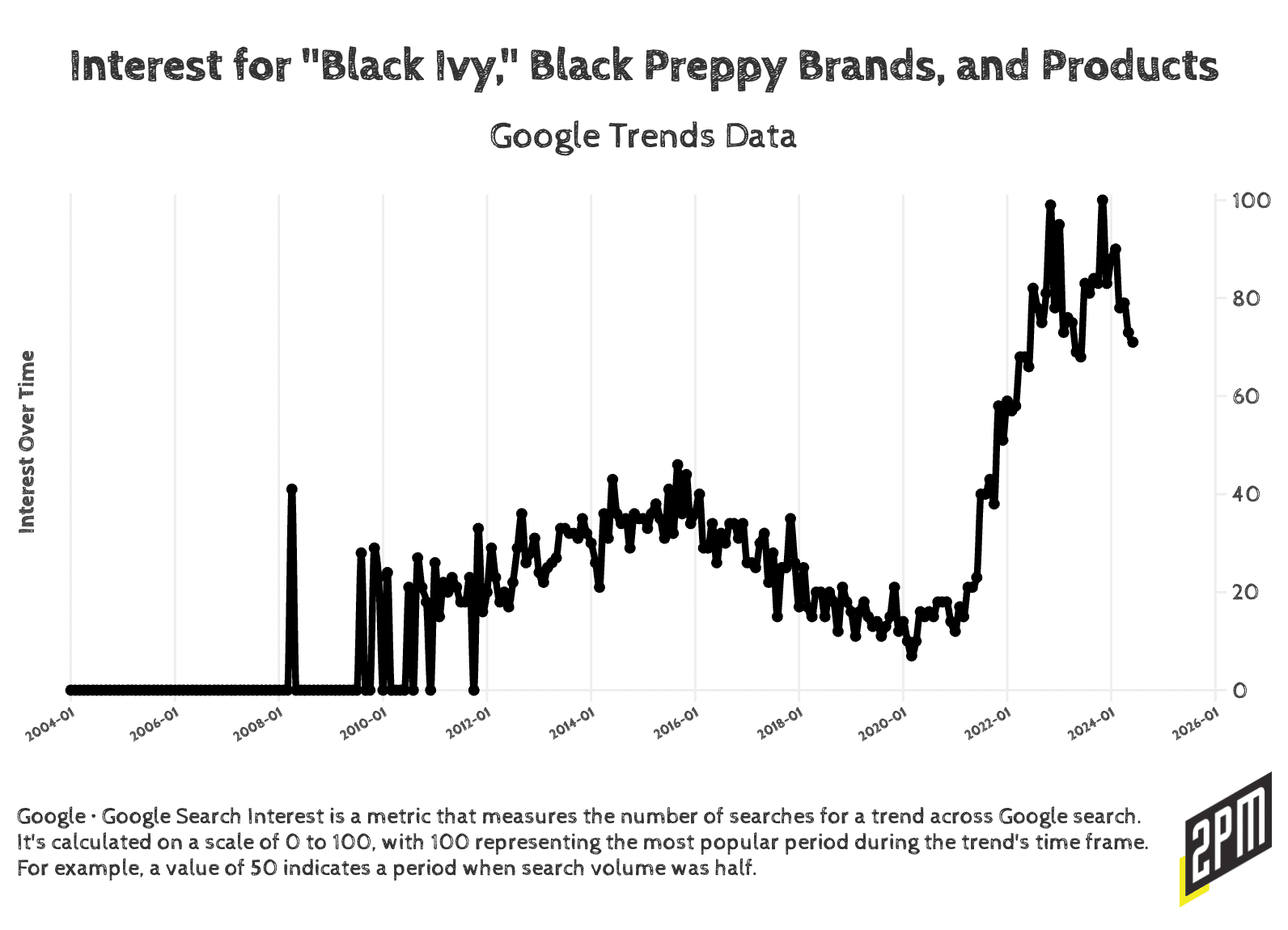
Tap in. There’s very little that’s new under a sun that shines on modern brand development; this is one trendline that may define collaborations, media interest, and investment strategy. Just one decade ago, it was nearly impossible to find a majority black-owned, preppy-focused brand. Five years ago, one would be hard pressed to find brand advertisements with models that represented the culture. And today, you can name enough to fill an autumn wardrobe for your kid’s freshman year at Boston College or Vanderbilt.

As the air of Fall 2024 sweeps across college campuses and city streets, the continued rise of “Black Preppy” culture continues to make waves in the fashion world. This movement, a casual blend of streetwear elements with the refined aesthetics of old guard, blue-blooded Ivy League fashion, reflects a broader cultural shift. In the words of Black Ivy author Jason Jules,

It’s not just about the clothes. It’s about the culture, the confidence, the community.

Nearer to the forefront of this sartorial renaissance stands one of a number of notable upstarts: Blackstock & Weber.

A New Era of Black Preppy Culture

When Ralph Lauren launched its HBCU (Historically Black Colleges and Universities) collaboration in 2022, the response was mixed. Some critics felt uneasy about the nostalgic imagery, while others saw it as a necessary reframing, showcasing Black models in preppy styles that African Americans have long been a part of.

Chris Echevarria, founder of Blackstock & Weber, embodies this sentiment of this contradiction with his brand, aiming to be “the next Ralph Lauren.” His goal is lofty but worthy, highlighting the lack of authentic representation in preppy fashion. While countless brands have helped to pry open the doors, Echevarria’s 100% Black-owned brand proves there is ample space for Black preppy acolytes to thrive. In my opinion, Echevarria’s vision transcends mere fashion—it’s a cultural statement, rooted in quality and authenticity, carving out a new space in the preppy pantheon. In fact, it’s a vision that I failed to achieve on my own during my time at Mizzen+Main.

The B&W brand’s founder is a story is one of passion, resilience, and an unyielding commitment to quality. Born and raised in New Jersey, Echevarria developed a keen eye for fashion at a young age. His mother recalls how even as a child, he had a strong preference for picking out his own clothes, a trait that would later define his career.

When I was young, I loved clothes. My mother remembers that even at the age of 4, I would cry when she didn’t let me pick out my own clothes. (Essence Magazine)

This early passion influenced the groundwork for his later success. Initially pursuing a career in medicine, he eventually followed his true passion, enrolling at the Fashion Institute of Technology (F.I.T.) in New York City. His time at F.I.T. and subsequent roles in the fashion industry, including a significant stint at J.Crew, shaped his understanding of the market and honed his design skills.

Launched in 2018, Blackstock & Weber quickly gained a reputation for its modern takes on classic styles, particularly the penny loafer. Echevarria’s vision was clear: to create a brand that combined the timeless appeal of artisanal workmanship with the dynamic communication style of modern streetwear brands. This strategy proved successful, as Blackstock & Weber grew by 300% annually, becoming a beacon of the preppy-with-a-twist style.

Echevarria’s approach to business relationships has also been pivotal. “I don’t have wholesale partners; I have friends,” he says, emphasizing the importance of personal connections. This approach has fostered loyal partnerships with influential retailers like Kith and 3sixteen, and even extended to Hong Kong with Leather Healer. This personal touch, combined with his strategic vision, has helped the brand carve out a unique niche in the fashion industry.

Media Interest and Cultural Impact

The media has taken notice of Blackstock & Weber’s unique position in the fashion industry. In the interview with Essence, Echevarria discussed how he channels nostalgia to create a brand that feels both timeless and contemporary. “It becomes a candid discussion about channeling nostalgia to feel grounded in the present, and how navigating the space between adversity and insight allows Echevarria to sit in his own power,” Devine Blacksher writes.
Shoppe Black also highlighted the brand’s distinctiveness. It noted that Blackstock & Weber carved a niche by offering limited-edition footwear that combines traditional craftsmanship with modern sensibilities. Echevarria’s commitment to quality and his ability to bridge the gap between high-end fashion and accessibility set the brand apart. The brand’s small-batch production ensured exclusivity, while collaborations with partners like J.Crew and Kith demonstrated its wide appeal.

A New Wave of Media Acceptance

The rise of Blackstock & Weber signifies a broader cultural acceptance of black preppy culture. Note brands like Recreational Habits, this Howard Crew piece by Wales Bonner, the summer shaker sweater by Noah, or this field rugby by Echevarria’s Academy.

Historically, preppy fashion was associated with the elite, often excluding African-Americans whose heritage contributed to the mid-century preppy movement. The emergence of history packaged by  Black Ivy culture has redefined this narrative. Let Black Ivy author Jason Jules tell it:

In Mr. Jules’s telling, the adoption by generations of Black men of sartorial codes originating among a white Ivy League elite may initially have been a natural inflection point in the arc of men’s wear evolution. Yet it was also a conscious development, one with a strategic agenda that extended well beyond the obvious goal of looking good. (New York Times)

Black men have long adopted, adapted, and influenced preppy styles, infusing them with their own cultural significance and flair. The moodern fusion created a unique aesthetic that resonates with a wide audience.

But Black Ivy culture itself has deep roots. During the mid-20th century, black students at Ivy League and historically black colleges adopted and transformed traditional preppy styles, creating a look that was both sophisticated and reflective of their identity. This cultural evolution has continued to influence fashion, contributing to the rise of brands like Blackstock & Weber.

Looking Ahead. In 2020’s, “New Prep,” I explained: “Like Aimé Leon Dore and Noah, Rowing Blazers’ presence is noticeably diverse. Product page and brand photography aside, the images shared through social channels communicate a common theme. But more than a theme, it’s a welcome sign.” B&W is one of a growing class of brands who’ve walked through that door.

As Blackstock & Weber continues to grow, it stands as a beacon of innovation, quality, and cultural pride. Echevarria’s vision, coupled with his ability to connect with consumers on a personal level, has paved the way for him. As the fashion world continues to evolve, Blackstock & Weber is well-positioned to lead the charge, redefining classic menswear staples for the modern age and setting new standards for what it means to be preppy in the 21st century.

The story of Blackstock & Weber is not just about fashion; it’s about cultural transformation, personal vision, and the ability to transcend traditional boundaries. As Echevarria continues to innovate and inspire, Blackstock & Weber’s rise is a testament to the enduring appeal of black preppy culture and its rightful place in the mainstream fashion narrative​.

The difference is that a number of the leaders who cater to the blue blood and blue blood-adjacent are ones who’d have been wiped or excluded from cap tables. Today, they have quickly become the collaborative partner of choice of brands seeking to tap in to a culture that was once excluded from the conversation. You don’t need to collaborate with a brand like this, if you are a brand like this.

By Web Smith

In halls where ivy tendrils climb, and echoes of tradition chime, a new rhythm blends with classic grace, Black Ivy culture finds its place. And so, we honor this grand design, Where blackness and prep intertwine, a culture rich, with stories told, in every thread, both new and old.

Deep Dive: Cutthroat Grocery and The Replenishment Economy

To better understand the increasingly cutthroat grocery industry, I read “The Secret Life of Groceries” by Benjamin Lorr, elements of which will be summarized here. It opened my eyes to say the least; I will never consume another package of beef, seafood, berries, packaged salad snacks, or even my favorite canned drink without thinking about the sacrifice required to get those products to our doors.

The secret to successful grocery shopping lies in understanding the psychology behind product placement and marketing. […] In the modern grocery industry, competition is fierce, with retailers constantly vying for our attention and loyalty.

The modern grocery store is a marvel of contemporary commerce, revolutionizing the way we shop, eat, and live. It’s also as cutthroat as the industries that we have historically associated with that descriptor: oil and gas, textiles, and any others that we know to have elements of violence, forced labor, or worse.

Let’s first begin with some history.

****

The evolution of the grocery store began with the introduction of Piggly Wiggly in Memphis, Tennessee, in 1916 by Clarence Saunders. This was the first self-service grocery store, revolutionizing the retail landscape by allowing customers to browse and select their own products, a departure from the traditional clerk-assisted model.

In 1937, Sylvan Goldman, an Oklahoma businessman, further transformed the shopping experience with the invention of the shopping cart. Observing that shoppers stopped purchasing when their baskets became too heavy, Goldman created a wheeled cart with baskets, increasing convenience and encouraging more purchases.

The grocery industry continued to innovate with the establishment of larger chains. Kroger, founded in 1883, grew into a major player by implementing many of the modern retail practices developed by Piggly Wiggly and Mr. Goldman, expanding its range of products and services. Whole Foods, launched in 1980, targeted health-conscious consumers with its focus on organic and natural foods, and in 2017, it was acquired by Amazon for $13.7 billion.

Trader Joe’s, founded in 1967, distinguished itself with unique private label products (effectively launching the private label industry) and a quirky, customer-centric approach. Aldi, which entered the U.S. market in 1976, offered a no-frills, cost-effective shopping experience that appealed to budget-conscious shoppers.

These pioneers laid the foundation for today’s diverse and competitive grocery landscape, characterized by innovation, convenience, and a constant evolution to meet changing consumer demands.

****

According to the Bureau of Labor Statistics: in 1901, Americans had an average spend of 42.5% of the household budgets on groceries. By the 1930s, that number was around 33% and today: American consumers spend just 11% of their household income on groceries. Until recently at least (buoyed by a higher CPI and persisting inflation), food felt available and commoditized. Lorr’s book made me realize just how much of a false perception that is.

Far from being simple retailers of food, grocery stores have evolved into complex entities that reflect broader social, economic, and technological trends. From the humble beginnings of self-service stores in the early 20th century to the sprawling supermarkets and specialized grocers of today, the grocery industry has become a fiercely competitive and dynamic segment of retail. This report will explore the rise of the grocer, the intricacies of supply chains, the cutthroat nature of the industry, and the intensifying challenges faced by CPG brands in an evolving retail landscape.

Yesterday And Today: A Lesson To Modern Retail

Trader Joe’s, a beloved grocery chain known for its unique products and customer-centric approach, owes its success to the visionary leadership of its founder, Joe Coulombe. After graduating from Stanford in 1958, Coulombe initially worked for Rexall, the largest retail pharmacy chain at the time, where he successfully developed a new line of convenience stores called Pronto Markets. When Rexall decided to shut these stores down, Coulombe borrowed money, bought them himself, and transitioned from a corporate employee to a determined entrepreneur.

Recognizing the impending competition from 7-Eleven, Coulombe pivoted his business model. He rebranded his stores with a South Seas motif, diversified the product range, and named the new venture Trader Joe’s. His ability to foresee and capitalize on emerging trends was a key factor in his success. With Boeing’s introduction of the 747, Coulombe anticipated that increased international travel would spark American consumers’ interest in exotic foods. This led him to stock Trader Joe’s with unique, imported foods that stood out from the typical American grocery offerings.

Coulombe also had a keen understanding of his target market. He identified “overeducated and underpaid” individuals—screenwriters, musicians, museum curators, and journalists—as his core customers. This focus on a specific demographic allowed him to tailor the product offerings to their tastes and preferences. Trader Joe’s became known for its eclectic mix of products, including private label items that bolstered profits, such as the now-iconic almond butter.

Another innovative strategy was the localization of stores. Unlike other chains with identical store layouts, Trader Joe’s stores featured unique decorations and murals created by in-house artists to reflect the local community. This approach fostered a sense of connection between the store and its neighborhood, enhancing customer loyalty.

Listening to customers was also a cornerstone of Trader Joe’s success. Coulombe consistently responded to customer feedback by adding more organic and healthy items, eliminating products sourced from China due to safety concerns, and phasing out plastic packaging. This responsiveness helped maintain customer trust and loyalty over the years.

A significant differentiator for Trader Joe’s was its wine section. Coulombe, a wine enthusiast, recognized that educated consumers tended to drink more wine. By dedicating a substantial portion of store space to value wines, particularly from California, Trader Joe’s attracted wine lovers who then discovered the store’s unique food offerings. The introduction of “Two Buck Chuck,” a private label wine sold for $1.99, became a cultural phenomenon and drew countless new customers to Trader Joe’s.

Today, despite being owned by a German company, Trader Joe’s continues to operate on the principles established by Joe Coulombe. Yes, Trader Joes’s is owned by the same family that owns Aldi’s.

Trader Joe’s founder Joe Coulombe sold his business to Theo Albrecht in 1979, officially making the Albrecht family the proud owners of both prosperous markets — specifically, the Aldi Nord branch, since the company is split into two.

His early vision was remarkably prescient, anticipating many trends that define the modern grocery industry: a focus on imports, catering to educated consumers, creating new products from existing commodities, and leveraging private labeling to enhance profitability. Trader Joe’s success story is a testament to entrepreneurial foresight, customer focus, and innovative thinking.

Before the rise of supermarkets, grocery shopping involved visiting multiple specialized shops—bakeries, butcheries, and green grocers—which was time-consuming and often inconvenient. The supermarket consolidated these various food categories under one roof, offering remarkable convenience and unprecedented variety. This evolution continued post-World War II, driven by suburbanization and the growth of the middle class, resulting in the architectural behemoths we recognize today. These behemoths come with plastic baggage.

Complexities of the Supply Chain

The seamless operation of a modern grocery store depends on an intricate and often unseen network of supply chains that span the globe. These supply chains involve numerous players, including farmers, manufacturers, distributors, and retailers, all working in concert to meet consumer demand. However, behind the scenes lies a world fraught with challenges, some of which reveal troubling ethical issues.

Notice the reduction in export volume after reports of exploitation near Thailand’s shrimping business’ peak.

One of the most harrowing aspects of the global food supply chain is the exploitation of labor, exemplified by the Thai shrimp industry. Lorr’s book revealed harrowing stories that span from backroom workers in your favorite Whole Foods to the economic and physical dangers of trucking, to the aforementioned Thai shrimp industry’s literal slavery. I don’t use that term as a figure of speech.

His investigations uncovered severe abuses, including forced labor and human trafficking, where workers are subjected to brutal conditions and treated as modern-day slaves at worst or indentured servants at best. These practices are driven by the relentless demand for cheap seafood in Western markets, highlighting a dark side of globalization and the hidden human cost embedded in our groceries.

The complexity of the supply chain also involves logistical challenges. Maintaining the freshness and quality of perishable goods requires sophisticated refrigeration systems and efficient transportation routes. Just-in-time inventory systems, designed to reduce storage costs and inventory holding times, demand flawless synchronization. And the global dimension of the supply chain introduces regulatory, political, and environmental hurdles that must be navigated carefully.

Geopolitics and the Future of Grocery Retail

The future of the grocery industry will increasingly rely on executives who are aware of these intensifying concerns. The global nature of food supply chains means that political instability, trade disputes, and regulatory changes can have profound impacts on the availability and cost of products. Executives must learn to navigate these challenges while balancing the demands for ethical sourcing, sustainability, and profitability.

Amazon’s Subscribe & Save, has shifted consumer behavior, reducing in-store shopping for non-perishable items. Technological advancements will play a crucial role in shaping the future of grocery retail. The rise of eCommerce and online grocery shopping has transformed consumer habits. In Subscription Box Fatigue, I wrote about what is now called “replenishment shopping”:

This direction is more than a business expansion; it’s a strategic alignment with the changing behaviors of consumers who crave simplicity and convenience in their shopping experience. By securing a spot in the inventory of stores affiliated with Amazon Prime or Instacart, DTC brands can ensure their products are as accessible as a click or a quick grocery run. They can also build an insurance model for the growing subscription fatigue that seems to be triggered by rising economic concerns.

Replenishment shopping, or the frequent one-click acquisition of goods to replace diminished inventory, for non-perishables has significantly altered the grocery shopping experience for retailers, consumers, and store brands. Rather than strict subscription purchases, customers have a loose automation by way of platforms like Amazon, Instacart, DoorDash, or UberEats. Retailers like Walmart are losing market share of center-aisle products—such as paper towels, toilet paper, consumer packaged goods and canned goods—to eCommerce subscription services like Amazon’s Subscribe & Save. This shift means that consumers are spending less time in physical stores, with 42% of retail subscribers shopping in-store less often due to their subscriptions.

PYMNTS Senior Vice President and Head of Analytics Scott Murray noted: Paper towels, toilet paper and even cans of soup and things like that, but when it comes to perishables, I think people generally still go [to stores].

For traditional grocery retailers (with exception of Trader Joe’s and Aldi’s apparently), this poses a threat, necessitating a shift towards convenience-oriented channels such as same-day delivery to retain customer loyalty. Consumers benefit from the convenience and cost savings of subscription services, while store brands must innovate to compete with these new purchasing patterns. Overall, the rise of replenishment shopping is reshaping the grocery landscape, emphasizing the need for retailers to adapt to evolving consumer behaviors and preferences.

Changing Dynamics Between Retailers and CPG

This disruption and innovation have significantly altered the relationship between retailers and CPG companies. Both have invested heavily in new technology, channels, product development, and consumer touchpoints to stay relevant. However, their evolving roles and strategies have created tension as each takes on parts of the other’s traditional functions and innovates in different ways.

The American consumer is eating less beef but far more expensive beef, benefiting retailers.

Retailers, especially in the grocery sector, have become more empowered. The pandemic accelerated technology plans, leading to the implementation of contactless payments, self-service checkouts, click-and-collect services, and expanded delivery options. Retailers have also extended their private label product ranges and improved the customer experience, driving convenience, efficiency, and value; CPG brands lose when this strategy succeeds. In some cases, grocers have positioned themselves as defenders of the consumer, pushing back against excessive price increases from CPG companies and refusing to stock certain branded goods.

Conversely, CPG companies have sought to reduce their distance from consumers by developing replenishment business models, including websites, loose subscription models, and advertising partnerships on platforms like Instacart that can remind the customer that product availability is theirs for the taking. The best performing ones have focused on making supply chains more flexible and responsive, reviewing ingredients and recipes to reduce costs and be more sustainable, and exploring various physical channels beyond major grocery stores.

Additional Challenges for CPG Brands

The shifting dynamics have made the grocery industry particularly challenging. Shelf space is at a premium, with retailers exercising greater control over their product offerings. The EY Future Consumer Index indicates that consumers are turning away from once-favored brands, with many opting for private label products. Branded products now come in smaller pack sizes, and consumers are more willing to switch to new products if they offer better quality or value.

As more consumers turn to online shopping for the bulk of their replenishment shopping, traditional grocery stores face challenges in maintaining their margins and adapting to a fragmented shopping environment.

CPG companies are finding it increasingly difficult to control their product narrative in a landscape where information is readily available, and consumers are more informed than ever. Transparency, authenticity, and purpose have become crucial in maintaining consumer trust and loyalty. However, with limited opportunities to communicate these attributes at the point of sale, CPG brands must invest in multiple channels to maintain visibility and control their brand message. This, of course, can be incredibly costly at a time when consumers feel economically disadvantaged as a whole.

Consumers are increasingly looking for ways to control their spending amid financial challenges. Recent PYMNTS Intelligence data shows that a significant percentage of consumers have altered their grocery shopping habits due to rising prices, cutting down on nonessential spending and switching to cheaper merchants. This shift underscores the need for both retailers and CPG companies to adapt to the changing economic landscape and consumer behavior.

****

The rise of the grocer, from the early days of self-service stores to the sophisticated supermarkets of today, reflects broader trends in consumer behavior, technology, and globalization. The complexities of supply chains, including troubling ethical issues like forced labor, highlight the hidden costs behind our groceries. The grocery industry remains one of the most cutthroat segments in retail, requiring constant innovation and adaptation.

As the industry moves forward, it will increasingly depend on executives who are attuned to geopolitical concerns and capable of navigating a complex global landscape. The future of grocery shopping will be shaped by technological advancements and a continued focus on ethical and sustainable practices.

As consumers become more conscious, expect aggregate volume of meat consumed to continue falling.

In an ecosystem as interdependent as this one, success now is about fostering open, collaborative, and agile ways of thinking and working. Retailers and CPG companies must leverage each other’s strengths and innovations to approach the future from a position of strength. Ultimately, it’s critical to continue understanding the consumer.

The changes in the way CPG and retail work together could present an opportunity for a more radical rethink, not just of how they go to market, but how they measure success in a continually changing world. As the grocery industry navigates these challenges, it will remain a vital and dynamic part of our daily lives. This final quote by Benjamin Lorr is one that I am unlikely to forget.

To narrow down their efforts, [Humanity United] focused on industries that were likely to achieve a media hit: Was the product imported into the United States in significant quantities? Would the severity of abuse shock consumers? Ten different commodities met these new criteria: chocolate, coffee, shrimp, cattle, conflict minerals such as tungsten, cotton, timber, sugar, palm oil, and gold.

History has proven that when you do the right thing for the consumer, the entire consumer ecosystem wins. But if I have learned anything throughout this research, it’s that consumer wins often mean labor – at some point in the supply chain – is suffering a cutthroat loss. Six of the commodities that Humanity United pinpointed are ones that make our grocery industry go.

I believe that this is the most important thing to remember when shopping for what we all seem to take for granted: groceries. It’s a system that allows us to “hate our shrimp but eat it too,” as Lorr so eloquently put it. As the replenishment economy continues to grow, we will only be farther removed from the supply chains that do the work to make same day grocery delivery possible.

Research, Writing, and Data by Web Smith 

Deep Dive: Shipping Matters

In 2024: Three Issues That Will Define Commerce, I highlighted a critical intersection where three major influences: cybersecurity, shipping vulnerabilities, and geopolitical concerns —were poised to impact the global retail landscape. The analysis ended, “The flow of commerce faces further disruption.” This essay delves into what that could look like and why.

Let’s fast forward to mid-2024, these predictions have not only materialized but have also evolved, presenting an even more complex challenge for global commerce. This update revisits those projections in light of new data and insights.

In my December 2023 analysis, I covered the emerging intersection of national security and commerce, specifically in light of shipping concerns. The geopolitical tensions in the Suez Canal Zone were converging to create a multifaceted challenge for retailers. This convergence underscored the need for a strategic approach to safeguarding both national and corporate interests while maintaining a thriving global economy.

****

A History: The Suez Canal Zone

The Suez Canal Zone held significant military importance between 1945 and 1956, serving as a strategic and economically vital route for Middle Eastern oil and trade with the Far East. British forces were garrisoned in the Canal Zone under the terms of a 1936 treaty to protect this crucial passage. Despite its strategic value, the posting was unpopular among soldiers due to the harsh climate, frequent diseases, and hostility from Egyptian nationalists.

British presence in the Suez Canal Zone was essential for maintaining control over the key maritime route that connected the Mediterranean Sea to the Indian Ocean, facilitating faster trade between Europe and Asia. However, Egyptian resentment towards British occupation led to increasing violence and unrest, particularly between 1950 and 1956. This period saw numerous attacks on British soldiers, escalating tensions, and significant casualties on both sides. The culmination of these tensions came with the disarming of the police in Ismailia in January 1952, leading to further violence and British casualties.

Negotiations led by Colonel Gamal Abdel Nasser resulted in the 1954 agreement to end the British occupation. By 1956, British troops had fully withdrawn from the Canal Zone, marking the end of an era of direct British military presence in Egypt. Despite the challenges faced, the military importance of the Suez Canal Zone during this period underscored its pivotal role in global trade and geopolitical strategy.

Today, the Suez Canal remains a critical artery for global commerce, but its management has shifted significantly. The Suez Canal Authority (SCA), an Egyptian state-owned entity, now oversees the canal’s operations. The SCA is responsible for maintaining and expanding the canal to accommodate modern shipping demands. The canal has undergone several expansions, most notably the Suez Canal Expansion Project completed in 2015, which aimed to increase the canal’s capacity and reduce waiting times for vessels. In December 2023, the U.S. Secretary of Defense Lloyd Austin announced a 10 country coalition to better protect the Suez route.

****

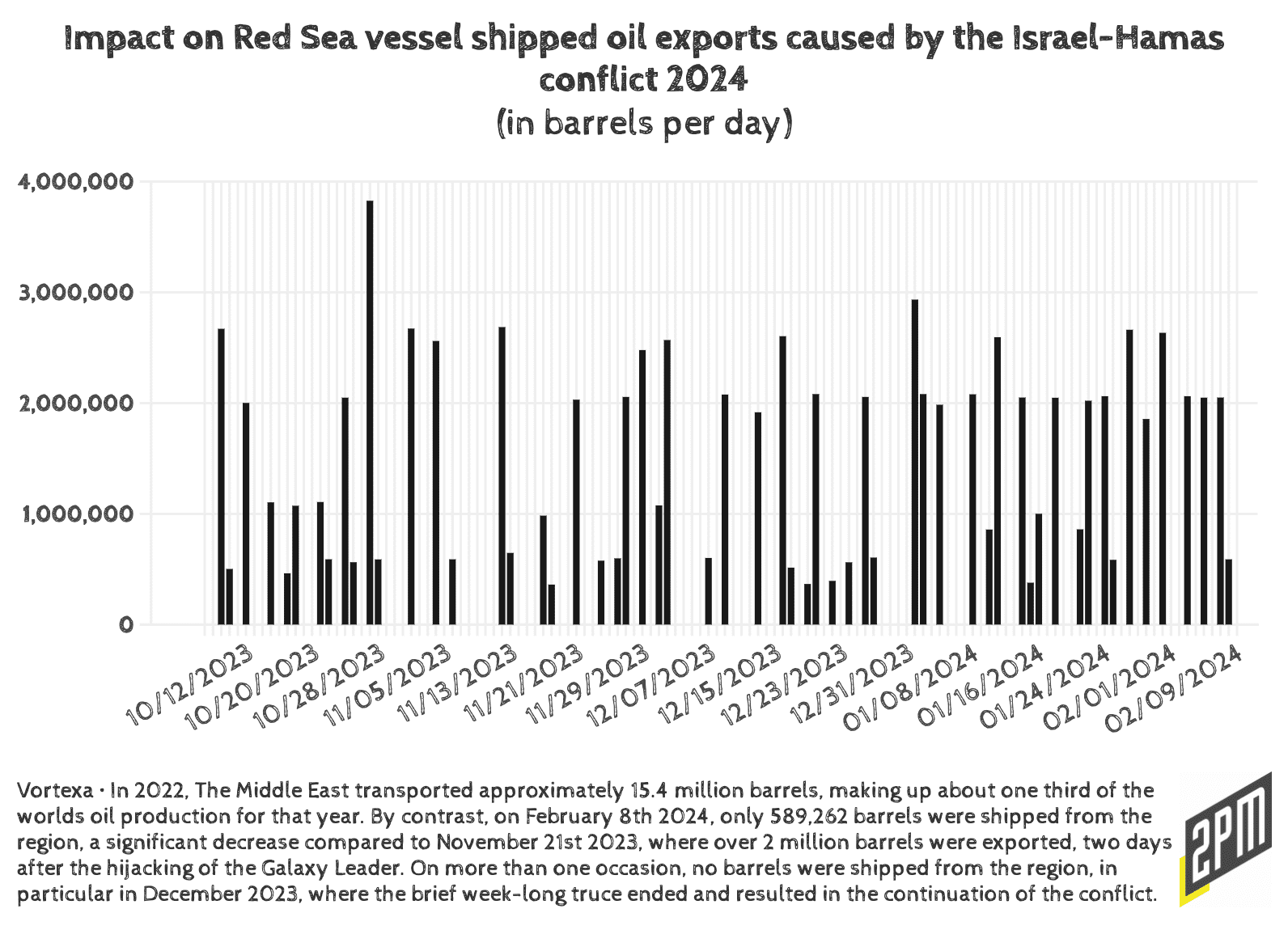
The geopolitical importance of the Suez Canal persists, with Egypt leveraging the canal’s strategic location to bolster its economy through toll revenues and related services. The canal continues to be a focal point for international trade, handling approximately 12% of global trade and a significant portion of the world’s oil shipments. Recent missile and drone attacks by Houthi rebels along the canal have caused many shipping companies to avoid the route, leading to a 67% drop in container shipping as of late January 2024. In 2023, the Suez Canal facilitated the passage of approximately 23,851 ships carrying well over a billion tons of cargo.

A Mediterranean Shipping Company vessel, somewhere off the coast of Turkey (taken May 20th from a passing ship)

In December of 2023, the Mediterranean Shipping Company (MSC) diverted its container ship traffic away from the Red Sea. However, it appears that MSC has returned to running some of its ships through the canal despite risk of attack.

In response to the same increased threat, global shipping giant Maersk began rerouting its vessels around the Cape of Good Hope in March, significantly extending transit times between the U.S. East Coast and regions such as India and the Middle East by one to two weeks. This diversion, along with disruptions in the Black Sea due to the Russian invasion of Ukraine, has caused shipping costs to rise. According to the United Nations, container freight rates on Asia-Pacific to Europe routes have surged since November, with rates from Shanghai more than doubling by early February 2024.

Ryan Petersen on Twitter: “Global containerized ocean freight prices are surging to levels not seen since the pandemic supply chain crunch. Some key trade lane rates are up 140% since mid-December and increasing by the week. What’s happening, why, and what it means for businesses needing products moved? 🧵 pic.twitter.com/YDPKeipbMz / Twitter”

Global containerized ocean freight prices are surging to levels not seen since the pandemic supply chain crunch. Some key trade lane rates are up 140% since mid-December and increasing by the week. What’s happening, why, and what it means for businesses needing products moved? 🧵 pic.twitter.com/YDPKeipbMz

As projected, global containerized ocean freight prices have surged to unprecedented levels. Key trade lane rates have increased by 140% since mid-December 2023, echoing the pandemic supply chain crunch. Several factors contribute to this surge.

Global Factors (A-H)

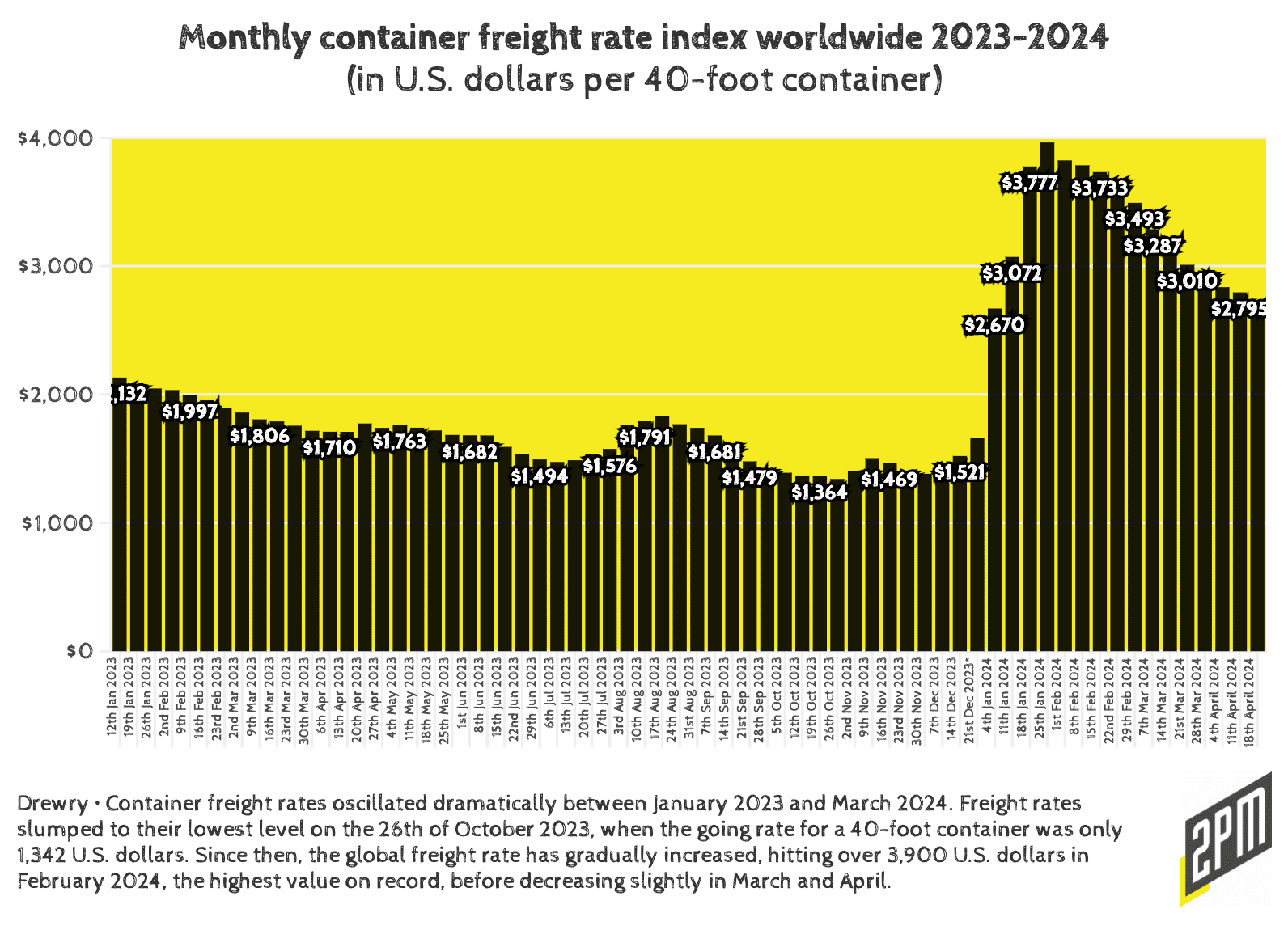
A. Firstly, the demand for freight shipping remains largely inelastic as Peterson notes in his thread. Businesses do not significantly alter their shipping volumes based on freight costs, leading to price spikes when demand exceeds supply. This inelasticity has been a significant factor in the current price surge. Here’s some interesting data from Drewry:

Freight rates from Shanghai to Rotterdam, Shanghai to Los Angeles, and Shanghai to New York increased 12% to $4,172, $4,476 and $5,717 per 40ft container respectively. Similarly, rates from Shanghai to Genoa increased 11% or $481 to $4,776 per feu. Likewise, rates from Rotterdam to New York climbed 2% or $49 to $2,209 per 40ft box. […] Drewry expects ex-China freight rates to rise due to increased demand, tight capacity, and the need to reposition empty containers.

B. Beginning in December, terrorist activity in the Red Sea compelled global container ships to reroute around Africa. This change in route significantly reduced shipping capacity, as the journey from Asia to Europe now takes 30-40% longer to complete, effectively diminishing the overall throughput of the shipping network.  Consider this from IMF blog

This increased delivery times by 10 days or more on average, hurting companies with limited inventories.

C. Severe weather conditions in major ports such as Shanghai, Ningbo, Malaysia, and Singapore have exacerbated port congestion, further straining the already limited shipping capacity. The interplay of natural disasters, including droughts and heavy rain, has disrupted operations and increased delays​. The Journal of Commerce on this:

Fog is the main problem at ports in China, including Shanghai and Ningbo. […] The adverse conditions meant vessels could not berth even as more ships arrived at anchorage, leading to vessel bunching that exacerbated port congestion.

D. As the potential Canadian rail worker strike looms, U.S. West Coast freight facilities are under pressure as shippers divert containers to avoid disruptions. This adds to existing challenges like increased rates at the Port of Norfolk and container dwell issues in Los Angeles and Long Beach. The strike threatens to exacerbate congestion and equipment imbalances, affecting operations in Dallas and the US Midwest. ITS Logistics recommends strategies to mitigate delays, including terminating imports at ports and using transloading and one-way trucking.

Concerns over a potential Canadian rail strike have disrupted North American supply chains, compelling importers to reroute goods through U.S. gateways, adding to the congestion. This rerouting has caused significant delays and increased costs for businesses reliant on these supply routes​. From DC Velocity:

The impact comes amid additional supply chain impacts such as significant rate increases in dray and container storage capacity at the Port of Norfolk as demand shifts are spreading along the U.S. Eastern Seaboard to absorb Baltimore cargo​.

E. The U.S. East Coast faces a confluence of issues, including drought-induced capacity reductions at the Panama Canal and port access disruptions following the Maersk MV Dali incident in Baltimore. Additionally, the impending expiry of the International Longshoreman Association’s contract has fueled fears of delays during peak shipping season​.

F. The Asia to Europe trade routes have seen substantial rate increases, with the Shanghai Containerized Freight Index (SCFI) showing a 155% rise in prices since mid-December. Transpacific lanes are also affected, as carriers reallocate ships to cover gaps in Asia-Europe routes, causing a 142% rate increase for shipments from Shanghai to the U.S. West Coast​. You can view spot freight rates here.

G. Businesses face higher freight costs and potential delays, prompting them to expedite shipments, which can lead to panic bookings and further congestion. The introduction of Peak Season Surcharges (PSS) on fixed-rate contracts has compounded these challenges, aligning fixed rates closer to volatile spot market prices​. This November 2023 Supply Chain Dive report tuned me into the idea of this happening sometime in 2024 (before the actual peak season begins).

H. The high freight rates signal to carriers the need for increased capacity. New container ships, ordered since the COVID-19 pandemic, are expected to bolster capacity in the coming years, potentially alleviating some of the current pressures. Drewry’s World Container Index indicates a substantial increase in shipping capacity expected by the end of 2024​. In the meantime, companies may need to adopt premium shipping options to prioritize cargo, albeit at higher costs. Agility in logistics planning becomes crucial, as businesses must navigate unpredictable disruptions and maintain supply chain resilience​.

These heightened costs and delays are expected to eventually impact consumers and farmers, highlighting the far-reaching effects of geopolitical instability on global trade routes and the importance of the Suez Canal in maintaining efficient international commerce.

Best Practices Moving Forward

Businesses have to enhance their logistical agility and prepare for both anticipated and unforeseen disruptions. This involves diversifying supply chains geographically to reduce reliance on single points of failure. Investing in digital tools and technologies for better visibility and agility in logistics planning is crucial. The rise of smart containers and the standardization of electronic bills of lading are examples of how technology can enhance efficiency and resilience​. Eric Linxwiler, Senior Vice President of TradeBeyond:

If there’s one lesson supply chain managers have learned from recent disruptions, it’s to always be prepared for the unexpected. Ongoing disturbances in the Red Sea shipping lane are anticipated to extend well into 2024, with little hope for cessation of the conflicts, underscoring the critical need for agile, technology-driven strategies that can adapt to the unforeseen.

Furthermore, fostering collaboration between national security experts and commerce professionals is essential to develop comprehensive strategies that address both economic and security concerns.

The surge in global containerized ocean freight prices underscores the fragility and complexity of the global shipping industry. While capacity expansions offer a glimmer of hope, the enduring lesson is the necessity for resilience in the face of an ever-changing global trade environment. The effects of the forecast made in December 2023 have come to pass, highlighting the importance of foresight and strategic planning in mitigating the impacts of global disruptions.

In a world where the stakes have never been higher, the challenge posed by these disruptions is unparalleled. The events unfolding on the global stage in 2024 will undoubtedly be shaped by the continued, intricate dynamics of this changing geopolitical landscape, affecting not only the global economy but also the sovereignty of nations and its citizens. The insights and developments from the first half of 2024 reinforce the need for businesses and policymakers to remain agile and vigilant in the face of ongoing and future challenges.

By Web Smith