Памятка: Презентация цифровой коммерции 2PM

В то время как характерные черты DNVB остались прежними, фон изменился кардинально. Новые макроэкономические тенденции и рыночные силы влияют на индустрию DTC, а индустрия DTC влияет на старый мир. Освещение и анализ 2PM внимательно следит за этими тенденциями в режиме реального времени; стоит отвлечься, чтобы оценить общие перспективы будущего ритейла, Web3, цепочки поставок, конфиденциальности, недвижимости и идеи собственности в метавселенной.

В презентации для Deloitte Digital компания 2PM изложила восемь перспективных идей.

От физического к цифровому: Розничные торговцы отходят от сторонних ритейлеров[1

Ведущей стратегией для брендов любого размера и статуса является намеренное и тщательное создание оптовой сети, позволяющей контролировать запасы и налаживать партнерские отношения, а не распыляться и распыляться, как это было в прошлом поколении розничной торговли. Сторонние ритейлеры будут играть меньшую и иную роль, чем раньше, поскольку бренды сосредоточатся на своих собственных каналах. Пример тому: К 2027 году Nike на 70 % будет работать напрямую.

От цифрового к физическому: DNVB открывают собственные магазины[2]

Для онлайн-брендов расширение происходит на уровне магазинов. Физические магазины усиливают ореол бренда в Интернете и при хорошей работе приносят деньги. Риск заключается в том, чтобы избежать чрезмерной розничной торговли. В соответствии с этим расширением торговый центр будет переделан по образу и подобию DTC.

Изменения в рекламе: Обновление конфиденциальности Apple будет иметь долгосрочные последствия[3]

Данные первой стороны будут определять следующую волну рекламы и продаж. Бренды и платформы сейчас пытаются приспособиться к обновлению Apple о конфиденциальности, в то время как Google планирует аналогичные изменения для Android. Наблюдайте за противостоянием, когда Apple бросит вызов Meta и Google в качестве основной рекламной платформы. Добавьте к этому покупку в один клик, и доминирование Apple здесь несложно представить. Также стоит обратить внимание на: Рост gCommerce и дальнейшее распространение QR-кода.

CAC продолжает расти, партнерство с контентом становится все более важным для недвижимости[4].

Apple - не единственное изменение, влияющее на рекламные стратегии. Стоимость привлечения клиентов становится все выше. Помимо акцента на данные от первых лиц, ключевой стратегией для рекламодателей в будущем станут контент-партнерства. Оно будет выходить за рамки партнерства: бренды будут приобретать медийные объекты, чтобы получить доступ к информации о спросе на продукцию и сообществах.

Рост бесконтактных платежей предшествует внедрению eCom в США[5]

В настоящее время США занимают восьмое место в мире по распространенности мобильных платежей. Это будет следующей гонкой вооружений в стране, поскольку компании будут соревноваться за звание крупнейшего оператора мобильных платежей. Прогноз: к 2027 году США достигнут 30-процентного уровня проникновения eCom.

Авиаперевозки, контейнеровозы и собственные цепочки[6]

За последние два года нарушения в цепочках поставок изменили розничную торговлю. Крупнейшие ритейлеры будут предпринимать шаги, чтобы больше не зависеть от неподконтрольных им сил, поскольку у них есть ресурсы, чтобы владеть своими цепочками поставок. Ожидайте, что Amazon, Target и Walmart будут приобретать все большее количество посредников в цепочке поставок. Это может сделать мелкие бренды более зависимыми от крупных ритейлеров.

Торговые центры будут способствовать возврату электронных товаров, чтобы увеличить посещаемость[7]

Каким будет назначение торгового центра через пять лет? Самая большая больная точка ритейлера: Возврат товаров через Интернет. Поскольку в Америке так много дополнительных торговых площадей, все больше торговых центров будут превращены в центры обратной логистики, чтобы помочь брендам облегчить расходы на возврат товаров через Интернет.

Web3 и DTC, розничная торговля на блокчейне[8]

Метавселенная уже здесь, и к 2027 году ожидается, что ритейлеры будут вкладывать в свое присутствие в виртуальных мирах столько же, сколько и в физических. Web3 может помочь брендам создать программы лояльности и сообщества нового времени, одновременно создавая источник дохода, не связанный с созданием большего количества физических товаров. Следите за Nike и Starbucks, чтобы понять, к чему это приведет.

Вот он. PDF-файлы доступны подписчикам, просто ответьте на письмо подписчика, и я лично вышлю его:

Веб Смит, Хилари Милнс, Кристина Уильямс и Алекс Реми

Memo: Air Freight

According to Insider’s Intelligence service, US retail e-commerce sales will grow 16.1% this year, exceeding $1 trillion for the first time. Internationally, eCommerce will reach $5 trillion in GMV this year, according to the same source. And it is projected to grow to $6 trillion by 2024.

That’s a lot of oceanic freight forwarding.

Prior to the pandemic, supply chain and logistics management were afterthoughts. In 2022, managing production and logistics cycles has become as critical as marketing and advertising. These were afterthoughts until they were not.

Over the past two years, we have witnessed disruption after disruption. A shipping canal blocked, union employees standing down en masse, the U.S. postal service slowing to a halt, an international bridge protested by truckers, and a container ship on fire with 4,000 vehicles. Over this time period, freight forwarding has increased 500% in costs, retailers have begun to acquire trucking and container resources. Shopify has invested and divested in warehouse management, and Amazon has become the number one buyer of commercial real estate.

Companies like Maersk have pursued acquisitions to manage logistics beyond the ocean. Earlier this month, A.P. Moller-Maersk A/S agreed to buy Pilot Freight Services LLC for $1.68 billion. Maersk felt that it was important to shore up its road-transport business. But more importantly, it signaled that the container shipment boom may be starting to fade.

One method that has yet to fade is air freight. In a September report on freight, 2PM explained:

The complexity of the supply chain has been complicated by labor shortages and other misallocations. The short-term solution may resemble the world’s largest retailers following the supply chain management techniques pioneered by companies like L Brands. But this is only a mitigation effort. Amazon Air flight activity has increased 17% between February and August 2021 after the company added 14 planes, including two that enable intra-Canadian operations. In addition to these 14 planes, Amazon uses up to 20-30 partner flights per day to ship goods from hub to hub according to a recent document: Blue Skies for Amazon Air.

Seko Logistics Chief Growth Officer Brian Bourke recently joined Yahoo Finance (full interview) and provided some insight into this shift. He explained that SEKO chartered 70 times in 2020, 400 in 2021, and will likely surpass 500 chartered flights in 2020.

The use of air freight is increasing due to increased volatility, geopolitical tensions, and global supply chain disruption. In February, Flexport announced a $935 million Series E raise that included the likes of A16Z and Shopify. CEO Ryan Petersen has been at the forefront, helping many who have limited insight into the logistics industry to understand its shortcomings. Petersen announced the raise with this quote:

The global pandemic and the pressure it put on global supply chains has made the transportation of goods — something many people took for granted — a daily pain point. This investment signals that the market recognizes the need for a tech-enabled logistics ecosystem that has the visibility and resilience to handle unexpected challenges of any scale.

One of the most exciting companies is commerce is one that is behind the scenes. Flexport is increasing its air freight capacity as ocean freight continues to cause headaches for retailers, large and small.

This week, Flexport, a freight forwarder, announced it signed a deal with Eastern Airlines to deploy air freight planes, filling a gap in current capacity with a focus on eCommerce shipments. The deal is designed to make the use of Eastern Airlines’ air freighters low cost and quick to deploy, a positioning that would benefit direct-to-consumer and small-to-medium online brands. The Eastern Airlines freighters will make trips between Hong Kong and Chicago and Vietnam and Chicago.

Flexport is actively looking to fill a void in air freight availability to help companies sidestep bottlenecks in other modes of transportation. In an interview with Freight Waves, Eastern CEO Stephen Harfst and Flexport CEO Neel Jones Shah explained the benefits of the deal for the current landscape:

Eastern CEO Stephen Harfst said the plane is designed around e-commerce flows. “We’re not selling weight. Our aircraft provides volume. If you have e-commerce driven goods that are 5 to 7 pounds per cubic foot, the aircraft has structural payload to fill that volume up so why spend all the time, effort and money to redesign and rebuild the airplane,” he said.

Shah went on to note that air freight demand has doubled during a time when capacity has remained around 10% of pre-pandemic levels. He expects Flexport’s volume to double in 2022. While air freight will never become a substitute for oceanic shipping, Flexport is helping certain retailers move the equivalent of three containers worth of inventory in hours instead of weeks, that is as long as the products are 5-7 pounds per cubic foot.

Last week, Flexport signed a nonbinding letter of intent to purchase up to three robot cargo jets designed to carry a 100-ton payload, a move that fits a company built on a culture of innovation that combines logistics execution with a tech-enabled platform executives envision as the operating system for global trade that can improve the customer experience.

For an apparel retailer, supplement company, or toy maker, receiving goods from the manufacturer within 24 hours can be worth the cost. Shipping expenses and global labor shortages are two of the foremost contributors to inflation. Shipping costs have caused issues for retailers, with no exception to category. Companies like Under Armour, Volkswagen, Nike, and Hasbro have experienced many of the same headaches and consumers are paying for it. The U.S. is experiencing the worst inflation in four decades.

In the Port of Los Angeles, container ships are waiting an average of 18 days to unload. While this is the smallest that the shipping backup has been since early November, it is important to remember that it was rare that ships waited for even one day prior to the pandemic.

Air freight will not single-handedly relieve inflation concerns. Shortages are expected to ease by the end of Q1 and business inventories were 2.1% higher in December than the prior month, a gain that the WJ noted was the biggest since 1992. Inflation remains unchanged and suppliers continue to maintain higher prices and the consumer is left to account for this. While trans-pacific shipping has finally begun to return to its pre-pandemic form, waiting times have not. And air freight is but one of the segments that may keep matters from becoming even worse. Analysts believe that global eCommerce will be 20% larger than it is today. The Petersen quote in the Forbes cover feature on him says a lot about how the industry views him:

Our industry thinks I’m a clown, which I don’t mind. I need to continue to convince them that I’m crazy so they don’t get their act together and compete with us.

The health of our economy and the future of eCommerce – as a whole – will depend on relieving the demand on the few shipping ports and international bridges that America over-relies on for inventory. Let’s hope that Petersen is right, shipping times and product costs will depend on Silicon Valley’s ability to begin disrupting a 3,000-year-old ocean freight industry.

Автор Веб Смит | Под редакцией Хилари Милнс с иллюстрациями Кристины Уильямс

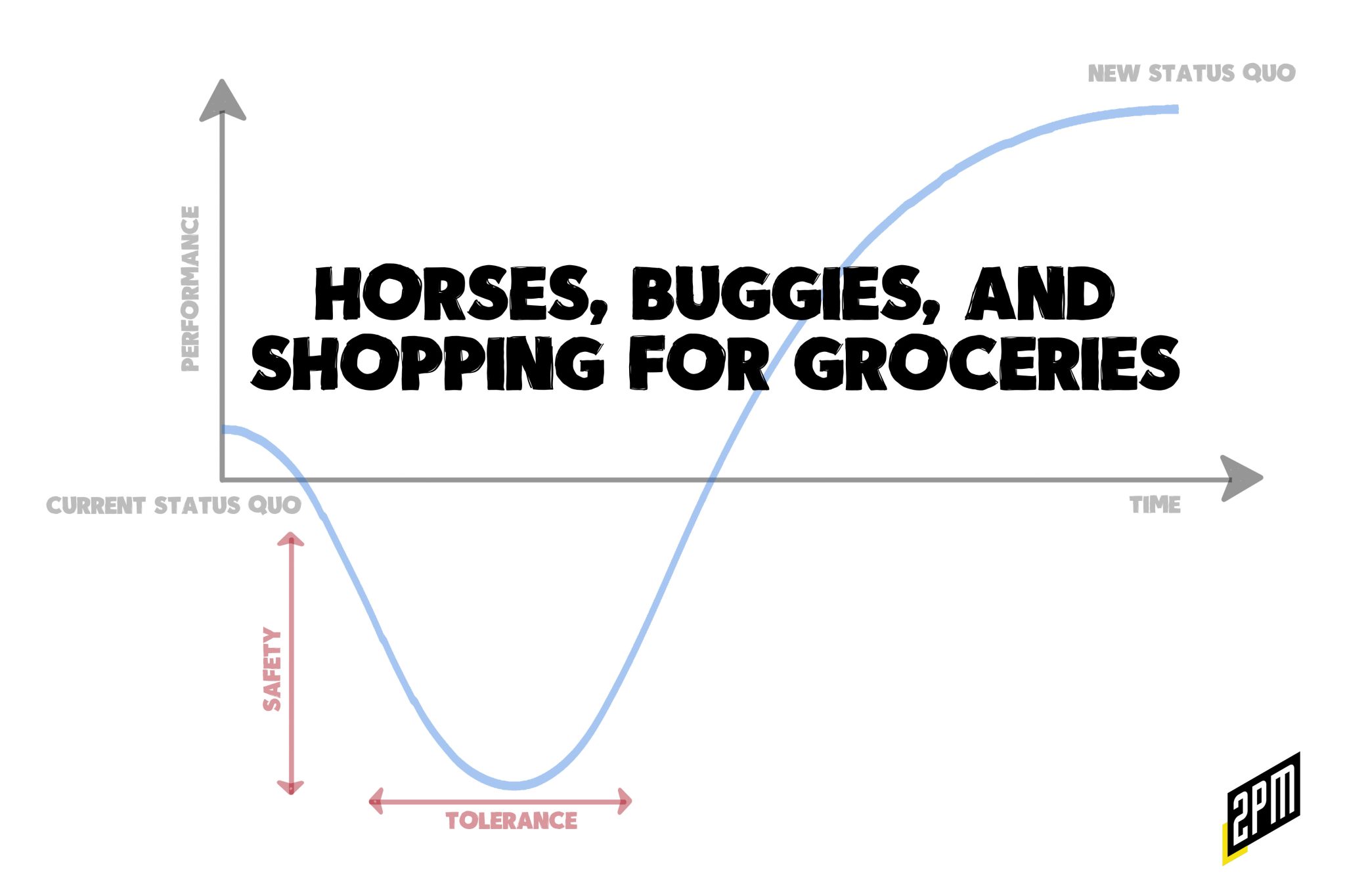
Краткая информация о члене: Лошади, коляски и покупки продуктов

Компания Shopify превзошла ожидания в своей последней прибыли, но цены на ее акции упали на 15% в среду. Уолл-стрит обеспокоена тем, что бум Shopify и, как следствие, бум электронной коммерции заканчивается вместе с пандемией. Моиз Али считает, что это признак того, что Shopify плохо подготовила своих корпоративных клиентов к успеху. Основатель дезодоранта Native (а также активный инвестор и советник) отмечает Away, MVMT, Ritual и Manscaped как бренды DTC, которые расстались с Shopify. Он едко добавил:

Этот краткий обзор предназначен исключительно для Исполнительные членыЧтобы упростить членство, вы можете нажать на кнопку ниже и получить доступ к сотням отчетов, нашему списку DTC Power List и другим инструментам, которые помогут вам принимать решения на высоком уровне.

Присоединяйтесь здесь