Nº 304: Audiencias In-App

inaudiencias.jpg

Si has creado un gran producto, necesitarás un público. Y si has creado un público cautivo, necesitarás un gran producto. Spotify tiene uno de los públicos más cautivos de la industria del entretenimiento. La medición más reciente sitúa la cohorte de suscriptores de pago de Spotify entre 90 y 95 millones. Se trata de un número extraordinario de consumidores con un método de pago registrado. Pero lo más importante es que es una oportunidad para que la empresa de música en streaming siga evolucionando con la economía del comercio digital. Epic Games y el metaverso, un líder poco convencional en este sentido, podrían enseñar a Spotify lo que es posible con las asociaciones de licencias y las microtransacciones.


Member Brief No. 1: Comercio lineal

La economía digital premia a las empresas que trabajan en la línea que separa los medios digitales tradicionales y el comercio electrónico tradicional. Un gran producto necesita un público orgánico y apasionado. Las audiencias cautivas necesitan productos y servicios que ofrecer a la comunidad. El comercio lineal es la comprensión de que los medios digitales y el comercio electrónico tradicional acabarán encontrándose en el centro, a lo largo de la línea, la vía más eficaz para el crecimiento.


Comercio lineal

La capacidad de Spotify para superar el reciente y notable crecimiento de Apple dependerá de que el servicio alinee su marca con asociaciones exclusivas. La capacidad de defensa de la plataforma estará estrechamente ligada a su facultad para "vender" su producto. Aunque esto no es ninguna sorpresa, el futuro de Spotify puede verse influido por su forma de vender contenidos y productos físicos.

Nº 287: El potencial de marca de Spotify

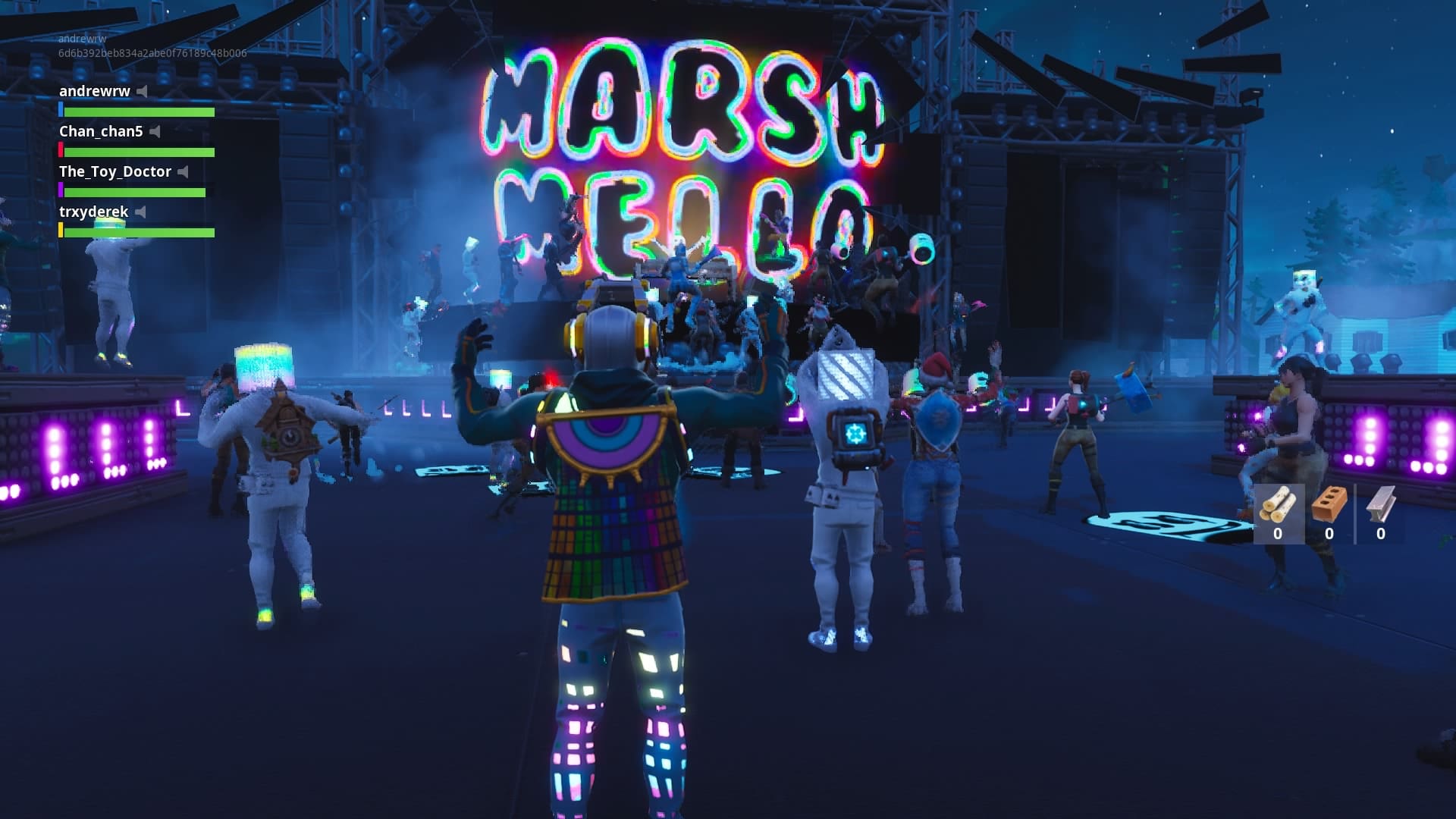
Audiencia y luego comercio; o comercio para construir la audiencia. Spotify ha identificado una oportunidad que, a corto plazo, beneficiará tanto a sus consumidores de pago como a los de pago. Y, a largo plazo, beneficiará a Spotify si Gimlet Media sigue creando contenidos que otras plataformas quieran licenciar para proyectos a gran escala. Pero quizás el ejemplo más significativo de comercio lineal, de la semana pasada, fue el concierto de Marshmello de Fortnite(ver aquí).

En la foto: una captura de pantalla del concierto del juego.

Fortnite, "El Oasis". Este sábado, Fortnite se asoció con el intérprete de EDM Marshmello para estrenar un nuevo concepto de atraer y monetizar audiencias digitales. Se calcula que 10 millones de usuarios estuvieron "presentes" (activos en el juego) en un concierto digital en directo dentro del juego que puso a prueba los límites de nuestra definición de realidad. Millones más siguieron las retransmisiones por Internet. Durante días, el DJ set había sido anunciado a través del juego mediante carteles y señales. Fortnite permitió a los jugadores entrar en la zona del escenario en "Pleasant Park", una zona muy conocida del campo de juego. El juego retiró automáticamente todas sus armas para que ninguno de los asistentes pudiera ser eliminado.

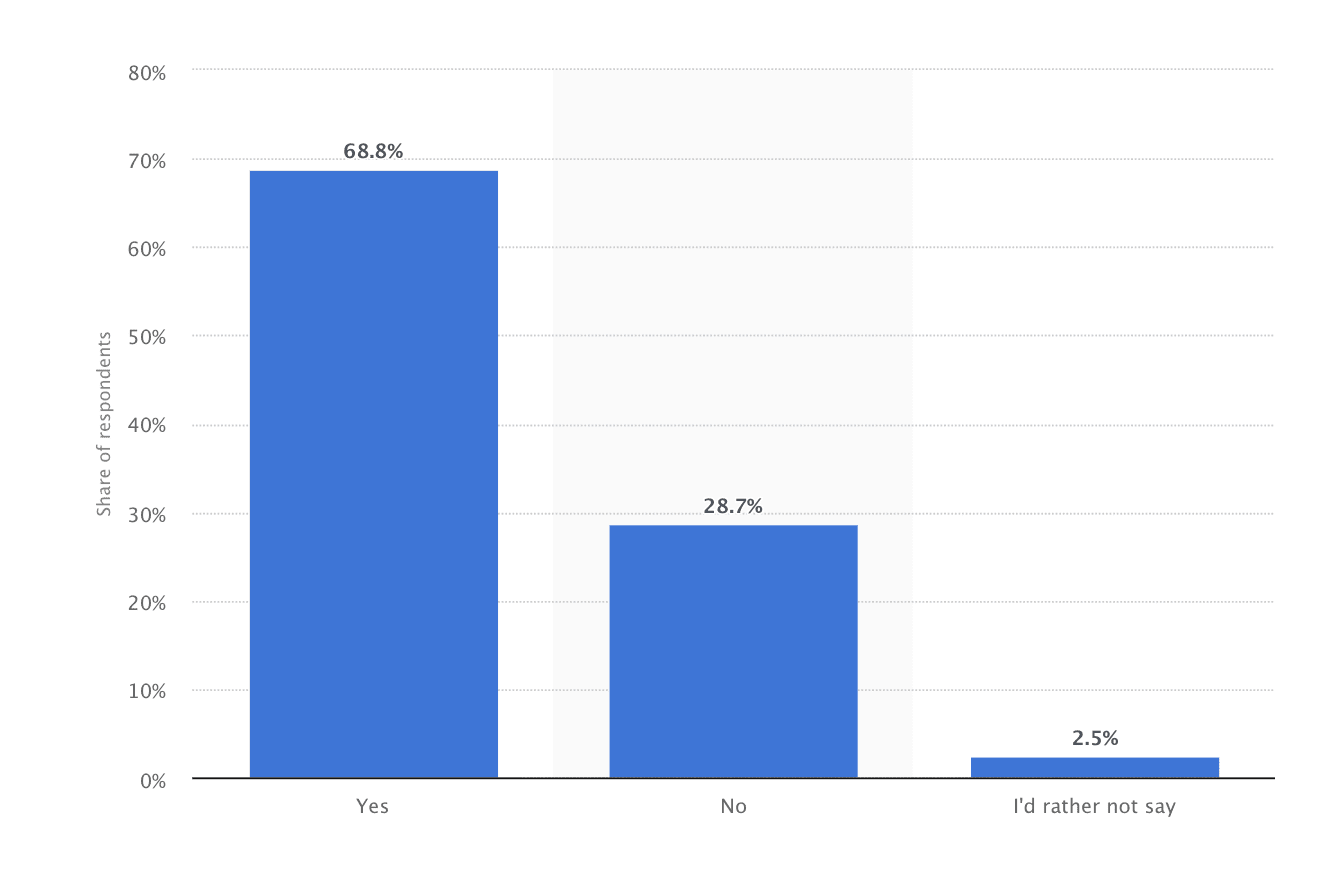
Proporción de jugadores de Fortnite que alguna vez han gastado dinero en compras dentro del juego (junio de 2018: LendEDU / Pollfish)

Según los informes, Epic Games ha generado una "suma considerable" en ingresos por microtransacciones a partir de dos de las propiedades del juego Fortnite: skins (apariencia) y emotes (habilidades de baile).

El valor de Gimlet Media

Las redes de podcasts tradicionales, como PodcastOne, Midroll y Headgum, monetizan grupos de podcasts negociando tarifas publicitarias o aportando a los podcasts su experiencia en producción. Hay docenas de redes de podcasts, pero pocas están concebidas como operaciones directas al consumidor. Gimlet Media es una de ellas: posee y administra los podcasts que emite. Esto podría aportar valor a Spotify de tres maneras:

Ingresos por publicidad: la principal fuente de ingresos del podcasting es la venta de anuncios, pero todo el sector generó más de 360 millones de dólares en ventas en 2018. Spotify podrá contar con una nueva fuente de ingresos. Pero también está la innovación de Gimlet en podcasts de marca compartida. Liderada por la directora creativa Nazanin Rafsanjani, la red de podcasts se ha asociado con empresas de la talla de eBay, Virgin Atlantic, Microsoft, Gatorade, Reebok, Squarespace y Lyft. Cuando se cierre el acuerdo, espero que esto continúe.

Escuchas premium: hablando de publicidad, a los consumidores no les gusta escuchar los mismos cinco anuncios sobre kits de comida y reclutamiento. Spotify puede ahora promocionar sus podcasts Gimlet sin anuncios, lo que podría aumentar las escuchas de la aplicación de música en streaming. Al publicitar podcasts sin anuncios, el contenido puede utilizarse para convertir suscriptores de prueba y habituales.

Propiedad intelectual y licencias: Spotify no sólo adquiere una red de podcasts, sino que incorpora un grupo creativo de probada eficacia. Según se informa, Reply All, una de las propiedades de Gimlet, se encuentra en las primeras fases de desarrollo de una película. En 2016, Universal Cable Productions adquirió los derechos de su podcast Homecoming. En 2017, la revista Variety informó de que el director Richard Linklater dirigiría la adaptación de su episodio "Man of the People". Está previsto que la protagonice Robert Downey Jr. Y en 2018, ABC estrenó una sitcom basada en el fundador de Gimlet media y su podcast StartUp llamada Alex, Inc.

Al igual que Wondery y Parcast, Gimlet Media es más que una red tradicional de podcasts. Junto con la base de usuarios entusiasta y considerable del gigante del streaming, las propiedades de Gimlet pueden ser más valiosas para los posibles compradores de medios. Con los oyentes añadidos que Spotify podría proporcionar, Gimlet podría aumentar las oportunidades que tiene de conceder licencias de propiedad intelectual o vender los derechos de televisión a socios mediáticos que pagan mucho, como Netflix, Hulu, Showtime y HBO.

La adquisición pendiente de Gimlet Media va más allá de la creación de una potencia de podcasting directo al consumidor, se trata de monetizar el audio DTC de nuevas maneras. Spotify no es el propietario de la música que escuchamos millones de personas: Universal Music Group, Sony Music Entertainment Group y Warner Music Group. Con la adquisición pendiente de Gimlet, Spotify se está posicionando directamente como el Netflix del audio. Y la cartera de propiedades de audio de Gimlet podría ser otra herramienta que Spotify utilice para convertir a los suscriptores ocasionales en usuarios premium de pago. E incentivar a los usuarios a alejarse de Apple Music.

Plataformas de juego como Fortnite y PUBG, de Epic Games, han cautivado al público al tiempo que almacenaban sus métodos de pago para facilitar las compras. Y servicios como Netflix y Spotify están aprendiendo que pueden hacer lo mismo. La monetización de las audiencias a través de asociaciones innovadoras y exclusivas seguirá sentando las bases de cómo las empresas de medios de comunicación abordan una economía impulsada por el metaverso. Al reclasificar las descargas de aplicaciones como el principio de un embudo de ventas (en lugar de su final), las comunidades de contenidos digitales pueden replantear el valor de sus contenidos.

Lea aquí su curación nº 304.

Informe de Web Smith | About 2PM

No. 287: Spotify’s brand potential

Super

Spotify’s chief marketer is leaving Spotify and their next CMO has an opportunity to continue its sprint towards 50% market share. In his parting words with AdWeek, Seth Farbman said:

By all measures, we’ve achieved [our] goals, but we’ve also done something most companies only dream of doing—we’ve turned affinity for the Spotify experience into love for the brand. 

And he’s correct. During his tenure, Spotify found ways to grow brand equity despite the offensive by Amazon and Apple Music. The numbers from January to June tell the story. Spotify maintained a 36% market share with a total of 83 million subscribers. Apple grew 2% market share, reaching a 19% stake of the market (43.5 million subscribers). While Spotify added 11.9 million subscribers, Apple has grown 9.2 million members. And Amazon added a half a point of market share, currently holding 12%.

But according to reports, Apple Music is set to overtake Spotify in terms of paid subscribers. Apple’s early Apple Music strategy consisted of music exclusives (Chance the Rapper, Drake) and live DJ sets (Zane Lowe, etc).

The relationship between Drake and Apple Music benefited both parties. Apple Music got first dibs on Drake’s record-breaking 2016 album Views, while the rapper is now the avatar for the paid music streaming era.

An often overlooked part of Apple Music’s library is Beats 1 radio, which in the case of Drake, who has his own OVO Radio show named after his recording imprint, means his fans have a reason to hold onto their subscription even if no new album on the horizon. Artists like Bad Bunny, Pharrell, Deadmau5, Elton John, Charli XCX, and Frank Ocean all have their own Beats 1 shows, reaching dedicated fans who’d rather connect with their favorite musician than trust an algorithm for song recommendations.

Slate: Why Apple Music is Winning Spotify’s Game

The the recent strategy seems to be Apple’s deepening moat around its hardware. While Spotify’s brand is more beloved, Apple has a growing technical advantage: its devices. By all accounts, iPhone and Airpod users are discouraged from choosing Spotify over Apple Music through subtle UX and Siri roadblocks, akin to Apple’s preference of Maps over Google Maps. This is most noticeable when attempting to control the Spotify app through your Airpods or playing music on your lock screen. In Spotify forums, moderators and community members are advocating that users delete Apple Music if they want a better Airpod x Spotify experience.

Apple’s continued growth will be closely tied to how well it develops Apple Music into the iPhone’s default. By cutting off Spotify’s seamless performance with Apple phones, their strategy is similar to Instagram’s uncoupling from Twitter’s timeline. By making it difficult for Twitter users to view Instagram photos, Facebook fostered its own ecosystem of engagement. Apple is benefitting from the same.

Apple music is for music enthusiasts and Spotify is for casual listeners. While Apple Music believes that this is their advantage, it is Spotify’s key differentiator. And it could decide the future of streaming.

By design (according to Jimmy Iovine), Apple Music makes it difficult to discover music. He believes that the service should exist for music lovers; Spotify is quite the opposite. The platform’s entire user experience is designed around (1) the promotion of artist discovery and (2) amplifying pop music’s inertia. Either you’re learning something new, thanks to their algorithmic and manually-curated playlists or you’re being steered towards the songs that are popular. Apple deemphasizes discovery, in this way.

La capacidad de Spotify para superar el reciente y notable crecimiento de Apple dependerá de que el servicio alinee su marca con asociaciones exclusivas. La capacidad de defensa de la plataforma estará estrechamente ligada a su facultad para "vender" su producto. Aunque esto no es ninguna sorpresa, el futuro de Spotify puede verse influido por su forma de vender contenidos y productos físicos.

Brands have sounds too

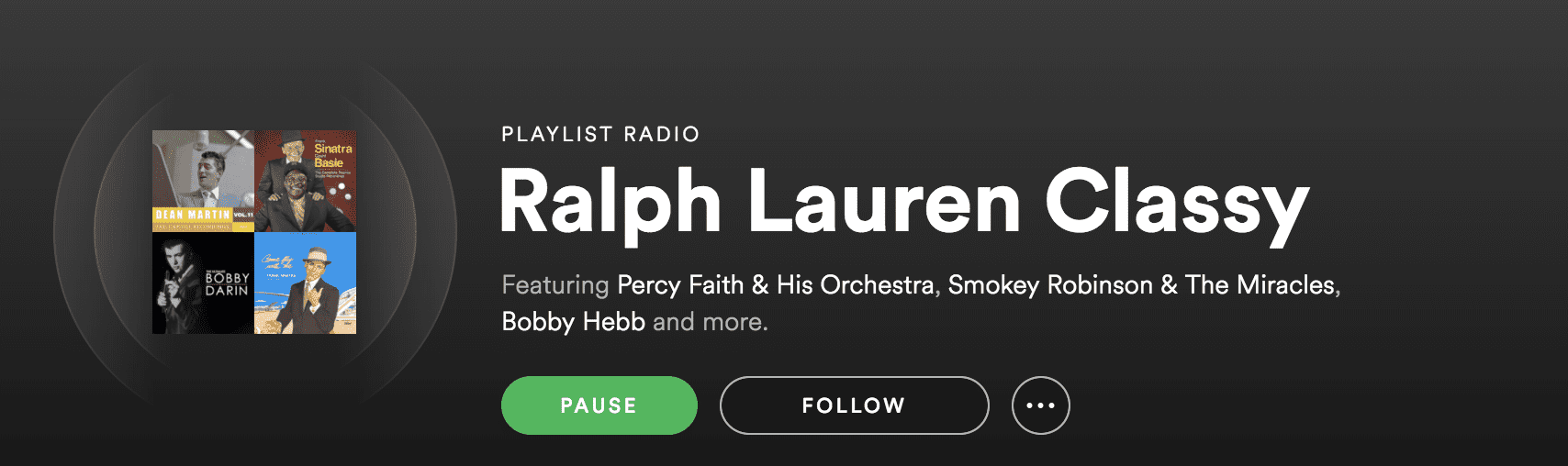
Screen Shot 2018-09-17 at 10.36.45 AM
One of dozens of user-generated playlists.

There’s a vibe when you walk into Ralph Lauren’s restaurant in downtown Chicago. The walls are mapped in gold framing, velvet, and vintage pictures of anyone who’s ever worn a tuxedo and evening gown well. But something sticks with you long after you leave, the restaurant’s music.

In a conversation with Lean Luxe founder Paul Munford, he had this to say about his effort to build his media brand through music playlists:

Keeps people engaged, keeps things interesting and fresh. Gives folks something cool to listen to each week under the LL banner. Keeps the brand top of mind in that way. It’s not a huge thing but is just another plot point for the brand that adds to the total sum, so to speak. Plus, it’s fun. I don’t think people are used to media or publications behaving this way. But that’s not to say the interest for publications to do more things like this isn’t there. You never know until you try.

Browse Spotify for your favorite retail brands and it’s possible that the brand will have some presence in the app, whether through an official brand playlist or – more commonly – as a fan-generated project. You’ll find “The Glossier Megamix”, “Ralph Lauren Classy”, “Lululemon Spring 2018”, and dozens of lists devoted to Victoria’s Secret. Spotify has a unique opportunity here. More and more brands are using playlists to shape their brand image. Music can provide a halo effect that helps to keep retailers at the top of consumer minds.


2PM Datos

Screen Shot 2018-09-17 at 11.14.42 AM
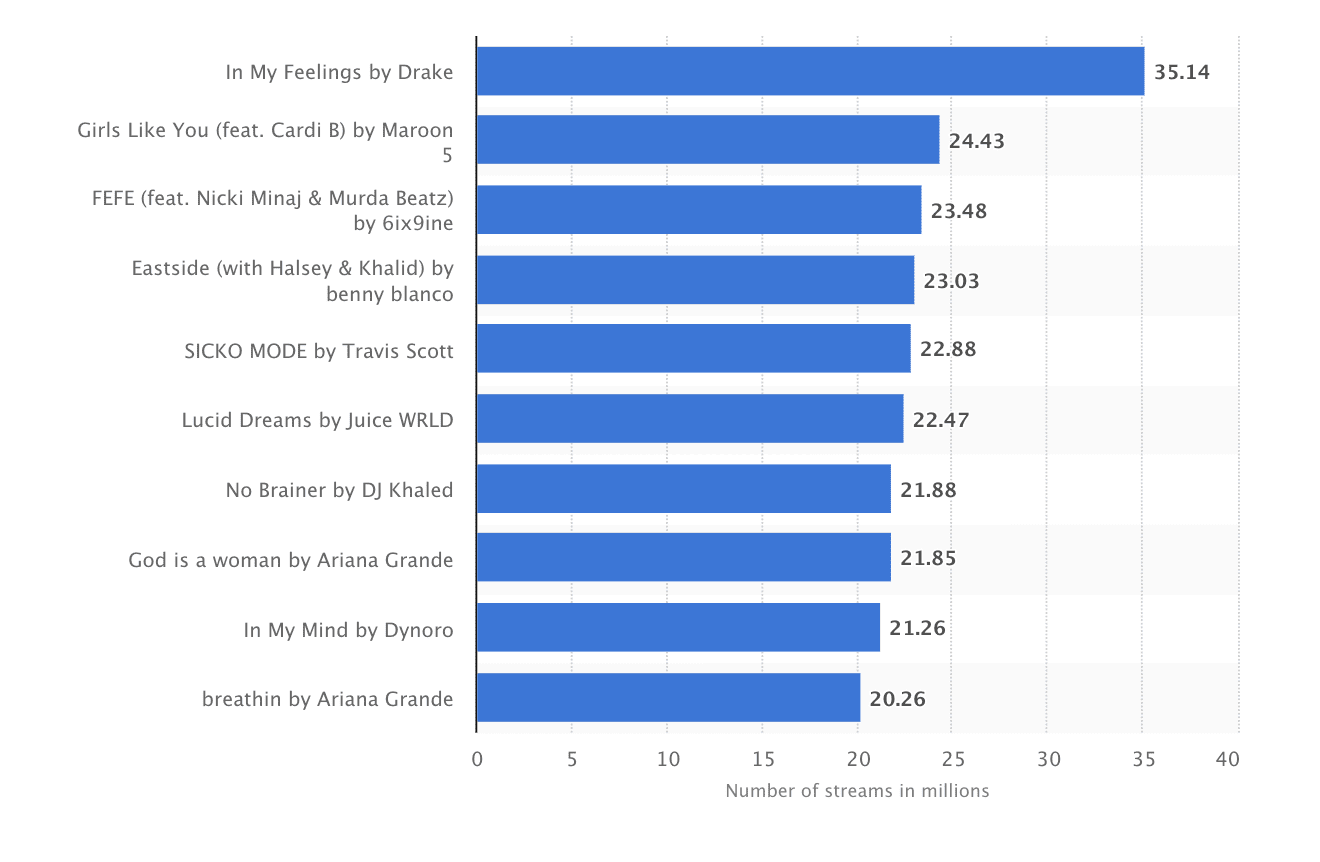
August 2018 on Spotify: “Lucid Dreams” and “In my Mind” bolstered by Spotify playlists
Screen Shot 2018-09-17 at 11.15.10 AM
Method for music discovery (United States: 2018)

Growing playlist spins through partnership

Given Spotify’s recent decision to secure exclusive podcast partnerships with two celebrities, it’s clear that partnerships are on the executive team’s whiteboard. But this isn’t just about performers and brand evangelists aligning with Spotify. Spotify takes pride in experimentation and, as such, the company is primed to take a page out of Apple Music’s original playbook. The streaming service could make great progress by emphasizing its partnership division.

By the time a song lands on Today’s Top Hits or other equally popular sets, Spotify has so relentlessly tested it that it almost can’t fail. “There are very few artists that get into the flagship playlists and then get kicked out,” Holmsten says. When “Call On Me” made that list, it was already destined to go viral—even though most people had still never heard it.

WIRED: on the power of Spotify’s playlists

Spotify has been somewhat of a kingmaker for independent artists and on-the-bubble pop stars. To amplify this effort, Spotify is overdue to take a page out of the direct-to-consumer marketing playbook. Here are the top proposed partnerships with physical “retailers.”

By attaching discovered music to positive, physical retail experiences, Spotify can amplify a key performance indicator (KPI): repeat listens of new and popular music. Here are a few ideas:

  • Orange Theory | OT has earned a network of over 1,400 locations and a loyal following of fitness enthusiasts and business travelers.
  • Core Yoga | This studio is known for its unique practice and a franchise network of over 160 locations.
  • Soho House | The famed members-only club has 50,000 members and a unique vibe in each of its 23 locations.
  • WeWork | Their offices manage 100,000+ members and over 10,000,000 sq. ft. of workspace.
  • Delta Airlines | known for its pre-flight track list, the premium airliner has the ability to set the mood and the wifi for the Spotify deep-dive to continue throughout the flight.

By generating playlist spins through these locations, Spotify can accomplish two things: (1) generate more revenue for artists and (2) convince artists to sign exclusive deals by way of guaranteed minimum spins per month based upon estimated engagement times at Spotify’s potential retail partners.

Apple Music is catching up to Spotify’s by building a competitive advantage into its hardware; the Cupertino company has grown despite glaring weaknesses in the app’s user experience. Spotify may not be able to ship hardware like its chief competitor but that doesn’t mean that it cannot partner with physical retailers. They can redefine their approach to hardware. Beyond their superior engineering, Spotify’s chief advantages could be their partnerships with retail spaces, up-and-coming musicians, and exclusive content offerings. Spotify has an opportunity to find an advantage where Apple has yet to look.  Spotify’s CEO says it best,

I think long term, we at Spotify have some defensible moats, but success for us will be determined by our ability to move faster than everyone else in the space. And just keep on innovating.

Read more of the issue here.

By Web Smith | About 2PM

No. 285: The End of Ownership

Ownership
Scene: the perfect vacation experience, fueled by rented products.

Go on vacation and you’ll undoubtedly encounter at least one couple who snaps photos of their perfectly manicured brunch experience. They took an Uber to get to the general area, asking the driver to play their favorite Spotify playlist for the 17 minute drive. Rather than walk the final .7 miles, they both grabbed Bird’s to the brunch spot. Hey, it was more scenic and memorable that way. The husband followed along so that he could snap the perfect candid shot of his wife’s Rent the Runway dress billowing in the wind. And when they finally arrived to their seats, he snapped another photo of her with their DSLR from Parachut. It was the picture perfect experience.

Let’s breakdown access vs. ownership: 

  1. Rather than drive their vehicle, they accessed an Uber.
  2. Rather than listen to their music, they accessed a Spotify playlist.
  3. Rather than walk .7 miles, they accessed a Bird scooter.
  4. Rather than own the dress, she rented it from the runway.
  5. Rather than buying the iPhone, the husband has access to one through AT&T.
  6. Rather than configuring his own DSLR, the wife sourced one through Parachut.

But the memory of this was very much their own. They owned that memory and it’s well documented in the place where America stores their moments: Instagram. A place that keeps what we really care about owning. Above all else, we care about owning great moments. The couple accessed rented goods to own an experience.


Issue No. 265: Can A DNVB Achieve Modern Luxury

Comprar experiencias en lugar de bienes de consumo es una tendencia que está adoptando el sector del lujo. La interpretación de la palabra lujo significa algo totalmente diferente para los tipos de clientes que tienen los medios y la conciencia para comprar con marcas DNVB. La última investigación de Skift muestra un claro cambio en la demanda de experiencias de viaje más transformadoras entre los viajeros de lujo(Skift / 2 de mayo de 2017). Mientras que los productos caros solían ser el deseo del consumidor, los productos, la comunidad y el servicio desempeñan ahora el papel de posibilitar la economía de la experiencia.


What’s the access economy? An economy driven by a business model where physical goods and services are traded on the basis of access rather than ownership: it refers to renting things temporarily rather than selling them permanently.

If you ask Joe Fernandez, CEO of Joymode, he’d tell you that a consumer revolution is coming. This belief is an increasingly popular sentiment held by founders and executives of the companies fueling the access economy. And there’s validity to it. Consider sector startups like: Rent the RunwayArmarium, Parachut, and For Days. These startups provide hard goods in exchange for a monthly subscription fee. For consumers, this shift isn’t just about personal economics or reducing the cost of ownership. It is a redefinition of what it means to “own” and whether or not permanent possession of a product is more valuable than access. Some would argue that access is ownership.

BMW is testing it’s new program called “Access” of all things. Here’s an excerpt by Andrew Hawkins of The Verge:

For $2,000 a month, users can choose between models like the X5 SUV, 4 Series, and 5 Series sedans, including all plug-in hybrid versions. For the higher-tier $3,700-a-month fee, they can get M4, M5, or M6 convertibles, as well as X5M and X6M SUVs, but it doesn’t include access to BMW’s highest-end 7 series. The fee includes insurance, maintenance, and roadside assistance, BMW says.

Consumerism is a part of America’s DNA, it’s what drives us. It powers our national economy, it fuels international trade, and it incentivizes entrepreneurial innovation. But even a casual observer can understand how the accumulation of goods, accelerated by eCommerce, can have detrimental effects. Consider this passage from a recent article in The Atlantic, “We Accumulate a Mountain of Things.” 

Thanks to a perfect storm of factors, Americans are amassing a lot of stuff. Before the advent of the internet, we had to set aside time to go browse the aisles of a physical store, which was only open a certain number of hours a day. Now, we can shop from anywhere, anytime—while we’re at work, or exercising, or even sleeping. We can tell Alexa we need new underwear, and in a few days, it will arrive on our doorstep. And because of the globalization of manufacturing, that underwear is cheaper than ever before—so cheap that we add it to our online shopping carts without a second thought. 

In many ways, Joymode is at the forefront of the movement to alter consumer behavior, with respect to the concept of ownership. At first glance, it’s easy to look at Joymode and reduce them to an events company, a place to go to have fun. But only at first glance. Upon further exploration of their offering, you’ll notice the featured products are everyday items. The platform rents everything from an Oculus Rift set to camping essentials. There is access to products for events and products for everyday life. It makes you wonder. If this is where things are going, how many products do we really need in our closets, cabinets, and basements?

Screen Shot 2018-09-04 at 12.30.52 PM
Essential products. Do we need to own them?

There is a massive backlash coming in the form of a cultural shift in how people consume. I love that we get to be a part of it. This weekend more than 15,000 products left the Joymode warehouse and it will all come back and go to different families next week. There are massive amounts of people fed up with the cycle of debt, clutter and waste.

Joe Fernandez, Cofounder and CEO of Joymode 

Fernandez, the former founder of Klout, is adamant about what he believes to be the future of ownership. He may have a tougher task ahead, when compared to companies like Rent the Runway. The barrier to entry in seeing value in paid access to clothing may be slightly lower than that of common household goods. But our analysis indicates that we will see more brands entering the rental service space. It’s no longer just about cost basis reduction.

There are numerous macroeconomic indicators that bolster Fernandez’s views: accelerating urbanization, increases in the housing rental community, millennial debt loads, the growth of streaming entertainment, and even how we travel. As a consumer, you will own fewer things. But those accessed items will be personalized to your specific needs.  People are beginning to redefine the need to buy because access is, in effect, ownership. It’s the community of like-minded consumers that they’re buying into. They’re paying for more than access to products. They’re paying for access to a collective who believes in an ideal. And that ideal could change retail, for better or worse.

By Web Smith | Edited by Meghan Terwilliger | About 2PM