Memo: H.E.N.R.Y. Revisited

jNNeOpvQ

Cada semana aparece un nuevo minorista en apuros. Es hora de plantearse hasta qué punto la economía minorista estadounidense se construyó sobre una clase de consumidores que nunca fue tan estática como se creyó: la clase media.

Muchas marcas minoristas, mercados y grandes almacenes heredados se encuentran en un callejón sin salida. Durante décadas, se dirigieron con éxito a un grupo de estadounidenses que ni subía ni bajaba de su posición económica. Cuando esa cohorte de consumidores se enfrentaba a pérdidas de empleo u otras incertidumbres financieras, los minoristas respondían ofreciendo promociones para atraerlos a sus tiendas. En la década anterior, esos esfuerzos promocionales no cejaron. Pocos ejecutivos del comercio minorista parecían tener en cuenta las tendencias sociológicas a más largo plazo que influyen en la clase social y la confianza de los consumidores.

Pensemos en las dificultades actuales de Ralph Lauren Corporation (RL). Según un informe de Credit Suisse, las ventas digitales del minorista crecieron sólo un 3% en el segundo trimestre de 2020. Esto se produjo en un contexto de crecimiento histórico del comercio minorista en línea. Las acciones cotizan actualmente cerca de mínimos de cinco años; gran parte puede atribuirse a su pobre estrategia promocional y a la falta de inversión en el negocio directo al consumidor. Según Retail Dive:

La marca también señaló en sus reuniones con Credit Suisse que planea tomarse la pandemia como un momento para pasar agresivamente de los clientes en línea de bajo valor y buscar clientes de mayor margen, un grupo demográfico que la empresa cree que será más complaciente con sus recientes aumentos de precios, la reducción de promociones y la selección de productos de gama más alta. [3]

Ralph Lauren y sus colegas, un producto de los años 80, asumieron que algunas cosas nunca cambiarían. Pero no fue así.

Del extremo sur a la costa norte

Como muchos niños de los 80, devoraba películas como The Breakfast Club, Sixteen Candles, Ferris Bueller's Day Off y Uncle Buck. Las películas eran idílicas. Desde las imágenes de prosperidad económica hasta la confianza de los personajes, todo me atraía. No fue hasta que fui adulto cuando me di cuenta de las implicaciones culturales que servían de telón de fondo a la obra de John Hughes: la propia ciudad fracturada.

El Sr. Hughes, cuyo padre era vendedor de tejados, utilizó estas comunidades para explorar cuestiones de clase, estatus y consumismo, así como la tensión y atracción entre suburbio y ciudad en la América de los 80. [1]

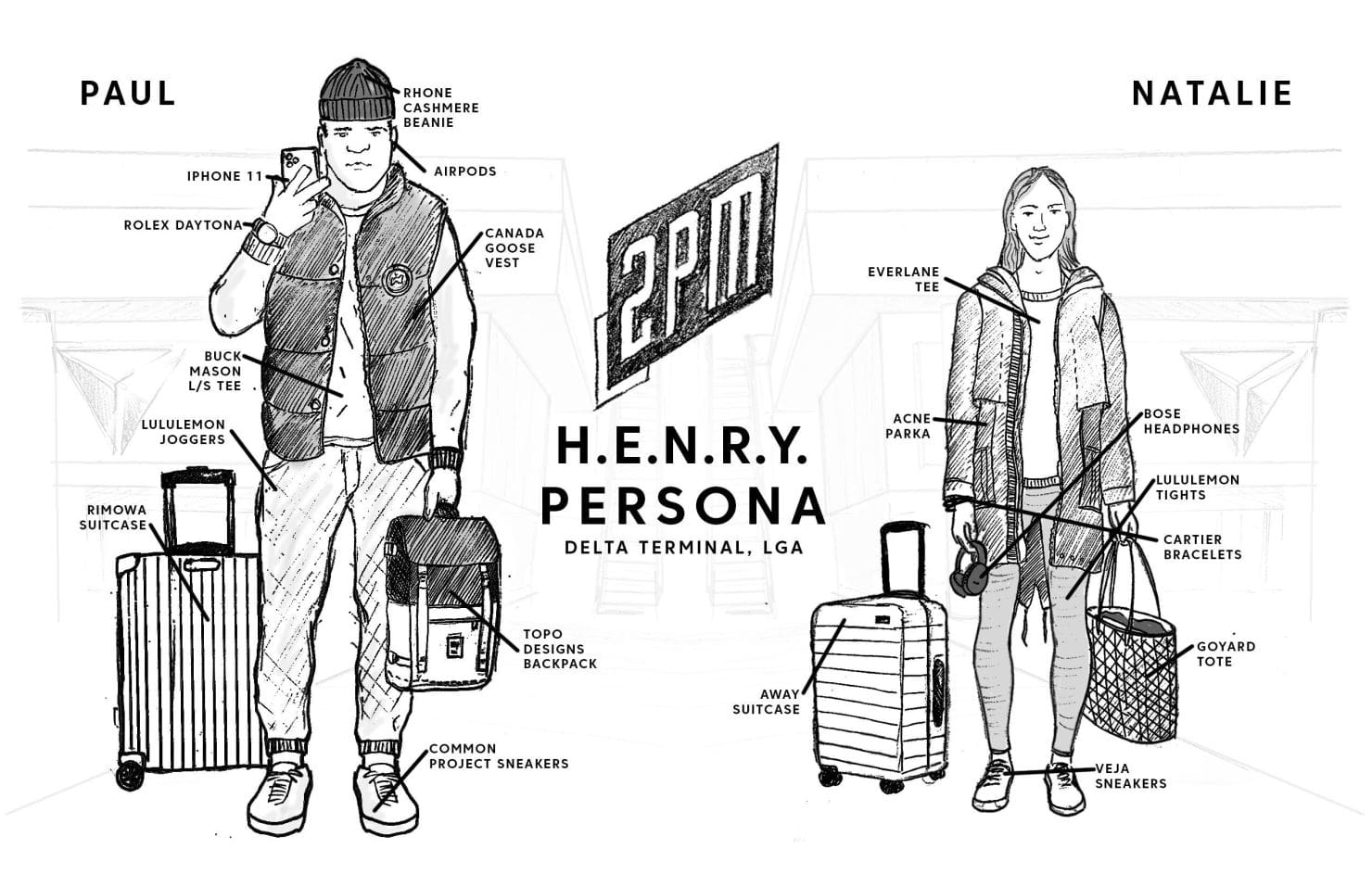
La base del informe Regarding HENRY de 2PM fue el libro de Lisa Birnbach de los años ochenta, The Official Preppy Handbook. Ese libro, junto con la obra de Hughes, proyectó una imagen de riqueza ascendente, facilidad y seguridad a toda una generación de consumidores.

El libro fue escrito para lo que entonces se llamaba Yuppies: una persona joven con un trabajo bien pagado y un estilo de vida a la moda. Publicado originalmente en octubre de 1980, el libro fue coescrito y editado por Lisa Birnbach e ilustrado por Oliver Williams. El manuscrito pasó a un segundo plano tras las ya icónicas ilustraciones, que sirvieron de guía a consumidores y marcas durante casi dos décadas. Era algo más que una estrella del norte para saber dónde ir a la escuela, o de fiesta los fines de semana, o a qué clubes sólo para socios había que apuntarse.[2PM, 2]

Al igual que en la obra de Hughes, la costa norte de Chicago está omnipresente en la sátira de Birnbach sobre la riqueza y la clase social en Estados Unidos. Mi fascinación juvenil por el Chicago de Hughes fue sustituida por otra más inquisitiva cuando empecé a visitar la ciudad entre los 20 y los 30 años.

Estados Unidos se está bifurcando social, política y económicamente. En estos escenarios, las masas se mueven hacia uno de los dos polos proverbiales. En muchas ciudades, no puede haber uno sin el otro. En Chicago, los polos son también literales. A lo largo de las décadas -con una atención cada vez menor a la consecución de una clase media estable- algunos recursos se desplazaron de la clase trabajadora hacia el crecimiento de la clase alta. La mayoría de los recursos se malgastaron en otros lugares, lo que agravó la desventaja de la clase trabajadora. En tan sólo 45 minutos en coche por el Gran Chicago, se pueden observar dos mundos distintos de atributos diametralmente opuestos: guerra frente a paz, lucha frente a facilidad, escasez frente a abundancia.

Esta parte de la región del Medio Oeste, a lo largo del lago Michigan, es un ejemplo vivo de la Doctrina del Flujo y la Unidad de los Opuestos de Heráclito[5]. Heráclito, filósofo griego que vivió alrededor del año 500 a.C., afirmaba que cada opuesto es inseparable. Los opuestos dependen el uno del otro; esta dependencia forma la identidad de cada opuesto. Si uno de los dos desaparece, también lo hará el otro, según el filósofo.

Imagina dos mundos opuestos separados por 25 millas y empezarás a entender las disparidades de Chicago. El diseño de la ciudad ha reforzado esta división. Hay barreras físicas, puentes que se pueden levantar y una tensión silenciosa entre los que tienen y los que no tienen. Desde hace poco, la tensión ha crecido más allá de lo silencioso y de las fronteras artificiales. Un ciudadano que vive en el extremo sur de la ciudad tiene un salario medio de 26.400 dólares, según un artículo de 2018 en The Atlantic. Sin embargo, una asombrosa cuarta parte de los ciudadanos de la ciudad ganan por encima de los 100.000 dólares. Según Redfin, el precio medio de la vivienda en la zona de North Shore de Winnetka es de 1,28 millones de dólares. Las tasas de desempleo respectivas de las zonas norte y sur son del 4,7% y el 16%, según el mismo informe. Uno no puede existir sin el otro; ambos lados aprietan el medio.

La última vez que visité Chicago, lo vi con mis propios ojos. En agosto, conduje desde el aeropuerto O'Hare hacia el bloque 100 de la calle 132 Este para visitar a la abuela de un viejo amigo. Me quedé en su casa unos 45 minutos, pero la impresión fue duradera. Todas las personas con las que me encontré deseaban la movilidad literal y figurada que muchos de los que lean esto darán por sentada. En la semana siguiente, seis vecinos de la zona morirían a menos de un kilómetro y medio del porche donde me senté. El barrio de Eden Garden de Chicago tiene una intensidad que no se comprende hasta que se está allí.

Me dirigí desde la calle 132 Este y a lo largo de la Ruta 41. Una carretera junto al lago me condujo desde el South Side de la ciudad hasta Evanston, una de las zonas más notables de la North Shore y sede de la Northwestern University. Este es el Chicago de John Hughes y Lisa Birnbach. La experiencia fue diametralmente opuesta a mis 45 minutos en otro lugar: paz, tranquilidad y abundancia. Me sentí lo suficientemente cómodo en ambos mundos como para poder evaluar su impacto en el otro.

En todas las ciudades se encuentran estas líneas de demarcación, aunque pocas son tan claras como las de Chicago. La pandemia ha acelerado la remodelación de los grupos definidos por estas líneas.

Por un lado, el trabajo a distancia es práctico y deseable. El acceso al capital permite ganancias a corto plazo en el mercado de valores. Las cuentas de ahorro y las bajas tasas de desempleo garantizan la continuación de la vida dentro de la nueva normalidad. Es como si este periodo de dificultades económicas no hubiera existido en absoluto.

En el South Side, el trabajo asalariado y los ingresos exigen una presencia física y una tolerancia al riesgo para la salud. Estos son los dignos trabajadores por hora que hacen que nuestra economía se mueva, aunque no reciben ningún reconocimiento por ello. Su acceso al capital es escaso o nulo; no pueden aprovecharse de las ganancias récord del mercado durante los máximos históricos del desempleo. Ni siquiera hay acceso WiFi capaz para muchos. Para estos ciudadanos, nada es igual que antes del cierre. Los asuntos encontraron la manera de involucionar aún más. Y para un subconjunto de ellos, las circunstancias imposiblemente duras han empeorado. El aprendizaje a distancia es obligatorio para las familias que no pueden trabajar desde casa o mantener la infraestructura necesaria para aprender a distancia.

Este es el telón de fondo. Los minoristas estadounidenses sufrieron porque no previeron la bifurcación de riqueza, acceso y humanidad que se les venía encima. Cuando se revisa una lista de quiebras y cierres, se observa que se inclinan hacia empresas que han construido estrategias en torno a una clase media perpetua. Pero en mi viaje por la Ruta 41, no había clase media que observar. Para que nuestra economía de consumo (que da empleo a casi 30 millones de estadounidenses) recupere su forma, las empresas minoristas tendrán que entender el mensaje central de "HENRY". La clase media nunca fue realmente estática.

HENRY revisitado

La denominación HENRY es la abreviatura de "high earners not rich yet" (personas con altos ingresos que aún no son ricas). El sistema de identificación por acrónimos se ha hecho popular entre los analistas, sin embargo, esta clasificación de consumidores ha sido ignorada en gran medida por las empresas minoristas.
af39Sn5T

Con siglas o sin ellas, la pandemia ha sido testigo de este fenómeno. El acceso a escapadas suburbanas, las ventajas del trabajo o la educación a distancia y el volumen de transacciones diarias fueron sólo algunos de los signos reveladores. En Nueva York y Brooklyn, los residentes huyeron a Nueva Inglaterra y los Hamptons. En el Medio Oeste, la península superior de Michigan fue un punto caliente para este grupo psicográfico. En la costa oeste, los alquileres en los suburbios de la zona de la bahía crecieron mientras los alquileres en la ciudad caían hasta un 15%.

Cuando Ralph Lauren Corporation cita una estrategia para modernizar su negocio mediante la creación de "perfiles de cliente inteligentes", es a la designación HENRY a la que se refiere la marca.

Los HENRY son avanzados, no necesariamente quienes han superado el listón de la riqueza para acceder a la élite estadounidense. De hecho, muchos trabajan para abandonar la clase media como si fuera una mancha en sus ambiciones personales. En este sentido, el término es más inclusivo que el apelativo yuppie de antaño. También es un síntoma de nuestra economía actual, en la que el coste de la vida puede empezar a erosionar las inversiones a largo plazo, como los bienes inmuebles, los fondos del mercado monetario u otras acciones.[2PM, 2]

Como escribió Heráclito, "la vida es flujo". La atención a la identificación temprana de los ascendentes es algo que se convertirá en habitual en el marketing y la creación de marcas. Mientras que las métricas de objetivos como el coste de adquisición del cliente (CAC) y el valor del ciclo de vida (LTV) dominan el comercio electrónico, yo diría que surgirá otra: la duración de la fidelidad (DOL). Las marcas identificarán pronto a determinados clientes y los seguirán a lo largo de su formación y su carrera, una estrategia que se practica habitualmente en el sector del automóvil.

A medida que las empresas minoristas como Ralph Lauren empiecen a dirigirse de forma inteligente a la clase media, los días de esfuerzos promocionales superficiales darán paso a la noción de flujo. Al dirigirse adecuadamente a estos clientes, la esperanza es que muchos se mantengan fieles a medida que ascienden a mayores ingresos discrecionales y mayor consumo.

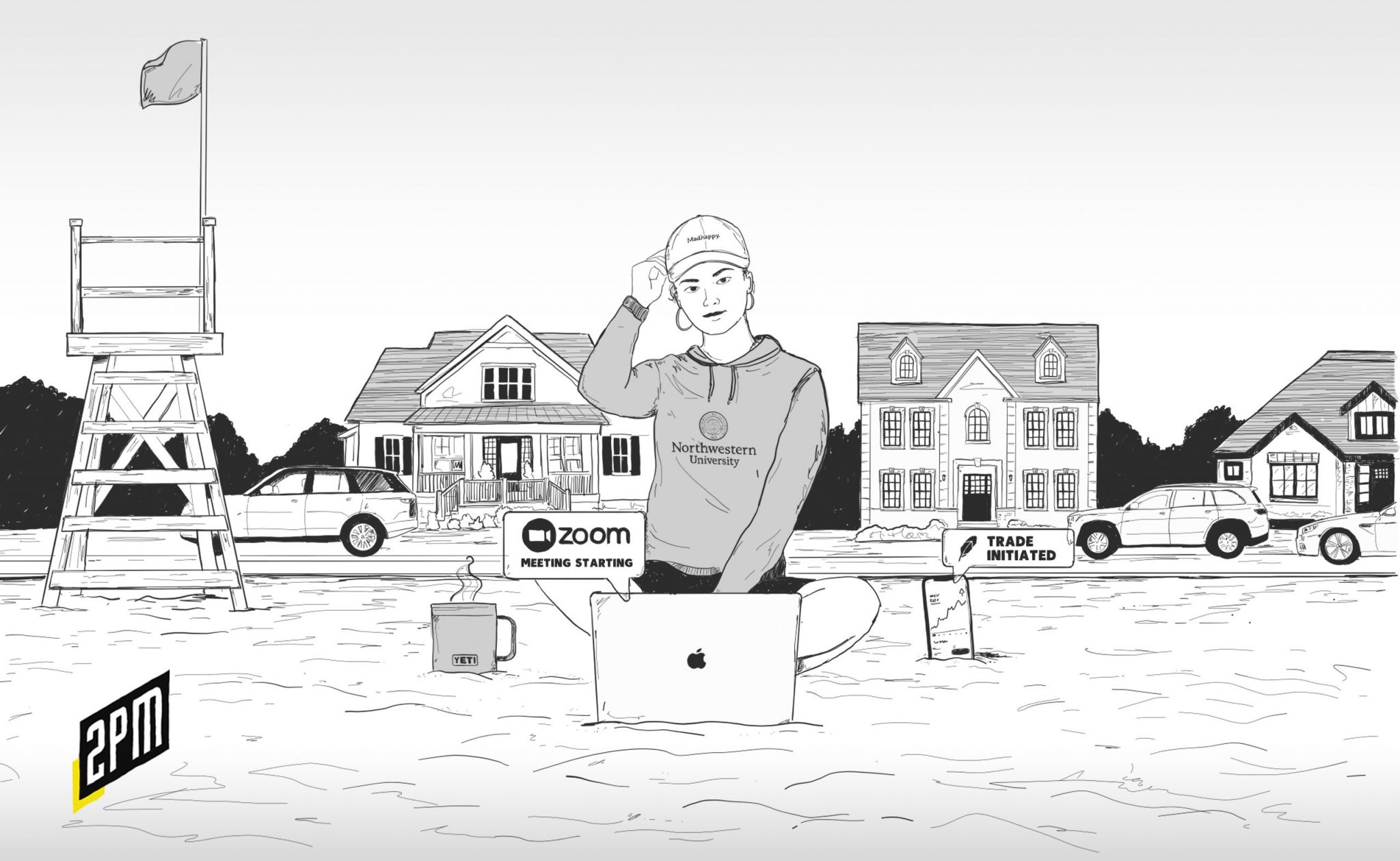
En Sanitized Urbanization, 2PM analizó la tendencia general de los urbanitas a trasladarse a zonas suburbanas. En todo Estados Unidos, las personas con movilidad ascendente buscaban la paz, la facilidad y la abundancia exurbanas. Algunos buscaban un traslado permanente. En teoría, estas zonas ofrecían un ritmo más tranquilo, aire más limpio y comercios locales que funcionaban. Eran cosas que antes se consideraban esenciales, hoy son lujos. En estas zonas, servicios como parques y playas proporcionaban una sensación de normalidad.

La urbanización saneada elimina los riesgos percibidos de vivir en zonas urbanas al tiempo que añade el valor de -lo que suele ser- infraestructuras mejoradas, mejores escuelas y bases impositivas más bajas. Es probable que se convierta en una cuestión politizada una vez que los municipios urbanos empiecen a sufrir toda la fuerza de la migración lejos de los centros urbanos.[2PM, 4]

Como muchos otros fenómenos, la pandemia aceleró las tendencias existentes: urbanización desinfectada, trabajo a distancia, venta al por menor en línea, fitness en casa y una dependencia cada vez menor de los vehículos personales. Para los profesionales que se sentían cómodos con esta economía cambiante, muchos de ellos lograron avances financieros a pesar de la vulnerabilidad de la economía. La vulnerabilidad nunca se ha distribuido por igual. Uno de los últimos bastiones de la movilidad económica son los más de 29 millones de empleos en el comercio minorista de Estados Unidos. Para proteger lo que queda de ellos, los minoristas deben empezar a ver el mercado de esta manera. Los estirados ejecutivos de la industria minorista parecen carecer de la capacidad y la previsión para hacerlo.

Esta cohorte de profesionales es una muestra representativa de raza, etnia y sexo, aunque muchos comparten rasgos similares en cuanto a calidad de la educación, carrera profesional y posición social. Este grupo psicográfico se convertirá en el estudio clave en los próximos cinco a diez años del desarrollo del marketing y la comunicación en el comercio minorista. HENRY está empezando a hacer honor a su nombre. Hay una nueva guardia de líderes creativos, capitalistas en solitario y ejecutivos ascendentes que lo demuestran.

Por Web Smith | Redacción: Hilary Milnes | Arte: Alex Remy | About 2PM

Informe original: Sobre H.E.N.R.Y.

Memo: On DTC Ideas Taking Shape

dCJh3uJI

Deep generalism is at the core of how 2PM curates and publishes. Deep generalists excel in multiple fields and are able to identify connections between them. They are capable of analysis and adept at information synthesis. A 2018 report by Harvard Business Review stated it best:

One view is that the key to creative breakthroughs is being able to combine or leverage different areas of expertise. After all, every innovation somehow recombines or reimagines things that already exist. Many studies have found that the best ideas emerge from combining insights from fields that don’t seem connected. [14]

There has been tremendous change over the past months. While some of these changes seemingly happened overnight, many were long in the making. With Monday letters, member briefs, and weekly reports written over four years: 2PM has prided itself on publishing forward-thinking analyses, principles, and ideas. These essays were synthesized from many of the same reports, articles, white papers, and features that are included in the thrice-weekly letters that have published nearly 600 times since the newsletter’s start. 

Since the beginning of 2020: eCommerce adoption has doubled, we’ve come to terms with our condition of over-retail, malls are shuttering, Hollywood has gone direct, DTC brands have found a second life, acquisition costs have fallen, total addressable market has grown, the American consumer has bifurcated, and The Law of Linear Commerce has become a prevailing strategy, and Generation Z’s tools of the trade have taken the spotlight.

Here are ten ideas that are now taking shape.

The Law of Linear Commerce 

Linear Commerce is the prioritization of audience. Product manufacturers typically seek to outsource demand generation. Brands, that are ahead of the curve, emphasize their audience’s depth and engagement. Likewise, digital media publishers that follow linear commerce principles prioritize organic and loyal audience growth over SEO or PPC-driven commodity clicks.


Nº 333: Alimentos52 y comercio lineal

The most viable companies across the digital ecosystem will share a common trait: established, organic audiences. Content and community are core to that outcome. For the well-executed linear commerce brands, retention rates will be high and CAC will be low. The road map is there for the brands looking for a sustainable advantage and improved optionality. Perhaps, the public and private markets will reward more of them. [1]

Nº 314: Sobre el comercio lineal

DTC linear commerce concepts are akin to those fabled pro shops at Augusta National. And for challenger brands looking toward sustainability, there is a lot to learn from these examples. Audience-driven businesses have figured out how to monetize their visitors by providing value that captures attention. The alternative is paying the audience to show up at your party – a cost that is rising by the year. [2]

The Bifurcation of the American Consumer

Per cápita, Estados Unidos tiene un exceso de comercio minorista; siempre ha sido así. Pero durante casi 60 años de expansión del comercio minorista suburbano, parecía que el sector nunca se contraería. Según Randal Konik, analista de Jefferies: "Hay unos 1.350 centros comerciales cerrados en Estados Unidos, pero sólo se necesitan entre 200 y 400". Pero mientras las tiendas cierran, se espera que las ventas crezcan un 3,5%, hasta 3,7 billones de dólares. Según informes de UBS, pueden hacer falta diez años para alcanzar el equilibrio (de 1.350 a 200). El banco de inversión prevé que en ese tiempo se cierren 75.000 tiendas más.

No. 327: The Gilded Age 2.0

More closures are to come. Of them: GAP and L Brands will accelerate closures, further diminishing middle class retail. Not only are we witnessing a polarization of American wealth at a dizzying pace, it is now reflecting in retail real estate. The institutions for the affluent have remained steady, in some cases contributing to a growing retail sector. The institutions for the economically-distressed are also doing quite well. Historically, off-price and luxury retail were at the periphery. If these trends continue, these two cohorts may become the collective majority. [3]

America and Over-retail

The original vision for the American mall was not the suburban dwelling that you recognize today. In Gruen’s opinion, today’s typical mall would promote social isolation rather than a community sensation that it was designed for. In fact, Gruen was a proponent of walkability. An Austrian by birth, he opposed America’s reliance on cars.

His designs would later be amended, however. Gone were the multifunctional social centers – an emblem of urban lifestyles and walkability. The shopping centers that resulted over a period between 1970 – 2000 were diametrically opposed to Gruen’s initial vision for them.

No. 319: Mall Retail and 1954

Shortly after this Supreme Court decision [Brown vs. Board of Education], Eisenhower enacted the “Accelerated Depreciation” (AD) program. This allowed the owners of commercial real estate developments to deduct building costs from their tax burdens. This new form of tax deduction enabled builders to extract wealth from their developments 10x faster than the year before. Thomas Hanchett’s “U.S. Tax Policy and the Shopping-Center Boom of the 1950’s and 1960’s” notes that there was one regional mall in 1953. No less than 25 were approved, immediately after this decision in 1954. America went from one mall to 25 in one year. [4]

Between 1955 and 1975, shopping mall development exploded. Though, development was no longer tied to demand. Many were built as extractable retail assets only to be flipped for massive profits. This meant that development was no longer tied to population growth.

For more: Ep. 008 with Derek Thompson of The Atlantic. In this episode, we discuss the future of cities and the changes to come.

HENRY is equipped to hold steady

Successful brands and services have accounted for consumer bifurcation by maintaining price integrity and adjusting their total addressable market (TAM) to reflect a growing HENRY cohort that is adding to the population of luxury consumers. Short for high earners, not rich yet, HENRY is a designator that will influence TAM for many luxury manufacturers.

2PM-Definition-HENRY

Member Brief: Regarding HENRY

The HENRYs are advancers, not necessarily those who have cleared the wealth bar to America’s elite class. In fact, many are working to leave the middle-class as if it’s a blemish on their personal ambitions. In this way, the term is more inclusive than the yuppie moniker of yesteryear. It’s also a symptom of our current economy, one where the cost of living can begin to erode long-term investments like real estate, money market funds, or other equities. Unlike the traditional middle-class, HENRYs have the inclination to believe that they are on the path to the liquidity. A liquidity and safety net that is necessary for investing in long-term assets. HENRY is a transitional cohort, not a class. A cohort that can no longer be ignored. [5]

Gen Z Arbitrage Steadies eCom Penetration

In America, Generation Z is awaiting the opportunity to buy with the frequency of Millennials and Generation X. The data suggests that their consumer activity will trump that of previous generations. While Millennials prefer DTC brands by a margin of just 4% over traditional retailers, Generation Z prefers these online-born brands to their legacy counterparts by over 40-45%.

No. 330: Gen Z Arbitrage

From time to time, there are technological and economic advantages that lift the brands that are prepared for the moment. For direct to consumer brands, a category of brands that Gen Z prefers over traditional retail, there is an opportunity to shorten the marketing funnel by appealing to a generation of consumers that have been written off by the incumbents in retail. Traditional brands are marketing to the parents of America’s youth rather than directly communicating to a demographic that could benefit them. The data suggests that as Apple Pay’s adoption rates continue to improve, Gen Z will become the primary consumers of the goods that have, so far, been marketed to Millennials and Gen X members. [6]

Live Streaming + Headless Commerce

Pioneered by Taobao and introduced to America through companies like ShopShops, live streaming is due to become the next great acquisition channel. It’s an amalgam of television’s push and social media’s pull. And though native platforms have risen to the challenge, it’s Instagram that stands to benefit. On the livestream-friendly platform, media companies and brands are due to to test influencer and media partnerships before committing to cross-border commerce. A growth tactic that helped MVMT grow to nearly $100 million + in annual revenue.  Thus far, Instagram is the only platform with the capacity and the architecture for experimentation.

Member Brief: Headless Commerce

By reconsidering their commerce architecture, brands can manufacture experiences that meet the sociological as well as the consumer needs of the consumer. Headless commerce emphasizes community and it enables creators and brands to build a service funnel. This evolution of online retail gives brands control over their consumer experience, allowing depth of identity and relationship. By allowing creators to build end-to-end solutions, headless commerce may change the definition of customer acquisition altogether. This means more predictability and sustainable growth for media creators or brands willing to take the chance on owning their commerce outcomes. [7]

Nº 304: Audiencias In-App

Gaming platforms like Epic Games‘ Fortnite and PUBG have captivated audiences while storing their payment methods for ease of purchase. And services like Netflix and Spotify are learning that they can do the same. The monetization of audiences through innovative, exclusive partnerships will continue to build a foundation for how media companies address a metaverse-driven economy. By reclassifying app downloads as the beginning of a sales funnel (rather than its end), digital content communities can reframe the value of their content. [8]

New Zones

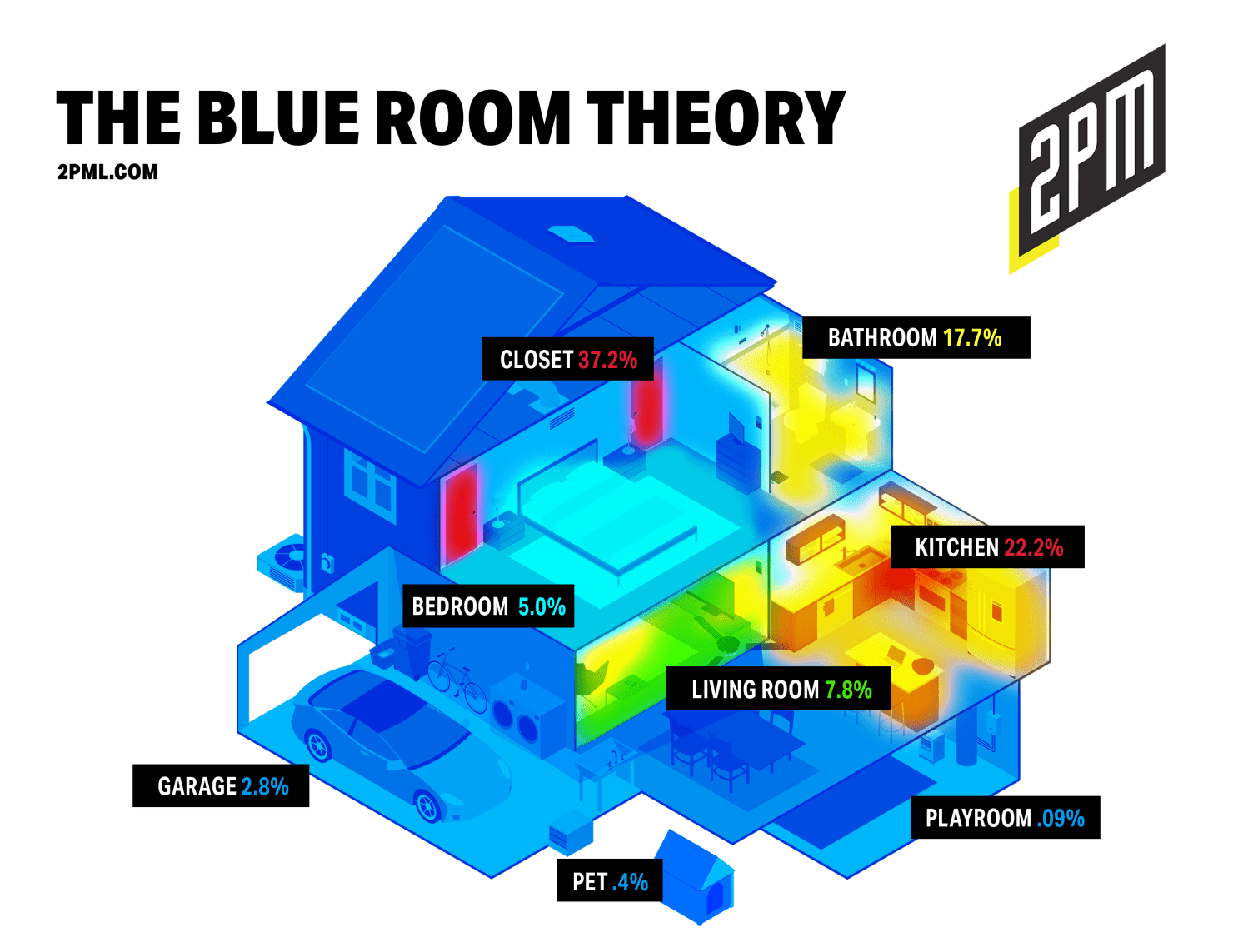
The Blue Room Theory serves as a more useful interpretation of DTC brand density. It identifies opportunity zones throughout the home rather than by category. As (1) millennial home ownership continues to rise and (2) as DTC brands grow in preference vs. traditional counterparts and (3) as HENRY-esque [4] millennials begin to leave major urban centers for second-tier metropolitan areas: each 1,800+ square foot home represents a new canvas . Of the 729 growing, private companies that we studied, the vast majority were concentrated in three areas of the home: the closet, the kitchen, and the bathroom.

2PM-Blue-Room-Theory- (3)

Member Brief: The Blue Room Theory

The Blue Room Theory is a new framework for product launch, early traction, and hyper-growth in consumer retail. It relies on a basic understanding of Red Ocean vs. Blue Ocean strategies. It’s here that Jen Rubio and Steph Korey made a wonderful key decision, very early on. Rather than view their product through the lens of category, they positioned specific real estate as the constraint. Away didn’t market their products in the context of storage capacity or durable plastics. Rather, they focused on owning a domain: the airport. [9]

Modern Luxury Holds Steady

With eCommerce at less than 11% of all retail sales in America, eCommerce continues to skew towards wealthier American. Until that domestic eCommerce figure grows, online retail’s adoption will continue to benefit the brands, services, and platforms appeal to the upper-middle class and beyond. This is reflected heavily by the growth of companies like Peloton, Equinox, SoulCycle, and the boom of meditation-based hardware. Additionally, the gig economy continues to thrive. Last mile workers have taken the form of a servant class, serving the upper-class. Time is the ultimate luxury, you know.

Member Brief: The Modern Luxury Thesis

The DTC retailers with the most promise to grow throughout this period of economic uncertainty can be broken down into two distinct groups: (1) off-price retail and (2) modern luxury. These two groups can operate independently of a dwindling middle class. Both nos. 1 and 2 are less likely to spend disproportionately on customer acquisition as the consumers in each of the respective wealth class tend to be more receptive as consumers. While CAC continues to rise on platforms like Facebook, this can be disproportionately attributed to increased competition for the attention of the a dwindling middle-class consumer cohort. [10]

Streaming and Bundles

The next twelve months will be pivotal in determining the viability of each of more than a dozen SVOD brands but one thing is apparent, streaming services are drilling down on their strengths. For Walt Disney Corporation, this means the ownership and operation of valuable intellectual property. For Netflix, Showtime, HBO, and others: this means adopting other mediums to amplify top funnel awareness.

Nº 325: Consolidación y Cable 2.0

Streaming services will be bundled. It’s likely that we’re near the point of OTT carriers marketing the opportunity for consumers to purchase pre-negotiated, economically-friendly bundles of streaming services packaged. With no-login, one collective price, and less of a fear of missing out – the past has become the present. Disney’s streaming offering may be the sole victor here; their value and reach may outlast a shift back consolidation. For all others, the fracturing market of streaming video on demand (SVOD) has begun to cannibalize the direct to consumer opportunity that was the initial appeal. [11]

The DTC-fication of Hollywood

Disney will be able to command a fee that is more lucrative than traditional day and date releases and at margins far greater than their streaming competitors (Netflix), marketplace vendors (Apple’s iTunes) or cinema competitors (AMC Theaters). Before Walt Disney Studios’ 100th anniversary, you will be able to rent a blockbuster premiere through your Disney app. With respect to the overturning of the Paramount Decrees of 1948, this is Walt Disney’s end game.

Member Brief: The Netflix Report

Direct-to-consumer strategies have been influential across physical product industry over the last decade. Hastings seems to be applying this DTC strategy to streaming media. It’s clear that the Netflix team understands that they must play in the traditional space to eventually overtake tradition. [12]

Informe para miembros: Disney+ y la defensa de la competencia

Whether or not DOJ’s ruling on the 1948 Paramount Decrees is overturned, Disney has found a way forward. When Disney+ achieves its desired scale, it will redefine how consumers interact with blockbuster, box office films. Either you’ll watch it in the theaters that you always have. Or you’ll view them in the comfort of your own home – on the day of the film’s premiere. When that time comes, Disney+ will offer their blockbuster debuts for a premium price. And consumers will pay up. The data proves as much. Disney’s intellectual property is responsible for nine of the top ten highest grossing films over the trailing twelve months, a pace that is sure to continue. And to think, it all began with a negotiation over distribution rights with Paramount. [13]

There is an incredible trove of data and insights throughout the 2PM family of categories: weekly reports, member briefs, daily data, and more. But the core of 2PM is the thrice-weekly letters available to Executive Members. The collection of stories, insights, and short analyses provide a window into the why’s, when’s, and how’s of shifts throughout a number of industries that impact one another. If that interests you, you can join at the top of the site. 2PM readers can anticipate the curve; our Executive Members are ahead of it.

Por Web Smith | About 2PM