备忘录快、更快、最快的时尚

快:H&M。更快Zara。最快Shein。这一进步改变了消费主义,加速了纺织品的生产,同时也损害了经济。Zara 打乱了 H&M 的阵脚,随后,Shein 又将两者赶下台。现在,H&M 开始进攻,试图重新夺回曾经的优势。

我们的希望是,重新挽回数以百万计被 Zara 和 Shein 抛弃的消费者。这一切都取决于两个相互竞争的理念:经济和环境影响。

快速时尚和运动休闲是有后果的;塑料制品并不是可以肆无忌惮地穿戴和丢弃的。

关于未来时尚的讨论充满了矛盾:年轻一代的购物者说他们想要保护环境。将这一理想与他们实际购买的商品相比较,你会发现他们 "拯救地球 "的集体理念中存在着裂痕。Z 世代通常被称为最具可持续发展意识和环保意识的消费群体。他们还推动了历史上最大的快速时尚公司 Shein 的崛起。相比之下,Zara 和 H&M 只是小零售商。哈佛商学院 2021 年的一份案例研究解释了 Zara 的母公司 Inditex 如何围绕供应链效率进行创新,以更快的速度生产出更符合潮流的产品。

Zara 是集团历史最悠久、规模最大的品牌,在 2018 年的销售额中约占 69%,即 180 亿欧元。Zara 成功的核心是基于反应迅速的供应链和快速商品周转的创新商业模式。Zara 在不到三周的时间内设计、生产并向商店交付新商品,从而能够不断更新产品系列,适应不断变化的顾客口味。

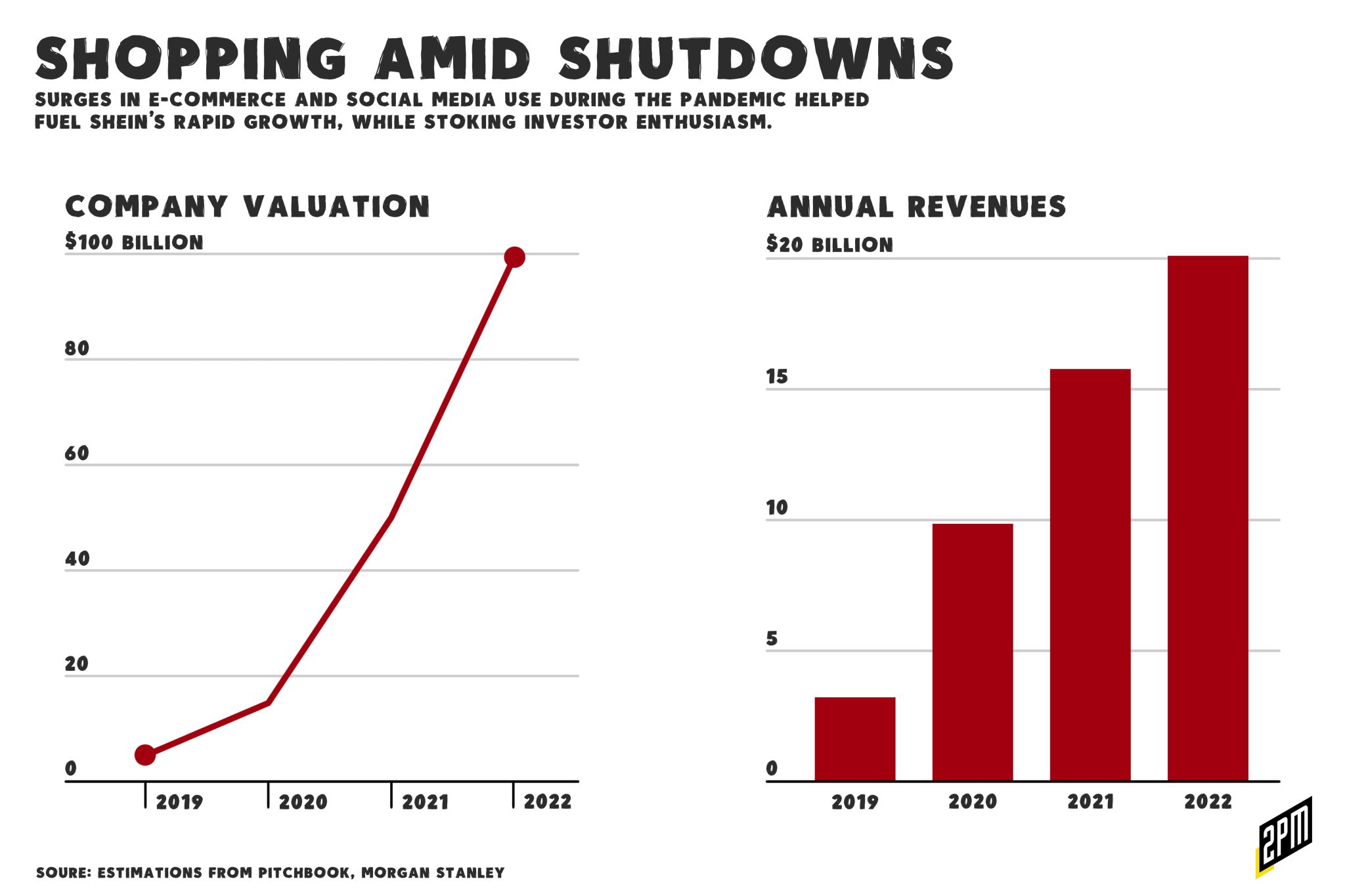
就在撰写本案例的两年后,Zara 现在又开始关注一个婴儿品牌:Shein 是打了类固醇的 Zara。Z 世代非常喜欢它。Shein已成为TikTok上的宠儿,用户们在那里分享从该品牌淘来的15美元连衣裙、10美元短裤和5美元上衣。这些衣服既便宜又时髦,专为一次性穿着而设计,在社交媒体上发布后就会被丢弃。这个概念并不新鲜,但在可持续发展的趋势下,它应该会过时。相反,这个想法却更有力量。

谢因的规模难以把握。该公司的运作比大多数公司都要隐秘,但显而易见的是,我们比以往任何时候都更清楚后果的严重性。快速时尚和运动休闲有非常明显的负面影响;塑料制品并不是用来随意穿戴和丢弃的。财富》杂志于5月31日撰文对Shein进行了深度报道,对其进行了叙述:

对全球投资者来说,倡导环境、社会和治理(ESG)方面的高标准越来越时髦,他们也同样为之倾倒。他们将 Shein 的估值抬高到 1000 亿美元,使其成为全球第三大最有价值的初创企业,仅次于字节跳动、TikTok 的中国母公司和埃隆-马斯克的 SpaceX。据彭博社报道,Shein 现在的价值超过了 H&M 和 Zara 母公司 Inditex 的总和。

尽管Shein创新的商业模式可能会降低消费者的价格,但观察家们抱怨说,Shein是在廉价劳动力、山寨商品和人工智能设计软件的支持下建立起自己的服装帝国的,这些软件鼓励消费者以对地球有害的速度抛弃旧服装。这些抱怨,再加上最近电子商务的放缓,使得该公司能否继续保持主导地位还很难说。

用《财富》杂志的话来说"Shein对环境的影响最终将导致其灭亡 "的说法充其量只是错误的。为什么?快速时尚的目标市场存在认知偏差。人们能在为 Instagram 购买 13 美元裙子的同时拯救地球吗?迄今为止,快时尚公司只是在被更快的公司取代后才失去了主导地位,这些公司能以更低的价格重复流行趋势。至于 Shein 的恶行是被顾客遗忘,还是被故意忽略,最终并不重要。因为价格实惠而被服装吸引的顾客,通常不会停下来问一件衣服为什么这么便宜。重要的是,底线证据表明,面对廉价的选择,年轻消费者会选择快速时尚。

Shein 的崛起是多种因素共同作用的结果。社交媒体加速了时尚的潮流周期。可持续时装价格昂贵,而消费主义浪潮的变化也让许多人认为时装不是一种投资,至少在潮流方面不是。在鼓励企业更加注重可持续发展的问题上,消费者经常被认为有责任 "用他们的钱投票",但这从来都不是完全正确的。顾客会购买容易买得起的东西,尤其是在他们年轻的时候。

Shein 本身就是一个黑盒子。关于它如何采购和生产服装的信息很少公开,但数字和价格标签却不言而喻。该公司已经开始公开其在可持续发展方面所做的努力。Vogue 将此称为 "洗绿":

每周都有令人震惊的 1500 万件服装从全球北方国家运抵坎塔曼托市场,使当地的纺织业遭受重创。

该公司聘请了一位全球环境、社会和治理主管,最近还宣布成立一个 5000 万美元的基金,用于抵消对环境的影响和处理废物问题。这不过是杯水车薪的 5000 万美元,对 Shein 在 TikTok、Snapchat、Instagram 和卡戴珊的忠实拥护者市场上所造成的影响来说,几乎是杯水车薪。本周,Shein 因与 OR 基金会合作而备受赞誉,该基金会将在三年内捐赠 1500 万美元,用于在加纳阿克拉解决服装浪费问题,那里是许多废弃服装的最终归宿。

这不过是在转移人们对垃圾填埋场的现实影响的注意力。Shein抨击浪费并捐献资金以引起人们对这一事业的关注可能会被认为是不真诚的。幸运的是,H&M 也在做类似的事情,它与 Lululemon 一起为接替Aii 的新组织捐款 2.5 亿美元:

"他说:"我们试图证明的是,这是所有气候工作的重心,从纺织品交易所到时尚公益组织,再到其他许多致力于降低碳排放、提出解决方案并将其付诸试点的组织,都是这一工作的受益者。"这是一个集体的'我们'。这不是把钱交给 Aii,也不会用于其他气候工作。这是在创建一个中央集合基金,让我们都能开始考虑一个更综合的方法,而不是分散的项目工作,彼此不交流,重复工作。

要解决时尚界的 Shein 问题,靠的不是捐款、公共关系或承认错误。更有效的解决办法是在社交媒体上掀起一股远离快速时尚、追求可持续发展的潮流。但是,不能依靠 Z 世代的顾客来解决这个问题。随着新潮流的出现和 TikTok 的传播,让所有人都能效仿,现在是时候接受这样的事实:任何好心的顾客都无法阻止数百万人所希望的零售机器。

由 2PM 团队提供

第 274 期商品已成为时尚

脸书广告文案 4
Cofounders of Everybody.World

The word merch is synonymous with throwaway. Or at least it used to be. In 2PM’s leading story, Quartzy discusses the changing demographics that have influenced the types of products that luxury brands sell. Gone are the days when famed fashion houses like Gucci focus solely on traditional luxury fashion. Today, their products reflect an affinity for sweat pants, tennis shoes, and modern t-shirt patterns.

This has trickled on down to the merchandise industry. Younger millennials and Gen Z’ers wear merch as a fashion statement and luxury has adopted this burgeoning trend. For merch providers, this means that the American Apparel / LA Apparel aesthetic has given way to something new patterns, styles, and definitions of inclusivity.

2PM recently took a deep dive into the types of merchandising campaigns that are moving the concept of merch away from throwaway and towards luxury. In this archived brief, we explored everything from platforms used to preferred t-shirt patterns and blanks.

Member Brief No. 11: Mega Merch 101

Social media and the normalization of digitally vertical native brands have enabled artists and influencers to create online retail brands as a primary source of revenue. In this report, we will break down best practices – including some insights from our editor’s work with a certain Youtube creator.

Bain Capital released a 2017 report on global luxury that emphasized this shift driven by millennial consumers. Here is an important excerpt:


The Millennial State of Mind: Success in the next decade requires brands to refocus on their customers to better anticipate and cater to their needs. The younger generation will be key as millennials and Gen Z will represent 45 percent of the global personal luxury goods market by 2025. Still, when analysing behaviours, it is more correct to talk about a “millennial state of mind,” which is increasingly permeating across all generations and is thus more a psychographic phenomenon rather than a purely demographic one.

Read the rest here.


To summarize Bain Capital, the Gen Z interpretation of luxury fashion has permeated throughout the entire industry. This has affected consumer industry across footwear, accessories, and apparel. There are merch providers that are well-positioned here.

Business of Fashion’s wrote a recent feature on the two founders of Everybody.World. The write up did a masterful job of explaining how one merch provider built a direct-to-consumer brand that fueled their high growth wholesale business. By working with a curated selection that represents the zeitgeist. This includes: style contributors, graphic designers, a well-designed basics line, and the one staple that has become the go-to for festival merchandisers.

Quality, too, has become increasingly important as concert merch has evolved from souvenir to fashion statement, underscored by merch-like pieces released by luxury brands including Gucci, Balenciaga and Vetements. “The demand is absolutely higher than when I started doing this six years ago,” said Allen, who sourced roughly 70,000 pieces of merch for 2018’s Coachella Valley Music and Arts Festival. “And the expectations for the product itself are definitely higher.”

That’s why, this year, Allen looked beyond the typical “blank” T-shirt companies — think Gildan, Bella Canvas and Hanes — to boost Coachella’s offering.

Read more here (unlocked)

Cofounders Iris Alonzo and Carolina Crespo have done an extraordinary job of positioning the Everybody.World brand by building a strong direct-to-consumer business. Something that LA Apparel head Dov Charney is having problems with, this second time around. Due to the successes that they’ve had with wholesaling their famed ‘trash tee’ for $2.90/unit, wholesale traction has allowed the two founders to grow a substantial, higher-margin, direct-to-consumer business. Their main vehicle has been zeitgeist-driven basis and unexpected collaborations with contributors (even Virgil Abloh is listed on the site).

In Q2, merchandise drops have grown to become a major part of the creator narrative. Beyonce’s Coachella performance and her subsequent eCommerce drop was studied in Member Brief No. 11. And above, you’ll see high profile merchandise drops to include: Kanye West, Kid Cudi, and Nas.

As creators continue to emphasize merchandising as an extension of their art (and business), it’s imperative for providers to observe the shifts in the meaning of luxury and how Gen Z consumers have begun to shape the merchandise-turn-fashion industry. For the time being, tees are no longer a dress-down device. And it’s not just about what’s on the shirt, these days. Patterns and fit matter more than ever.

Blanks are no longer viewed as commodity products to a growing segment of American buyers. In fact, the industry is supplying a key component of Gen Z’s fashion identity. There are several providers that are well positioned to grow with the youngest of American consumers.

点击此处阅读更多相关内容。

By Web Smith |About 2PM

Editor’s note: the next 2PM database (releasing 6/21) will include the most notable of merchandising providers to include Pittsburgh, Pennsylvania’s “Blank” run by Michelle Sharp. This will be a growing database. Join the executive membership for access. 

第 272 号A 级 "前进之路

tierapathforward.jpg

The worst thing to happen to the American mall is the boom of online-first modern luxury companies. And it’s also the best thing to happen to the American mall.

There are 1,100+ malls in America and approximately 320 are graded Tier A. We have an oversupply of malls but that does not mean that traditional, anchored shopping centers no longer have a place in consumerism. We’d argue that Tier A malls have yet to see their best years. We expect their footfall traffic KPIs to grow, while B and C tiered malls continue their trends toward repurposed real estate and other methods to maintain footfall traffic KPIs (mall opportunity, sales opportunity, and store performance).

Suzanne Mulvee, director of research at CoStar, cites that “lower-quality malls in markets with smaller populations and lower incomes will continue to close” —a trend that persists today. And here’s a data based position:

Green Street Advisors, a research firm, forecast a 6.0 percent drop in market revenue per available foot (RevPaF) for class-B and -C malls from 2018 to 2022, versus a 0.5 percent increase for class-A malls during the same period. 

Private market values of class-B and -C malls have also dropped the most since January 2017, according to Green Street, plunging 27.0 percent and 25.0 percent, respectively, year-over-year. Meanwhile, the values of class-A malls declined by 14.0 percent year-over-year.

National Real Estate Investor

So what does this mean for digitally vertical native brands (DNVB), old and new? In short, online-first brands should be positioning their product offering for inclusion in Tier A malls. First, let’s look at the established. A retail presence for DNVBs varies, as such:

  • Harry’s has a prominent position in J. Crew shops (Tier A)
  • Shinola has marquee positioning as stand alone stores (Tier A)
  • Mizzen + Main has prominent position at Nordstrom (Tier A)
  • Bevel has showroom real estate at Macys (Tier A / B)
  • Warby Parker has great stand alone stores (Tier A)
  • Greats has marquee positioning at Nordstrom (Tier A)
  • Ministry of Supply has great stand alone stores in Tier A areas
  • Homage has great stand alone stores (Tier A)
  • Bonobos has stand alone stores and Nordstrom positioning (Tier A)
  • MeUndies has positioning at Nordstrom (Tier A)
  • Goop is opening sponsored pop ups (Tier A)

There are very few presences in Tier B malls and virtually no DNVB presence in Tier C malls. These brands have done a wonderful job positioning themselves as modern luxury companies. They’ve been incubated online for five to ten years and they’ve become prominent enough to live as lifestyle brands in traditional retail spaces. It’s a forgone conclusion that omni-channel operations should be a focus for DNVBs; retail real estate analysis is a skill that is becoming more and more important. And DNVB’s are well-positioned to benefit from the Tier A adoption of the online brands. Recall this quote from Issue No. 265:


2PM’s Meghan Terwilliger had this to say:

Luxury, however you define it, is a brand’s embodiment of characteristics that make it desirable. Historically, those characteristics have been more ‘What’ features like quality, exclusivity, and cost. You can still define luxury as characteristics that make a brand desirable, but those characteristics have shifted. Quality is table stakes.

The characteristics that make brands more desirable are ‘how’ features like excellent customer experience (how do I experience the brand), meaningful brand mission (how do they give back/make a difference), and community engagement. Is it artist-created and excessively expensive? Maybe not. But if it is a product, or even an entire experience that is highly desirable, it can be considered a luxurious brand. DNVBs just so happen to possess a great infrastructure to support the characteristics that define modern luxury.


There are DNVBs that are launching daily. It is important that these brands understand that online retail mechanics has its limits. For these brands to expand into $30 million or more in annual revenue, omni-channel strategy can provide longterm growth. Additionally, this can reinvigorate top funnel sales through online channels.

Here are the top five suggestions for DNVBs launching today:

  • Master the first product. Bonobos began with pants, Mizzen + Main with a single white dress shirt, and Bevel with one blade.
  • Develop a strong sense of product ambassadorship. Mizzen + Main targets millennials, but the most capable buyers are between the age of 34-45. Developing a sense of loyalty with them can pay dividends. For their peers that don’t shop online, they’ll become a top funnel driver of them to your brick and mortar locations.
  • Avoid discount promotion, even at the beginning. Price stability over time is crucial. The moment that a brand is seen as a discounter, the Tier A mall demographic loses interest (with few exceptions).
  • Emphasize advertising to Tier A mall consumers. When DNVB’s grow online, they need to focus on the customers that possess the greatest LTV (lifetime value) potential. This correlates with Tier A mall shoppers.
  • Establish relationships with non-competitive retailers. It can be a powerful signal of longterm viability when existing brands co-sign your early product. This is most often seen by way of product collaborations, cross-promotion, or merchandising your products in their flagship stores.

Retailers that appeal to…the upper class are thriving. One look at Houston’s Galleria, Columbus’ Easton Town Center, or Miami’s Bal Harbour Shops will confirm as such. This is the future that many in retail are planning for. So no, retail is not dead. But retail is leaving the middle class behind because, frankly, so are we.

2PM Member Brief No. 5

In the first sentence, I wrote that online retail is the best and worst thing to happen to malls. In many ways, this is true. The shuttering of weaker retailers and shopping centers is long overdue. Experts attribute this trend to the emergence of online retail brands (and the excessive private equity debt that these retailers accrued to compete with them).

We have more retail real estate than any developed country on earth. Malls are not dying, the bad ones are. While eCommerce efficiency is appealing to digital marketers, the brick and mortar channel is golden for brand operatives who are establishing their brands as modern luxury products. Marketing is arithmetic, whereas brand-building is more of a subjective art. If you were to ask the chief executives at each of the aforementioned brands, they would point to their brick and mortar successes as great milestones. There will be fewer malls in the coming the years, but an early bet on the ones that remain will position young DNVBs for omni-channel success.

Read the rest of the issue.

By Web Smith and Meghan Terwilliger | About 2PM