
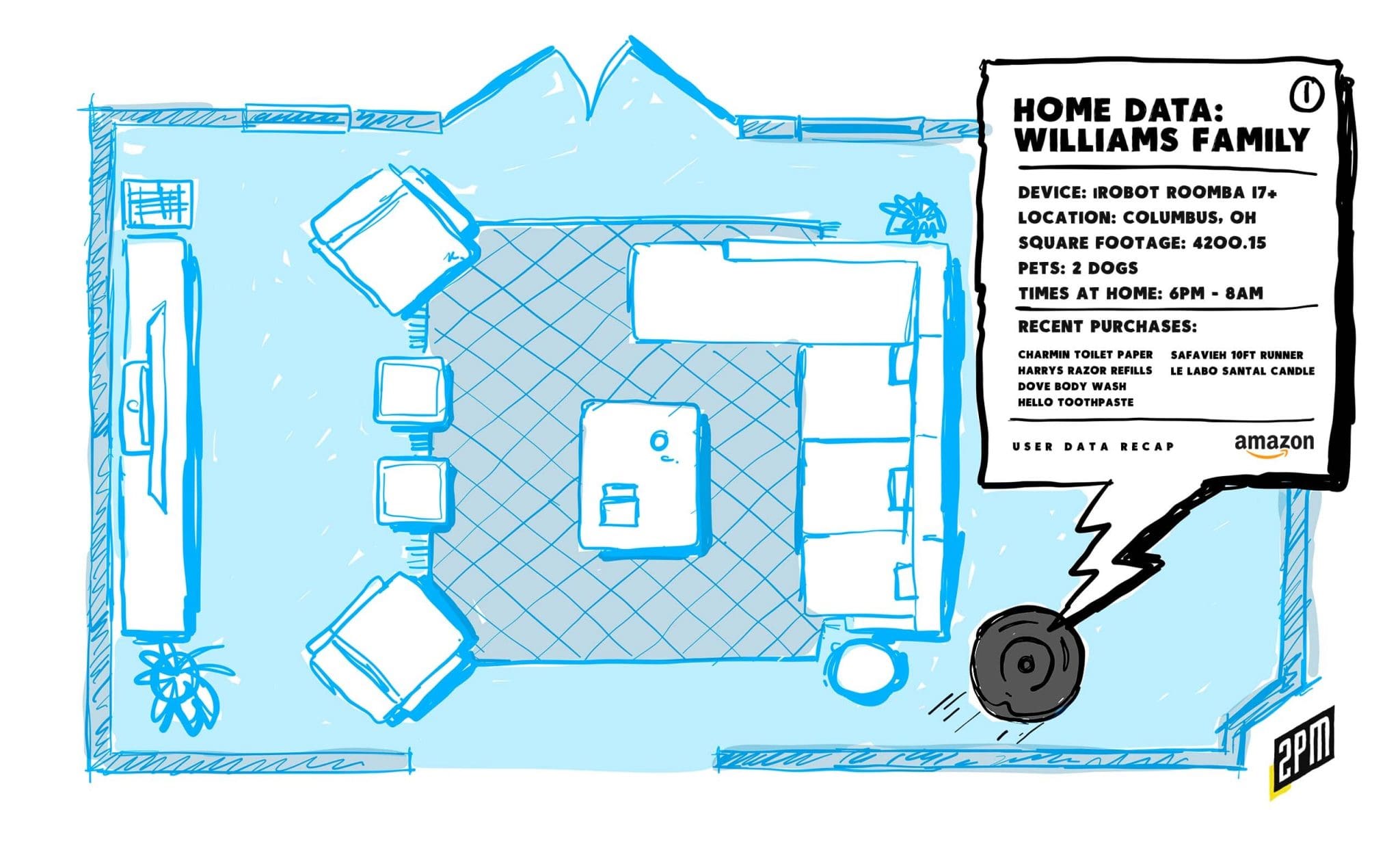
The digital marketing world has evolved to fit the times but it’s evolving far faster than public knowledge has been made aware. The data available to the most savvy marketers far exceeds the potency of what existed at Facebook’s third-party advertising peak. It leaves the latest iteration, first-party data far behind. This months old anecdote by James Heurcher of AdExchanger adequately sums up the struggling promise of first-party data:
The promises of first-party data and individual personalization are alluring, he said. What vendors don’t mention is its super-fast half-life: first-party cookies and device IDs disappear, IP addresses change, emails turn out to be placeholder spam accounts. And through it all, ad blockers prohibit many one-to-one marketing use cases.
Operations are finding workarounds using increasingly sophisticated, open-sourced intelligence-based approaches. This summarizes one of several that I am aware of. Identifiable data is acquired at a premium; one of the most prevalent forms comes through active listening, which has emerged as a solution, according to recent reports and documents. The technology leverages real-time interpersonal conversations to build precise, hyper-targeted advertising campaigns. Cox Media Group (CMG) is at the forefront of this innovation, whose Active Listening technology claims to collect voice data from smart devices and pair it with behavioral insights to target consumers who are “ready to buy.” While the concept sounds futuristic, it also raises concerns about privacy and the boundaries of data collection.
According to reporting by 404 Media, CMG’s pitch deck (view here) reveals how voice data is allegedly sourced from device microphones. However, it is unclear which specific devices are involved—whether smart speakers, televisions, or smartphones. The company’s strategy relies on AI to process this data, enabling advertisers to reach potential customers before competitors do. CMG claims to work with 470+ data sources, combining voice and behavioral data to create highly targeted audience lists that can be uploaded into major ad platforms like Google, Facebook, Amazon, and Bing.
The Mechanics of Voice-Driven Ad Targeting
The core of CMG’s pitch centers on its ability to capture real-time intent data by listening to conversations near device microphones. This voice data is processed through AI and enriched with other behavioral insights to generate a list of consumers who are ready to make a purchase. Once the list is created, advertisers can target potential customers through a variety of channels, including streaming TV, audio, display ads, and social media.
This precision targeting comes with a price: $100 per day for a 10-mile radius, or $200 per day for a 20-mile radius. By geo-targeting consumers within a specific area, businesses can serve ads to the right audience at the right time, significantly improving the effectiveness of their campaigns. According to the pitch deck, CMG promises that this approach not only reduces click and acquisition costs but also enables advertisers to generate lookalike audiences at a fraction of the typical cost.
A Partnership Network in Question
In its pitch, CMG positions itself as a leader in digital marketing, citing key partnerships with tech giants such as Google, Facebook, and Amazon. According to the 404 Media report, CMG boasted of being among the first media companies to become a Facebook marketing partner and the first-ever media partner for Amazon Advertising. Additionally, CMG claimed to be a Google Premier Partner, which places it in the top 3% of advertisers.
However, these claims have come under scrutiny. Google has since removed CMG from its Partners Program following an inquiry by 404 Media, signaling potential violations of Google’s advertising policies. In a statement to 404 Media, Google emphasized that all advertisers must comply with applicable laws and regulations. Amazon also distanced itself from the program, stating that it has never worked with CMG on Active Listening and has no plans to do so in the future. Meta (Facebook’s parent company) has been more cautious, stating that they are reviewing whether CMG’s use of voice data violates their terms and conditions.
The Ethical Debate: Privacy Concerns and Transparency
The concept of using voice data from everyday conversations for targeted advertising inevitably raises ethical questions, at the very least. How much are consumers aware of how their data is being used? And more importantly, where is the line between personalized advertising and invasive surveillance? CMG’s technology sits at the center of this debate, especially as it gains traction in a world where privacy laws are tightening and consumers are becoming more protective of their personal data.
When 404 Media first reported on CMG’s Active Listening capabilities, the company’s website openly advertised the service with provocative language: “No, it’s not a Black Mirror episode—it’s Voice Data, and CMG has the capabilities to use it to your business advantage.” That page was subsequently removed following the initial media coverage, leaving more questions than answers about the future of this controversial advertising approach.
Further complicating the matter is a related report by 404 Media involving MindSift, a smaller company that similarly boasted about using voice data to target ads through smart speaker microphones. After the revelations, MindSift quickly wiped any mentions of this capability from its social media platforms, raising concerns about how many companies are quietly exploring this invasive form of data collection.
A Competitive Edge with Active Listening—But at What Cost?
From a business perspective, CMG’s Active Listening offers clear advantages. By being able to pinpoint when a consumer is discussing a need for a product or service, advertisers can deliver highly personalized, contextually relevant ads in real-time. This precision not only drives higher conversion rates but also reduces advertising spend on irrelevant audiences.
Yet, as 404 Media points out, this technological capability also raises significant concerns about data transparency and the potential misuse of voice data. Companies looking to use Active Listening as part of their advertising strategy must tread carefully, ensuring compliance with privacy regulations and being transparent with consumers about how their data is being collected and used.
The Future of Voice Data in Advertising
While CMG’s voice-driven ad technology promised to reshape how brands reach consumers, it also faces considerable hurdles, both from a regulatory and consumer trust perspective. As Google, Amazon, and Meta reevaluate their relationships with CMG, the broader industry will need to reckon with the ethical implications of using voice data for commercial gain.
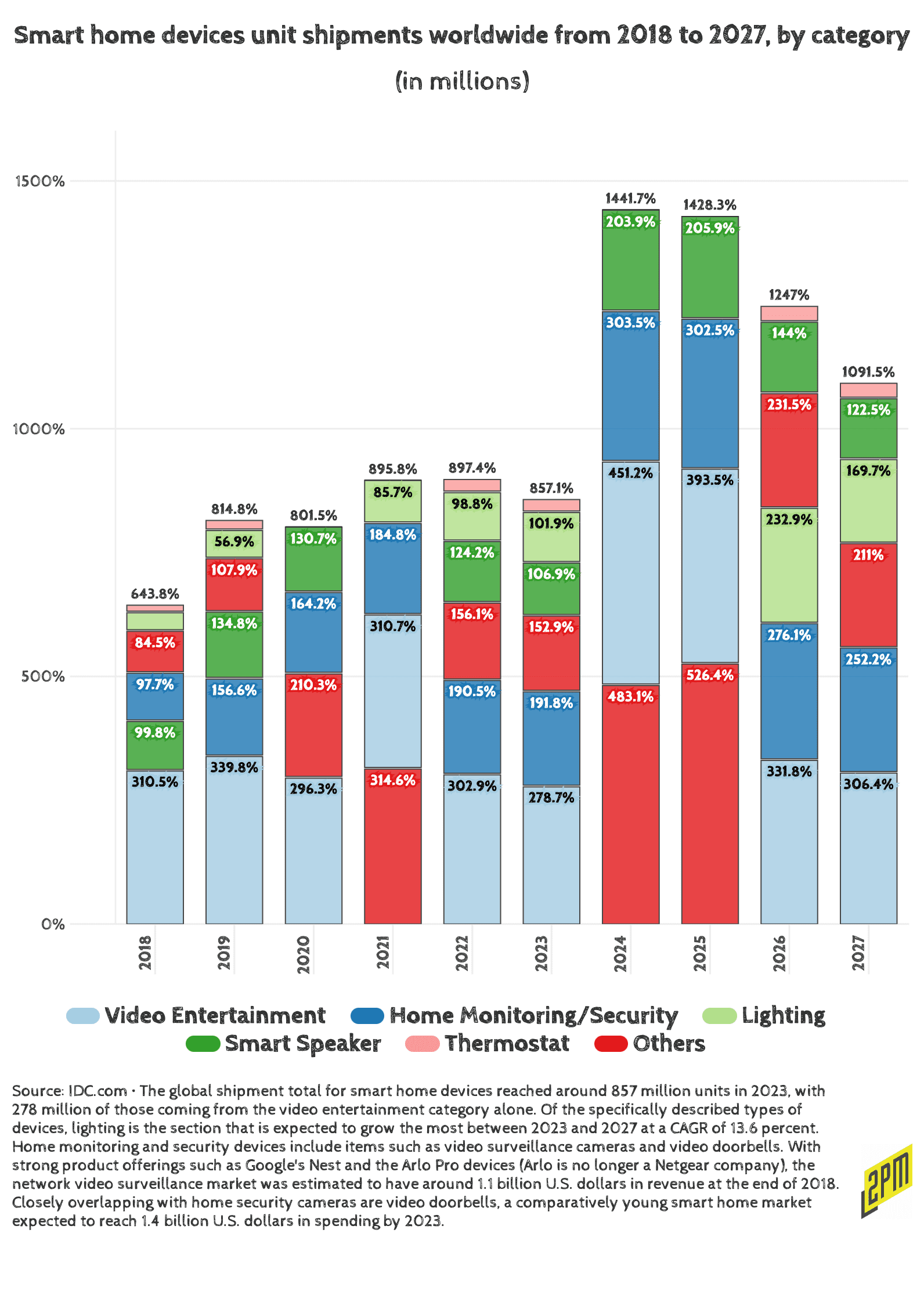
For brands, the decision to engage with this type of technology requires careful consideration of both the potential ROI and the risk of alienating consumers. In a world where privacy is increasingly valued, the future of voice data in advertising will likely be shaped as much by public perception as it will by technological advances.
On May 21, a company called Audacy, Inc. posted the following:
Among those likely to use voice to interact with ads, most would likely to get additional information (71%) or learn about deals (62%). Almost half (46%) of those interested in voice-based interactions would go ahead and complete a purchase.
And who are the voice shoppers of today? They are high-income suburbanites with smart speakers at their homes. They are almost universally streaming audio, with more than half listening to podcasts weekly. Women tend to be the more cautious, but smart shoppers: Among those interested in voice ads, information- and deal-seekers (59%) skew female, men (53%) are slightly more likely to purchase with voice. [CITE]
The above feels innocuous but the part that went unsaid is that it’s the high-income suburbanites with smart speakers in their homes that are supplying this trade. Active Listening technology may be a powerful tool in the marketer’s arsenal, but it also pushes the boundaries of consumer privacy. The involvement of companies like Google and Amazon in distancing themselves from this practice suggests that the risks might outweigh the rewards. For now, brands considering this technology must weigh the benefits of hyper-targeted ads against the ethical and legal scrutiny that will undoubtedly follow.
By keeping an ear to developments in this space, marketers can better navigate the future of voice-driven advertising, ensuring that they remain compliant with regulations while also respecting consumer trust.
Research, Data, and Writing by Web Smith