

Klarna is making waves again—but this time for something much bigger than installment payments. The Swedish fintech giant has boldly declared that artificial intelligence (AI) is not just an enhancement but the future. This assertion is not merely a marketing ploy; Klarna is actively reshaping its workforce and operations in line with its AI-driven ambitions. With a target to reduce its full-time workforce by more than 50%—from 5,000 to 2,000 employees—CEO Sebastian Siemiatkowski has made it clear that this shift is central to the company’s strategy for the future. But what does this mean for larger enterprise software companies, particularly in the eCommerce space?
A Turning Point for Klarna
Klarna’s embrace of AI goes beyond surface-level adjustments. The company has made substantial gains, reporting significant revenue growth and operational efficiency due to AI initiatives. According to Siemiatkowski, the company can “do much more with less.” For example, Klarna has reduced its workforce to 3,800 employees, down from a peak of 5,000, and plans to further reduce that number. Yet, despite the reduction in human resources, the company’s revenue per employee has skyrocketed, increasing from SEK 4 million ($393,000) to SEK 7 million ($689,000) in just one year. These figures are a direct testament to the power of AI to replace inefficiency, drive productivity, and boost profitability.
Klarna is at the very forefront among our partners in AI adoption and practical application. Together we are unlocking the vast potential for AI to boost productivity and improve our day-to-day lives.
Brad Lightcap, COO of OpenAI
The company’s most headline-grabbing innovation has been the development of an AI-powered chatbot, built in collaboration with OpenAI. This chatbot handles the workload equivalent of 700 customer service agents. Klarna also projects $40 million in profit improvements from its AI initiatives in 2024 alone. While this showcases the effectiveness of AI in operational roles, the narrative extends beyond cutting costs and workforce downsizing—it highlights AI’s potential to dramatically transform businesses, particularly as Klarna prepares for a long-awaited IPO.
The Drive Toward Profitability
For Klarna, the pursuit of profitability is nothing new. Between 2007 and 2018, the company reported profitable yearly results, peaking with SEK 523 million ($61 million) in earnings before tax in 2017. However, the past few years saw Klarna experience losses as it aggressively expanded into new markets. With large investments in its Visa-issued Klarna card and several acquisitions, including the now-defunct New Zealand arm of Laybuy, Klarna sought to scale quickly, broadening its market reach and market depth. Artificial Intelligence aside, this physical credit card move is just as fascinating.
****
Klarna’s foray into the physical payments space with the Klarna Visa is an interes58ht testament to the company’s innovative approach to embedding the BNPL model into consumers’ everyday lives. The Klarna Visa, unlike traditional credit cards, charges no interest and instead converts every purchase into a BNPL transaction, requiring payments in four bimonthly, interest-free installments. Running on the Visa network, it allows users to transform any purchase made at merchants that accept Visa into a manageable installment plan, expanding the reach and appeal of the BNPL model.

While these moves brought returns—such as increased market penetration and a larger share of the BNPL market—Klarna’s strategy came at a cost. AI presented itself as a lifeline to reestablish profitability.
****
Klarna’s AI-Led Workforce Reductions
One of the more controversial aspects of Klarna’s AI transformation has been its impact on the workforce. Since the company stopped actively recruiting for non-engineering roles, headcount reductions have primarily occurred through natural attrition. Departing employees are not replaced, and their work is absorbed by AI tools. Siemiatkowski’s “directional” target of 2,000 employees hints at further cuts, even as he avoids specifying a deadline.
The most visible impact of this shift has been in customer service. Klarna’s AI assistant, launched in early 2024, now handles two-thirds of the company’s customer service chats, matching the efficiency and customer satisfaction levels of its human counterparts. The average time to resolve customer inquiries has dropped from 11 minutes to 2 minutes, a significant improvement that demonstrates how AI can optimize traditionally human-led processes.
The AI assistant’s success has extended beyond customer service. Klarna has saved millions by reducing reliance on photographers, image banks, and marketing agencies, with the marketing team reporting higher productivity despite a reduction in size. AI is also employed across departments like communications, marketing, and legal, further streamlining operations.
Challenges and Drawbacks of Klarna’s AI Approach
Despite its financial successes, Klarna’s aggressive use of AI has not been without challenges. Internally, some employees report burnout and frustration with increased workloads, as fewer staff are left to handle the non-automatable aspects of their roles. Employee satisfaction ratings have dipped significantly, with Glassdoor reviews showing an average rating drop from 3.8 in 2022 to 3.0 in 2024. Several reviews highlight concerns over high workloads, stress, and a lack of pay raises or career progression.
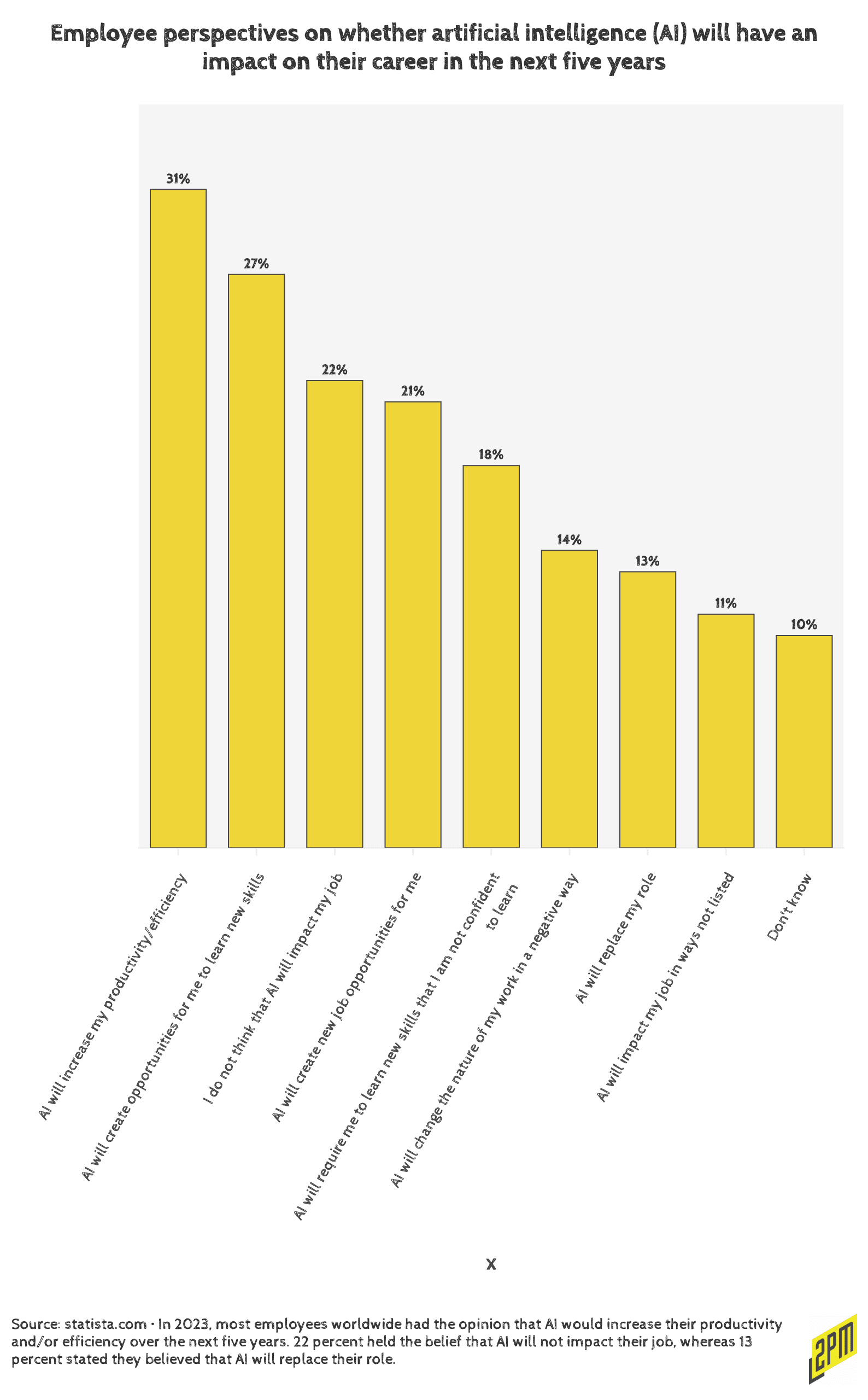
And externally, Klarna’s vocal AI strategy has sparked concerns among the public. While AI’s potential to replace jobs is widely recognized, many view the rapid workforce reductions as a threat to job security. Though social media has amplified some outrage, there is no concrete evidence yet that this backlash has impacted Klarna’s sales or customer engagement.
There are also legal and ethical concerns surrounding AI-generated content. Klarna’s decision to reduce employment in roles like photography and design raises questions about potential copyright infringements, as AI-generated work can often replicate existing material without proper attribution. OpenAI, Klarna’s AI partner, is currently embroiled in lawsuits over copyright issues, with outcomes that could shape how companies using AI handle intellectual property disputes in the future.
Lessons for eCommerce and Enterprise Software
Klarna’s AI-led transformation offers valuable lessons for the broader e-commerce and enterprise software sectors. First and foremost, it highlights the immense potential of AI to streamline operations, reduce costs, and drive profitability. Klarna has leveraged AI not only to cut jobs but also to improve efficiency across its entire business, from customer service to marketing.
For other companies, especially those operating at large enterprise scales like Salesforce or Workday (both of which Klarna has ended partnerships with), the question is how to integrate AI without sacrificing employee morale or risking a public relations fallout. Klarna’s approach has been fast and aggressive, driven by the looming IPO. While this might work in the short term, companies looking to adopt AI should consider a more measured approach that balances automation with employee well-being.
While the company has seen tremendous financial benefits, it is still navigating the complexities of employee satisfaction and public perception. As AI continues to evolve, companies will need to develop strategies that leverage its benefits while addressing its potential drawbacks.
If Klarna’s AI-driven trend continues, we could see a significant shift across the eCommerce and SaaS landscape. Companies may increasingly adopt in-house AI solutions, leading to widespread cost reductions, workforce downsizing, and reduced reliance on traditional third-party service providers. Here are 10 DTC industry SaaS companies that could be impacted by AI innovations as businesses begin to bring these capabilities in-house to manage costs more efficiently:
Klaviyo
AI advancements could enable companies to develop personalized communication systems in-house, reducing their need for third-party solutions.
Yotpo
In-house AI tools could streamline content generation, review management, and even customer rewards, making Yotpo’s services less essential.
Gorgias
With advanced AI, brands could build internal customer service automation systems, reducing dependence on platforms like Gorgias for managing queries and tickets.
Attentive
As AI improves personalization and engagement, companies might develop their own messaging platforms, minimizing the need for external SMS marketing providers.
Loop
AI-powered solutions could give DTC brands the ability to manage returns internally, optimizing logistics without external software.
Kustomer
In-house AI could streamline customer service and data management, reducing the need for third-party CRM tools.
Privy
As AI enhances lead generation and conversion strategies, businesses could develop these capabilities internally, eliminating the need for external tools like Privy.
Recharge
AI-driven solutions could allow businesses to develop and manage their own subscription services, reducing the reliance on external billing platforms.
Bold Commerce
AI could enable businesses to build personalized checkout and upsell systems internally, eliminating the need for SaaS platforms like Bold Commerce.
Zendesk
With AI advancements in natural language processing, brands may build in-house support solutions to handle inquiries and resolve issues without the need for a third-party platform like Zendesk.
****
I believe that Klarna’s bold bet on AI signals a future where it plays an even more central role in cost management and profitability. The company’s rapid adoption of AI tools has allowed it to reduce costs, increase revenue, and position itself for a successful IPO.
For larger-scale enterprise software companies, Klarna’s example offers both inspiration and caution. AI has the potential to transform industries, but it must be implemented thoughtfully, with an eye toward the long-term impacts on employees and society at large. In the end, Klarna’s AI journey may serve as a blueprint for others, but only time will tell how sustainable its rapid transformation truly is.
Research, Data, and Writing by Web Smith