
第 273 期现代奢华不弯曲

水印_ByTailorBrands
Pictured: Outdoor Voices, from our Open Letter to DNVB CEOs

In November of 2016, Lean Luxe’s Paul Munford penned somewhat of a scripture to upstart modern luxury brands: promotion-heavy retailers will not last. There are few takeaways from “The Downward Spiral” that are worth mentioning as recent economic reports suggest that the retail apocalypse is coming to an end, a great sign for aspirational DNVBs that are looking to expand into physical retail.

Screen Shot 2018-06-12 at 10.05.48 AM.png

We are in a time of unprecedented retail brand launches, collaborations, acquisitions, and re-imaginations – much of which is online-first. This begs the question, what will separate the winners from the commodities? There are early and permanent decisions that determine a brand’s trajectory. For every Mizzen + Main or Ministry of Supply, there is a State and Liberty. For every Outdoor Voices, there is a Bandier. And for every Away, there is a Raden. Each decision matters. And no decision matters more than pricing and a brand’s promotional tendencies.

Here are the top ten takeaways from some of Munford’s best work:

  • No maneuver in retail appears to be as easy to roll out, yet no strategy is as detrimental to a retailer’s long term prospects as the heavy discount. It is a palliative pill: wonderful for the consumer in the short run, but ultimately bad for both business and shoppers over time. It commoditizes the brand, forcing companies to differentiate on price. 
  • The second problem, also related to scale, is systemic to the industry itself: The need to constantly add more and more products at regular intervals, flooding the marketplace with goods that are newer, but rarely better.
  • The lure of the discount, then, becomes too hard to resist. It provides a short term boost to the bottom line and the illusion of growth, but at the expense of brand reputation and sustainable profit — two vital arteries for a business’s overall health.
  • Modern luxury companies have figured out the formula, and it’s remarkably simple: create less merchandise than will sell (and predict, if possible, the sell-through rate, with pre-orders), keep demand high. Embrace the waiting list, as Everlane, Glossier, Caraa, and Alala, among others, often do. 
  • Never discount; preserve the standing of the brand. These tactics certainly do not work, however, or at least for very long, if product standards are below par.
  • Hermes, for instance, is notorious for never slashing prices. Its products carry a prestige because of that, and there is always a demand, no matter how frivolous the item. And they certainly are not above testing the limits of consumer devotion: It has even gone so far as to repackage its cutting floor leather scraps to sell them as high-priced gift boxes.
  • That opposition to discounting would come from founders within the emerging modern luxury industry is no coincidence. For one, it displays the trademark sense of calm confidence in the product that this group is quickly becoming known for. 
  • As for Mr. Preysman, the full price mantra feeds into his mission to constantly refine the product, to make it better, and push it ever closer to perfection according to the standards of the brand.
  • Surprisingly, rejecting the discount is also quite consumer-centric. The eternally-wise Ben Franklin said it best, of course, when he offered this observation: “The bitterness of poor quality remains long after the sweetness of low price is forgotten.”
  • It takes superb maturity and a great deal of resilience to fight the urge for the temporary discount boost at the expense of preserving a long term reputation. 

Maturity, patience, grit, and perhaps temporary poverty are keys to developing the types of brands that grow to compete with age old legends and fierce (but hopefully friendly) rivals. In 2013, Brooks Brothers commented on Mizzen + Main’s influence on the shirting industry for the New York Times:

While Brooks Brothers experimented with “performance” shirts akin to Mizzen & Main’s, [Brooks Brothers’ spokesman] Mr. Blee said that customers preferred the general wearability of conventional all-cotton. The stretch fibers felt synthetic to them. Although a range of Brooks Brothers oxford shirts have moisture-wicking properties, he said, “We are known as a natural-fiber house: 100 percent cotton, 100 percent cashmere.

Just five years later, Brooks Brothers is launching a competitor to compete in a menswear world that is being re-defined by technical fabrics and other innovations.

Mizzen+Main on Twitter

we’re old enough to remember when Brooks Brothers laughed at performance menswear: https://t.co/5hBzcUHAEx https://t.co/xCN29dVk81

I remember the joy of that article hitting the newsstands on December 18, 2013. Not because of the notoriety that it would provide but because it had been over a year and half and we really needed the sales. We stood firm on our price while we built allegiances and Kevin worked feverishly to improve the product. And the company lasted. What Lavelle and team has done today is nothing short of spectacular. And it has allowed the brand to stand, eye to eye, in the same clubs and on the same courses as the company that invented the polo shirt (sorry, Ralph).

To achieve growth and longevity, branding cannot be viewed as a soft skill. Price cannot be viewed as an arbitrary number to manipulate. The five forces must always be considered. And patience must be paramount because great brands start slowly. In the age of modern luxury DNVB’s this is as important as the products themselves.

Read more: An Open Letter to DNVB CEOs (Issue No. 254)

Read the rest of Issue No. 273 here.

By Web Smith and Meghan Terwilliger |About 2PM
第270期对于 DNVB 来说,品牌很重要。

脸书广告文案 4

Raden的 关闭(DNVB第119号)和Away的坚持(DNVB第40号)。 随着 Raden 倒闭的消息以及其创始人对在线箱包行业前景的评论,2PM 深入探讨了影响 Raden 倒闭的原因(不仅仅是监管)。Away 联合创始人兼首席执行官 Steph Korey 对 Away 的光明未来发表了评论。

Raden 创始人乔希-乌达什金对 康泰纳仕旅行者 对智能行李箱行业未来的看法:

我不想这么说,但我认为[未来]是不存在的。所有这些公司都依赖于口碑,但现在购买这种产品会让你受到骚扰。我不明白你怎么能继续销售它。

我们不同意。千禧一代消费者务实、精明,甚至略带领地意识。这些消费者寻求的品牌要符合他们的生活方式、时机、价值观和个人偏好。叙述之所以重要,是因为他们的生活方式很重要。

建立强大的 DNVB 的关键在于感知质量、价格价值和购买便利性。

便利性变化 + 价格变化 + 质量感知变化 > 0 

方便:购买方便、客户服务优质、退货方便、质量保证。

价格价格是否与现有高端品牌价格相当或更低。

质量感知: 如何看待品牌?产品是否具有亲和力?

而如果DNVB的 "变化 "总和大于零,那么DNVB可能是比现有品牌更好的选择。 正是从这个角度出发,DNVB和CPG品牌才能够将自己的产品定位在与更呆板的传统品牌竞争。建立网上零售的关键之一是强调制胜法宝的两个组成部分:产品叙事。 这种叙述方式围绕产品传达了质量、社区和品牌资产。对于资金总额在500万美元或以下的DNVB来说,可以说叙述与产品本身同等重要。


第254期:致DNVB首席执行官的公开信: 

DNVB执行团队从零开始打造供需两个产品

  1. 产品:衬衫、行李箱、裤子、墨镜、大衣,或任何人们认识你的东西。
  2. 品牌:产品的光环、知名度、联想、幕后合作伙伴、代言人、形象大使、成功的必然性。

RadenAway都成立于 2015 年初。Raden 从 Lerer Hippeau、First Round Capital 和Gin Lane(著名的 DNVB实际控制人)处获得了种子投资。Away 募集到了一笔明星云集的种子轮投资,其中包括安迪-邓恩(Andy Dunn),这位现任沃尔玛高管是 DNVB 首字母缩写词的创造者。

2015 年,当 Udashkin 接受 Loose Threads 采访时,Udashkin 表示产品是他关注的全部。他接着补充说,产品的叙述并不是 Raden 要强调的东西。

在旧金山、洛杉矶、蒙特利尔和台湾,Raden 花了将近一年的时间进行原型设计,最终成为一家摒弃生活方式品牌形象和名人效应的产品公司。

乌达什金接着说"除非你是在伪造,否则你怎么能在第一天就围绕你的产品形成一种生活方式呢?我认为这在短期内是可行的,但随着时间的推移,顾客会变得越来越聪明。如果你不继续在产品上下功夫,最终你会输掉"。

联合创始人斯蒂芬-科雷(Steph Korey)和珍-卢比奥(Jen Rubio)在创建竞争品牌时采取了几乎相反的做法。在《Inc Magazine》2017 年 7 月名为 "How I did it"(我是如何做到的)的报道中,是这样评价这对组合的:

Steph Korey 和 Jen Rubio 遇到了难题。她们计划推出的新箱包品牌 Away 很快就要上市了,而她们的行李箱还来不及销售。幸运的是,两人的包里有一个社交媒体小窍门。他们把一个行之有效的零售策略、预购和一本书的创意变成了一场在 Instagram 和其他网站上病毒式传播的活动。

伯特-赫尔姆,公司杂志

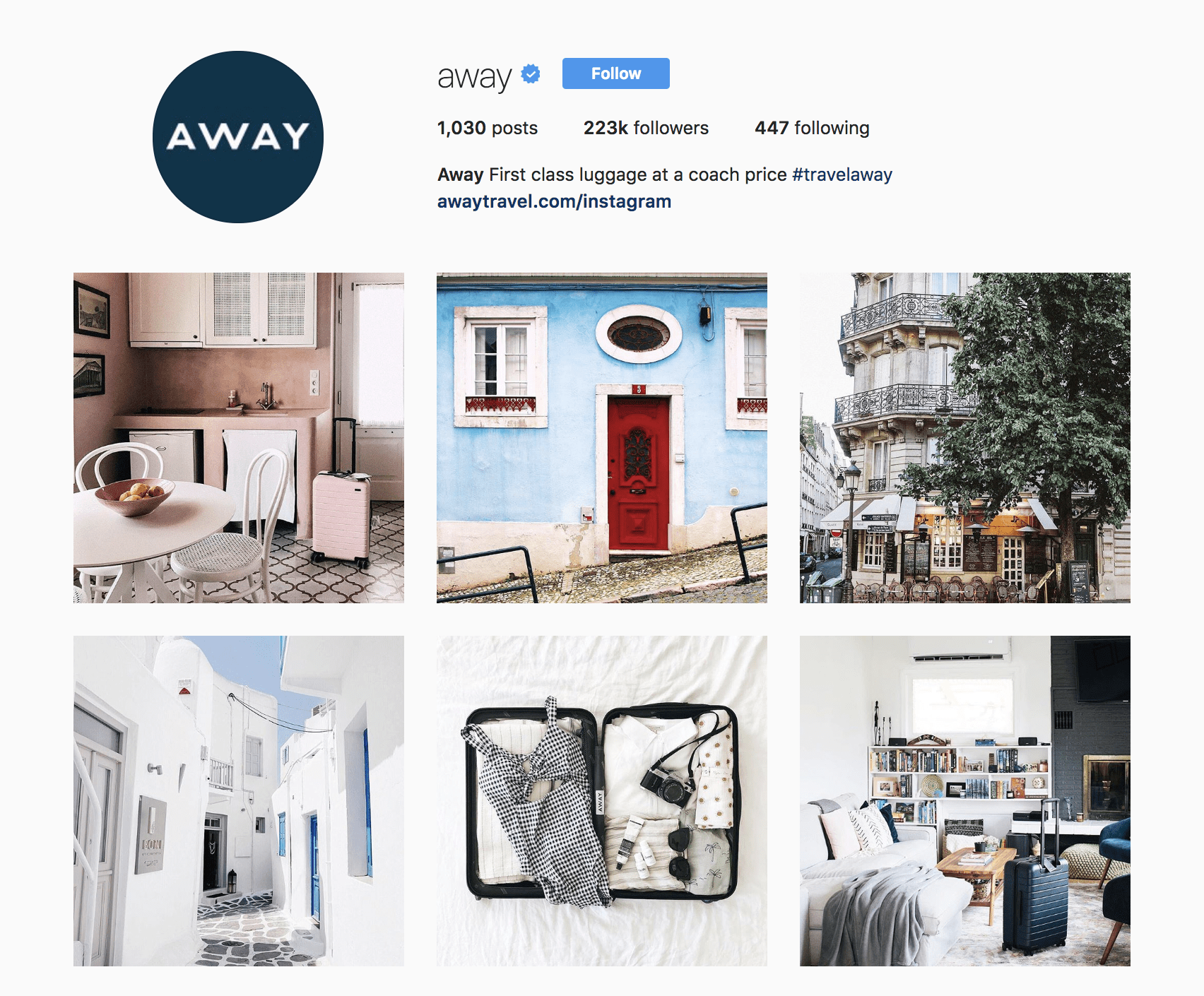
这种想法贯穿了他们的整个产品定位。Raden 的 Instagram 只关注销售的产品,而Away 的 Instagram账户则既关注生活方式和实用性,也关注 Away 销售的产品。

屏幕截图 2018-05-21 at 12.28.07 PM

Away 注重目的地和品牌亲和力(包括一本名为 "这里 "的印刷杂志),而 Raden 与客户保持的关系则与 Away 希望延续的关系完全不同。这两种方法的不同在很大程度上影响了每个品牌提供的产品:Raden 的产品范围窄,而 Away 的产品范围宽。以下是《Fast Company》今日特写文章中的一个关键点:

他给我算了一笔账。直接面向消费者的旅行箱品牌的目标市场相对狭窄。这不是大众消费。你的受众是那些有足够的可支配收入,可以花 200 到 400 美元购买一个手提箱的人,他们还要精通数字技术,愿意在网上而不是百货商店购买手提箱。

一旦初创公司说服目标市场中的某个人购买随身行李,双方的关系基本上就结束了。经过说服,品牌可以尝试向他们推销托运行李或其他旅行小配件。但与其他品类相比,每个顾客的生活方式价值相对较小。像 M.Gemi 这样直接面向消费者的奢侈鞋履品牌,可以每年两次向一位女士推销一双价值 300 美元的新鞋,让她终生受用。Everlane 则可以每月向顾客推销新款衣橱。

Elizabeth Segran,Fast Company

在这里,Udashkin 认为,他只关注产品的优越性(这只是 DNVB 公式三个组成部分中的一个),这样做是正确的。但是,由于他没有看到围绕 Raden 建立品牌和叙事的价值,他可以提供给现有客户的替代产品就更少了。这一点,再加上他的行李箱的电池无法移动,以及初创公司的跑道较短,都影响了他的立场,即行李箱制造商别无选择,只能停止运营。他还认为,从长远来看,这类产品没有市场,这一论断影响深远。


Away 首席执行官 Steph Korey 在给 2PM 的电子邮件中解释了 Away 的立场: 

一个品牌的成功并不取决于它筹集了多少资金,也不取决于其他任何一件事,而是取决于许多小事的正确组合。

对我们来说,我们所做的一切都要以客户为中心(花时间倾听客户的心声,深入了解他们的想法,然后迅速采取行动),首先要认真地向客户介绍我们的品牌(确保我们的营销对象对我们的营销内容感兴趣、不局限于任何一种产品或未来计划(自推出以来,我们的产品已从一个旅行箱扩展到数十种旅行用品,并致力于解决目前旅行体验中存在的所有问题)。


DNVB品牌建设的早期经验之一,是无法仅用分析和逻辑来解释的。它太主观了。菲尔-奈特(Phil Knight)曾经的鞋业公司是一家卖鞋的公司,但耐克从来不是一家卖鞋的公司:它是一家造就冠军的公司。特斯拉卖汽车,但特斯拉是一家未来学家的公司。苹果公司销售电脑,但它是一家为创造者服务的公司。

对于有追求的产品,消费者会选择符合他们生活方式、信仰体系和目标的品牌。从一开始,Away 就做到了很少有 DNVB 早期了解的事情。打造产品只是成功的一半。这意味着,无论他们会遇到什么艰巨的法规,他们都会坚持不懈地打造与千禧一代热情旅行者群体相关的产品。随着传统销售的继续,你很可能会看到越来越多的 SKU、款式和附加产品受到千禧一代旅行者和通勤者的喜爱。没错,Steph Korey 和 Jen Rubio 是卖行李箱的,但 Away 是一家旅游公司。她想去哪里,Away 就会去哪里。


更新: 6 月 26 日,Away 宣布与 Dwayne Wade合作。6 月 28 日,Away 宣布获得 5000 万美元的新一轮投资,这是历史上女性创始人获得的最大一笔投资。据他们的传播总监 Cassi Gritzmacher 说:

借助最新一轮融资,Away 计划通过拓展新市场进一步在全球立足;继续扩大产品线,为您打造完美旅行所需的一切;扩大实体零售业务(除目前在纽约、洛杉矶、旧金山和奥斯汀的分店外,到 2018 年底还将开设 6 家新店);扩大现有的社会影响力(通过与 "和平直通车"(Peace Direct)的合作和新举措);在未来五年内创造 249 个新的工作岗位,将团队迁入位于家乡纽约市、占地 56,000 平方英尺的新全球总部。

点击此处阅读更多相关内容。

By Web Smith and Meghan Terwilliger |About 2PM 
Memo: The End of Conglomeration

Monopoly is not a suitable term for what Amazon is in the process of accomplishing. A monopoly is defined as the exclusive possession or control of the supply or trade in a commodity or service. There is no term for a corporation becoming the supply or the trade.

I am not anti-Amazon but it’s becoming easier to see how this current administration could bend precedent to break up a web-based conglomerate.

Amazon is the titan of twenty-first century commerce. In addition to being a retailer, it is now a marketing platform, a delivery and logistics network, a payment service, a credit lender, an auction house, a major book publisher, a producer of television and films, a fashion designer, a hardware manufacturer, and a leading host of cloud server space.

Yale Law Journal: Lina M. Khan, Amazon’s Antitrust Paradox

Amazon is trading at near all-time highs, with a market cap in excess of $700B. Historically, Wall Street investors and consumers have been tremendous fans of Amazon, Main Street businesses have not. This is an important distinction.

Until the 1970’s and 80’s, antitrust litigation has focused on structuralism: a focus on relationships of contrast between elements in a conceptual system that reflect patterns underlying a superficial diversity. 

After Reagan’s Antitrust Explosion of 1982, elements of the law began to shift from structuralism and toward consumer welfare. That year, AT&T and IBM faced antitrust litigation that forced changes in each company by 1984. As you know, Amazon Web Services (AWS) and Prime have helped the public company to minimize losses. Thus far, Amazon has been immune to consumer welfare pressures. Due to the successes of AWS and Prime subscriptions, the direct-to-consumer side of the business has operated as a relative loss leader. As Yale Law Journal’s Linda Khan pointed out, this loss leading metric has blinded regulators to the hazards of Amazon’s business strategy.

[My] analysis reveals that the current framework in antitrust—specifically its equating competition with “consumer welfare,” typically measured through short-term effects on price and output—fails to capture the architecture of market power in the twenty-first century marketplace. In other words, the potential harms to competition posed by Amazon’s dominance are not cognizable if we assess competition primarily through price and output. Focusing on these metrics instead blinds us to the potential hazards.

Yale Law Journal: Lina M. Khan, Amazon’s Antitrust Paradox

The 1982 antitrust guidelines introduced by Reagan and his administration set a meaningful departure from ninety years of legal precedent; these guidelines were re-emphasized in 1968. The actions of the Reagan administration in 1982 reflected a new focus. Lina Khan went on to say: “The law against vertical mergers is merely a law against the creation of efficiency.” With the election of President Reagan, this view of vertical integration became national policy. This has been known as the Chicago School approach.


The Chicago School approach to antitrust, which gained mainstream prominence and credibility in the 1970s and 1980s, rejected the structuralist view. In the words of Richard Posner, the essence of the Chicago School position is that “the proper lens for viewing antitrust problems is price theory.”


To pursue an Amazon antitrust case, President Trump will have to reverse the revered national policy of the Reagan Justice Department. It can be implied that the Reagan administration’s shift from structuralism and towards price theory was meant to emphasize middle-class consumerism. But no one could have foreseen Amazon’s role in building a modern monopoly over America’s consumer web. Frankly, their version of a monopoly is altogether different. Here is an illustration for you:

The 4% / 43% figure doesn’t begin to tell the story. No one could have predicted how effective an internet-based conglomeration could be. Or the impact that Amazon’s sales could have on commercial real estate woes. Or how Amazon lobbies for potentially detrimental state / local tax benefits. Around the country, real estate brokers are in a panic as warehouse / office park leasing have fallen off a cliff. In addition, Amazon’s HQ2 campaign is leading to a growing criticism from those who believe that Amazon may have too many tax and cost benefits and at the peril of middle-class workers and retail entrepreneurs.

Trump’s deep-seated antipathy toward Amazon surfaces when discussing tax policy and antitrust cases. The president would love to clip CEO Jeff Bezos’ wings. But he doesn’t have a plan to make that happen.

Jonathan Swan, Axios

亚马逊建立业务的信念是,只要消费者价格低廉,反垄断法就不适用。琳娜-汗接着说:"由于 20 世纪 70 年代和 80 年代法律思想和实践的变化,反垄断法现在对竞争的评估主要着眼于消费者的短期利益,而不是生产者或整个市场的健康状况;反垄断理论认为,消费者的低价格本身就是良性竞争的证据"。

The health of the retail sector has been on decline for quite some time. Retail business owners, real estate brokers, lenders, and commercial developers didn’t foresee how much of an effect Amazon and eCommerce would have on their adjacent sectors. Where there was originally confusion and apathy, there is now a shared disdain for the Seattle eCommerce giant. Main Street business owners, politicians and pundits have taken notice. And this is the audience to whom President Trump speaks.

Under the current interpretation of antitrust laws, Amazon seems to be getting a free pass. So I should say that antitrust laws in, their current state, don’t prohibit conglomeration. They don’t prohibit a single company from being involved in all these different lines of business. But what they are supposed to prevent is a company that enjoys a dominant footprint in one area of the market, using that footprint to leverage its way into other markets, and so I think that’s the area where Amazon potentially should be facing scrutiny.

From Korva Coleman’s interview of Lina M. Khan, NPR

In 1890, the father of the Sherman Act, Mr. John Sherman (R-OH) stood on the floor of the Senate and declared the following:

If we will not endure a king as a political power, we should not endure a king over the production, transportation, and sale of any of the necessities of life. If we would not submit to an emperor, we should not submit to an autocrat of trade, with power to prevent competition and to fix the price of any commodity.

When the gentleman from Ohio made this statement, he couldn’t envision a future where one man presided over a corporation responsible for a great deal of production, transportation, and the sale of any necessities of life. Sherman also couldn’t envision the internet, a virtual destination void of political governance or etiquette. Amazon’s strategy continues to be the forging of an antitrust-proof conglomeration – loved by consumers and feared by both incumbents and challengers.

Antitrust law is overdue for change. The language no longer matches the time. And while Amazon may not be the most deserving of this scrutiny, they are the most likely target.

The laws will change to address the modern day concerns of retailers, logistics networks, newspaper publishers, ad firms, shipping companies, grocers, auction houses, book publishers, movie studios, software companies, hardware manufacturers, credit lenders, payment services, and internet service providers. In our modern American economy, any business that touches the internet has been affected by Amazon.

Bezos is aiming to possess the entire board upon which a monopoly can be formed  — the consumer internet. And populist politicians may eventually conclude that no corporation should be able to own the consumer internet. But for now, Amazon has every advantage.

Report By Web Smith | About 2PM