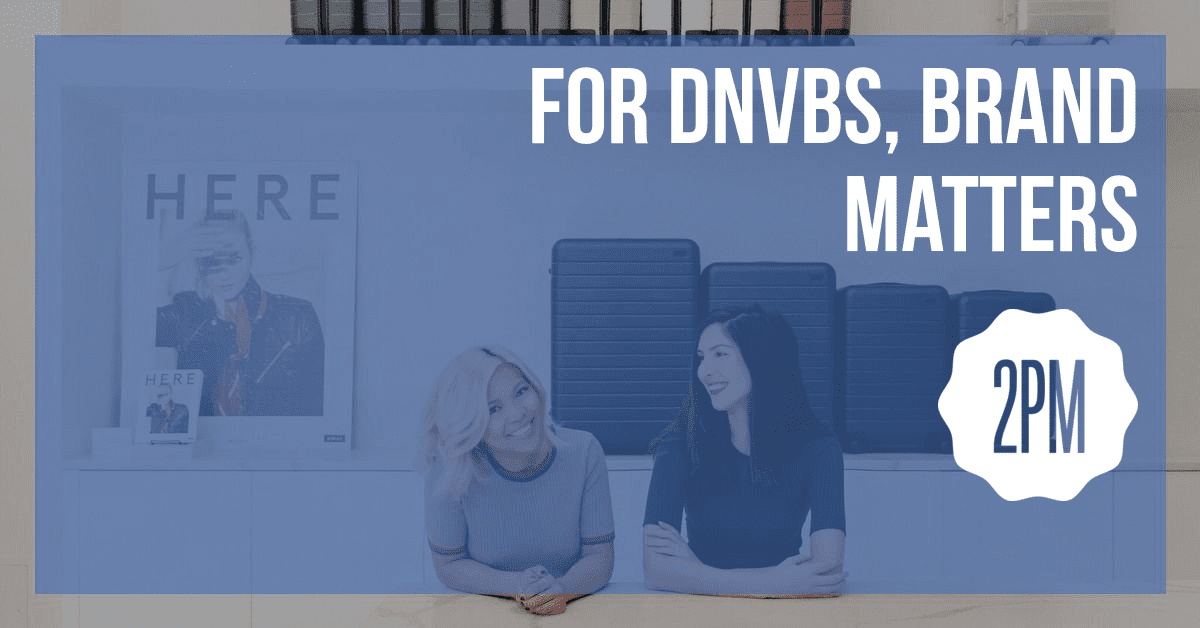
No. 273: Modern Luxe Doesn’t Bend

वॉटरमार्क_बायटेलरब्रांड्स
Pictured: Outdoor Voices, from our Open Letter to DNVB CEOs

In November of 2016, Lean Luxe’s Paul Munford penned somewhat of a scripture to upstart modern luxury brands: promotion-heavy retailers will not last. There are few takeaways from “The Downward Spiral” that are worth mentioning as recent economic reports suggest that the retail apocalypse is coming to an end, a great sign for aspirational DNVBs that are looking to expand into physical retail.

Screen Shot 2018-06-12 at 10.05.48 AM.png

We are in a time of unprecedented retail brand launches, collaborations, acquisitions, and re-imaginations – much of which is online-first. This begs the question, what will separate the winners from the commodities? There are early and permanent decisions that determine a brand’s trajectory. For every Mizzen + Main or Ministry of Supply, there is a State and Liberty. For every Outdoor Voices, there is a Bandier. And for every Away, there is a Raden. Each decision matters. And no decision matters more than pricing and a brand’s promotional tendencies.

Here are the top ten takeaways from some of Munford’s best work:

  • No maneuver in retail appears to be as easy to roll out, yet no strategy is as detrimental to a retailer’s long term prospects as the heavy discount. It is a palliative pill: wonderful for the consumer in the short run, but ultimately bad for both business and shoppers over time. It commoditizes the brand, forcing companies to differentiate on price. 
  • The second problem, also related to scale, is systemic to the industry itself: The need to constantly add more and more products at regular intervals, flooding the marketplace with goods that are newer, but rarely better.
  • The lure of the discount, then, becomes too hard to resist. It provides a short term boost to the bottom line and the illusion of growth, but at the expense of brand reputation and sustainable profit — two vital arteries for a business’s overall health.
  • Modern luxury companies have figured out the formula, and it’s remarkably simple: create less merchandise than will sell (and predict, if possible, the sell-through rate, with pre-orders), keep demand high. Embrace the waiting list, as Everlane, Glossier, Caraa, and Alala, among others, often do. 
  • Never discount; preserve the standing of the brand. These tactics certainly do not work, however, or at least for very long, if product standards are below par.
  • Hermes, for instance, is notorious for never slashing prices. Its products carry a prestige because of that, and there is always a demand, no matter how frivolous the item. And they certainly are not above testing the limits of consumer devotion: It has even gone so far as to repackage its cutting floor leather scraps to sell them as high-priced gift boxes.
  • That opposition to discounting would come from founders within the emerging modern luxury industry is no coincidence. For one, it displays the trademark sense of calm confidence in the product that this group is quickly becoming known for. 
  • As for Mr. Preysman, the full price mantra feeds into his mission to constantly refine the product, to make it better, and push it ever closer to perfection according to the standards of the brand.
  • Surprisingly, rejecting the discount is also quite consumer-centric. The eternally-wise Ben Franklin said it best, of course, when he offered this observation: “The bitterness of poor quality remains long after the sweetness of low price is forgotten.”
  • It takes superb maturity and a great deal of resilience to fight the urge for the temporary discount boost at the expense of preserving a long term reputation. 

Maturity, patience, grit, and perhaps temporary poverty are keys to developing the types of brands that grow to compete with age old legends and fierce (but hopefully friendly) rivals. In 2013, Brooks Brothers commented on Mizzen + Main’s influence on the shirting industry for the New York Times:

While Brooks Brothers experimented with “performance” shirts akin to Mizzen & Main’s, [Brooks Brothers’ spokesman] Mr. Blee said that customers preferred the general wearability of conventional all-cotton. The stretch fibers felt synthetic to them. Although a range of Brooks Brothers oxford shirts have moisture-wicking properties, he said, “We are known as a natural-fiber house: 100 percent cotton, 100 percent cashmere.

Just five years later, Brooks Brothers is launching a competitor to compete in a menswear world that is being re-defined by technical fabrics and other innovations.

Mizzen+Main on Twitter

we’re old enough to remember when Brooks Brothers laughed at performance menswear: https://t.co/5hBzcUHAEx https://t.co/xCN29dVk81

I remember the joy of that article hitting the newsstands on December 18, 2013. Not because of the notoriety that it would provide but because it had been over a year and half and we really needed the sales. We stood firm on our price while we built allegiances and Kevin worked feverishly to improve the product. And the company lasted. What Lavelle and team has done today is nothing short of spectacular. And it has allowed the brand to stand, eye to eye, in the same clubs and on the same courses as the company that invented the polo shirt (sorry, Ralph).

To achieve growth and longevity, branding cannot be viewed as a soft skill. Price cannot be viewed as an arbitrary number to manipulate. The five forces must always be considered. And patience must be paramount because great brands start slowly. In the age of modern luxury DNVB’s this is as important as the products themselves.

Read more: An Open Letter to DNVB CEOs (Issue No. 254)

Read the rest of Issue No. 273 here.

वेब स्मिथ और मेघन टेरविलिगर द्वारा | लगभग 2 बजे

नं. 270: डी.एन.वी.बी. के लिए, ब्रांड मायने रखता है।

फेसबुक-विज्ञापन कॉपी 4

रैडेन के बंद होने (DNVB संख्या 119 ) और अवे की दृढ़ता (DNVB संख्या 40 ) पर एक नज़र। रैडेन के बंद होने की खबर और ऑनलाइन लगेज उद्योग के भविष्य पर उनके संस्थापक की टिप्पणी के साथ, 2PM ने इस बात पर गहराई से विचार किया है कि रैडेन के बंद होने के पीछे क्या कारण हो सकते हैं (यह सिर्फ़ नियमन नहीं था)। और अवे के सह-संस्थापक और सीईओ स्टेफ़ कोरे इस बारे में टिप्पणी करते हैं कि अवे के उज्ज्वल भविष्य को क्या आकार देगा।

रैडेन के संस्थापक जोश उदास्किन ने स्मार्ट लगेज उद्योग के भविष्य के बारे में कोंडे नास्ट ट्रैवलर से कहा: 

मुझे ये कहना बुरा लग रहा है, लेकिन मुझे लगता है कि [भविष्य] का कोई अस्तित्व ही नहीं है। ये सभी कंपनियाँ मुँहज़बानी प्रचार पर निर्भर करती हैं, लेकिन इस उत्पाद को अभी खरीदने पर आपको परेशानी होती है। मुझे समझ नहीं आता कि आप इसे कैसे बेचते रह पाएँगे।

हम इससे सहमत नहीं हैं। मिलेनियल उपभोक्ता व्यावहारिक, समझदार और थोड़े क्षेत्रीय भी होते हैं। ये उपभोक्ता ऐसे ब्रांड खोजते हैं जो उनकी जीवनशैली, उनके समय, उनके मूल्यों और उनकी व्यक्तिगत प्राथमिकताओं के अनुकूल हों। कहानी इसलिए मायने रखती है क्योंकि उनकी जीवनशैली मायने रखती है।

एक मजबूत डीएनवीबी बनाने की कुंजी कथित गुणवत्ता, मूल्य मूल्य और खरीद में आसानी को माना जा सकता है।

सुविधा परिवर्तन + मूल्य परिवर्तन + गुणवत्ता परिवर्तन की धारणा > 0 

सुविधा: खरीद में आसानी, बेहतर ग्राहक सेवा, वापसी में आसानी और गुणवत्ता वारंटी।

मूल्य : यह मूल्य प्रीमियम ब्रांड की कीमतों के बराबर या उससे सस्ता है।

गुणवत्ता की धारणा: ब्रांड को कैसे देखा जाता है? क्या उत्पाद के प्रति कोई लगाव है?

जबकि, यदि DNVB का योग "परिवर्तन" शून्य से अधिक है, तो DNVB मौजूदा विकल्प से बेहतर विकल्प हो सकता है। इसी नज़रिए से DNVB और CPG ब्रांड अपने उत्पादों को पुराने, पारंपरिक ब्रांडों के मुकाबले बेहतर स्थिति में ला पाए हैं। ऑनलाइन रिटेल में अपनी उपस्थिति बनाने की एक कुंजी है, एक सफल फॉर्मूले के दोनों घटकों पर ज़ोर देना: उत्पाद और कहानी । यह कहानी उत्पाद के इर्द-गिर्द गुणवत्ता, समुदाय और ब्रांड इक्विटी का संचार करती है। 50 लाख डॉलर या उससे कम की कुल फंडिंग वाले DNVB के लिए, आप कह सकते हैं कि कहानी उतनी ही महत्वपूर्ण है जितनी कि उत्पाद।


अंक संख्या 254: डीएनवीबी के सीईओ को खुला पत्र

डीएनवीबी की कार्यकारी टीमें शून्य से दो उत्पाद बनाती हैं, आपूर्ति और मांग:

  1. उत्पाद: शर्ट, या सामान, पैंट, चश्मा, कोट, या जो भी हो जिसके लिए लोग आपको जानते हैं।
  2. ब्रांड: उस उत्पाद की आभा, नाम की पहचान, एसोसिएशन, पर्दे के पीछे के साझेदार, प्रवक्ता, राजदूत, सफलता की अनिवार्यता।

रैडेन और अवे दोनों की स्थापना 2015 के शुरुआती महीनों में हुई थी। रैडेन ने लेरर हिप्पेउ, फ़र्स्ट राउंड कैपिटल और जिन लेन से शुरुआती निवेश जुटाया था – जो डीएनवीबी के प्रसिद्ध और वास्तविक किंगमेकर थे। अवे ने सितारों से सजी शुरुआती पूंजी जुटाई जिसमें एंडी डन भी शामिल थे, जो अब वॉलमार्ट के कार्यकारी हैं और जिन्होंने डीएनवीबी का संक्षिप्त नाम गढ़ा था।

2015 में लूज़ थ्रेड्स द्वारा उदासिन का साक्षात्कार लेते समय, उदासिन ने संकेत दिया कि उनका पूरा ध्यान उत्पाद पर ही था। उन्होंने आगे कहा कि उत्पाद की कहानी ऐसी चीज़ नहीं थी जिस पर रैडेन ज़ोर देने वाले थे।

प्रोटोटाइप चरण में लगभग एक वर्ष बिताने के बाद, सैन फ्रांसिस्को, लॉस एंजिल्स, मॉन्ट्रियल और ताइवान में काम करते हुए, राडेन एक ऐसी उत्पाद कंपनी के रूप में उभरी, जिसने जीवनशैली ब्रांडों की छवि और प्रसिद्धि को अस्वीकार कर दिया।

उदास्किन ने आगे कहा: "जब तक आप दिखावा न करें, आप पहले दिन से ही अपने उत्पाद के इर्द-गिर्द जीवनशैली कैसे बना सकते हैं? मुझे लगता है कि यह अल्पावधि में तो कारगर होता है, लेकिन समय के साथ ग्राहक समझदार हो जाता है। अगर आप अपने उत्पाद पर लगातार काम नहीं करते, तो अंततः आप हार जाते हैं।"

सह-संस्थापक स्टेफ कोरे और जेन रुबियो ने अपने प्रतिस्पर्धी ब्रांड के निर्माण के लिए लगभग विपरीत दृष्टिकोण अपनाया। इंक मैगज़ीन के जुलाई 2017 के एक खंड "मैंने यह कैसे किया" में, इस जोड़ी के बारे में कुछ इस प्रकार कहा गया था:

स्टेफ कोरी और जेन रुबियो के सामने एक समस्या थी। उनके नए लगेज ब्रांड, अवे, के लॉन्च की योजना जल्द ही आ रही थी—और उनका कोई भी सूटकेस समय पर बिकने के लिए तैयार नहीं था। खुशकिस्मती से, दोनों के पास सोशल मीडिया का एक ज़रिया मौजूद था। उन्होंने एक सिद्ध रिटेलिंग रणनीति, प्रीऑर्डर और एक किताब के आइडिया को एक ऐसे अभियान में बदल दिया जो इंस्टाग्राम और उससे भी आगे वायरल हो गया।

बर्ट हेल्म, इंक. पत्रिका

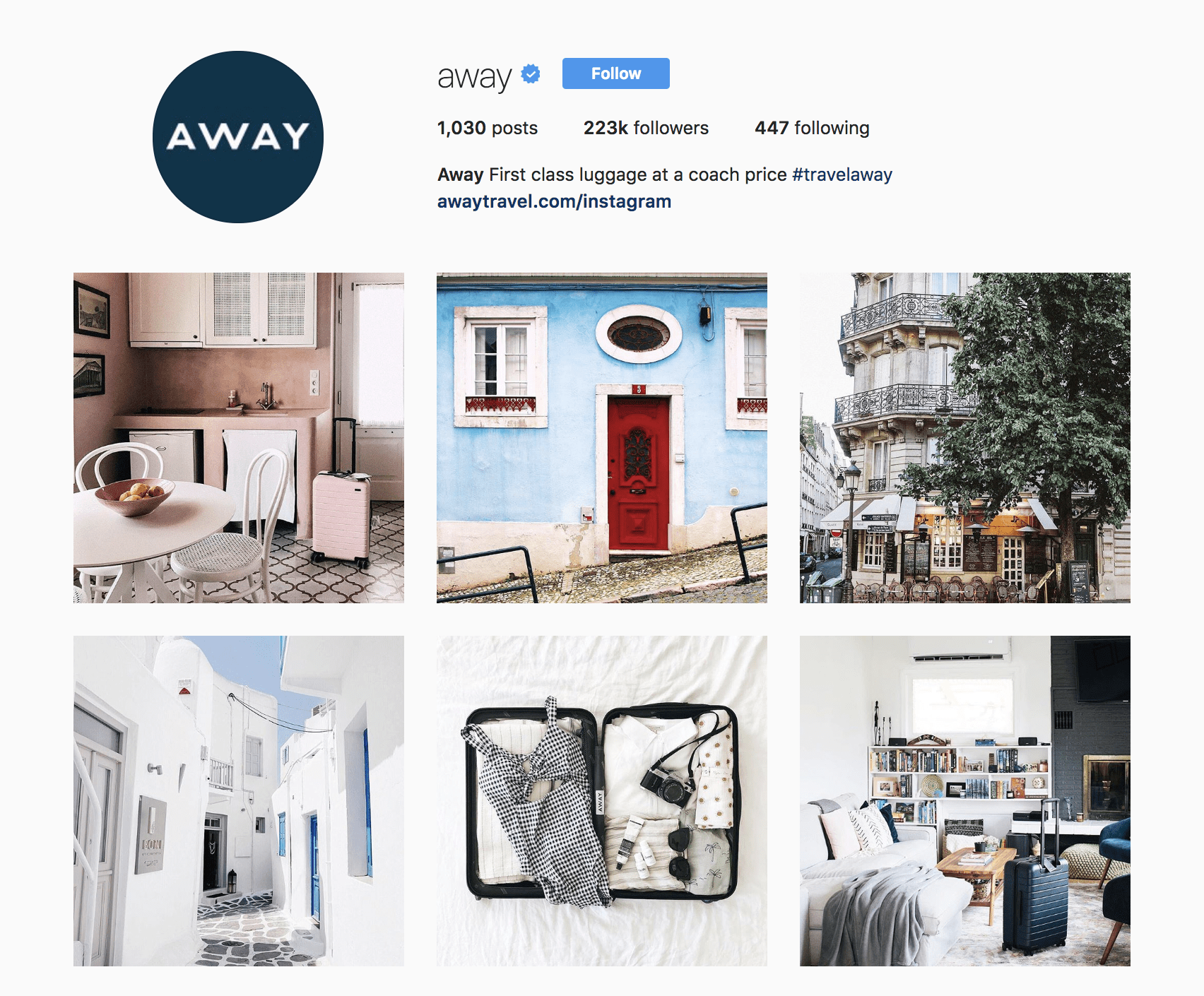
यह सोच उनके पूरे उत्पाद बाज़ार में व्याप्त है। जहाँ रैडेन का इंस्टाग्राम सिर्फ़ बेचे जा रहे उत्पादों पर केंद्रित था, वहीं अवे के इंस्टाग्राम अकाउंट में अवे द्वारा बेचे जा रहे उत्पादों के साथ-साथ जीवनशैली और उपयोगिता पर भी उतना ही ज़ोर दिया गया है।

स्क्रीनशॉट 2018-05-21 अपराह्न 12.28.07 बजे

जहाँ अवे ने गंतव्य और ब्रांड आत्मीयता पर ध्यान केंद्रित किया (जिसमें "हियर" नामक एक प्रिंट पत्रिका भी शामिल थी), वहीं रैडेन ने ग्राहकों के साथ जो रिश्ता बनाए रखा, वह उस रिश्ते से बिल्कुल अलग था जिसे अवे जारी रखना चाहता है। दोनों दृष्टिकोणों के बीच के अंतर ने प्रत्येक ब्रांड की उत्पाद पेशकश को बहुत प्रभावित किया: रैडेन का दृष्टिकोण संकीर्ण था, जबकि अवे का दृष्टिकोण व्यापक। फ़ास्ट कंपनी के आज के विशेष लेख में एक महत्वपूर्ण बिंदु इस प्रकार है:

वह मुझे गणित समझाते हैं। सीधे उपभोक्ता तक पहुँचने वाले सूटकेस ब्रांड का लक्षित बाज़ार अपेक्षाकृत संकीर्ण होता है। यह कोई सामूहिक खरीदारी नहीं है। आपके दर्शक वे लोग हैं जिनके पास कैरी-ऑन पर $200 से $400 तक खर्च करने लायक पर्याप्त आय है, लेकिन साथ ही वे डिजिटल रूप से इतने कुशल भी हैं कि वे सूटकेस को किसी डिपार्टमेंटल स्टोर के बजाय ऑनलाइन खरीदने को तैयार हों।

एक बार जब स्टार्टअप अपने लक्षित बाज़ार में किसी को कैरी-ऑन खरीदने के लिए मना लेता है, तो रिश्ता लगभग खत्म हो जाता है। थोड़े से अनुनय-विनय के साथ, ब्रांड उन्हें चेक किया हुआ सामान या शायद कोई और छोटा यात्रा सामान बेचने की कोशिश कर सकता है। लेकिन प्रत्येक ग्राहक का जीवनशैली मूल्य अन्य श्रेणियों की तुलना में अपेक्षाकृत कम होता है। एम.जेमी जैसा एक सीधा-से-उपभोक्ता लक्ज़री जूता ब्रांड एक महिला को उसके पूरे जीवन के लिए साल में दो बार $300 के नए जूते बेच सकता है। एवरलेन हर महीने एक ग्राहक के वॉर्डरोब अपडेट बेच सकता है।

एलिजाबेथ सेग्रान, फास्ट कंपनी

यहाँ उदास्किन का सुझाव है कि उन्होंने केवल उत्पाद श्रेष्ठता (DNVB फ़ॉर्मूले के तीन घटकों में से सिर्फ़ एक) पर ध्यान केंद्रित करके सही काम किया। लेकिन चूँकि उन्हें रैडेन के इर्द-गिर्द एक ब्रांड और कहानी बनाने में कोई मूल्य नहीं दिख रहा था, इसलिए उनके मौजूदा ग्राहकों को उनके द्वारा पेश किए जा सकने वाले वैकल्पिक उत्पाद कम थे। इसके अलावा, उनके सामान की अचल बैटरी और स्टार्टअप के छोटे रनवे ने उनकी इस स्थिति को प्रभावित किया कि सामान निर्माता के पास परिचालन बंद करने के अलावा कोई विकल्प नहीं था। उन्होंने यह भी सुझाव दिया कि लंबे समय में इस प्रकार के उत्पादों के लिए कोई बाज़ार नहीं है, जो एक दूरगामी दावा है।


2PM को भेजे गए एक ईमेल में अवे के सीईओ स्टेफ कोरे ने अवे की स्थिति स्पष्ट की: 

किसी ब्रांड की सफलता उसके द्वारा जुटाई गई धनराशि या किसी अन्य चीज से निर्धारित नहीं होती, बल्कि बहुत सी छोटी-छोटी चीजों के सही संयोजन से निर्धारित होती है।

हमारे लिए, यह हमारे द्वारा किए जाने वाले हर काम के प्रति ग्राहक-केंद्रित दृष्टिकोण रखने (अपने ग्राहकों को सुनने के लिए समय निकालना, उनकी बातों को गहराई से समझना और फिर उस पर तुरंत अमल करना), उन्हें ब्रांड से परिचित कराने के तरीके के प्रति ईमानदार होना (यह सुनिश्चित करना कि हम जो विपणन कर रहे हैं वह उन लोगों के लिए दिलचस्प होगा जिनके लिए हम इसका विपणन कर रहे हैं, और साथ ही एक ऐसी कहानी का निर्माण करना जो एक ब्रांड के रूप में हमारी पहचान के लिए प्रामाणिक हो, चाहे चैनल या लक्षित दर्शक कोई भी हों), और भविष्य के लिए खुद को किसी एक उत्पाद या योजना तक सीमित न रखना (लॉन्च के बाद से एक सूटकेस से लेकर दर्जनों यात्रा वस्तुओं तक विस्तार करना, और यात्रा अनुभव में वर्तमान में जो कुछ भी गलत है उसे ठीक करने पर ध्यान केंद्रित करना)।


डीएनवीबी ब्रांडिंग के शुरुआती सबक में से एक ऐसा है जिसे केवल विश्लेषण और तर्क से नहीं समझाया जा सकता। यह बहुत व्यक्तिपरक है। फिल नाइट का कभी नया-नया जूता व्यवसाय जूते बेचता था, लेकिन नाइकी कभी जूता कंपनी नहीं थी: यह एक ऐसी कंपनी थी जो चैंपियनों को सक्षम बनाती थी। टेस्ला कारें बेचती है, लेकिन टेस्ला भविष्यवादियों की कंपनी है। एप्पल कंप्यूटर बेचता है, लेकिन यह रचनाकारों की कंपनी है।

आकांक्षी उत्पादों के लिए, उपभोक्ता ऐसे ब्रांड चुनते हैं जो उनकी जीवनशैली, विश्वास प्रणाली और लक्ष्यों के अनुकूल हों। शुरुआत से ही, अवे ने कुछ ऐसा हासिल किया है जिसे बहुत कम DNVB शुरुआत में समझ पाते हैं। उत्पाद बनाना तो बस आधी लड़ाई है। इसका मतलब है कि चाहे उन्हें कितने भी कठिन नियमों का सामना करना पड़े, वे ऐसे उत्पाद बनाने के लिए एक कैनवास बनाए रखेंगे जो उनके उत्साही, मिलेनियल यात्रियों के समुदाय के लिए प्रासंगिक हों। यह संभव है कि जैसे-जैसे पारंपरिक बिक्री जारी रहेगी, आपको मिलेनियल यात्रियों और यात्रियों द्वारा पसंद किए जाने वाले SKU, स्टाइल और ऐड-ऑन की संख्या बढ़ती दिखाई देगी। हाँ, स्टेफ कोरे और जेन रुबियो सामान बेचते हैं, लेकिन अवे एक ट्रैवल कंपनी है। और अवे जहाँ चाहेगी, वहाँ जाएगी।


अपडेट: 26 जून को, अवे ने अवे और ड्वेन वेड के बीच सहयोग की घोषणा की। 28 जून को, अवे ने 50 मिलियन डॉलर के निवेश की घोषणा की, जो इतिहास में महिला संस्थापकों द्वारा किए गए सबसे बड़े निवेश दौरों में से एक है। उनकी संचार निदेशक कैसी ग्रिट्जमाकर के अनुसार:

इस नवीनतम फंडिंग दौर के साथ, अवे की योजना नए बाजारों में विस्तार करके दुनिया भर में अपनी स्थिति को और मजबूत करने की है; अपनी उत्पाद श्रृंखला का विस्तार जारी रखते हुए, आपको यात्रा के लिए आवश्यक सभी चीजों का एक आदर्श संस्करण उपलब्ध कराना; अपनी भौतिक खुदरा उपस्थिति का विस्तार करना (2018 के अंत तक न्यूयॉर्क, लॉस एंजिल्स, सैन फ्रांसिस्को और ऑस्टिन में अपने मौजूदा स्टोरों के अलावा 6 नए स्टोर खोलना); अपने मौजूदा सामाजिक प्रभाव प्रयासों को और बढ़ाना (पीस डायरेक्ट के साथ अपनी साझेदारी और नई पहलों के माध्यम से); और अगले पांच वर्षों में 249 नई नौकरियां पैदा करना, तथा टीम को अपने गृहनगर न्यूयॉर्क शहर में 56,000 वर्ग फुट के नए वैश्विक मुख्यालय में स्थानांतरित करना।

इस मुद्दे पर अधिक जानकारी यहां पढ़ें।

वेब स्मिथ और मेघन टेरविलिगर द्वारा | लगभग 2 बजे 

Memo: The End of Conglomeration

Monopoly is not a suitable term for what Amazon is in the process of accomplishing. A monopoly is defined as the exclusive possession or control of the supply or trade in a commodity or service. There is no term for a corporation becoming the supply or the trade.

I am not anti-Amazon but it’s becoming easier to see how this current administration could bend precedent to break up a web-based conglomerate.

Amazon is the titan of twenty-first century commerce. In addition to being a retailer, it is now a marketing platform, a delivery and logistics network, a payment service, a credit lender, an auction house, a major book publisher, a producer of television and films, a fashion designer, a hardware manufacturer, and a leading host of cloud server space.

Yale Law Journal: Lina M. Khan, Amazon’s Antitrust Paradox

Amazon is trading at near all-time highs, with a market cap in excess of $700B. Historically, Wall Street investors and consumers have been tremendous fans of Amazon, Main Street businesses have not. This is an important distinction.

Until the 1970’s and 80’s, antitrust litigation has focused on structuralism: a focus on relationships of contrast between elements in a conceptual system that reflect patterns underlying a superficial diversity. 

After Reagan’s Antitrust Explosion of 1982, elements of the law began to shift from structuralism and toward consumer welfare. That year, AT&T and IBM faced antitrust litigation that forced changes in each company by 1984. As you know, Amazon Web Services (AWS) and Prime have helped the public company to minimize losses. Thus far, Amazon has been immune to consumer welfare pressures. Due to the successes of AWS and Prime subscriptions, the direct-to-consumer side of the business has operated as a relative loss leader. As Yale Law Journal’s Linda Khan pointed out, this loss leading metric has blinded regulators to the hazards of Amazon’s business strategy.

[My] analysis reveals that the current framework in antitrust—specifically its equating competition with “consumer welfare,” typically measured through short-term effects on price and output—fails to capture the architecture of market power in the twenty-first century marketplace. In other words, the potential harms to competition posed by Amazon’s dominance are not cognizable if we assess competition primarily through price and output. Focusing on these metrics instead blinds us to the potential hazards.

Yale Law Journal: Lina M. Khan, Amazon’s Antitrust Paradox

The 1982 antitrust guidelines introduced by Reagan and his administration set a meaningful departure from ninety years of legal precedent; these guidelines were re-emphasized in 1968. The actions of the Reagan administration in 1982 reflected a new focus. Lina Khan went on to say: “The law against vertical mergers is merely a law against the creation of efficiency.” With the election of President Reagan, this view of vertical integration became national policy. This has been known as the Chicago School approach.


The Chicago School approach to antitrust, which gained mainstream prominence and credibility in the 1970s and 1980s, rejected the structuralist view. In the words of Richard Posner, the essence of the Chicago School position is that “the proper lens for viewing antitrust problems is price theory.”


To pursue an Amazon antitrust case, President Trump will have to reverse the revered national policy of the Reagan Justice Department. It can be implied that the Reagan administration’s shift from structuralism and towards price theory was meant to emphasize middle-class consumerism. But no one could have foreseen Amazon’s role in building a modern monopoly over America’s consumer web. Frankly, their version of a monopoly is altogether different. Here is an illustration for you:

The 4% / 43% figure doesn’t begin to tell the story. No one could have predicted how effective an internet-based conglomeration could be. Or the impact that Amazon’s sales could have on commercial real estate woes. Or how Amazon lobbies for potentially detrimental state / local tax benefits. Around the country, real estate brokers are in a panic as warehouse / office park leasing have fallen off a cliff. In addition, Amazon’s HQ2 campaign is leading to a growing criticism from those who believe that Amazon may have too many tax and cost benefits and at the peril of middle-class workers and retail entrepreneurs.

Trump’s deep-seated antipathy toward Amazon surfaces when discussing tax policy and antitrust cases. The president would love to clip CEO Jeff Bezos’ wings. But he doesn’t have a plan to make that happen.

Jonathan Swan, Axios

अमेज़न ने अपना कारोबार इस विश्वास के इर्द-गिर्द गढ़ा कि जब तक उपभोक्ता कीमतें कम रहेंगी, तब तक प्रतिस्पर्धा-विरोधी कानून लागू नहीं होंगे। लीना खान ने आगे कहा: "1970 और 1980 के दशक में कानूनी सोच और व्यवहार में आए बदलाव के कारण, अब प्रतिस्पर्धा-विरोधी कानून मुख्यतः उपभोक्ताओं के अल्पकालिक हितों को ध्यान में रखकर मूल्यांकन करता है, न कि उत्पादकों या समग्र रूप से बाज़ार की स्थिति को ध्यान में रखकर; प्रतिस्पर्धा-विरोधी सिद्धांत, कम उपभोक्ता कीमतों को ही, ठोस प्रतिस्पर्धा का प्रमाण मानता है।"

The health of the retail sector has been on decline for quite some time. Retail business owners, real estate brokers, lenders, and commercial developers didn’t foresee how much of an effect Amazon and eCommerce would have on their adjacent sectors. Where there was originally confusion and apathy, there is now a shared disdain for the Seattle eCommerce giant. Main Street business owners, politicians and pundits have taken notice. And this is the audience to whom President Trump speaks.

Under the current interpretation of antitrust laws, Amazon seems to be getting a free pass. So I should say that antitrust laws in, their current state, don’t prohibit conglomeration. They don’t prohibit a single company from being involved in all these different lines of business. But what they are supposed to prevent is a company that enjoys a dominant footprint in one area of the market, using that footprint to leverage its way into other markets, and so I think that’s the area where Amazon potentially should be facing scrutiny.

From Korva Coleman’s interview of Lina M. Khan, NPR

In 1890, the father of the Sherman Act, Mr. John Sherman (R-OH) stood on the floor of the Senate and declared the following:

If we will not endure a king as a political power, we should not endure a king over the production, transportation, and sale of any of the necessities of life. If we would not submit to an emperor, we should not submit to an autocrat of trade, with power to prevent competition and to fix the price of any commodity.

When the gentleman from Ohio made this statement, he couldn’t envision a future where one man presided over a corporation responsible for a great deal of production, transportation, and the sale of any necessities of life. Sherman also couldn’t envision the internet, a virtual destination void of political governance or etiquette. Amazon’s strategy continues to be the forging of an antitrust-proof conglomeration – loved by consumers and feared by both incumbents and challengers.

Antitrust law is overdue for change. The language no longer matches the time. And while Amazon may not be the most deserving of this scrutiny, they are the most likely target.

The laws will change to address the modern day concerns of retailers, logistics networks, newspaper publishers, ad firms, shipping companies, grocers, auction houses, book publishers, movie studios, software companies, hardware manufacturers, credit lenders, payment services, and internet service providers. In our modern American economy, any business that touches the internet has been affected by Amazon.

Bezos is aiming to possess the entire board upon which a monopoly can be formed  — the consumer internet. And populist politicians may eventually conclude that no corporation should be able to own the consumer internet. But for now, Amazon has every advantage.

Report By Web Smith | About 2PM