Краткое описание участника: Omnichannel Nirvana

Обе стороны стремятся к омниканальной нирване.

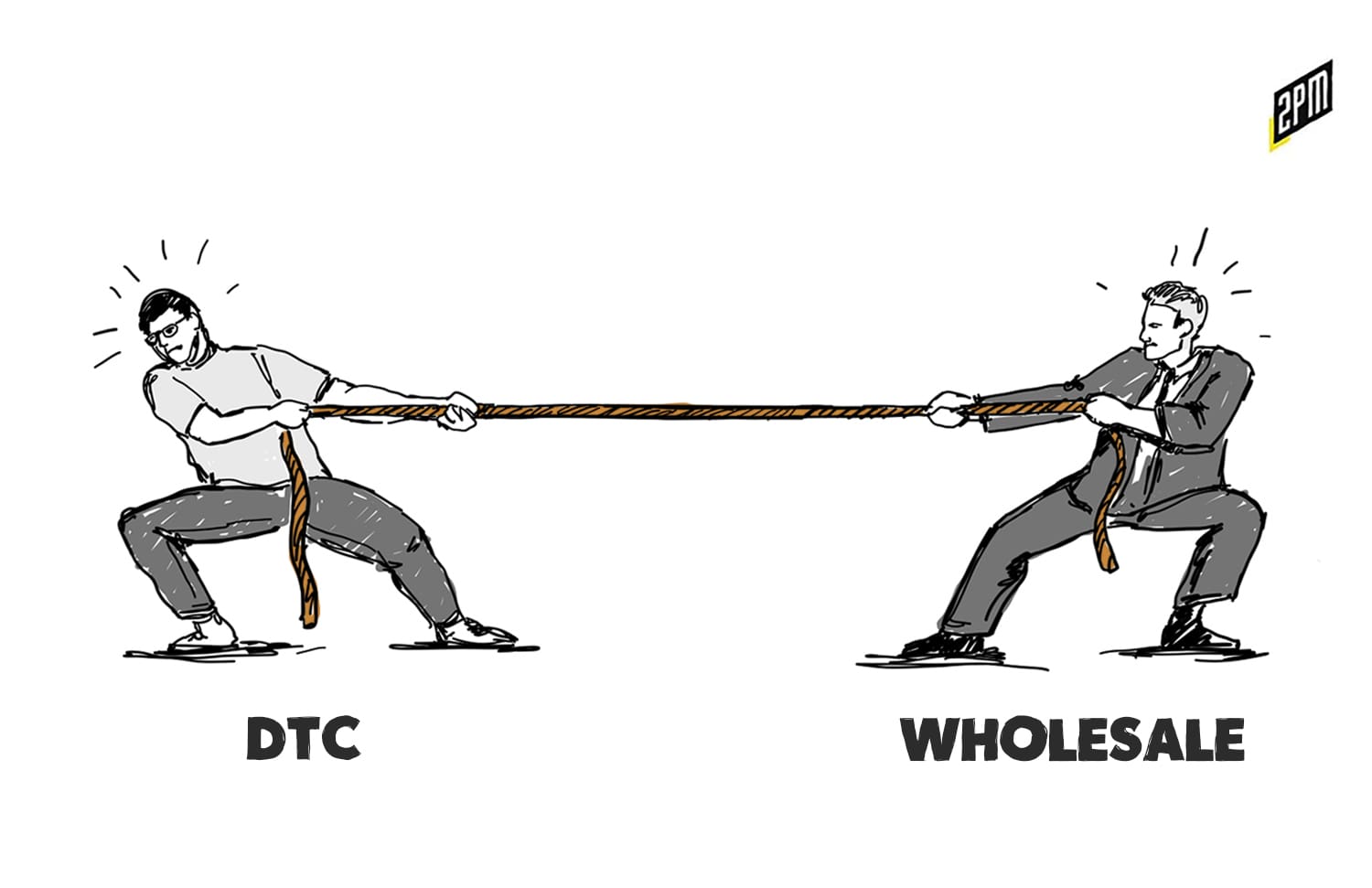
В то время как Nike фокусируется на своей стратегии "прямого контакта с потребителем", задевая при этом универмаги и специализированные магазины, Allbirds уживается с оптовыми продажами. Это интересный парадокс в омниканальной стратегии, учитывающей известность бренда и экономику единицы продукции. Бренды, обладающие скоростью продаж и статусом, позволяющим им владеть своей дистрибуцией, могут и будут двигаться в сторону модели собственных магазинов / DTC. Бренды, стремящиеся достичь прибыльности и масштаба, переходят к оптовым партнерствам с третьими лицами.

Похоже, формируется цикл: цифровые и традиционные бренды, которые достигают критической массы, работая с оптовиками, в конечном итоге переходят на стратегию digital-first.

Это еще один признак уязвимого состояния игровой книги DTC, который следует за макротенденциями, формирующими розничную торговлю в данный момент. Всего за неделю с момента публикации два ключевых тренда в сфере коммерции и их последствия, обозначенные к 2 часам дня во вторник, начали проявляться в реальном времени. Из презентации Digital Commerce Global Summit:

От физического к цифровому: Ритейлеры отходят от сторонних розничных сетей

Ведущей стратегией для брендов любого размера и статуса является намеренное и тщательное создание оптовой сети, позволяющей контролировать запасы и налаживать партнерские отношения, а не распыляться и распыляться, как это было в прошлом поколении розничной торговли. Сторонние ритейлеры будут играть меньшую и иную роль, чем раньше, поскольку бренды сосредоточатся на своих собственных каналах. Пример тому: К 2027 году Nike на 70 % будет работать напрямую.

От цифрового к физическому: DNVB открывают собственные магазины

Для онлайн-брендов расширение происходит на уровне магазинов. Физические магазины усиливают ореол бренда в Интернете и при хорошей работе приносят деньги. Риск заключается в том, чтобы избежать чрезмерной розничной торговли. В соответствии с этим расширением торговый центр будет переделан по образу и подобию DTC.

Доходы Allbirds на этой неделе подчеркнули необходимость переосмысления стратегии развития физических магазинов и оптовой торговли. По данным CNBC, акции упали после того, как бренд отразил растущие расходы, которые съели прибыль. Открытие розничных магазинов стало одной из главных статей расходов. Чтобы окупить продажи, Allbirds заявила, что будет продавать свою продукцию через сторонних ритейлеров, назвав в качестве оптового партнера Nordstrom. В недавней статье WWD объясняется:

По словам Цвиллингера, компания начнет оптовые продажи в первую очередь в США, а также небольшому числу европейских ритейлеров, а в будущем планирует открыть магазины в Азии. По его словам, магазины не будут иметь доступа к полному ассортименту Allbirds, а будут выбирать товары, наиболее подходящие для их сегментов рынка. По словам Цвиллингера, они будут ограничены в том, что смогут продавать по акции, чтобы сохранить ценовую целостность Allbirds, которую она поддерживала на протяжении последних пяти лет.

Чтобы вернуться к своим DTC-корням, Allbirds необходимо развивать свой бизнес и укреплять капитал бренда, сохраняя при этом экономичность (ценообразование), о которой говорил генеральный директор Джоуи Цвиллингер в своих комментариях WWD. У Nike было преимущество на протяжении десятилетий, и это несправедливое сравнение, но именно таким образом компания сейчас перестраивает свою модель дистрибуции. По данным NPD Group, Nike, наряду с Adidas и Skechers, является своим лучшим розничным каналом.

Стратегия Nike в области прямой розничной торговли обширна и продумана до мелочей, она включает в себя концепции магазинов, игры, приложения и Web 3.0. Ее планы владеть покупателем при каждом взаимодействии наносят ущерб розничным сетям, которые привыкли полагаться на нее. Издание Footwear News сообщило о срочной необходимости консолидации дистрибуции в штаб-квартире Nike:

Агрессивная DTC-стратегия Nike привела к тому, что бренд прекратил сотрудничество с такими оптовыми компаниями, как Zappos, Dillard's, DSW, Urban Outfitters, Shoe Show и другими, оставив многих ритейлеров без возможности продавать один из самых популярных брендов в магазинах. Nike также сократила количество товаров, предлагаемых существующими поставщиками, такими как Foot Locker, чтобы консолидировать дистрибуцию.

Акции компании Foot Locker упали, поскольку она сообщила о мрачных перспективах в связи с потерей части присутствия Nike в магазинах. Другие ритейлеры, такие как DSW, Urban Outfitters и Shoe Show, столкнулись с аналогичным давлением на рынок после новостей об уходе Nike. В то время как бренды находятся в своем собственном цикле, магазины, которые на них полагаются, переживают свой собственный ренессанс. Для большинства из них это не будет ни гибелью, ни мраком.

Если мои предположения верны, то омниканальную пустоту, оставленную крупнейшими, наиболее состоявшимися ритейлерами, заполнит класс современных брендов, таких как Allbirds и NOBULL. А через пять, 10 или 20 лет те же самые истории будут написаны об этих современных брендах, стремящихся построить свое будущее, - такова новая форма симбиотических отношений между брендами, физическими ритейлерами и развивающимися стратегиями дистрибуции.

С одной стороны: прибыльные корпоративные традиционные бренды в новостях рассказывают о том, что они уходят от оптовой торговли в сторону DTC. С другой стороны: пока еще не прибыльные цифровые бренды в поисках прибыли и масштаба переходят на оптовые продажи в универмагах.

Каждый из них пытается достичь своего рода омниканальной нирваны.

Автор Веб Смит | редактор Хилари Милнс с иллюстрациями Кристины Уильямс

Memo: Peloton, Just Do It.

Who knows? It’s likely that Nike will dismiss rumors of its potential Peloton takeover if they haven’t already. CNBC noted earlier that John Foley has “unwavering confidence” in the company’s future as a standalone company. Peloton is not the type to cede power to any external company but if they did, it would work wonderfully. Assuming the deal won’t happen, this is why it should have. This Bloomberg opinion piece was spot on:

Nike can be considered a luxury label if you look at the upper-end of its price ranges, with jackets and sneakers topping $500. That fits well with Peloton’s positioning, given its hefty price tags, with bikes starting at $1,495.

What Peloton needs more than anything is energized and engaged new users who will feel comfortable paying the full price for Peloton hardware while remaining engaged in the mobile app and virtual community that comes with it. Nike can offer this, especially now that American consumers are returning to gyms:

Nike has spent years investing in its virtual community by leaning heavily into a suite of apps that serve different customers and different needs. Its main Nike app is for straightforward shopping, Nike Run Club and Nike Training Club track workouts, and the SNKRS app is the go-to for sneaker heads closely following upcoming drops and releases. Being a Nike+ member, while free, activates a closer relationship to the retailer via product updates and exclusives. It’s easy to see how Peloton could fit into Nike’s fitness apps and propel a spin into paid memberships for Nike. The user bases of the two companies likely overlap but there are a number of cross-selling opportunities between the two. Peloton’s high-earning customers could level up Nike’s positioning as a luxury offering for those who want to buy in, while Nike’s vast reach will inject Peloton with efficient customer acquisition. It’s also easy to see why Peloton might need Nike’s assistance.

The Peloton brand isn’t what it was. In Peloton’s Diffusion, we wrote: “In diffusing its rabid base to gain as many customers as possible, it weakened the bonds between those in its core demographic.” The result of targeting mass adoption by lowering prices and increasing financing opportunities meant that the brand stands for less to its early adopters that turned the in-home cycle to one with a cultish following. It is reflected in its diminished apparel business. CNBC recently reported that it is slashing its apparel sales forecast for 2022. Still, Peloton’s product is still superior to any competitor on the market – for now. Echelon recently convinced the USPTO that Peloton’s patents for streaming and on-demand classes were not actually patentable. According to a recent Bloomberg report, there could be more to come.

The risk with Peloton’s strategy is that it could backfire if courts deem that its “revolutionary technology” isn’t so revolutionary after all. As in, what just happened with Echelon. Should this occur on a wider scale, Peloton risks finding itself out millions of dollars and without legal protections for the core of its business.

So if Peloton is losing brand equity, losing the rights to technological patents that differentiated it from competitors, and losing the battle against the resurgent interest in gyms – who better to reinvigorate interest in the product than Nike?

Nike’s been transitioning to a direct-to-consumer brand. In addition to its apps, it’s spent time investing in store concepts like House of Innovation, curtailing underperforming wholesale partnerships and tiering its products to create a fuller, richer experience for direct customers. Recent initiatives to bring Nike to Web3 have underscored the important of a DTC strategy. Nike has been busy filing trademarks for the metaverse, building a virtual Nikeland world on Roblox and it also acquired RTFKT, signaling a deeper investment in the metaverse.

As a result, Nike isn’t just an apparel company any longer. It’s a direct-to-consumer leader and a Web3 pioneer. With a Peloton deal, Nike would receive hundreds of thousands of screens to market its own products: physical, digital, and everything in between. But more importantly, it would properly position it against its foremost challenger: Lululemon/Mirror and Tonal’s continued rise in prominence.

Nike and Amazon’s pursuits of Peloton will likely end with little to show for it. Acquisition interest comes and goes. But if there was a partner suited to benefit from Peloton’s existing infrastructure, it would be Nike. In a recent deep dive into another retailer’s strategy, we explained that Nike was actually laying the groundwork for its involvement in the in-home digital fitness arena:

Nike is laying the groundwork for further expansion. The brand is currently going up against Lululemon in a patent spat over Mirror technology – demonstrating it’s fighting for ownership in a bigger Nike universe.

When Nike sued Lululemon for patent infringement over its Mirror technology in December, implications that Nike is planning its own investment in hardware and at-home fitness tech were apparent. The lawsuit accuses Lululemon of infringing patents, including exertion-level technology, user competitions and performance recordings. Whether or not Nike’s future in at-home fitness tech lies with Peloton, its aggressive move to challenge Lululemon and Mirror’s own strategy signals that Nike is at least threatened by the category’s rise encroaching on its turf.

John Foley is an independent thinker, a CEO that thrives on control and territorial leadership. It’s unlikely that he will cede any power to fitness’ top company. But if he did, it would be the most mutually beneficial relationships in business today. In Nike, Peloton receives a pipeline of new business and a reestablished footing in luxury fitness. In Peloton, Nike claims a stake what appears to be a multi-pronged approach to grow into owned physical spaces, owned digital channels, and a burgeoning Web3 space where the behaviors of IRL community and digital commerce collaborate in new ways. Even here, Peloton can help facilitate further innovation.

Peloton has shed the market cap to make this $10 billion bet one that makes sense for the $230 billion brand. In the small chance that the sides see that they share many of the same goals, Nike will be as present in the home as it is in gyms, the metaverse, and sporting arenas everywhere. And Peloton, who has increased ad placements by 46% over the previous three months would have the total addressable market that money could not buy.

By Web Smith | Edited by Hilary Milnes with art by Christina Williams and Art Remy

Краткая информация о члене: Не аутентифицирован

С тех пор как в январе StockX начала чеканить собственные NFT кроссовок Nike, она искушала судьбу. Теперь, когда Nike подала иск, в котором утверждает, что NFT онлайн-перекупщика нарушают ее торговые марки, будет решено, кто имеет права на какую интеллектуальную собственность в реальном мире в метавселенной.

Этот краткий обзор предназначен исключительно для Исполнительные членыЧтобы упростить членство, вы можете нажать на кнопку ниже и получить доступ к сотням отчетов, нашему списку DTC Power List и другим инструментам, которые помогут вам принимать решения на высоком уровне.

Присоединяйтесь здесь