

Este informe está destinado exclusivamente a Miembros ejecutivos, para facilitarle la afiliación, puede hacer clic a continuación y acceder a cientos de informes, a nuestra lista DTC Power List y a otras herramientas que le ayudarán a tomar decisiones de alto nivel.
Nº 335: La clase mercantil
 La refutación que se suele oír es: "El comercio electrónico es no cuello azul". Es un estribillo tuiteado desde los pisos 20 de las aglomeraciones urbanas. En esas plantas, encontrarás espacios de trabajo con doble vigilancia junto a máquinas de café espresso y bares de colágeno. Pero Jerry M., de Pickerington (Ohio), no opina lo mismo.
Lleva cuatro años trabajando en el tercer turno de Amazon en su centro CMH2. Con su fiel Fitbit, mide su actividad nocturna. Su objetivo diario es algo más de 17.000 pasos, aunque este hombre de 57 años suele dar entre 12.000 y 13.000 pasos. Sus estadísticas de recogida y embalaje son aún más impresionantes. En una noche cualquiera, su centro de distribución es uno de los más prolíficos de Ohio Central. Y eso es mucho decir. Jerry no es ajeno al trabajo duro, es un antiguo hombre de mantenimiento que aprovechó la oportunidad de crecer con la explosión del negocio logístico de Amazon. Se pagaba mucho mejor.
 El centro de Ohio es un bastión de centros logísticos de terceros y almacenes de distribución. Nombra una marca nativa digital y es probable que tenga presencia en la zona. Fue mi primera experiencia entre las paredes de uno de esos minoristas lo que cambió por completo mi percepción del comercio. A los 26 años, empecé en el departamento de marketing de Pícaroun minorista en línea ahora gigantesco que emplea a cientos de maquinistas, trabajadores de almacén, ingenieros de embalaje y desarrolladores y ejecutivos de front office. Los empleados y contratistas ocupan ahora 900.000 metros cuadrados cerca del centro de Columbus. Pero en mis dos primeros días en la empresa, pasé las horas en el almacén moviendo cajas de 12 kilos. El segundo día, me puse zapatos cómodos.
A los vendedores, desarrolladores y gestores: ellos son el comercio en línea. Son lo que hace que el motor se mueva. Y durante un tiempo fue cierto. Las inversiones en comercio, como la contratación de equipos de ingeniería, talento publicitario, espacio en servidores, creativos capaces y expertos en redacción publicitaria, completaban el gasto principal. Los líderes gastaban mucho en el front-end, no en el back-end. El comercio eran píxeles, no carretillas elevadoras. Pero para los que fabricaban embalajes, manejaban carretillas elevadoras y transportaban mercancías a los camiones, ellos eran el comercio. Para ellos, los empleados de la oficina eran los reemplazables.
Mercantilización del Front End
El lado del producto front-end del comercio online se está comoditizando rápidamente. Tenemos Shopify y Magento, por supuesto. Pero hay soluciones para cada rincón del ecosistema; estas innovaciones crecen cada trimestre. Hay socios tradicionales como Fulfillment by Amazon (FBA), Adobe, BigCommerce, Square, Oracle, SalesForce y WooCommerce. Y hay opciones nuevas e innovadoras sin código, como Webflow Commerce y Storefronts by Elliot, un nuevo producto plug and play que se lanzó a bombo y platillo en Product Hunt. Con los escaparates, no se necesitan muchos de los empleados de atención al público que se necesitaban hace tan solo ocho años. La limitación es ahora la logística de almacén, y Shopify lo vio antes que cualquiera de sus competidores. La mano de obra es lo difícil.
La previsión del equipo directivo de Shopify no podía haber sido más oportuna.
A pesar de que el componente de front-end del comercio online se está convirtiendo cada día más en un producto básico, el comercio electrónico se debate principalmente dentro de los confines del código y los píxeles. Pero si alguna vez has tenido que construir algo, estarás tan agradecido al empleado de UPS como al desarrollador front-end. La venta al por menor en línea es una industria de cuello azul construida sobre tecnología accesible. Cuando Shopify se lanzó al sector de la logística de terceros (3PL) a principios de este año, levantó ampollas. Los críticos sugirieron que Shopify estaba perdiendo su enfoque. Muchas de las preguntas se centraron en cuestiones de óptica: ¿Pueden mantener la eficiencia en cientos de almacenes? ¿Comprenden la dificultad? ¿Bajará su puntuación neta de promotores? ¿Y no saben que son una empresa de software?
Desembalando la próxima batalla
La tercera pregunta es el quid de la cuestión. Shopify lleva una década habilitando escaparates para decenas de miles de minoristas tradicionales y nativos digitales. Ha sido, de hecho, un editor. Durante ese tiempo, la empresa ha añadido operaciones minoristas: seguimiento de inventario omnicanal, hardware de punto de venta y, ahora, envío y logística. La base de usuarios principal del minorista (titulares de cuentas Shopify) se beneficia de la creciente lista de competencias básicas de la empresa. [1]
Sentado con el fundador y CEO de Shopify, Tobi Lütke, en su oficina de Ottawa, una línea de pensamiento sobresalía por encima del resto. A mí me importaban más que a él los nombres empresariales del comercio. Al principio me pareció confuso. Dentro del sistema solar de Shopify, Plus es su propio planeta. Opera desde una ciudad diferente. Las culturas entre las oficinas son muy diferentes. Una es discreta, la otra tiene una pizca de fanfarronería. Pero para Lütke, Shopify no existe por el bien de Shopify Plus. De hecho, podría decirse que es al revés. Shopify Plus ayuda a Shopify a crear más herramientas para el comerciante común. Para el CEO con sede en Ottawa, ayudar a las tiendas familiares y a los millennials es donde está la acción. En este sentido, la ingeniería ya no es el cuello de botella. Hay una docena de opciones si un comerciante quiere vender un producto y aceptar pagos.
Shopify planea gastar 1.000 millones de dólares en su red de distribución hasta 2023, y Wong escribe que su investigación muestra que "hay suficiente descontento de los comerciantes con Amazon y suficientes ineficiencias en el flujo de trabajo logístico para innovar, que Shopify podría eventualmente competir contra" el gigante del comercio electrónico. [2]
Pero ha quedado muy claro que, en algún momento, el negocio de Shopify tenía que pasar de lo teórico a lo práctico, de los bits a las cajas. Si cada comerciante puede encontrar un escaparate, la visión original de Shopify ya no es suficiente. Esta semana, Shopify cerró oficialmente la adquisición de 6 River Systems por 450 millones de dólares en una operación en efectivo y acciones.
Al equipar a los almacenes independientes y a los 3PL con robots que calibran las tareas, se libera mano de obra para hacer más y más rápido.
Shopify espera que esta medida ayude a los empleados in situ en sus tareas diarias, como la reposición de inventarios, la preparación de pedidos, la clasificación y el embalaje, además de aumentar la velocidad y la fiabilidad de sus operaciones de almacén.[3]
Esta inversión a largo plazo era clave para la estrategia de Shopify. Al mejorar la eficiencia a través de cientos de almacenes, Shopify está aumentando la capacidad de los 3PL. Esto no sólo reduce los costes de envío, sino que también aumenta las tasas de éxito. Pregunte a cualquier 3PL de primer nivel si aceptaría a una pequeña empresa que factura menos de 300.000 dólares al año; la respuesta será "vuelva cuando haya crecido". Si los principales 3PL aceptan a pequeños minoristas como éstos, los costes son desproporcionados. La preocupación y la atención son mínimas. En un sector en el que los 3PL de mayor rendimiento facturan 200 millones de dólares o más, las cuentas de 100.000 dólares son una carga. Pero hasta hace poco, no existía un embudo eficaz para ayudar a los pequeños comerciantes a atraer el negocio de 3PL de propiedad independiente y pequeña capitalización como Ships-A-Lot de Ohio.
La fundadora media de un DTC dedica entre un 20 y un 30% de su tiempo a ocuparse de los envíos, al tiempo que gestiona la escala y las expectativas. Lütke está democratizando la logística de terceros para todos los comerciantes, no sólo para los de nivel empresarial. Al aumentar las opciones y realizar inversiones en robótica y sistemas de datos para reducir los costes, es posible que más comerciantes, pequeños minoristas y marcas DTC en fase inicial puedan finalmente utilizar los servicios 3PL en una fase más temprana de su ciclo de vida. En 2004, Shopify lanzó productos que hicieron que los fundadores se replantearan la contratación de ingenieros a tiempo completo. Con innovaciones como las plataformas sin código, el comercio online ha recorrido un largo camino desde aquellos días. La logística de terceros para los pequeños comerciantes es sólo el último de los puntos débiles que Shopify está bien posicionada para abordar para la clase comerciante.
Algunos dirán que el comercio electrónico no es un trabajo manual, pero las acciones de Shopify sugieren lo contrario. Para los empleados como Jerry y los cientos de miles de otros trabajadores de almacén repartidos por los parques de oficinas exurbanas de Estados Unidos, se ven a sí mismos como el centro del universo del comercio electrónico. Y con razón. Los productos son recogidos, empaquetados y trasladados por personas trabajadoras e incansables. El comercio minorista es el movimiento de bienes físicos que requieren enormes cantidades de trabajo físico para llegar cada vez más rápido a sus puertas. Por lo tanto, el comercio electrónico ya no es sólo un trabajo de oficina. Por supuesto, muchos comerciantes le dirán que en realidad nunca lo fue.
Informe de Web Smith y editado por Tracey Wallace | About 2PM
Polymathic Audio No. 1: John Lowe

John Lowe es el Director General de Jeni's Splendid Ice Creams. Natural del extremo sur de Chicago, Lowe ha tenido una vida variada llena de cultura, actividades académicas y desarrollo profesional. Se licenció en Ciencias Políticas por la Universidad de Illinois en 1995. En 1998 se licenció en Derecho por la Universidad Estatal de Ohio y durante nueve años trabajó como abogado en el prestigioso bufete Kegler Brown Hill & Ritter.
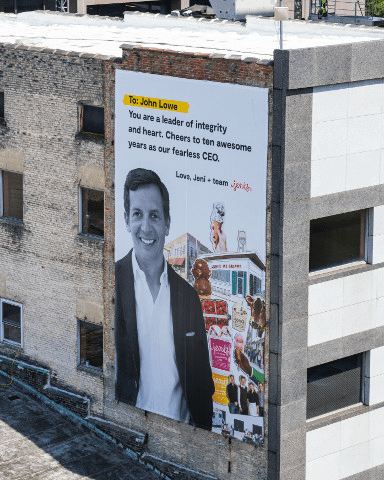
Mientras trabajaba en Kegler, ayudó a constituir Jeni's Ice Creams en nombre de la fundadora Jeni Britton Bauer y su marido Charly. Más tarde trabajó como asesor laboral y de empleo para las empresas de aviación, transporte y agua de General Electric. Aquí es donde las cosas se ponen un poco turbias. Lowe fue nombrado entonces Consejero General de una pequeña empresa dentro de GE, saltándose de alguna manera a cientos de abogados más experimentados y con más antigüedad en GE. Luego, durante la convulsa crisis financiera, la carrera de Lowe despegó de verdad.
Después de seis años, Lowe dejó General Electric para unirse a Jeni's cuando aún estaba en pañales. Jeni's, que entonces sólo contaba con cuatro tiendas de cucharas y no distribuía a terceros, tiene ahora cerca de cuarenta tiendas de cucharas y distribuye en más de 3.000 supermercados. Sus procesos de distribución directa no se parecen a ningún otro. Cada envío se mantiene refrigerado con la ayuda de hielo seco cuidadosamente empaquetado y una experiencia de desembalaje inigualable. Lleva diez años como Consejero Delegado. También es miembro del consejo de Watershed Distillery, White Castle y la sección de Columbus de Conscious Capitalism International. Es un ávido escritor, amante del baloncesto, padre de tres hijos y marido de una titán por derecho propio.
Lowe mantiene una colaboración especial con el fundador y rostro de la empresa. Uno de los momentos especiales del podcast es cuando explica cómo trabajan juntos y qué personajes públicos son más análogos a su proverbial pareja. Pero, en general, es su franqueza lo que se percibe.
Hay honestidad, verdad y vulnerabilidad en este debate de 56 minutos. En ella, me siento como un alumno que pregunta al profesor por el camino a seguir. Y en una industria que da prioridad a lo digital, llena de estrategas y habladores, Lowe es un operador en el sentido más estricto del término. Merece la pena dedicar tiempo a ver cómo y qué ha tenido que hacer para que la empresa pasara de ser un negocio de estilo de vida a una empresa de crecimiento respaldada por capital privado.
Jeni's es un nombre muy conocido. Jeni es una fuerza de la naturaleza y una mente creativa más grande que la vida. John es un ingrediente tan importante del éxito como el caramelo salado de la marca. Estoy orgulloso de llamarle amigo y mentor, dentro y fuera del espacio de trabajo. Podrás oír la admiración en mi voz.
Descargar:
Ep. 001: John Lowe
Ep. 001: John Lowe
Lecturas complementarias
The Ringer: El amor no es un campo de batalla y tampoco lo es el de Jeni
La Semana: Joe Biden gastó 3.800 dólares en helados para donantes
Pitchfork: Tyler, the Creator desvela el sabor de su helado característico
Forbes: Por qué marcas como Jeni's apuestan por los productos de marca