第 275 期:YouTube 走向商业

facebook-ad 副本 2
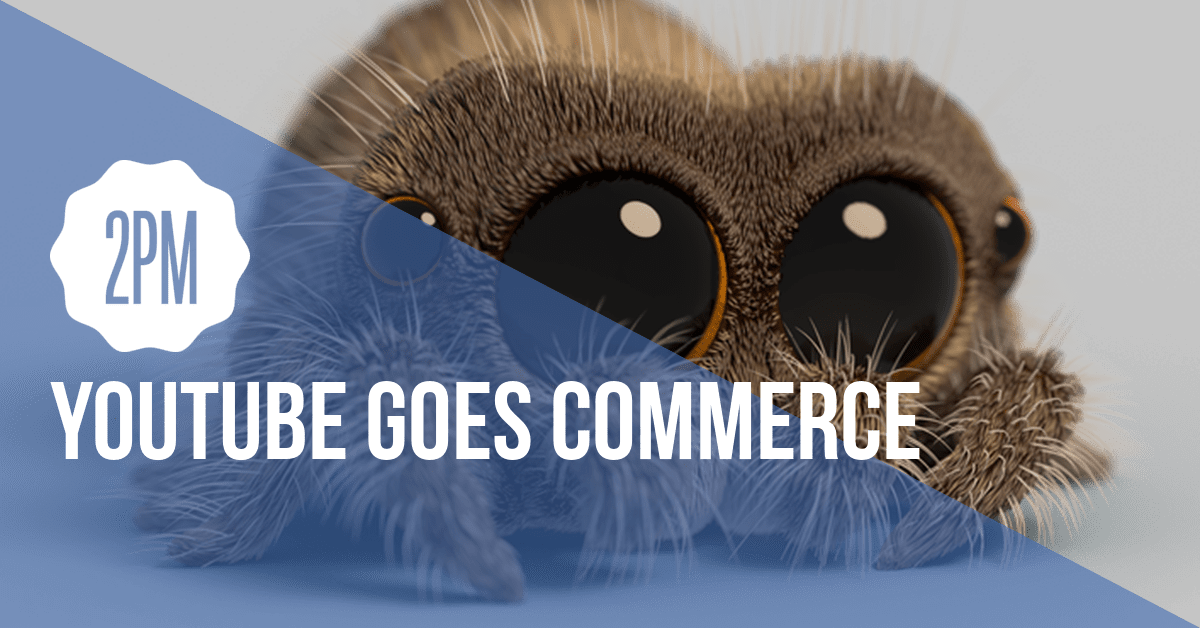
图为YouTube 红人 "蜘蛛卢卡斯"

最近,YouTube 的创作者们一直对该平台的广告业务感到不满。YouTube 传奇人物兼摄像师凯西-尼斯塔特(Casey Niestat)拥有近 1,000 万 YouTube 订阅者,陷入困境的 Pewdiepie 拥有 6,400 万订阅者,著名的 MKBHD 拥有 650 万订阅者,洛根-保罗(Logan Paul)拥有近 1,800 万订阅者(以及一个八位数的在线商店)。除了向这些数量级的受众投放广告所带来的收益外,创作者们也越来越依赖商品销售来获得稳定的收入来源。转眼间,一位 YouTube 创作者向世界展示了在线零售业务对创作者的强大作用。

约书亚-斯莱斯是迪斯尼的前雇员,目前是《卢卡斯蜘蛛侠》的创作者和动画师。 蜘蛛卢卡斯YouTube 现象的创作者和动画师。在一个拥有 240 万 YouTube 订阅者的相对较小的社区中,他的嵌入式商店在开张的头 18 天就取得了惊人的业绩。卢卡斯蜘蛛的创作者在 Teespring 上发起了一个类似 Kickstarter 的活动(除了一个完整的商店)。这款毛绒玩具在短短 18 天内就售出了约 6 万件,为约书亚带来了 100 万美元的净利润。这 60,000 件产品是 20 个可用 SKU 中的一个。
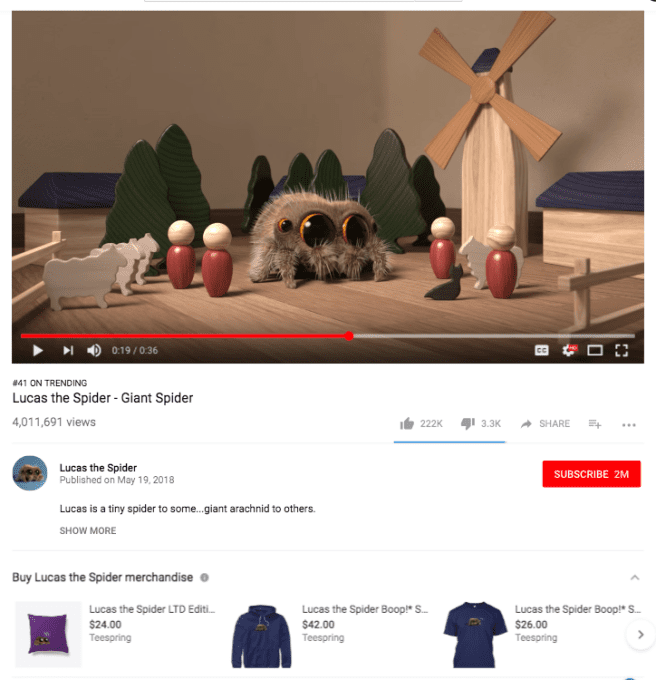
蜘蛛卢卡斯
Teespring 集成为创作者提供在线电子商务服务

在 6 月 5 日的 第 16 期会员简报:Patreon 的信号中,我们的研究让我得出了以下结论:

我们认为,Patreon 收购 Kit 标志着整个创作者领域的并购和合作活动可能会上升。Kickstarter 于 2016 年 3 月收购了滴滴出行,并很可能为其稳定的创作者寻求一种与 Patreon 类似的商品销售解决方案。YouTube 也将其平台定位为与 Patreon、Instagram 和 Shopify 竞争。

根据 Tech Crunch 2018 年 6 月 5 日的文章:

这笔交易还有助于 Patreon 领先于 YouTube 和 Facebook,后者正在蚕食 Patreon 的订阅赞助模式。Patreon 目前拥有 200 万赞助人,支持着 10 万名创作者。截至 2017 年,Patreon 在第一个五年里支付了 3.5 亿美元,预计 2018 年将再向创作者支付 3 亿美元,同时抽成 5%。

二十天后,重温《会员简报》似乎有点先见之明。随着 YouTube 和 Teespring 新近宣布合作,Patreon 最近的举动已经落后于形势。收购 Kit 并没有让 Patreon 更接近于为其 10 万多名合作伙伴提供商品。

Patreon 有能力成为内容创作者一站式货币化服务的领导者。Kit 可以成为他们的转型合作伙伴,从而加强 YouTube 和其他创作者网络对加强收入运营的需求。在保持顶级创作者竞争力的竞争中,商业将成为越来越重要的平台工具。未来六到十二个月的活动将决定哪些创作者网络会寻求上述商品物流公司的服务:通过合作、合资或直接收购。

第 16 期会员简报:Patreon 的信号

在推出电子商务服务之前,YouTube 最近推出了与 Patreon 为创作者提供的会员服务相同的会员服务。这对基于创作者的平台意味着什么?Patreon 的并购标志着一个整合时期的到来,并将继续导致顶级创作者服务的孤岛化。据音乐网的拜伦-琼斯(Byron Jones)称:"在测试期间,Teespring 报告称,YouTube 用户的成功率为 82%,每个用户的商品销售额平均上升了 25%。

跟踪不断增长的商品数据库

最初的数字是华丽的,而 Teespring 的公关一直在坚持。他们最近的成功在整个行业激起了涟漪。公平地说,这对他们来说是一个巨大的胜利,因为新的 YouTube 创作者现在会有动力继续忠于 YouTube 的产品。 YouTube的一些创作者很可能会考虑从其他店面转向YouTube的Teespring产品。甚至像 Logan Paul 这样的创作者(他拥有成熟的电子商务运营体系)也有可能考虑在自己的 YouTube 频道上测试在线零售。

但对于 Instagram 和 Patreon 来说,这次合作显然是一剂强心针。Instagram正在全力推进Shopify的无缝整合并进军YouTube领域,而Patreon在短期内仍需要一个商品销售合作伙伴和一个独家创意合作伙伴来帮助他们。整合仍将继续。

点击此处阅读更多相关内容。

By Web Smith and Meghan Terwilliger |About 2PM
第 16 期会员简报:Patreon 的信号

If you’re an independent creator, it’s likely that Patreon is a platform that you call home. Nearly 100,000 creators do. The platform has achieved notable traction in a relatively short period of time. It’s reported that by 2018, they’d process nearly $1 billion. Cofounders Jack Conte and Sam Yam’s creation launched in May of 2013 after Conte grew frustrated by Youtube’s lack of alternative monetization. As the story would go, Conte beta-tested the site with his own personal Youtube audience and began raking in $7,000+ per video. Youtube’s monetization would earn him a little more than $50 for the same work. Fast forward five years and Patreon is synonymous with patronage, as much as Kickstarter is synonymous with crowdfunding.

本会员简报专为以下人士设计 执行委员为了方便加入,您可以点击下面的链接,获取数百份报告、我们的 DTC 权力清单和其他工具,帮助您做出高水平的决策。

在此加入

Issue No. 267: On DNVB Branding

facebook-ad

What’s next in DNVB branding? Every vertical brand story has its beginning. For lifestyle and fashion DNVBs that are fortunate enough to work with the finest branding agencies, this story often begins with its founder’s biography, the problem that product x begins to solve, and proclamations of the brand’s inevitable staying power. It’s a short history, as most are in online-first retail. But it’s also a forward-thinking approach, one designed for: eCommerce, Instagram and Google advertising, and third party delivery. Less “we’ve been” and more “we will be.”

According to the godfather of the term, “DNVBs are maniacally focused on the customer experience and they interact, transact, and story-tell to consumers primarily on the web.” As brands begin to focus on off-line retail, you’ll begin to find that the packaging around the brands will change with that focus. Whereas technology and futurism appealed early on (2010-2014), the brands that succeed over the next ten years will focus on heritage as much as they focus on futurism.

Phase One (2010-2014): Technology

Warby Parker is the best example by a mile. The brand grew by implementing a practice that other direct-to-consumer companies had not. The company worked to eliminate all barriers to purchase by implementing tools designed to facilitate an ingenious customer experience. For this first phase of DNVB marketing, the eCommerce brand’s technology was the draw. The product is nominal and affordable but the access to it became just as much a part of the brand as the eyewear itself. Take this excerpt from a 2013 Wall Street Journal article co-written by Kevin Lavelle and me:

We are now in the age of e-commerce 3.0, where entrepreneurs can launch companies with few barriers to entry. eCommerce 1.0 consisted of crude online shopping in the ’90s offered by a few businesses met with significant consumer skepticism. This evolved into the more sophisticated interactions of e-commerce 2.0 in the mid 2000s, when most companies realized that if they weren’t online, they were endangering their future.

A new time is here — and the power no longer lies in the hands of a few buyers at large stores. Bigger businesses can be upended by an upstart competitor with a superior product. And retail startups no longer have to endure the long, slow road of trade-show hopping to get their product in front of a handful of buyers, or giving away a hefty portion of each sale to distributors.

Phase Two (2014-2018): Comedy

Dollar Shave Club’s 1m33s “Our Blades Are F***ing Great” video was developed to promote the launch of a (since-acquired) brand and has now been viewed over 25 million times. This internet ad is considered one of the premier examples of top funnel marketing and DSC’s brand of humor has since influenced other mens-focused brands to pursue humor as a means of brand differentiation: Chubbies (no. 67), Untuckit (no. 48), Tommy John (no. 54), and Mizzen+Main (no. 86).

Capturing one customer by way of a top funnel direct-to-consumer ad can cost upwards of $20 per click on Facebook. Digital advertising can be costly. To counter these steadily rising costs, brands have been stimulating awareness, interest, and consideration cycles by promoting a viral brand video. It achieves awareness, consideration, and intent.

Most importantly, introducing mainstream users to your brand and getting them to clickthrough for more information allows marketers to use tools like Facebook’s pixel to retarget casual visitors, moving them further down the sales funnel. Appealing to casual customers was an effective way of increasing top funnel traffic.

Phase Three (2018-forward): Heritage

Brands that began as the embodiment of online-first retailers are now expected to rival age-old incumbents, as they grow their annual revenues well beyond nine figures. Incumbent competitors are still around and some are even stronger than they were before the emergence of online rivals. All the while, new brands are beginning to compete on old-aged ground: mall retail, brick and mortar shops, and traditional advertising. The internet was supposed to completely eliminate these channels, instead, it provided cover until online retailers were prepared to go physical.

eCommerce has matured and physical retail has evolved into a more effective channel. As such, we’re beginning to see brands take on the traits of heritage companies. But if you’re eight years old, you won’t have much of a heritage story. For every Abercrombie, Filson, Ralph Lauren, Lily Pulitzer, Ray Ban, and Tag Heuer, there is a digitally vertical brand like Harry’s, Allbirds, and Outdoor Voices hoping to achieve staying power.

Heritage brands work to maintain heritage, while striving for futurism through of product and channel innovation (see Cole Haan). For heritage brands, presenting an aura of staying power means that the products and channels will present as forward-thinking for a millennial-driven, omni-channel age.

Meanwhile, vertical brands work to establish their products as an evolution of heritage products, while maintaining as many of their technological advantages as possible. For digitally vertical brands, longevity is projected by tethering to history and tradition.

The next wave in DNVB branding will be focused on developing history and tradition. Brands will deepen their roots by way of product collaborations, messaging, and unique origin stories of their own.

Look no further than this example of a heritage maker and vertical brand accomplishing both of their messaging objectives with one collaboration.

Messaging: “Legacy brands approve of us, they want us around.”

Web---NB-ReTooled

Long before designer dad sneakers infiltrated fashion hot spots across the globe, the New Balance 574 set the gold standard for what a well-designed, chunky, retro runner should be. It looked great when it launched in 1988, and in 2018 it manages to look stylish on just about anyone who wears it—actual dads included. Over the years, the 574 has become the go-to New Balance model when it comes to collaborations, too, so it’s seen a fair number of upgrades and interactions. But the latest collab—with the high-tech clothing label Ministry of Supply—brings the 574 into the ultra-performance future.  – Tyler Watamanuk, GQ

Messaging: “The finest legacy brands trust our platform.”

This month, Mr. Porter launched a tongue-in-cheek collaboration with Prada. As luxury continues to grow online, Mr. Porter is pushing to become the destination for such wares. This type of heritage nod goes a long way with consumers.

Since the 1990s, the brand has maintained an enviable position firmly at the forefront of fashion, to the extent that it has become a household name, a byword for sleek elegance, forward-looking design and, yes, a lot of fun print shirts. So great is the admiration for the brand’s wares in the MR PORTER office that there was something of a festival atmosphere when, in September 2016, we became the first online store to offer Prada’s much-coveted menswear collection.

Continue reading “Issue No. 267: On DNVB Branding”