第 272 号A 级 "前进之路

tierapathforward.jpg

The worst thing to happen to the American mall is the boom of online-first modern luxury companies. And it’s also the best thing to happen to the American mall.

There are 1,100+ malls in America and approximately 320 are graded Tier A. We have an oversupply of malls but that does not mean that traditional, anchored shopping centers no longer have a place in consumerism. We’d argue that Tier A malls have yet to see their best years. We expect their footfall traffic KPIs to grow, while B and C tiered malls continue their trends toward repurposed real estate and other methods to maintain footfall traffic KPIs (mall opportunity, sales opportunity, and store performance).

Suzanne Mulvee, director of research at CoStar, cites that “lower-quality malls in markets with smaller populations and lower incomes will continue to close” —a trend that persists today. And here’s a data based position:

Green Street Advisors, a research firm, forecast a 6.0 percent drop in market revenue per available foot (RevPaF) for class-B and -C malls from 2018 to 2022, versus a 0.5 percent increase for class-A malls during the same period. 

Private market values of class-B and -C malls have also dropped the most since January 2017, according to Green Street, plunging 27.0 percent and 25.0 percent, respectively, year-over-year. Meanwhile, the values of class-A malls declined by 14.0 percent year-over-year.

National Real Estate Investor

So what does this mean for digitally vertical native brands (DNVB), old and new? In short, online-first brands should be positioning their product offering for inclusion in Tier A malls. First, let’s look at the established. A retail presence for DNVBs varies, as such:

  • Harry’s has a prominent position in J. Crew shops (Tier A)
  • Shinola has marquee positioning as stand alone stores (Tier A)
  • Mizzen + Main has prominent position at Nordstrom (Tier A)
  • Bevel has showroom real estate at Macys (Tier A / B)
  • Warby Parker has great stand alone stores (Tier A)
  • Greats has marquee positioning at Nordstrom (Tier A)
  • Ministry of Supply has great stand alone stores in Tier A areas
  • Homage has great stand alone stores (Tier A)
  • Bonobos has stand alone stores and Nordstrom positioning (Tier A)
  • MeUndies has positioning at Nordstrom (Tier A)
  • Goop is opening sponsored pop ups (Tier A)

There are very few presences in Tier B malls and virtually no DNVB presence in Tier C malls. These brands have done a wonderful job positioning themselves as modern luxury companies. They’ve been incubated online for five to ten years and they’ve become prominent enough to live as lifestyle brands in traditional retail spaces. It’s a forgone conclusion that omni-channel operations should be a focus for DNVBs; retail real estate analysis is a skill that is becoming more and more important. And DNVB’s are well-positioned to benefit from the Tier A adoption of the online brands. Recall this quote from Issue No. 265:


2PM’s Meghan Terwilliger had this to say:

Luxury, however you define it, is a brand’s embodiment of characteristics that make it desirable. Historically, those characteristics have been more ‘What’ features like quality, exclusivity, and cost. You can still define luxury as characteristics that make a brand desirable, but those characteristics have shifted. Quality is table stakes.

The characteristics that make brands more desirable are ‘how’ features like excellent customer experience (how do I experience the brand), meaningful brand mission (how do they give back/make a difference), and community engagement. Is it artist-created and excessively expensive? Maybe not. But if it is a product, or even an entire experience that is highly desirable, it can be considered a luxurious brand. DNVBs just so happen to possess a great infrastructure to support the characteristics that define modern luxury.


There are DNVBs that are launching daily. It is important that these brands understand that online retail mechanics has its limits. For these brands to expand into $30 million or more in annual revenue, omni-channel strategy can provide longterm growth. Additionally, this can reinvigorate top funnel sales through online channels.

Here are the top five suggestions for DNVBs launching today:

  • Master the first product. Bonobos began with pants, Mizzen + Main with a single white dress shirt, and Bevel with one blade.
  • Develop a strong sense of product ambassadorship. Mizzen + Main targets millennials, but the most capable buyers are between the age of 34-45. Developing a sense of loyalty with them can pay dividends. For their peers that don’t shop online, they’ll become a top funnel driver of them to your brick and mortar locations.
  • Avoid discount promotion, even at the beginning. Price stability over time is crucial. The moment that a brand is seen as a discounter, the Tier A mall demographic loses interest (with few exceptions).
  • Emphasize advertising to Tier A mall consumers. When DNVB’s grow online, they need to focus on the customers that possess the greatest LTV (lifetime value) potential. This correlates with Tier A mall shoppers.
  • Establish relationships with non-competitive retailers. It can be a powerful signal of longterm viability when existing brands co-sign your early product. This is most often seen by way of product collaborations, cross-promotion, or merchandising your products in their flagship stores.

Retailers that appeal to…the upper class are thriving. One look at Houston’s Galleria, Columbus’ Easton Town Center, or Miami’s Bal Harbour Shops will confirm as such. This is the future that many in retail are planning for. So no, retail is not dead. But retail is leaving the middle class behind because, frankly, so are we.

2PM Member Brief No. 5

In the first sentence, I wrote that online retail is the best and worst thing to happen to malls. In many ways, this is true. The shuttering of weaker retailers and shopping centers is long overdue. Experts attribute this trend to the emergence of online retail brands (and the excessive private equity debt that these retailers accrued to compete with them).

We have more retail real estate than any developed country on earth. Malls are not dying, the bad ones are. While eCommerce efficiency is appealing to digital marketers, the brick and mortar channel is golden for brand operatives who are establishing their brands as modern luxury products. Marketing is arithmetic, whereas brand-building is more of a subjective art. If you were to ask the chief executives at each of the aforementioned brands, they would point to their brick and mortar successes as great milestones. There will be fewer malls in the coming the years, but an early bet on the ones that remain will position young DNVBs for omni-channel success.

Read the rest of the issue.

By Web Smith and Meghan Terwilliger | About 2PM 
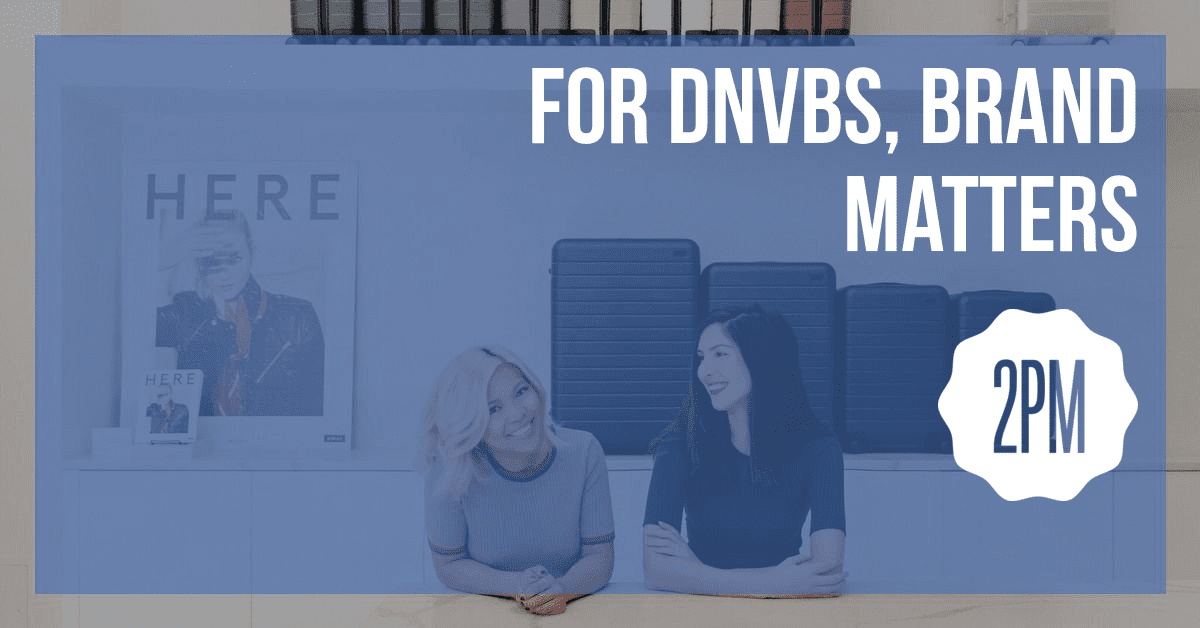
第270期对于 DNVB 来说,品牌很重要。

脸书广告文案 4

Raden的 关闭(DNVB第119号)和Away的坚持(DNVB第40号)。 随着 Raden 倒闭的消息以及其创始人对在线箱包行业前景的评论,2PM 深入探讨了影响 Raden 倒闭的原因(不仅仅是监管)。Away 联合创始人兼首席执行官 Steph Korey 对 Away 的光明未来发表了评论。

Raden 创始人乔希-乌达什金对 康泰纳仕旅行者 对智能行李箱行业未来的看法:

我不想这么说,但我认为[未来]是不存在的。所有这些公司都依赖于口碑,但现在购买这种产品会让你受到骚扰。我不明白你怎么能继续销售它。

我们不同意。千禧一代消费者务实、精明,甚至略带领地意识。这些消费者寻求的品牌要符合他们的生活方式、时机、价值观和个人偏好。叙述之所以重要,是因为他们的生活方式很重要。

建立强大的 DNVB 的关键在于感知质量、价格价值和购买便利性。

便利性变化 + 价格变化 + 质量感知变化 > 0 

方便:购买方便、客户服务优质、退货方便、质量保证。

价格价格是否与现有高端品牌价格相当或更低。

质量感知: 如何看待品牌?产品是否具有亲和力?

而如果DNVB的 "变化 "总和大于零,那么DNVB可能是比现有品牌更好的选择。 正是从这个角度出发,DNVB和CPG品牌才能够将自己的产品定位在与更呆板的传统品牌竞争。建立网上零售的关键之一是强调制胜法宝的两个组成部分:产品叙事。 这种叙述方式围绕产品传达了质量、社区和品牌资产。对于资金总额在500万美元或以下的DNVB来说,可以说叙述与产品本身同等重要。


第254期:致DNVB首席执行官的公开信: 

DNVB执行团队从零开始打造供需两个产品

  1. 产品:衬衫、行李箱、裤子、墨镜、大衣,或任何人们认识你的东西。
  2. 品牌:产品的光环、知名度、联想、幕后合作伙伴、代言人、形象大使、成功的必然性。

RadenAway都成立于 2015 年初。Raden 从 Lerer Hippeau、First Round Capital 和Gin Lane(著名的 DNVB实际控制人)处获得了种子投资。Away 募集到了一笔明星云集的种子轮投资,其中包括安迪-邓恩(Andy Dunn),这位现任沃尔玛高管是 DNVB 首字母缩写词的创造者。

2015 年,当 Udashkin 接受 Loose Threads 采访时,Udashkin 表示产品是他关注的全部。他接着补充说,产品的叙述并不是 Raden 要强调的东西。

在旧金山、洛杉矶、蒙特利尔和台湾,Raden 花了将近一年的时间进行原型设计,最终成为一家摒弃生活方式品牌形象和名人效应的产品公司。

乌达什金接着说"除非你是在伪造,否则你怎么能在第一天就围绕你的产品形成一种生活方式呢?我认为这在短期内是可行的,但随着时间的推移,顾客会变得越来越聪明。如果你不继续在产品上下功夫,最终你会输掉"。

联合创始人斯蒂芬-科雷(Steph Korey)和珍-卢比奥(Jen Rubio)在创建竞争品牌时采取了几乎相反的做法。在《Inc Magazine》2017 年 7 月名为 "How I did it"(我是如何做到的)的报道中,是这样评价这对组合的:

Steph Korey 和 Jen Rubio 遇到了难题。她们计划推出的新箱包品牌 Away 很快就要上市了,而她们的行李箱还来不及销售。幸运的是,两人的包里有一个社交媒体小窍门。他们把一个行之有效的零售策略、预购和一本书的创意变成了一场在 Instagram 和其他网站上病毒式传播的活动。

伯特-赫尔姆,公司杂志

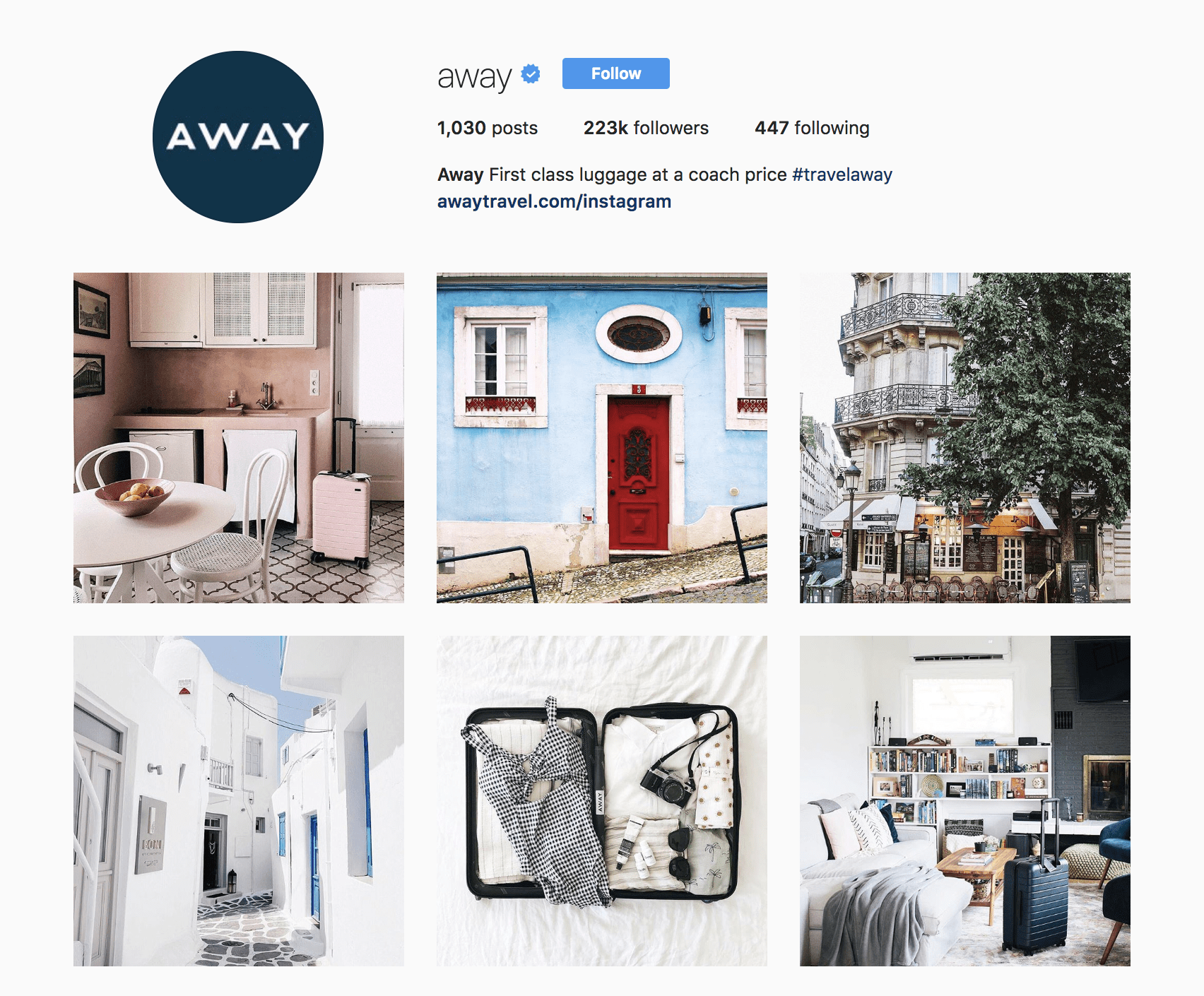
这种想法贯穿了他们的整个产品定位。Raden 的 Instagram 只关注销售的产品,而Away 的 Instagram账户则既关注生活方式和实用性,也关注 Away 销售的产品。

屏幕截图 2018-05-21 at 12.28.07 PM

Away 注重目的地和品牌亲和力(包括一本名为 "这里 "的印刷杂志),而 Raden 与客户保持的关系则与 Away 希望延续的关系完全不同。这两种方法的不同在很大程度上影响了每个品牌提供的产品:Raden 的产品范围窄,而 Away 的产品范围宽。以下是《Fast Company》今日特写文章中的一个关键点:

他给我算了一笔账。直接面向消费者的旅行箱品牌的目标市场相对狭窄。这不是大众消费。你的受众是那些有足够的可支配收入,可以花 200 到 400 美元购买一个手提箱的人,他们还要精通数字技术,愿意在网上而不是百货商店购买手提箱。

一旦初创公司说服目标市场中的某个人购买随身行李,双方的关系基本上就结束了。经过说服,品牌可以尝试向他们推销托运行李或其他旅行小配件。但与其他品类相比,每个顾客的生活方式价值相对较小。像 M.Gemi 这样直接面向消费者的奢侈鞋履品牌,可以每年两次向一位女士推销一双价值 300 美元的新鞋,让她终生受用。Everlane 则可以每月向顾客推销新款衣橱。

Elizabeth Segran,Fast Company

在这里,Udashkin 认为,他只关注产品的优越性(这只是 DNVB 公式三个组成部分中的一个),这样做是正确的。但是,由于他没有看到围绕 Raden 建立品牌和叙事的价值,他可以提供给现有客户的替代产品就更少了。这一点,再加上他的行李箱的电池无法移动,以及初创公司的跑道较短,都影响了他的立场,即行李箱制造商别无选择,只能停止运营。他还认为,从长远来看,这类产品没有市场,这一论断影响深远。


Away 首席执行官 Steph Korey 在给 2PM 的电子邮件中解释了 Away 的立场: 

一个品牌的成功并不取决于它筹集了多少资金,也不取决于其他任何一件事,而是取决于许多小事的正确组合。

对我们来说,我们所做的一切都要以客户为中心(花时间倾听客户的心声,深入了解他们的想法,然后迅速采取行动),首先要认真地向客户介绍我们的品牌(确保我们的营销对象对我们的营销内容感兴趣、不局限于任何一种产品或未来计划(自推出以来,我们的产品已从一个旅行箱扩展到数十种旅行用品,并致力于解决目前旅行体验中存在的所有问题)。


DNVB品牌建设的早期经验之一,是无法仅用分析和逻辑来解释的。它太主观了。菲尔-奈特(Phil Knight)曾经的鞋业公司是一家卖鞋的公司,但耐克从来不是一家卖鞋的公司:它是一家造就冠军的公司。特斯拉卖汽车,但特斯拉是一家未来学家的公司。苹果公司销售电脑,但它是一家为创造者服务的公司。

对于有追求的产品,消费者会选择符合他们生活方式、信仰体系和目标的品牌。从一开始,Away 就做到了很少有 DNVB 早期了解的事情。打造产品只是成功的一半。这意味着,无论他们会遇到什么艰巨的法规,他们都会坚持不懈地打造与千禧一代热情旅行者群体相关的产品。随着传统销售的继续,你很可能会看到越来越多的 SKU、款式和附加产品受到千禧一代旅行者和通勤者的喜爱。没错,Steph Korey 和 Jen Rubio 是卖行李箱的,但 Away 是一家旅游公司。她想去哪里,Away 就会去哪里。


更新: 6 月 26 日,Away 宣布与 Dwayne Wade合作。6 月 28 日,Away 宣布获得 5000 万美元的新一轮投资,这是历史上女性创始人获得的最大一笔投资。据他们的传播总监 Cassi Gritzmacher 说:

借助最新一轮融资,Away 计划通过拓展新市场进一步在全球立足;继续扩大产品线,为您打造完美旅行所需的一切;扩大实体零售业务(除目前在纽约、洛杉矶、旧金山和奥斯汀的分店外,到 2018 年底还将开设 6 家新店);扩大现有的社会影响力(通过与 "和平直通车"(Peace Direct)的合作和新举措);在未来五年内创造 249 个新的工作岗位,将团队迁入位于家乡纽约市、占地 56,000 平方英尺的新全球总部。

点击此处阅读更多相关内容。

By Web Smith and Meghan Terwilliger |About 2PM 

Issue No. 267: On DNVB Branding

facebook-ad

What’s next in DNVB branding? Every vertical brand story has its beginning. For lifestyle and fashion DNVBs that are fortunate enough to work with the finest branding agencies, this story often begins with its founder’s biography, the problem that product x begins to solve, and proclamations of the brand’s inevitable staying power. It’s a short history, as most are in online-first retail. But it’s also a forward-thinking approach, one designed for: eCommerce, Instagram and Google advertising, and third party delivery. Less “we’ve been” and more “we will be.”

According to the godfather of the term, “DNVBs are maniacally focused on the customer experience and they interact, transact, and story-tell to consumers primarily on the web.” As brands begin to focus on off-line retail, you’ll begin to find that the packaging around the brands will change with that focus. Whereas technology and futurism appealed early on (2010-2014), the brands that succeed over the next ten years will focus on heritage as much as they focus on futurism.

Phase One (2010-2014): Technology

Warby Parker is the best example by a mile. The brand grew by implementing a practice that other direct-to-consumer companies had not. The company worked to eliminate all barriers to purchase by implementing tools designed to facilitate an ingenious customer experience. For this first phase of DNVB marketing, the eCommerce brand’s technology was the draw. The product is nominal and affordable but the access to it became just as much a part of the brand as the eyewear itself. Take this excerpt from a 2013 Wall Street Journal article co-written by Kevin Lavelle and me:

We are now in the age of e-commerce 3.0, where entrepreneurs can launch companies with few barriers to entry. eCommerce 1.0 consisted of crude online shopping in the ’90s offered by a few businesses met with significant consumer skepticism. This evolved into the more sophisticated interactions of e-commerce 2.0 in the mid 2000s, when most companies realized that if they weren’t online, they were endangering their future.

A new time is here — and the power no longer lies in the hands of a few buyers at large stores. Bigger businesses can be upended by an upstart competitor with a superior product. And retail startups no longer have to endure the long, slow road of trade-show hopping to get their product in front of a handful of buyers, or giving away a hefty portion of each sale to distributors.

Phase Two (2014-2018): Comedy

Dollar Shave Club’s 1m33s “Our Blades Are F***ing Great” video was developed to promote the launch of a (since-acquired) brand and has now been viewed over 25 million times. This internet ad is considered one of the premier examples of top funnel marketing and DSC’s brand of humor has since influenced other mens-focused brands to pursue humor as a means of brand differentiation: Chubbies (no. 67), Untuckit (no. 48), Tommy John (no. 54), and Mizzen+Main (no. 86).

Capturing one customer by way of a top funnel direct-to-consumer ad can cost upwards of $20 per click on Facebook. Digital advertising can be costly. To counter these steadily rising costs, brands have been stimulating awareness, interest, and consideration cycles by promoting a viral brand video. It achieves awareness, consideration, and intent.

Most importantly, introducing mainstream users to your brand and getting them to clickthrough for more information allows marketers to use tools like Facebook’s pixel to retarget casual visitors, moving them further down the sales funnel. Appealing to casual customers was an effective way of increasing top funnel traffic.

Phase Three (2018-forward): Heritage

Brands that began as the embodiment of online-first retailers are now expected to rival age-old incumbents, as they grow their annual revenues well beyond nine figures. Incumbent competitors are still around and some are even stronger than they were before the emergence of online rivals. All the while, new brands are beginning to compete on old-aged ground: mall retail, brick and mortar shops, and traditional advertising. The internet was supposed to completely eliminate these channels, instead, it provided cover until online retailers were prepared to go physical.

eCommerce has matured and physical retail has evolved into a more effective channel. As such, we’re beginning to see brands take on the traits of heritage companies. But if you’re eight years old, you won’t have much of a heritage story. For every Abercrombie, Filson, Ralph Lauren, Lily Pulitzer, Ray Ban, and Tag Heuer, there is a digitally vertical brand like Harry’s, Allbirds, and Outdoor Voices hoping to achieve staying power.

Heritage brands work to maintain heritage, while striving for futurism through of product and channel innovation (see Cole Haan). For heritage brands, presenting an aura of staying power means that the products and channels will present as forward-thinking for a millennial-driven, omni-channel age.

Meanwhile, vertical brands work to establish their products as an evolution of heritage products, while maintaining as many of their technological advantages as possible. For digitally vertical brands, longevity is projected by tethering to history and tradition.

The next wave in DNVB branding will be focused on developing history and tradition. Brands will deepen their roots by way of product collaborations, messaging, and unique origin stories of their own.

Look no further than this example of a heritage maker and vertical brand accomplishing both of their messaging objectives with one collaboration.

Messaging: “Legacy brands approve of us, they want us around.”

Web---NB-ReTooled

Long before designer dad sneakers infiltrated fashion hot spots across the globe, the New Balance 574 set the gold standard for what a well-designed, chunky, retro runner should be. It looked great when it launched in 1988, and in 2018 it manages to look stylish on just about anyone who wears it—actual dads included. Over the years, the 574 has become the go-to New Balance model when it comes to collaborations, too, so it’s seen a fair number of upgrades and interactions. But the latest collab—with the high-tech clothing label Ministry of Supply—brings the 574 into the ultra-performance future.  – Tyler Watamanuk, GQ

Messaging: “The finest legacy brands trust our platform.”

This month, Mr. Porter launched a tongue-in-cheek collaboration with Prada. As luxury continues to grow online, Mr. Porter is pushing to become the destination for such wares. This type of heritage nod goes a long way with consumers.

Since the 1990s, the brand has maintained an enviable position firmly at the forefront of fashion, to the extent that it has become a household name, a byword for sleek elegance, forward-looking design and, yes, a lot of fun print shirts. So great is the admiration for the brand’s wares in the MR PORTER office that there was something of a festival atmosphere when, in September 2016, we became the first online store to offer Prada’s much-coveted menswear collection.

Continue reading “Issue No. 267: On DNVB Branding”