No. 272: A “Tier A” Path Forward

tierapathforward.jpg

The worst thing to happen to the American mall is the boom of online-first modern luxury companies. And it’s also the best thing to happen to the American mall.

There are 1,100+ malls in America and approximately 320 are graded Tier A. We have an oversupply of malls but that does not mean that traditional, anchored shopping centers no longer have a place in consumerism. We’d argue that Tier A malls have yet to see their best years. We expect their footfall traffic KPIs to grow, while B and C tiered malls continue their trends toward repurposed real estate and other methods to maintain footfall traffic KPIs (mall opportunity, sales opportunity, and store performance).

Suzanne Mulvee, director of research at CoStar, cites that “lower-quality malls in markets with smaller populations and lower incomes will continue to close” —a trend that persists today. And here’s a data based position:

Green Street Advisors, a research firm, forecast a 6.0 percent drop in market revenue per available foot (RevPaF) for class-B and -C malls from 2018 to 2022, versus a 0.5 percent increase for class-A malls during the same period. 

Private market values of class-B and -C malls have also dropped the most since January 2017, according to Green Street, plunging 27.0 percent and 25.0 percent, respectively, year-over-year. Meanwhile, the values of class-A malls declined by 14.0 percent year-over-year.

National Real Estate Investor

So what does this mean for digitally vertical native brands (DNVB), old and new? In short, online-first brands should be positioning their product offering for inclusion in Tier A malls. First, let’s look at the established. A retail presence for DNVBs varies, as such:

  • Harry’s has a prominent position in J. Crew shops (Tier A)
  • Shinola has marquee positioning as stand alone stores (Tier A)
  • Mizzen + Main has prominent position at Nordstrom (Tier A)
  • Bevel has showroom real estate at Macys (Tier A / B)
  • Warby Parker has great stand alone stores (Tier A)
  • Greats has marquee positioning at Nordstrom (Tier A)
  • Ministry of Supply has great stand alone stores in Tier A areas
  • Homage has great stand alone stores (Tier A)
  • Bonobos has stand alone stores and Nordstrom positioning (Tier A)
  • MeUndies has positioning at Nordstrom (Tier A)
  • Goop is opening sponsored pop ups (Tier A)

There are very few presences in Tier B malls and virtually no DNVB presence in Tier C malls. These brands have done a wonderful job positioning themselves as modern luxury companies. They’ve been incubated online for five to ten years and they’ve become prominent enough to live as lifestyle brands in traditional retail spaces. It’s a forgone conclusion that omni-channel operations should be a focus for DNVBs; retail real estate analysis is a skill that is becoming more and more important. And DNVB’s are well-positioned to benefit from the Tier A adoption of the online brands. Recall this quote from Issue No. 265:


2PM’s Meghan Terwilliger had this to say:

Luxury, however you define it, is a brand’s embodiment of characteristics that make it desirable. Historically, those characteristics have been more ‘What’ features like quality, exclusivity, and cost. You can still define luxury as characteristics that make a brand desirable, but those characteristics have shifted. Quality is table stakes.

ब्रांड को और अधिक वांछनीय बनाने वाली विशेषताएँ हैं 'कैसे' विशेषताएँ, जैसे उत्कृष्ट ग्राहक अनुभव (मैं ब्रांड का अनुभव कैसे करूँ), सार्थक ब्रांड मिशन (वे कैसे कुछ वापस देते हैं/बदलाव लाते हैं), और सामुदायिक जुड़ाव। क्या यह कलाकार द्वारा निर्मित और अत्यधिक महंगा है? शायद नहीं। लेकिन अगर यह एक ऐसा उत्पाद है, या यहाँ तक कि एक संपूर्ण अनुभव भी है जो अत्यधिक वांछनीय है, तो इसे एक शानदार ब्रांड माना जा सकता है। DNVBs के पास आधुनिक विलासिता को परिभाषित करने वाली विशेषताओं का समर्थन करने के लिए एक बेहतरीन बुनियादी ढाँचा है।


There are DNVBs that are launching daily. It is important that these brands understand that online retail mechanics has its limits. For these brands to expand into $30 million or more in annual revenue, omni-channel strategy can provide longterm growth. Additionally, this can reinvigorate top funnel sales through online channels.

Here are the top five suggestions for DNVBs launching today:

  • Master the first product. Bonobos began with pants, Mizzen + Main with a single white dress shirt, and Bevel with one blade.
  • Develop a strong sense of product ambassadorship. Mizzen + Main targets millennials, but the most capable buyers are between the age of 34-45. Developing a sense of loyalty with them can pay dividends. For their peers that don’t shop online, they’ll become a top funnel driver of them to your brick and mortar locations.
  • Avoid discount promotion, even at the beginning. Price stability over time is crucial. The moment that a brand is seen as a discounter, the Tier A mall demographic loses interest (with few exceptions).
  • Emphasize advertising to Tier A mall consumers. When DNVB’s grow online, they need to focus on the customers that possess the greatest LTV (lifetime value) potential. This correlates with Tier A mall shoppers.
  • Establish relationships with non-competitive retailers. It can be a powerful signal of longterm viability when existing brands co-sign your early product. This is most often seen by way of product collaborations, cross-promotion, or merchandising your products in their flagship stores.

Retailers that appeal to…the upper class are thriving. One look at Houston’s Galleria, Columbus’ Easton Town Center, or Miami’s Bal Harbour Shops will confirm as such. This is the future that many in retail are planning for. So no, retail is not dead. But retail is leaving the middle class behind because, frankly, so are we.

2PM Member Brief No. 5

In the first sentence, I wrote that online retail is the best and worst thing to happen to malls. In many ways, this is true. The shuttering of weaker retailers and shopping centers is long overdue. Experts attribute this trend to the emergence of online retail brands (and the excessive private equity debt that these retailers accrued to compete with them).

We have more retail real estate than any developed country on earth. Malls are not dying, the bad ones are. While eCommerce efficiency is appealing to digital marketers, the brick and mortar channel is golden for brand operatives who are establishing their brands as modern luxury products. Marketing is arithmetic, whereas brand-building is more of a subjective art. If you were to ask the chief executives at each of the aforementioned brands, they would point to their brick and mortar successes as great milestones. There will be fewer malls in the coming the years, but an early bet on the ones that remain will position young DNVBs for omni-channel success.

Read the rest of the issue.

By Web Smith and Meghan Terwilliger | About 2PM 
नं. 270: डी.एन.वी.बी. के लिए, ब्रांड मायने रखता है।

फेसबुक-विज्ञापन कॉपी 4

रैडेन के बंद होने (DNVB संख्या 119 ) और अवे की दृढ़ता (DNVB संख्या 40 ) पर एक नज़र। रैडेन के बंद होने की खबर और ऑनलाइन लगेज उद्योग के भविष्य पर उनके संस्थापक की टिप्पणी के साथ, 2PM ने इस बात पर गहराई से विचार किया है कि रैडेन के बंद होने के पीछे क्या कारण हो सकते हैं (यह सिर्फ़ नियमन नहीं था)। और अवे के सह-संस्थापक और सीईओ स्टेफ़ कोरे इस बारे में टिप्पणी करते हैं कि अवे के उज्ज्वल भविष्य को क्या आकार देगा।

रैडेन के संस्थापक जोश उदास्किन ने स्मार्ट लगेज उद्योग के भविष्य के बारे में कोंडे नास्ट ट्रैवलर से कहा: 

मुझे ये कहना बुरा लग रहा है, लेकिन मुझे लगता है कि [भविष्य] का कोई अस्तित्व ही नहीं है। ये सभी कंपनियाँ मुँहज़बानी प्रचार पर निर्भर करती हैं, लेकिन इस उत्पाद को अभी खरीदने पर आपको परेशानी होती है। मुझे समझ नहीं आता कि आप इसे कैसे बेचते रह पाएँगे।

हम इससे सहमत नहीं हैं। मिलेनियल उपभोक्ता व्यावहारिक, समझदार और थोड़े क्षेत्रीय भी होते हैं। ये उपभोक्ता ऐसे ब्रांड खोजते हैं जो उनकी जीवनशैली, उनके समय, उनके मूल्यों और उनकी व्यक्तिगत प्राथमिकताओं के अनुकूल हों। कहानी इसलिए मायने रखती है क्योंकि उनकी जीवनशैली मायने रखती है।

एक मजबूत डीएनवीबी बनाने की कुंजी कथित गुणवत्ता, मूल्य मूल्य और खरीद में आसानी को माना जा सकता है।

सुविधा परिवर्तन + मूल्य परिवर्तन + गुणवत्ता परिवर्तन की धारणा > 0 

सुविधा: खरीद में आसानी, बेहतर ग्राहक सेवा, वापसी में आसानी और गुणवत्ता वारंटी।

मूल्य : यह मूल्य प्रीमियम ब्रांड की कीमतों के बराबर या उससे सस्ता है।

गुणवत्ता की धारणा: ब्रांड को कैसे देखा जाता है? क्या उत्पाद के प्रति कोई लगाव है?

जबकि, यदि DNVB का योग "परिवर्तन" शून्य से अधिक है, तो DNVB मौजूदा विकल्प से बेहतर विकल्प हो सकता है। इसी नज़रिए से DNVB और CPG ब्रांड अपने उत्पादों को पुराने, पारंपरिक ब्रांडों के मुकाबले बेहतर स्थिति में ला पाए हैं। ऑनलाइन रिटेल में अपनी उपस्थिति बनाने की एक कुंजी है, एक सफल फॉर्मूले के दोनों घटकों पर ज़ोर देना: उत्पाद और कहानी । यह कहानी उत्पाद के इर्द-गिर्द गुणवत्ता, समुदाय और ब्रांड इक्विटी का संचार करती है। 50 लाख डॉलर या उससे कम की कुल फंडिंग वाले DNVB के लिए, आप कह सकते हैं कि कहानी उतनी ही महत्वपूर्ण है जितनी कि उत्पाद।


अंक संख्या 254: डीएनवीबी के सीईओ को खुला पत्र

डीएनवीबी की कार्यकारी टीमें शून्य से दो उत्पाद बनाती हैं, आपूर्ति और मांग:

  1. उत्पाद: शर्ट, या सामान, पैंट, चश्मा, कोट, या जो भी हो जिसके लिए लोग आपको जानते हैं।
  2. ब्रांड: उस उत्पाद की आभा, नाम की पहचान, एसोसिएशन, पर्दे के पीछे के साझेदार, प्रवक्ता, राजदूत, सफलता की अनिवार्यता।

रैडेन और अवे दोनों की स्थापना 2015 के शुरुआती महीनों में हुई थी। रैडेन ने लेरर हिप्पेउ, फ़र्स्ट राउंड कैपिटल और जिन लेन से शुरुआती निवेश जुटाया था – जो डीएनवीबी के प्रसिद्ध और वास्तविक किंगमेकर थे। अवे ने सितारों से सजी शुरुआती पूंजी जुटाई जिसमें एंडी डन भी शामिल थे, जो अब वॉलमार्ट के कार्यकारी हैं और जिन्होंने डीएनवीबी का संक्षिप्त नाम गढ़ा था।

2015 में लूज़ थ्रेड्स द्वारा उदासिन का साक्षात्कार लेते समय, उदासिन ने संकेत दिया कि उनका पूरा ध्यान उत्पाद पर ही था। उन्होंने आगे कहा कि उत्पाद की कहानी ऐसी चीज़ नहीं थी जिस पर रैडेन ज़ोर देने वाले थे।

प्रोटोटाइप चरण में लगभग एक वर्ष बिताने के बाद, सैन फ्रांसिस्को, लॉस एंजिल्स, मॉन्ट्रियल और ताइवान में काम करते हुए, राडेन एक ऐसी उत्पाद कंपनी के रूप में उभरी, जिसने जीवनशैली ब्रांडों की छवि और प्रसिद्धि को अस्वीकार कर दिया।

उदास्किन ने आगे कहा: "जब तक आप दिखावा न करें, आप पहले दिन से ही अपने उत्पाद के इर्द-गिर्द जीवनशैली कैसे बना सकते हैं? मुझे लगता है कि यह अल्पावधि में तो कारगर होता है, लेकिन समय के साथ ग्राहक समझदार हो जाता है। अगर आप अपने उत्पाद पर लगातार काम नहीं करते, तो अंततः आप हार जाते हैं।"

सह-संस्थापक स्टेफ कोरे और जेन रुबियो ने अपने प्रतिस्पर्धी ब्रांड के निर्माण के लिए लगभग विपरीत दृष्टिकोण अपनाया। इंक मैगज़ीन के जुलाई 2017 के एक खंड "मैंने यह कैसे किया" में, इस जोड़ी के बारे में कुछ इस प्रकार कहा गया था:

स्टेफ कोरी और जेन रुबियो के सामने एक समस्या थी। उनके नए लगेज ब्रांड, अवे, के लॉन्च की योजना जल्द ही आ रही थी—और उनका कोई भी सूटकेस समय पर बिकने के लिए तैयार नहीं था। खुशकिस्मती से, दोनों के पास सोशल मीडिया का एक ज़रिया मौजूद था। उन्होंने एक सिद्ध रिटेलिंग रणनीति, प्रीऑर्डर और एक किताब के आइडिया को एक ऐसे अभियान में बदल दिया जो इंस्टाग्राम और उससे भी आगे वायरल हो गया।

बर्ट हेल्म, इंक. पत्रिका

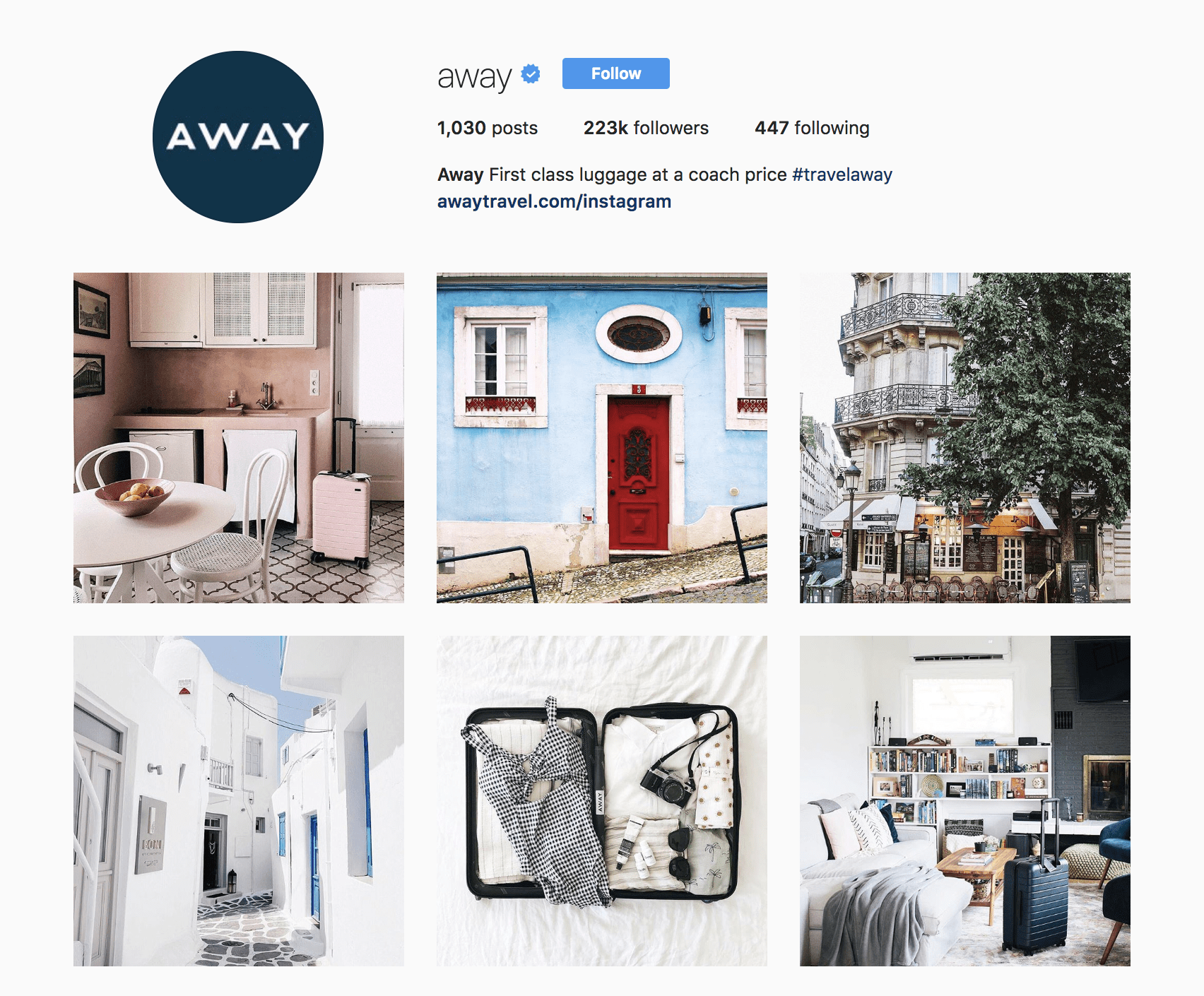
यह सोच उनके पूरे उत्पाद बाज़ार में व्याप्त है। जहाँ रैडेन का इंस्टाग्राम सिर्फ़ बेचे जा रहे उत्पादों पर केंद्रित था, वहीं अवे के इंस्टाग्राम अकाउंट में अवे द्वारा बेचे जा रहे उत्पादों के साथ-साथ जीवनशैली और उपयोगिता पर भी उतना ही ज़ोर दिया गया है।

स्क्रीनशॉट 2018-05-21 अपराह्न 12.28.07 बजे

जहाँ अवे ने गंतव्य और ब्रांड आत्मीयता पर ध्यान केंद्रित किया (जिसमें "हियर" नामक एक प्रिंट पत्रिका भी शामिल थी), वहीं रैडेन ने ग्राहकों के साथ जो रिश्ता बनाए रखा, वह उस रिश्ते से बिल्कुल अलग था जिसे अवे जारी रखना चाहता है। दोनों दृष्टिकोणों के बीच के अंतर ने प्रत्येक ब्रांड की उत्पाद पेशकश को बहुत प्रभावित किया: रैडेन का दृष्टिकोण संकीर्ण था, जबकि अवे का दृष्टिकोण व्यापक। फ़ास्ट कंपनी के आज के विशेष लेख में एक महत्वपूर्ण बिंदु इस प्रकार है:

वह मुझे गणित समझाते हैं। सीधे उपभोक्ता तक पहुँचने वाले सूटकेस ब्रांड का लक्षित बाज़ार अपेक्षाकृत संकीर्ण होता है। यह कोई सामूहिक खरीदारी नहीं है। आपके दर्शक वे लोग हैं जिनके पास कैरी-ऑन पर $200 से $400 तक खर्च करने लायक पर्याप्त आय है, लेकिन साथ ही वे डिजिटल रूप से इतने कुशल भी हैं कि वे सूटकेस को किसी डिपार्टमेंटल स्टोर के बजाय ऑनलाइन खरीदने को तैयार हों।

एक बार जब स्टार्टअप अपने लक्षित बाज़ार में किसी को कैरी-ऑन खरीदने के लिए मना लेता है, तो रिश्ता लगभग खत्म हो जाता है। थोड़े से अनुनय-विनय के साथ, ब्रांड उन्हें चेक किया हुआ सामान या शायद कोई और छोटा यात्रा सामान बेचने की कोशिश कर सकता है। लेकिन प्रत्येक ग्राहक का जीवनशैली मूल्य अन्य श्रेणियों की तुलना में अपेक्षाकृत कम होता है। एम.जेमी जैसा एक सीधा-से-उपभोक्ता लक्ज़री जूता ब्रांड एक महिला को उसके पूरे जीवन के लिए साल में दो बार $300 के नए जूते बेच सकता है। एवरलेन हर महीने एक ग्राहक के वॉर्डरोब अपडेट बेच सकता है।

एलिजाबेथ सेग्रान, फास्ट कंपनी

यहाँ उदास्किन का सुझाव है कि उन्होंने केवल उत्पाद श्रेष्ठता (DNVB फ़ॉर्मूले के तीन घटकों में से सिर्फ़ एक) पर ध्यान केंद्रित करके सही काम किया। लेकिन चूँकि उन्हें रैडेन के इर्द-गिर्द एक ब्रांड और कहानी बनाने में कोई मूल्य नहीं दिख रहा था, इसलिए उनके मौजूदा ग्राहकों को उनके द्वारा पेश किए जा सकने वाले वैकल्पिक उत्पाद कम थे। इसके अलावा, उनके सामान की अचल बैटरी और स्टार्टअप के छोटे रनवे ने उनकी इस स्थिति को प्रभावित किया कि सामान निर्माता के पास परिचालन बंद करने के अलावा कोई विकल्प नहीं था। उन्होंने यह भी सुझाव दिया कि लंबे समय में इस प्रकार के उत्पादों के लिए कोई बाज़ार नहीं है, जो एक दूरगामी दावा है।


2PM को भेजे गए एक ईमेल में अवे के सीईओ स्टेफ कोरे ने अवे की स्थिति स्पष्ट की: 

किसी ब्रांड की सफलता उसके द्वारा जुटाई गई धनराशि या किसी अन्य चीज से निर्धारित नहीं होती, बल्कि बहुत सी छोटी-छोटी चीजों के सही संयोजन से निर्धारित होती है।

हमारे लिए, यह हमारे द्वारा किए जाने वाले हर काम के प्रति ग्राहक-केंद्रित दृष्टिकोण रखने (अपने ग्राहकों को सुनने के लिए समय निकालना, उनकी बातों को गहराई से समझना और फिर उस पर तुरंत अमल करना), उन्हें ब्रांड से परिचित कराने के तरीके के प्रति ईमानदार होना (यह सुनिश्चित करना कि हम जो विपणन कर रहे हैं वह उन लोगों के लिए दिलचस्प होगा जिनके लिए हम इसका विपणन कर रहे हैं, और साथ ही एक ऐसी कहानी का निर्माण करना जो एक ब्रांड के रूप में हमारी पहचान के लिए प्रामाणिक हो, चाहे चैनल या लक्षित दर्शक कोई भी हों), और भविष्य के लिए खुद को किसी एक उत्पाद या योजना तक सीमित न रखना (लॉन्च के बाद से एक सूटकेस से लेकर दर्जनों यात्रा वस्तुओं तक विस्तार करना, और यात्रा अनुभव में वर्तमान में जो कुछ भी गलत है उसे ठीक करने पर ध्यान केंद्रित करना)।


डीएनवीबी ब्रांडिंग के शुरुआती सबक में से एक ऐसा है जिसे केवल विश्लेषण और तर्क से नहीं समझाया जा सकता। यह बहुत व्यक्तिपरक है। फिल नाइट का कभी नया-नया जूता व्यवसाय जूते बेचता था, लेकिन नाइकी कभी जूता कंपनी नहीं थी: यह एक ऐसी कंपनी थी जो चैंपियनों को सक्षम बनाती थी। टेस्ला कारें बेचती है, लेकिन टेस्ला भविष्यवादियों की कंपनी है। एप्पल कंप्यूटर बेचता है, लेकिन यह रचनाकारों की कंपनी है।

आकांक्षी उत्पादों के लिए, उपभोक्ता ऐसे ब्रांड चुनते हैं जो उनकी जीवनशैली, विश्वास प्रणाली और लक्ष्यों के अनुकूल हों। शुरुआत से ही, अवे ने कुछ ऐसा हासिल किया है जिसे बहुत कम DNVB शुरुआत में समझ पाते हैं। उत्पाद बनाना तो बस आधी लड़ाई है। इसका मतलब है कि चाहे उन्हें कितने भी कठिन नियमों का सामना करना पड़े, वे ऐसे उत्पाद बनाने के लिए एक कैनवास बनाए रखेंगे जो उनके उत्साही, मिलेनियल यात्रियों के समुदाय के लिए प्रासंगिक हों। यह संभव है कि जैसे-जैसे पारंपरिक बिक्री जारी रहेगी, आपको मिलेनियल यात्रियों और यात्रियों द्वारा पसंद किए जाने वाले SKU, स्टाइल और ऐड-ऑन की संख्या बढ़ती दिखाई देगी। हाँ, स्टेफ कोरे और जेन रुबियो सामान बेचते हैं, लेकिन अवे एक ट्रैवल कंपनी है। और अवे जहाँ चाहेगी, वहाँ जाएगी।


अपडेट: 26 जून को, अवे ने अवे और ड्वेन वेड के बीच सहयोग की घोषणा की। 28 जून को, अवे ने 50 मिलियन डॉलर के निवेश की घोषणा की, जो इतिहास में महिला संस्थापकों द्वारा किए गए सबसे बड़े निवेश दौरों में से एक है। उनकी संचार निदेशक कैसी ग्रिट्जमाकर के अनुसार:

इस नवीनतम फंडिंग दौर के साथ, अवे की योजना नए बाजारों में विस्तार करके दुनिया भर में अपनी स्थिति को और मजबूत करने की है; अपनी उत्पाद श्रृंखला का विस्तार जारी रखते हुए, आपको यात्रा के लिए आवश्यक सभी चीजों का एक आदर्श संस्करण उपलब्ध कराना; अपनी भौतिक खुदरा उपस्थिति का विस्तार करना (2018 के अंत तक न्यूयॉर्क, लॉस एंजिल्स, सैन फ्रांसिस्को और ऑस्टिन में अपने मौजूदा स्टोरों के अलावा 6 नए स्टोर खोलना); अपने मौजूदा सामाजिक प्रभाव प्रयासों को और बढ़ाना (पीस डायरेक्ट के साथ अपनी साझेदारी और नई पहलों के माध्यम से); और अगले पांच वर्षों में 249 नई नौकरियां पैदा करना, तथा टीम को अपने गृहनगर न्यूयॉर्क शहर में 56,000 वर्ग फुट के नए वैश्विक मुख्यालय में स्थानांतरित करना।

इस मुद्दे पर अधिक जानकारी यहां पढ़ें।

वेब स्मिथ और मेघन टेरविलिगर द्वारा | लगभग 2 बजे 

Issue No. 267: On DNVB Branding

फेसबुक-विज्ञापन

What’s next in DNVB branding? Every vertical brand story has its beginning. For lifestyle and fashion DNVBs that are fortunate enough to work with the finest branding agencies, this story often begins with its founder’s biography, the problem that product x begins to solve, and proclamations of the brand’s inevitable staying power. It’s a short history, as most are in online-first retail. But it’s also a forward-thinking approach, one designed for: eCommerce, Instagram and Google advertising, and third party delivery. Less “we’ve been” and more “we will be.”

According to the godfather of the term, “DNVBs are maniacally focused on the customer experience and they interact, transact, and story-tell to consumers primarily on the web.” As brands begin to focus on off-line retail, you’ll begin to find that the packaging around the brands will change with that focus. Whereas technology and futurism appealed early on (2010-2014), the brands that succeed over the next ten years will focus on heritage as much as they focus on futurism.

Phase One (2010-2014): Technology

Warby Parker is the best example by a mile. The brand grew by implementing a practice that other direct-to-consumer companies had not. The company worked to eliminate all barriers to purchase by implementing tools designed to facilitate an ingenious customer experience. For this first phase of DNVB marketing, the eCommerce brand’s technology was the draw. The product is nominal and affordable but the access to it became just as much a part of the brand as the eyewear itself. Take this excerpt from a 2013 Wall Street Journal article co-written by Kevin Lavelle and me:

We are now in the age of e-commerce 3.0, where entrepreneurs can launch companies with few barriers to entry. eCommerce 1.0 consisted of crude online shopping in the ’90s offered by a few businesses met with significant consumer skepticism. This evolved into the more sophisticated interactions of e-commerce 2.0 in the mid 2000s, when most companies realized that if they weren’t online, they were endangering their future.

A new time is here — and the power no longer lies in the hands of a few buyers at large stores. Bigger businesses can be upended by an upstart competitor with a superior product. And retail startups no longer have to endure the long, slow road of trade-show hopping to get their product in front of a handful of buyers, or giving away a hefty portion of each sale to distributors.

Phase Two (2014-2018): Comedy

Dollar Shave Club’s 1m33s “Our Blades Are F***ing Great” video was developed to promote the launch of a (since-acquired) brand and has now been viewed over 25 million times. This internet ad is considered one of the premier examples of top funnel marketing and DSC’s brand of humor has since influenced other mens-focused brands to pursue humor as a means of brand differentiation: Chubbies (no. 67), Untuckit (no. 48), Tommy John (no. 54), and Mizzen+Main (no. 86).

Capturing one customer by way of a top funnel direct-to-consumer ad can cost upwards of $20 per click on Facebook. Digital advertising can be costly. To counter these steadily rising costs, brands have been stimulating awareness, interest, and consideration cycles by promoting a viral brand video. It achieves awareness, consideration, and intent.

Most importantly, introducing mainstream users to your brand and getting them to clickthrough for more information allows marketers to use tools like Facebook’s pixel to retarget casual visitors, moving them further down the sales funnel. Appealing to casual customers was an effective way of increasing top funnel traffic.

Phase Three (2018-forward): Heritage

Brands that began as the embodiment of online-first retailers are now expected to rival age-old incumbents, as they grow their annual revenues well beyond nine figures. Incumbent competitors are still around and some are even stronger than they were before the emergence of online rivals. All the while, new brands are beginning to compete on old-aged ground: mall retail, brick and mortar shops, and traditional advertising. The internet was supposed to completely eliminate these channels, instead, it provided cover until online retailers were prepared to go physical.

eCommerce has matured and physical retail has evolved into a more effective channel. As such, we’re beginning to see brands take on the traits of heritage companies. But if you’re eight years old, you won’t have much of a heritage story. For every Abercrombie, Filson, Ralph Lauren, Lily Pulitzer, Ray Ban, and Tag Heuer, there is a digitally vertical brand like Harry’s, Allbirds, and Outdoor Voices hoping to achieve staying power.

Heritage brands work to maintain heritage, while striving for futurism through of product and channel innovation (see Cole Haan). For heritage brands, presenting an aura of staying power means that the products and channels will present as forward-thinking for a millennial-driven, omni-channel age.

Meanwhile, vertical brands work to establish their products as an evolution of heritage products, while maintaining as many of their technological advantages as possible. For digitally vertical brands, longevity is projected by tethering to history and tradition.

The next wave in DNVB branding will be focused on developing history and tradition. Brands will deepen their roots by way of product collaborations, messaging, and unique origin stories of their own.

Look no further than this example of a heritage maker and vertical brand accomplishing both of their messaging objectives with one collaboration.

Messaging: “Legacy brands approve of us, they want us around.”

Web---NB-ReTooled

Long before designer dad sneakers infiltrated fashion hot spots across the globe, the New Balance 574 set the gold standard for what a well-designed, chunky, retro runner should be. It looked great when it launched in 1988, and in 2018 it manages to look stylish on just about anyone who wears it—actual dads included. Over the years, the 574 has become the go-to New Balance model when it comes to collaborations, too, so it’s seen a fair number of upgrades and interactions. But the latest collab—with the high-tech clothing label Ministry of Supply—brings the 574 into the ultra-performance future.  – Tyler Watamanuk, GQ

Messaging: “The finest legacy brands trust our platform.”

This month, Mr. Porter launched a tongue-in-cheek collaboration with Prada. As luxury continues to grow online, Mr. Porter is pushing to become the destination for such wares. This type of heritage nod goes a long way with consumers.

Since the 1990s, the brand has maintained an enviable position firmly at the forefront of fashion, to the extent that it has become a household name, a byword for sleek elegance, forward-looking design and, yes, a lot of fun print shirts. So great is the admiration for the brand’s wares in the MR PORTER office that there was something of a festival atmosphere when, in September 2016, we became the first online store to offer Prada’s much-coveted menswear collection.

Continue reading “Issue No. 267: On DNVB Branding”