Memo: The Seven Eras (We’re Post DTC)

Consider this essay a scaffolding for future writings, discussions, and forecasts on pre-DTC and post. Eras are determined by the methods upon which the majority of brands begin, scale, and – if successful – become durable.

The three pillars of a durable brand are a superior management team, sustainable acquisition and distribution models, and proper unit economics

The retail landscape has been a canvas of continuous change, reflecting the evolving needs, technologies, and cultural shifts of society. Each era represents modernity vis a vis a brand’s path to durability.

Through research, I identified seven distinct eras, each marked by its unique approach to selling and customer engagement. From the early days of production-centric strategies to the modern era of personality-driven branding, these phases collectively narrate the story of how retail has become an integral part of our daily lives and cultural fabric.

At the 2023 Cannes Lions International Festival of Creativity, NYU Professor Scott Galloway presented a provocative view that the “era of brand is over,” challenging long-standing retail and marketing paradigms. According to Galloway, the resurgence of product-focused advertisements and changing consumer habits signify a fundamental shift in the branding landscape. This shift is attributed partly to the increasing use of ad-free streaming platforms and ad-blocking tools, altering the way consumers engage with brand messaging.

Galloway’s observations pointed to a pivotal transformation where traditional long-term brand-building strategies through advertising are under pressure. He cited Apple’s recent approach as emblematic of this change, noting a significant pivot from brand-based to predominantly product-focused advertising. This transition suggests a new phase in retail and marketing where tangible product attributes are gaining precedence over the intangible associations of brand advertising. But I believe that this is an incomplete view.

The implications of these trends extend to the future of creatives and marketers. Galloway posits that the next generation of marketing professionals must adapt, evolving from crafting intangible brand associations to becoming coaches, advisors, and strategists who can help companies scale operationally. This perspective adds a critical dimension to our exploration of the seven eras of retail. Each era produced durable brands. And these brands last, regardless of the era.

The Production Concept Era

From the beginning of American capitalism until the early-20th century, the production concept era reigned supreme. This era was characterized by the belief that quality products would naturally attract buyers, negating the need for elaborate marketing strategies. Henry Ford’s Model T is a quintessential example of this mindset, where product availability and functionality were paramount, and consumer choice was minimal. During this period, the market dynamics were skewed towards the sellers due to the high demand for goods and limited supply, creating a straightforward yet robust retail environment.

A great example of a durable brand: Caswell-Massey soap. Caswell-Massey is one of America’s oldest continuously operating companies, a storied beauty and fragrance brand with roots dating back to 1752. How it isn’t one of the most well-marketed and most relevant brands today is beyond my understanding.

The Sales Concept Era

Transitioning into the 1920s, technological advancements ushered in an era where production capabilities outpaced consumer demand, especially during the Great Depression. The sales concept era emerged as a response to this imbalance. Companies now faced the challenge of convincing customers to purchase their surplus goods. This era was marked by aggressive sales tactics and an increased emphasis on advertising. Retailers and manufacturers began to heavily invest in all forms of media to push their products to consumers, fundamentally changing the nature of retail from product-centric to sales-centric.

A great example of a durable brand built in this era is Proctor & Gamble. In 1933, Procter & Gamble (P&G) launched its initial radio serial, “Oxydol’s Own Ma Perkins.” This radio show quickly gained popularity among women across the United States. Its success led P&G to produce additional radio programs to promote its various brands. By 1939, the company had expanded its portfolio to 21 radio shows, effectively pioneering the genre known as the “soap opera.” Moving forward with this concept, P&G introduced “The First Hundred Years” in 1950, marking it as the first ongoing soap opera on television.

The Marketing Concept Era

By the 1950s, a shift towards a buyer’s market initiated the marketing concept era. Companies realized that success no longer hinged on just producing quality products or aggressive selling, but on understanding and fulfilling customer needs. This era was defined by a more nuanced approach to marketing, where consumer preferences drove product development and marketing strategies. Companies like General Electric pioneered this approach, integrating market research into product planning and positioning. This era laid the foundation for modern marketing, emphasizing customer satisfaction and long-term business relationships.

In 1950, Fred Borch, GE’s Vice President of Marketing Services, became a well-known figure in the marketing world. Borch was instrumental in developing the ‘marketing concept’, a strategy that emphasized the integration of marketing at every step of a company’s process. This approach involved engaging marketing professionals early in the product development cycle, allowing them to guide engineers, designers, and manufacturers based on consumer preferences, price points, and market demand identified through research and studies.

The marketing team’s influence extended beyond traditional roles, encompassing product planning, manufacturing schedules, inventory control, and market segmentation techniques. This broader scope of responsibilities included not just sales, distribution, and service, but also significant input in long-term company planning. Once GE adopted and publicized this concept, the marketing services department gained substantial influence and became a key provider of data and analysis for the company.

The Societal Marketing Era

The societal marketing era, emerging in the late 1960s, introduced a new dimension to retail: corporate social responsibility. This era was a response to growing public awareness of environmental and social issues. Companies began to realize that long-term success depended not only on meeting customer needs but also on operating ethically and sustainably. Brands like The Body Shop were trailblazers in this era, promoting natural ingredients and ethical sourcing, and demonstrating that profitability and social responsibility could coexist.

Patagonia’s operational philosophy from its founding in 1973 is an exemplary illustration of the Societal Marketing Concept, which emphasizes Consumer Welfare, Social Welfare, and Environmental Welfare. Focusing on Consumer Welfare, Patagonia has been committed to meeting consumer needs by offering high-quality, durable outdoor apparel and promoting sustainable consumption. In terms of Social Welfare, the company stands out for its corporate social responsibility, actively supporting environmental causes and community initiatives, thus reflecting a dedication to enhancing the well-being of society. The most significant aspect of Patagonia’s approach is its commitment to Environmental Welfare.

The Customer Relationship Era

As the new millennium approached, the customer relationship era took center stage, focusing on creating and maintaining long-term relationships with customers. This era saw the advent of Customer Relationship Management (CRM) systems, which enabled companies to personalize customer interactions and foster loyalty. Retailers such as Gap and Old Navy utilized these systems to offer tailored promotions and keep customers engaged with their brand over time. This era marked a shift from transactional to relational retail, where customer loyalty and repeat business became crucial for success.

Tesla’s foundation in 2003 exemplifies the Customer Relationship Era, a period marked by a heightened focus on CRM. The brand’s long-standing use of Salesforce CRM, followed by the development of its proprietary CRM system, underscored Tesla’s commitment to vertical integration and control over its data. This move mirrored the strategies of Apple and Amazon, who prioritized custom-built CRM systems for enhanced sales and customer engagement. Tesla’s CRM strategy is multi-faceted: it includes a user-centric design philosophy, personalized driver profiles, direct engagement with customers, and dynamic personalization.

The DTC Brand Era

The Direct-to-Consumer Brand era brought about a significant change in retail dynamics. Brands like Figs and Warby Parker exemplified this era by cutting out intermediaries and connecting directly with consumers. This model, highlighted by the rise of Shopify, allowed for greater control over brand messaging, customer experience, and product quality. The DTC era highlighted the importance of eCommerce, digital marketing, and consumer data analytics, making it a pivotal period in the evolution of modern retail. But few retailers mastered the economics required to become a durable brand.

The pandemic further exposed the vulnerabilities of the DTC model. Many DTC brands, with high operational costs and low savings, struggled with diminished consumer demand and supply chain disruptions. This led to significant downsizing of companies such as Away, Everlane, Casper, and others. Post-pandemic, we’re witnessing a shift in the DTC landscape. Entrepreneurs and investors are reevaluating the model, seeking a balance between the aspects that worked and those that didn’t. The focus is now on sustainable growth, effective customer engagement, and prudent financial management.

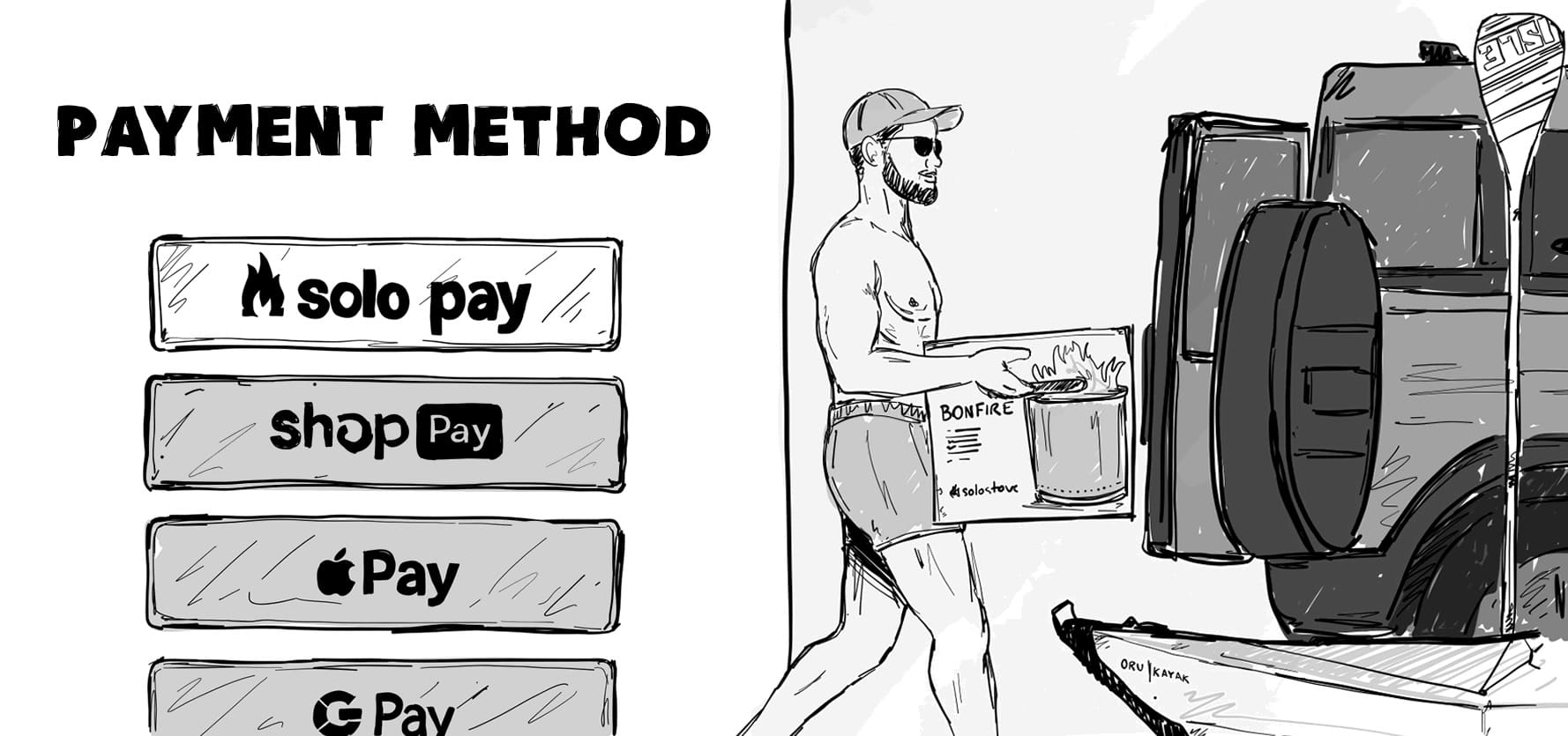
Solo Brands, owner of Solo Stove and Chubbies, serves as an example of a DTC brand learning from the past experiences of other DTCs to build a durable business. By leveraging customer data and direct communication, they fine-tuned their approach to ensure profitability and sustainability. This includes optimizing marketing strategies, focusing on customer loyalty, and managing operational costs more effectively. Solo Brands’ strategy reflects a more nuanced understanding of the DTC model and how it works with wholesale distributors to achieve meaningful growth atop of a profitable foundation.

The Personality Brand Era

My first essay on MrBeast began: “Every industry is overdue for a digital-first reset.” In the context of this journey through eras, it could not be more true. In the current Personality Brand era, as illuminated by the examples of MrBeast’s Feastables and burgers or Logan Paul’s Prime energy drinks, retail has seen the rise of influencer and celebrity-led branding. This era, as articulated most recently by Marc Andreessen, represents a paradigm shift where individual personalities drive brand value and consumer engagement. Brands are increasingly leveraging the emotional connection and trust that influencers and celebrities have with their audiences to build a more personal and relatable consumer-product relationship.

The rise of personality-driven brands indicates a significant shift in consumer-product relationships. He argues that classic brands like Coca-Cola or Kraft Mac & Cheese emerged due to the media landscape of their time. In further review, these brands were products of their eras: sales marketing concept and societal marketing eras. Other examples of the above include George Clooney’s Casamigos Tequila and Kim Kardashian’s Skims shapewear, which is now a $4 billion business. Andreessen suggested that while some might view these as temporary gimmicks, they represent a deeper change. And I agree.

****

The journey through these seven eras encapsulates the dynamic and multifaceted nature of retail. Each era has contributed to the evolving landscape of consumer engagement, marketing strategies, and brand development. As we continue to track the emergence of new trends and technologies, the story of retail remains an ongoing narrative, rich with lessons from the past and possibilities for the future. This historical perspective not only highlights the adaptability and resilience of the retail sector but also serves as a guide for navigating the ever-changing terrain of consumer preferences and market demands.

One thing is certain: DTC wasn’t a class of brands or a distribution model; it was just an era. Building durable brands has been done across each of the seven eras, but it is important to understand how to best use the time that you’re in to concept a product, launch it, scale it, and then make it durable.

Веб Смит | Редактор: Хилари Милнс 

Memo: Just Meat

It’s one of the most difficult tasks in marketing or advertising.

Over the course of the last year, I have tried and tested over a dozen direct-to-consumer brands that have each taken a stab at de-commodifying a commodity. The most recent: a DTC service called Just Meat. The product’s ease of use is enough of a differentiator to make it interesting. But even that will not be enough to overcome the obstacles it will face further along the growth curve. Over time, I have observed a correlation between meat and alt meat’s growth curves and their new woes.

Each month, it seems that there was a new meat retailer looking to piggy-back on the early successes of ButcherBox, which until recently was mum about the hundreds of millions of dollars it was generating each year in top line revenue. With the cow out of the pasture, so to speak, the market for DTC meat has popularized. “If x can do it, so can y,” is the basic logic. But the truth is that in most cases, there is an invisible wall that real meat companies share with alt-meat companies.

For alt meat, it’s the fact that the top competitors alienated the American heartland with much of their progressive marketing. In a recent look into this, AdWeek quoted Peter McGuinness, the CEO of Impossible Foods, on this matter:

So the way to get meat eaters to actually buy your product is not to piss them off, vilify them, insult them and judge them. We need to go from insulting to inviting, which is a hell of a journey.

He goes on to say, “There was a wokeness to it, there was a bicoastalness to it, there was an academia to it … and there was an elitism to it and that pissed most of America off.” Even those are gutsy words for McGuinness. Frankly, regular meat has a similar issue.

Every brand is competing for market share, hoping to scale what I do not believe is infinitely scalable. Ranchers, farmers, and fishermen can only ethically produce so much meat with the whitewashed labels that we’ve come to know: sustainable, grass-fed, grass-finished, wild caught, free range, and so on. So if there are a growing number of companies looking to out rank the other by growing the pie, the DTC meat industry will continue to run into issues producing profitability.

Recent developments in both the traditional and alternative meat sectors suggest an ongoing struggle for market dominance, with each segment grappling with unique challenges. The decline in the popularity of plant-based meats, juxtaposed with the potential for growth in the traditional meat industry, paints a picture of an industry at a crossroads. This will explore the reasons behind the alt meat industry’s struggles, the projected growth of the commodity meat industry, and the pivotal role of marketing in determining the future leaders of this sector.

The Alt Meat Industry’s Struggles: The alt meat industry, once heralded as a revolutionary solution to environmental and ethical concerns associated with traditional meat production, has encountered significant roadblocks.

Startups in the nascent category face a marketing conundrum, with McGuinness pointing to “very little awareness and understanding” of the pork, chicken and beef substitutes, along with a raft of disinformation often spread by “Big Beef” and its deep-pocketed friends. (AdWeek)

Articles from sources like Grist and Alltech elucidate these challenges. The initial surge in popularity of brands like Beyond Meat and Impossible Foods has been tempered by issues around health perceptions, taste, and price. Consumers’ disillusionment, coupled with the reality of these products being highly processed, has led to a decline in their appeal. Moreover, as a vintage Force of Nature article emphasized, the commodification of real meat – a challenge that alt meats have not been immune to – raises questions about the authenticity and sustainability of these products. These factors collectively contribute and impact both sides of the industry.

One is angering traditional Americans and the other is fibbing to them.

Growth in the Commodity Meat Industry: Conversely, the traditional meat industry, despite its environmental baggage, is poised for ethical growth as health influencers and other market signals indicate a coefficient of growth ahead. The Alltech article highlights a potential transformation within this sector, emphasizing sustainable practices like regenerative agriculture. Dr. Mark Lyons, president and CEO of Alltech:

There is no other industry that plays such a fundamental role in terms of not only producing food, but also preserving our planet. If we produce our food in the right way, we can deliver on some of those big objectives of having the right nutrition, of creating new economic opportunities, and protecting and renewing our natural resources.

These ethical practices could mitigate some of the environmental impacts traditionally associated with meat production. Furthermore, as consumer awareness increases, there is a growing demand for meat products that are ethically sourced and environmentally friendly. This shift presents an opportunity for the traditional meat industry to reinvent itself and cater to this new consumer consciousness. But there is a sizable caveat. There are limits to the ethics of these DTC brands that claim altruism as their core tenet. Eventually, all meat production resembles a derivative of Upton Sinclair’s worse nightmare. Sinclair’s fiction about the horrors of American Industrialization still resonates today, albeit with greater oversight.

The Struggle of Individual Brands: The path to growth is not without its challenges for individual brands within the traditional meat industry. The commodification of meat, as critiqued by upstart DTC brand Force of Nature, leads to a race to the bottom in terms of price and quality.

Farmers who produce commodity foods—whether animals or produce—are forced to accommodate the market. And the market, that is to say the consumer, is usually concerned about price instead of quality.

This, in turn, makes it difficult for brands to differentiate themselves and establish a unique selling proposition. But the entry of major players like Amazon, as noted in a recent Business Journals article, could provide clarity for how a DTC retailer could establish themselves well enough to improve pricing models, reduce strain on struggling CMOs, and establish a stake near the top of the marketing food chain (in a way that nearly every other commoditized food seller must).

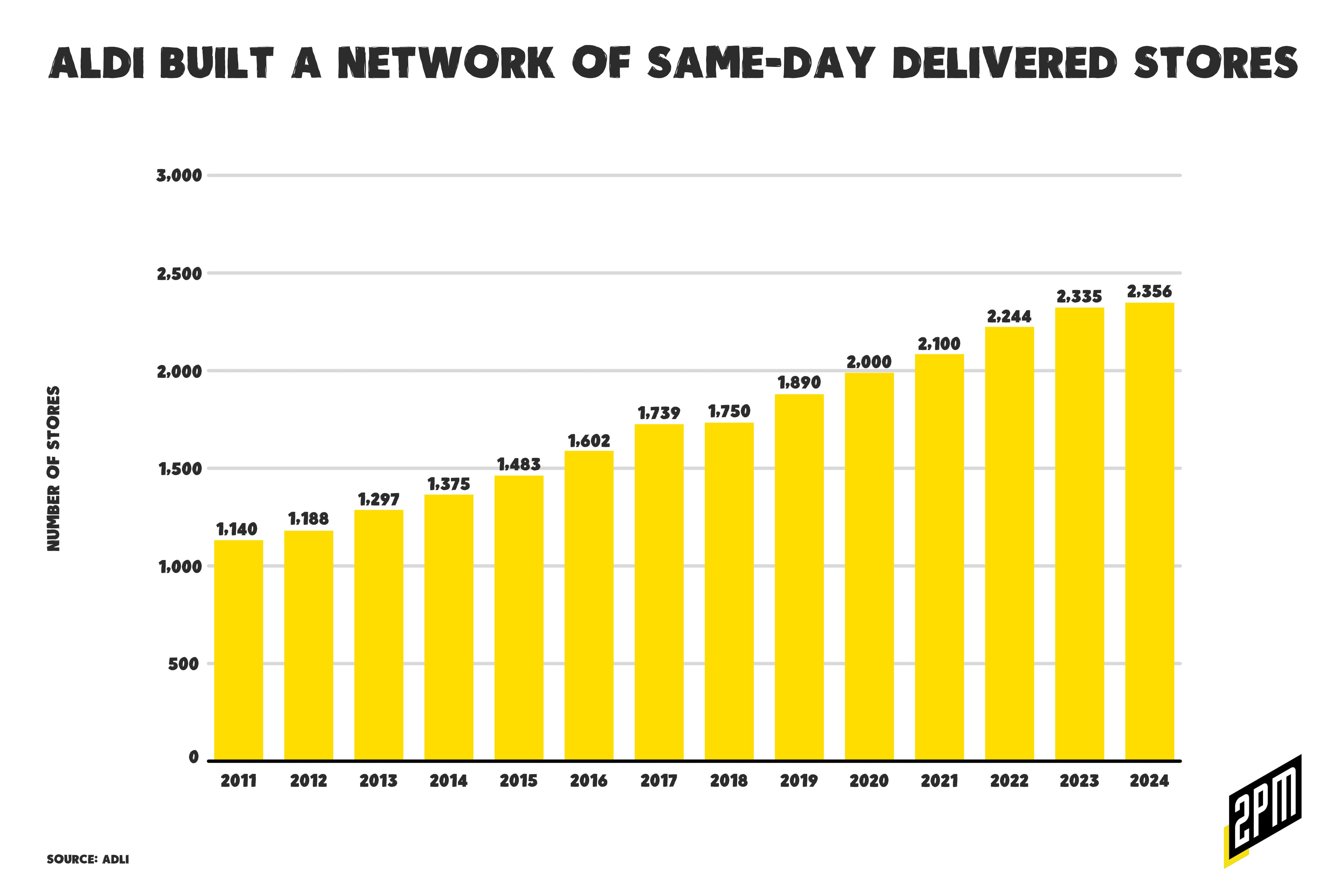
For $9.99 a month, Denver Prime [and Columbus, Ohio] members will have access to unlimited grocery delivery on orders totaling more than $35. This includes products from Amazon Fresh, its same-day grocery delivery service, and Whole Foods Market. The subscription also gives members unlimited 30-minute pickup on orders of any size.

Amazon is moving further into the grocery subscription service market as the dense market further intensifies infighting, petty blogs about competitors, and general competition. These services, offering convenience and variety, put additional pressure on individual meat brands to stand out in an increasingly crowded marketplace.

The Crucial Role of Brand Marketing Done Well

The most legendary employee at a commoditized product provider is its marketer. Whether this is true about shoes, soft drinks, or cars, the Chief Marketer decides the entire fate of the venture. Why? In this competitive landscape, brand marketing emerges as the key differentiator. DTC retailers in the space that succeed in establishing marketing superiority will likely lead the industry for good. Take a step away from meat / alt meat for a moment. Liquid Death sells the most commodified-yet-limited product on planet earth and yet, more and more grocery aisles, gas station refrigerators, concert venues, and sporting events feature its product as if Mike Cessario (the brand’s founder) discovered packaged water in 2019:

High favorability toward Liquid Death’s marketing efforts makes them a “brand to watch.” Among those aware of Liquid Death, a whopping 51% are favorable to their packaging and marketing – including their can designs, “Don’t be scared. It’s just water” advertisements, social media posts, and more. Conversely, 30% say they’re neutral and 19% are unfavorable toward their branding. (Civic Science)

One key figure that I am still digesting is that, according to Civic Science, 16% of Americans have tried Liquid Death. Now apply this to meat. This requires a nuanced understanding of consumer preferences and a strategic approach to communication. Brands need to navigate the thin line between commodification and differentiation, emphasizing the unique attributes of their products while addressing broader consumer concerns about health, sustainability, and ethics.

So how can brand marketers, with much pressure to perform, achieve marketing superiority?

Authenticity and Transparency: In an era where consumers are increasingly skeptical, authenticity and transparency in marketing are non-negotiable. Brands need to provide clear, verifiable information about their sourcing, production processes, and environmental impact. This is particularly crucial for alt meat companies that need to address concerns about processing and healthfulness. But this can also apply to traditional meat companies. Tell consumers:

Only a few of these brands like ours can last with proper unit economics. Ranchers can’t produce much more than they are right now. They deserve more respect, not more pricing pressure. And, in fact, we should be charging more and not less for this wonderful product. To that, we need to end the competition.

I’ve seen this done before in another consumer market. It’s not at all simple, easy or clean but it’s possible. Face it, 30 DTC brands (and climbing) selling meat primarily through eCommerce channels makes the eventual winner harder to come by.

Emphasizing Sustainability: With growing awareness about the environmental impact of meat production, sustainability becomes a key marketing theme. This excerpt is about alt meat, but fully applies to the discussion about traditional meat sellers:

Food companies—even ones with a cool technological edge—do not grow like a software company, he says. Food companies operate on razor-thin margins, prices are volatile, and customers can be extremely picky about what they’ll put in their mouths. There’s also a scaling issue. Software companies can scale rapidly because getting their product to new customers costs almost nothing. It’s just a matter of duplicating lines of code, or hooking up a user to a centralized database that already exists. Food isn’t like that. (Wired)

Traditional meat brands that adopt sustainable practices, such as regenerative farming, and communicate these effectively can capture a significant market share with a successful marketing approach; they may also alleviate pricing pressures. Alt-meat companies, on the other hand, need to reinforce their environmental benefits while addressing other consumer concerns about taste, ingredients, and its impact on health.

Targeted Messaging: Understanding and targeting specific consumer segments is critical. For instance, health-conscious consumers might be more receptive to messages about the nutritional benefits of highly nutritious meats, while environmentally conscious consumers might be swayed by the sustainability aspect. Tailoring messages to these specific interests can enhance marketing effectiveness. As of now, most top competitors in this space segment through bloggers and YouTube and TikTok influencers rather than envelop these different brand character traits into one cohesive message.

Innovative Distribution Channels: This happens to be the most critical of the points. Leveraging direct-to-consumer models and subscription services is commonplace. But becoming the go-to commodity retailer within Amazon’s platform would become the arbitrage that separates the challengers from the challenged, for good. Amazon’s expansion of Prime by allowing infinite monthly purchases will influence the mechanism of repeat purchases, and render the traditional, recurring model less critical than it was just one year ago. Tony Hoggett, Amazon’s senior vice president of worldwide grocery stores, in a statement:

We’re always experimenting with features to make shopping easier, faster, and more affordable, and we look forward to hearing how members who take advantage of this offer respond.

Marketing is excellence in brand voice, value proposition, and differentiation. Distribution is equally important in this context. Whichever brand convinces Amazon Prime (and non-Prime) users that it is the go-to meat in the ecosystem will unlock a recurring purchase pattern that elevates the brand beyond its own marketing mechanism. Amazon is the foremost competitive edge in grocery today, because it resembles a top of funnel that influences purchasing habits in all other grocery stores and their delivery networks. These channels offer convenience and can help build brand loyalty.

The meat and alt-meat industries share a characteristic or two, chief among them that growth is difficult, and their workforces are either stagnating or failing to grow as a result. The alt-meat sector is grappling with challenges and the traditional meat industry is facing both growth opportunities and the need for differentiation. The success of individual brands within this complex and evolving landscape will largely hinge on marketing and distribution. As consumer preferences continue to evolve, the industry must adapt, ensuring that it meets the demands of the modern consumer in a way that is both environmentally responsible for their producers and economically viable for the brands themselves.

The brand that best decommoditizes a commodity wins.

Веб Смит | Редактор: Хилари Милнс

Memo: DTC Brands And Secondaries

It’s not farfetched to argue that brands are capable of attracting consumer attention and commerce in ways that resemble traditional media and entertainment companies. A Vuori yoga studio would be in high demand for daily classes. An LMNT trail run series would attract enthusiasts in a number of cities known for outdoor activity. Both of these venture-backed companies share more than fitness in common; they share tremendous secondary market interest.

If given the option (even in today’s depressed secondaries market), the brand’s most avid supporters advocates, would buy shares of Vuori or LMNT or Gymshark or Liquid Death. The purchase of secondaries is an expression of brand equity, and it may be the best indicator for a brand’s market viability moving forward.

Brands and their equities are not determined solely by their retail sales. A pop entertainer’s value is not determined solely by primary market sales. If you’ve ever tried to buy Taylor Swift tickets from Seatgeek, you’ll know what I mean. Swifties, perhaps the purest expression of brand advocacy in modern entertainment, are willing to pay a premium just to be there for the show.

In the contemporary marketplace, brands have evolved to become much more than mere purveyors of products or services; they are, in many ways, entertainers. This reality is particularly evident in how consumer engagement and brand experience play central roles in shaping customer perceptions and loyalty. Just as a blockbuster show or a high-profile concert captivates an audience, successful brands like Vuori, Shein, Skims, Faherty, Whoop, and LMNT enrapture many of their customers. These brands leave customers wanting more from them, leaving open the idea of creating immersive and emotionally resonant experiences for then.

This extends into the realm of financial valuations. For the aforementioned brands, a cross section of extraordinary DTCs, their secondary interest can be likened to after-market ticket prices for major entertainment events. Across the market, valuation multiples in DTC are depressed according to the Drivepoint index that includes: Lululemon., Yeti, Canada Goose, Purple, Hims, Solo Brands, FIGS, Brilliant Earth, Lulu’s, Allbirds, and Laird Superfood Inc. But according to a recent report by Carta, secondary interest in internet-based companies till remains high.

A plurality of startups conducting liquidity programs so far this year on Carta have been in the SaaS sector, which is in line with historical norms. Two other sectors have seen substantial increases in their share of secondary activity: About 23% of deals so far this year involved internet & media companies, up from 18% for the full year 2022. (H1 Report – Carta)

But while this is an indicator of industry health, it is somehwat Carta added: “When the percentage of employees who are sellers declines, the percentage of sellers who are founders and investors increases.” In the context of the ratio of employee offering to founder offering, “Back in H1 2021, nearly seven out of every eight sellers was an employee.” That rate fell to three out of four in H1 2022, and it indicates a reflection of market appeal and the level of excitement a brand generates among investors, akin to a must-see show that draws crowds willing to pay premium second-market prices for the experience.

A barometer for brand equity: what’s the brand’s secondary market like? If the answer is non-existent, it could be a cause for concern. A brand advocate should always want behind-the-scenes access to the top brands.

Just as a sold-out concert or a hit Broadway show signifies high demand and popularity, robust and rising secondary interest in the private market signal a brand’s strong position and the high regard in which it is held by investors. These prices are not just numbers; they represent the collective anticipation and enthusiasm of the brand’s future in the market, mirroring how audience demand drives up ticket prices for a hit entertainment event. While not representative of a secondary market, we commonly see this stock vs. product purchase discussion in the context of Tesla. A Reddit thread on the psychology of this situation is fascinating:

Based on my current behavior, I would rather invest in the company…really want one of the cars though, just not enough to sell the stock.

Or this one:

I have 643 shares of Tesla and don’t own a Tesla. I have a Toyota Tacoma (paid off) and will keep that until the new quad CyberTruck comes out. I will definitely be purchasing that.

When this pattern of thinking is considered, the dynamics of private stock trading become a barometer of a brand’s ‘star power’ in the market. Brands that successfully engage and entertain their audience – with innovative products, compelling marketing, and strong customer relationships – see their ‘ticket prices’ rise, reflecting their desirability and success. Conversely, brands that fail to captivate an audience, much like a lackluster show, might find their secondary interest languishing, indicative of waning investor interest and market appeal. Consider this quote from the Academy of Business Research Journal. There, in 2017, Wei Feng examined the relationship between a firm’s brand equity and its investment value:

Stocks with deteriorating brand equity generally feature lower return potential.

Why do we only consider this with respect to public stock value? Combining the concepts from the business journal review on brand equity with the discussion about secondary stock sale interest for private companies reveals an intricate correlation between increased brand equity and secondary market interest.

High brand equity often translates to a strong, favorable, and unique presence in the consumer’s mind, which can significantly influence their purchasing decisions. Here are three correlations:

Brand Awareness and Equity: The journal article indicates that brand awareness, encompassing recognition and recall of a brand, plays a pivotal role in building brand equity. A private company with high brand awareness is likely to be more recognizable in the market, attracting investor attention. This awareness, especially in the upper echelons of DTC brands, signifies a strong market presence and suggests a robust potential for growth and profitability – key factors that make the company’s shares attractive in secondary markets.

Brand Image and Equity: A positive and strong brand image – comprising attributes, benefits, values, culture, personality, and user type – directly contributes to enhanced brand equity. For private companies, a compelling brand image can be a decisive factor for investors in secondary markets. A favorable brand image often reflects a company’s stability, market strength, and potential for long-term success, making its stocks a desirable commodity in secondary transactions.

Sales Promotions and Equity: Effective sales promotion strategies, both monetary and non-monetary, can bolster a brand’s market presence, directly influencing its equity. For private companies, innovative and successful promotional strategies can signal market agility and consumer appeal, traits that investors seek in secondary market transactions.

When it comes to secondary stock sale interest, this is where the concept of brand equity becomes even more crucial for private companies. High brand equity suggests to potential investors that the company has a strong market position, loyal customer base, and significant growth potential, making its shares a valuable investment.

On platforms like Hiive Markets, Forge Global, and Equity Zen, where secondary transactions for private companies occur, the level of activity and interest in a company’s shares can and should be measured as a data point. Active trading is itself a product offering and can signal strong brand awareness and a positive brand image, suggesting overall robust brand equity.

Summary: For private companies, the interest in secondary stock sales is closely correlated with the brand equity, which is a composite of brand awareness, brand image, and the impact of sales promotions. Strong brand equity not only enhances a company’s standing in the eyes of consumers but also elevates its attractiveness to investors in secondary markets, thereby influencing the liquidity and perceived value of its shares. It can be a virtuous cycle.

In the modern era of branding, where customer engagement is paramount, brands must think and act like entertainers, constantly seeking to captivate and delight their audience. They should also expand their definitions of what a customer is to a brand. A retailer’s ability to do so is not just a matter of market strategy but is directly mirrored in the valuation of their secondary interest. And like a Swiftie’s desire for a ticket at almost any cost, the higher the perceived brand-as-entertainer value, the more customers will be willing to invest. The effort to assess and publish secondary interest in top brands should become a priority, it should become as common as any other subjective measure of equity.

By Web Smith | Editor: Hilary Milnes with art by Alex Remy 

Editor’s Note: to join this memo, we’ve added a study to the DTC Power List. For the new feature on polled secondaries interest, we combined a poll (n=97) with internal data on this update’s top 250 brands to assess whether those polled and others would pursue an interest in secondary stock sales from employees, founders, and / or existing shareholders of the retailers mentioned. We weighted the poll as 90% of the the assessment and we plan on growing the list to the full 800+ in the coming weeks. As mentioned above, interest in purchasing secondaries is a positive indicator for the current brand equity, potential brand equity, and current financial health of the retailers mentioned.