Memo: “Buy Now”

I did something slightly different this year: I opted out of Black Friday and Cyber Monday.

It was an experiment to see if I could withstand the many advertising and consumer forces that I always loved. eCommerce has long been a drug of choice and I’d been in denial about the hold it had on me. But my push to change didn’t start with America’s biggest holiday.

Earlier in the fall of 2024, I adopted a new philosophy: I would not purchase an article of clothing unless I felt that it would last my natural lifetime (this excluded many technical fabric textiles). From there, I selected a minimalist number for each category of my wardrobe items:

  • Six sweaters or sweatshirts
  • Five pairs of pants
  • Six polo shirts
  • Three belts
  • Three pairs of shoes

I would then rotate these pieces based on the day and combination. The goal? To reduce my personal spending and address my reliance on an overburdened textile industry rife with harmful materials and processes—each contributing to an outcome that was invisible for far too long. Brands like Indi+Ash, Firstport Company, Sid Mashburn, Fair Harbor, and Merz B. Schwanen led the fall/winter wardrobe. Ministry of Supply was the only exception to this rule; they’ve since ventured into products manufactured sustainably.

This became a deliberate shift in mindset and, therefore, the basis upon which I approached the consumption framework that perfectly aligned with the themes in Buy Now! The Shopping Conspiracy.

Sustainable fabrics, even more sustainable fabrics. Both longer-lasting.

Netflix’s documentary Buy Now! The Shopping Conspiracy came right on time in the run-up to Black Friday and Cyber Monday – a cultural phenomenon that epitomizes consumerism at its most extreme. As holiday sales are about to overwhelm people, the film deconstructed how multinational corporations engineer overconsumption that results in environmental and social devastation. The documentary’s release was a kind of reminder that this shopping frenzy is not just an economic event; it is also environmental and psychological, with effects reaching far beyond the holiday season.

The Engineered Cycle of Overconsumption

Directed by Nic Stacey, Buy Now! shows global brands using sophisticated marketing and conversion rate optimization tactics that trap consumers in an endless buying cycle. Former executives from companies such as Amazon, Apple, and Adidas admit their roles were to optimize consumption. From sleek advertising to disposable product designs, corporations have made shopping seamless-one in which consumers act on impulse rather than need.

The film’s narrator—a digital assistant-inspired character named Sasha—walks viewers through staggering statistics. Globally, 2.5 million shoes are manufactured every hour, and 13 million mobile phones are discarded every day. These numbers are presented through vivid animations, illustrating the sheer scale of production and waste. It’s a problem largely hidden from the consumer’s view but painfully visible in places like Ghana, where mountains of discarded clothing and electronics accumulate, as documented by the Or Foundation.

The Black Friday Effect

The Black Friday and Cyber Monday phenomenon is a philosophy that Buy Now! sets out to challenge. Once an American ritual connected to Thanksgiving, Black Friday has gone global, long-removed from its historical context. In the United Kingdom, Black Friday has been embedded into the retail calendar for a little more than a decade, primarily driven by online giants like Amazon.

It is not consumer demand that drives this growth but an ecosystem predicated on short-term gain over long-term sustainability. Companies push products to fail or become obsolete to drive consumers back into the marketplace. This is called planned obsolescence, wherein a steady stream of revenue is ensured while leaving a legacy of waste.

What this reveals more poignantly, however, is Amazon’s place within that narrative. It’s this frictionless buying that the company has – first – pioneered and – second – mastered. This vivid history was shared by former user experience designer Maren Costa. One-click purchasing and speedy delivery reduced barriers to buying on psychological levels and made it easier for consumers to rack up goods. Later let go (reportedly due to her activism within Amazon), Costa revealed the tension between corporate objectives and individual initiatives that work for change.

The Global Waste Crisis

The ecological consequences of consumption are overwhelming; more than 15 million pieces of clothes, rejected mainly by Western consumers, arrive in Ghana each week. These often consist of low-quality, fast-fashion items that cannot be repaired or sold and thus enter the textile waste stream. Similarly, this proliferation has created a new category of electronic waste. Much of it lands in landfills or is incinerated and releases toxic chemicals into the air.

Stacy’s documentary underlines the fact that the problem is not only one of waste management but also one of production and consumption. As former CEO of Unilever Paul Polman says in the film,

Away isn’t a magic place; it’s just somewhere else on Earth.

From clothes to electronics to plastics, the products of our lives rarely meet their maker when they leave the consumer’s hand; instead, they linger on as pollutants, microplastics, or non-biodegradable waste.

The Role of Consumers and Corporations

The film made a point that while individual actions, such as buying less and repairing items have value, the scale of the problem demands systemic change. This requires not just changes in consumer behavior but also in corporate practice and public policy. Several contributors to the film put forward a number of directions in which movement might take place:

  • Extending Product Lifespan: Companies should focus more on making products durable than disposable. One of the very striking examples was drawn from the movie-a Hong Kong-based cloth manufacturer that 15 years ago tested garments, washing them 50 times to ensure their good service life. Nowadays, companies have given up such policies in favor of cheaper quick fixes.
  • Policy Interventions:Through the use of appropriate legislation, governments could offer incentives for sustainable practices and wasteful ones. For instance, policies requiring companies to manage end-of-life disposal of their products,  like extended producer responsibility in some regions.
  • Consumerism Consciousness: The film does not directly blame the consumer but it does make the consumer stop and think about how they consume. 

The Black Friday Paradox

The timing of Buy Now! underlines a paradox: Black Friday and Cyber Monday are – both – holidays of consumption and a time for reflection. While millions peruse retail websites, the film challenges viewers to consider the real cost of what they buy. The temptation of discounts often blinds consumers to the hidden costs: environmental degradation, labor exploitation, and the perpetuation of a wasteful system.

To retailers, Black Friday has become a make-or-break moment. Companies pump money into advertising and logistics to capture as much consumer spending as possible. But as Buy Now! made clear, this relentless drive for growth is coming at the expense of sustainability. Even brands that tout themselves as ecologically friendly are not beyond reproach; greenwashing, or making spurious claims about environmental benefits, is rife during the holiday season.

Hope Amid the Chaos

But despite the bleak subject matter, Buy Now! ends on a note of hope. The film found particular traction among young people, many of whom have been discussing the topic – both at the micro and macro levels – on TikTok. And the #BuyNow hashtag has accumulated millions of views, indicating a growing consciousness.

The documentary’s immediate success is proof that times are changing. According to Stacey, people who don’t even call themselves environmentalists have been inspired to think twice. It’s at least a cultural shift that can help grease the wheels for systemic changes more broadly.

*****

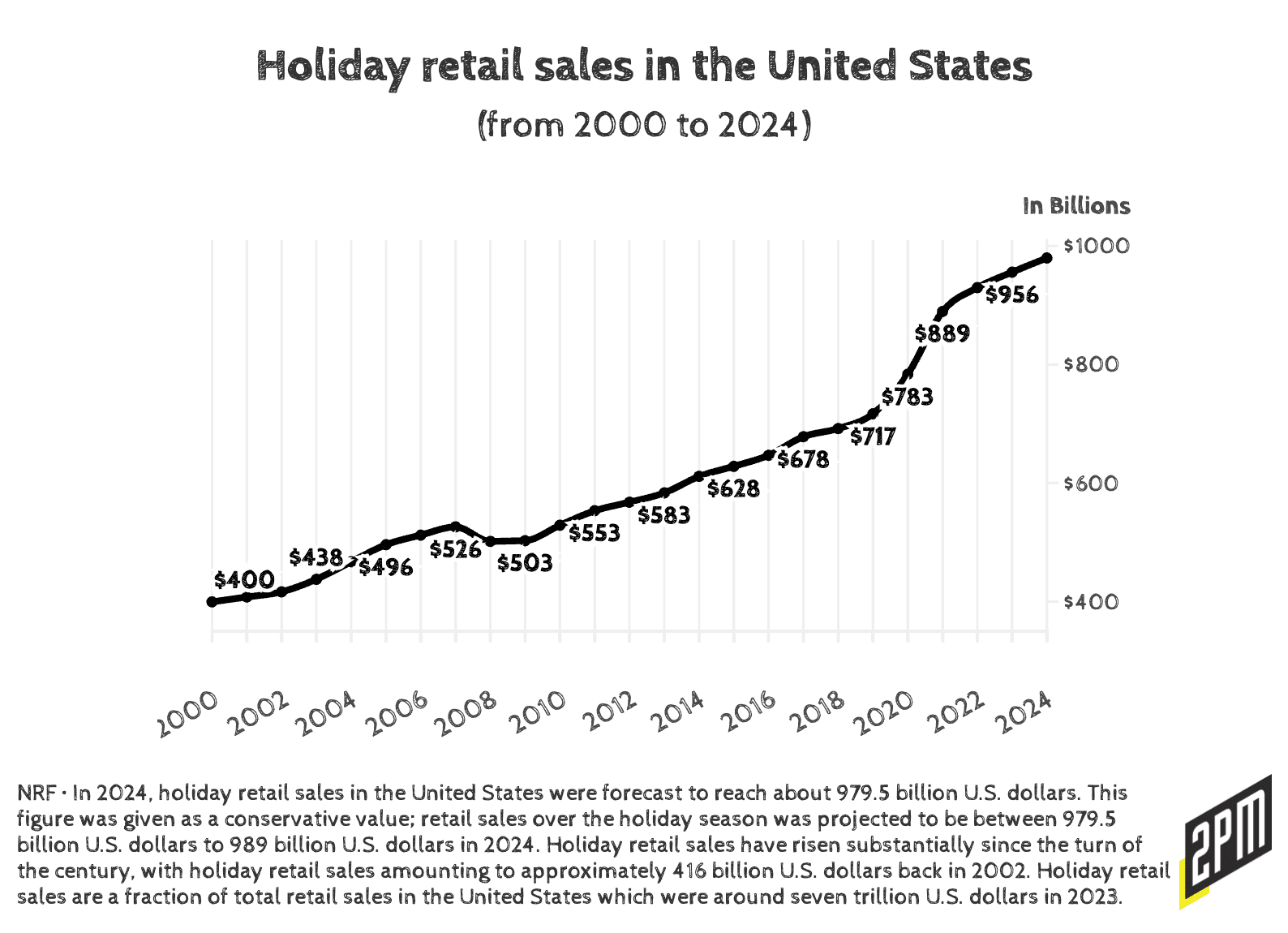
The lessons learned go far beyond Black Friday and Cyber Monday. Consumers must avoid the equating of happiness with material possessions. Corporations will also have to adapt to a new paradigm where sustainability will stand shoulder to shoulder with profitability. As the documentary eloquently concludes, “Whoever dies with the most stuff does not win.” The true measure of progress lies not in how much we consume but in how thoughtfully we live. This was another record-breaking Black Friday.

Sustainability is the wrong word, we need a reversal of policy, a reversal of collection, and a solution for the waste that has already left our grasp – from cardboard box to $17 Temu dress and $9 disposable men’s razor.

Por Web Smith

Memo: The Distressed Brand

The opposite of brand equity isn’t no equity; it’s brand apathy. This is when a brand can appear to succeed financially while diminishing in stature. How many of your favorite brands have followed the same path you’ll read about below? There are lessons for anyone who ever dares to build from scratch. So, the brand was anonymized for the sake of this essay. Why?

A brand’s life cycle often mirrors a parabola: the rise, the zenith, and, for some, the descent. And for a small few: a resurgence. What happens when a once-vibrant brand begins to flicker, showing signs of an identity crisis and operational fatigue? For one brand, the streets have noticed, and the chorus of commentary grows louder by the day.

In the ever-dynamic world of cultural fashion, authenticity isn’t just a buzzword—it’s the currency that makes or breaks loyalty. Today, we delve into the case of a brand once considered untouchable in its space, now grappling with the realities of technical growth and brand apathy.

A Decline in Customer Intimacy

For years, the brand’s hallmark was its ability to connect with its audience. Customer service was sharp, swift, and personal—every email was answered, and every issue was resolved with a human touch. Fast forward to today, and the inbox silence is deafening. The company’s customer support team, once the bridge between the brand and its loyalists, now feels like an afterthought. Emails go unanswered for weeks, if they’re answered at all.

“This isn’t the brand I fell in love with,” says J.D., a longtime, self-described streetwear enthusiast. “They don’t even respond anymore, bro. We’re out here shouting into the void.”

The emotional disconnection bleeds into the larger narrative. When a brand begins to neglect its foundational relationships, it’s not just customers who notice—culture notices. And culture doesn’t forgive easily.

The Stagnant PR Machine

The drip-feed of stories, campaigns, and aspirational media coverage that once defined the brand’s public relations engine has all but stopped. The company’s media presence feels sluggish, almost indifferent. For a brand that thrived on relevance, it’s a quiet signal that something is amiss.

“I used to see them everywhere, stories that resonated. Now? It’s like they’ve stopped trying,” laments a frequent visitor to retail trade publications. “It feels like their ambition evaporated overnight.”

In a category where perception is everything, silence from the brand’s PR front is interpreted as either arrogance or neglect. Both are unflattering—and neither inspires trust.

The Shift in Product Design

One of the most glaring red flags is the evolution—or rather, the devolution—of the brand’s product line. Gone are the intricate, ambitious designs that catered to the tastemakers. In their place: simpler, safer, and more generic pieces.

“It’s like they’re designing for Target or Walmart now,” quips a long-time follower. “The vibe is gone. Where’s the personality?”

Another enthusiast added that the brand didn’t appear to be taking risks. Noting that, “they’re just trying to appeal to everybody. And when you appeal to everybody, you lose the ones who really matter.”

This shift towards mass-market appeal may seem like a smart move on paper—especially in a precarious economy—but it comes at a significant cost: cultural cachet. The die-hard fans who once championed the brand are now watching from the sidelines, unrecognizable in the sea of new, less discerning consumers. The ethos that made the brand distinct has been diluted to the point of no return.

The Cultural Rebellion

Among core communities – where word of mouth is king – an apathetic sentiment can damning. A brand that was once a badge of authenticity and style is now being described as out of touch, out of ideas, and, perhaps worst of all, irrelevant.

“They’ve lost us,” says Chris, who used to line up for drops that sold out in minutes. “If you’re not designing for us, then who are you designing for?”

Even the once-loyal, upper-middle-class white consumer—a demographic that brands in this space often count on for stable revenue—is turning away. “Honestly, I can get this same look at (noted mall brand),” says one former customer. “Why would I keep paying for a name that doesn’t mean anything anymore?

These aren’t isolated grumbles—they’re part of a growing chorus that underscores the brand’s fundamental disconnect from its consumer base.

Data Tells the Story

A closer look at the brand’s Charm.io metrics paints an even grimmer picture. While the brand maintains a respectable Charm Growth Score, the cracks are evident when we zoom into specific categories. Instagram engagement remains high, but the rest of the platform strategy – TikTok, Facebook, and X — speaks to an inconsistent and poorly aligned digital presence.

Traffic metrics bolster the narrative of stagnation. Monthly paid traffic is up 14%, but total traffic has declined by 8% over the last 12 months. Meanwhile, traditional advertising efforts are growing, signaling a reliance on paid media to fill the gap left by organic word-of-mouth, but it’s not enough to sustain the brand’s once-vibrant allure.

One surprising bright spot: online resellers. The brand’s notably high percentile indicates demand still exists in niche channels, likely among collectors and loyalists. But even this feels like a fleeting flicker of the brand’s past glory rather than a sustainable strategy.

The Root Cause

So, what happened? Was it poor leadership? A miscalculated pivot to mass appeal? The answers aren’t straightforward, but some trends emerge:

Overcorrection for Scale: The brand’s efforts to appeal to a broader demographic came at the expense of its core identity. Simplifying the product line may have boosted operational efficiency, but it alienated the tastemakers who built the brand in the first place.

Resource Drain: From customer service to PR to design, every touchpoint appears stretched thin. Whether due to financial strain or mismanagement, the cracks are glaring.

Digital Decline: The brand’s digital strategy feels reactive rather than proactive. While Instagram engagement remains strong, other platforms are being neglected, leaving critical audience segments untapped.

The Way Back

It’s not too late for the brand to stage a comeback. But doing so will require humility, focus, and a willingness to embrace the hard truths of its current situation. Here’s what needs to happen:

Reignite Authenticity: Double down on what made the brand special in the first place. Whether through limited-edition drops, collaborations with cultural icons, or a return to more daring designs, the brand needs to win back its core audience.

Reinvest in Relationships: Customer service isn’t optional—it’s foundational. Fixing this will require resources and effort, but it’s non-negotiable.

Simplify the Message: The brand’s current identity feels scattered. A cohesive narrative—supported by a consistent digital presence—can help regain consumer trust.

Accept Smaller Ambitions: Not every brand needs to be a mass-market success. There’s power in being niche, as long as it’s done intentionally.

****

The tale of this distressed brand isn’t just a cautionary one, it’s a lesson to others navigating the volatile world of fashion and culture. Staying relevant requires more than momentum; it requires a relentless commitment to the principles that made you great. Lose sight of those, and the descent begins.

As for this brand? The streets are still watching. The question is whether the story ends with a whimper—or with a comeback that defies the odds.

Written by Web Smith

Memorando: "Comércio Cinza"

O comércio eletrônico global não se trata mais apenas de marcas DTC chamativas ou lançamentos de plataformas chamativas. Não se trata de unicórnios que ganham manchetes ou da ascensão meteórica de novos aplicativos - trata-se de algo mais silencioso, sutil e, em muitos aspectos, mais impactante. Trata-se do crescimento não celebrado, porém constante, de negócios de varejo on-line de médio porte e de empresas, muitos dos quais são impulsionados por agências de nicho com um entendimento profundo de uma nova e complexa dinâmica de mercado. Em alguns círculos, esse nicho é chamado de "comércio cinza" - o espaço entre as divisões em preto e branco do varejo doméstico tradicional e a economia digital verdadeiramente global que está surgindo.

A mudança para a lucratividade silenciosa

O cenário do comércio eletrônico vem mudando de maneiras que nem sempre são visíveis na superfície. Nos anos que se seguiram ao boom da pandemia, as métricas de crescimento esfriaram e a era do capital de risco fácil terminou. Entramos em uma fase em que a lucratividade é o novo crescimento, e as empresas que prosperam são aquelas que foram além da busca insustentável por escala a qualquer custo.

Os holofotes não estão mais voltados para os queridinhos da DTC, com grandes gastos com publicidade e margens reduzidas. Em vez disso, são as empresas pouco conhecidas e operacionalmente sólidas que estão expandindo discretamente seu alcance, muitas vezes concentrando-se em nichos de mercado, categorias de produtos específicas ou públicos internacionais inexplorados. Muitas dessas empresas estão criando operações de comércio eletrônico sustentáveis e lucrativas, não seguindo as tendências mais fortes, mas aprimorando os aspectos práticos e duradouros de seus negócios. Muitos desses varejistas não estão aqui; eles estão onde quer que "haja". Desde as crescentes soluções de software até as notáveis plataformas de comércio eletrônico de código aberto e os varejistas que as utilizam.

Agências no leme: Facilitadores do comércio cinza

As agências que estão preparadas para prosperar nesse ambiente não são as empresas chamativas que promovem a mais recente solução SaaS ou hack de funil. Em vez disso, elas são enxutas, adaptáveis e profundamente integradas às operações de seus clientes. Essas são as agências que compreendem as sutis nuances da seleção de plataformas, a importância fundamental da integração das cadeias de suprimentos e a complexidade da expansão internacional.

Em vez de serem generalistas, as agências bem-sucedidas da Gray Commerce são especialistas. Elas conhecem as plataformas que escolheram por dentro e por fora - seja o Shopify, por seu ecossistema que prioriza o comerciante, o BigCommerce, por sua flexibilidade empresarial, ou o Webflow, para projetos exclusivos e focados em design. Elas estão criando sistemas que não apenas escalam, mas também se adaptam, sistemas que podem ser flexíveis para acomodar mudanças na demanda do mercado, mudanças regulatórias e interrupções na cadeia de suprimentos.

No entanto, o que realmente diferencia essas agências é sua capacidade de superar a divisão entre as tecnologias norte-americanas e as oportunidades emergentes nos mercados globais. Elas estão facilitando conexões não apenas entre fronteiras, mas também entre divisões culturais e operacionais, possibilitando uma nova onda de crescimento do comércio eletrônico que prospera na área cinzenta entre mercados estabelecidos e emergentes.

Como superar a divisão: O papel das relações internacionais

O crescimento do Gray Commerce está enraizado na capacidade de preencher a lacuna entre o cenário do comércio eletrônico doméstico e o potencial inexplorado dos mercados internacionais. As agências que cultivaram relacionamentos internacionais sólidos estão em uma vantagem distinta. Elas têm uma compreensão das regulamentações locais, das preferências dos consumidores e dos desafios logísticos exclusivos do comércio internacional.

Considere a ascensão de plataformas bem conhecidas como a Temu e a crescente influência da Shein nos mercados ocidentais. Essas empresas não expandiram simplesmente seus modelos existentes; elas os adaptaram, usando estratégias de comércio social aperfeiçoadas na China e adaptadas para atender às expectativas dos consumidores ocidentais. As agências que podem ajudar as tecnologias de comércio eletrônico norte-americanas a navegar por esse tipo de expansão internacional, aproveitando as percepções de ambos os lados, são as que estão posicionadas para ter sucesso.

Essas agências estão construindo o que chamo de Gray Bridges - os caminhos operacionais e culturais que conectam o apetite de crescimento do mercado doméstico com o potencial inexplorado do mercado internacional. Não se trata de escolher entre o preto (doméstico) e o branco (internacional), mas de encontrar uma maneira de mesclar os dois em uma estratégia cinza e coesa.

Decisões de plataforma em um mercado cinza

No Gray Commerce, a escolha da plataforma não é uma decisão única; é uma estratégia personalizada. A Shopify continua sendo uma opção por sua facilidade de uso e seu robusto ecossistema de aplicativos, mas, para muitas agências que trabalham no espaço cinza, trata-se de selecionar a plataforma que melhor se alinha às necessidades específicas do mercado e à trajetória de crescimento de um cliente.

O BigCommerce está se tornando um dos favoritos das empresas que precisam de flexibilidade e recursos de nível empresarial sem o preço do Salesforce. O Webflow oferece uma solução exclusiva para marcas que priorizam o design criativo e a narração de histórias, especialmente em mercados em que a diferenciação visual é fundamental. As agências bem-sucedidas serão aquelas que entenderem não apenas como implementar essas plataformas, mas também como personalizá-las e ampliá-las de forma a se alinharem às diversas necessidades do mercado e às complexidades internacionais.

O impacto silencioso do comércio cinza

Esse segmento mais silencioso do comércio eletrônico está impulsionando um crescimento substancial, mas não é o tipo de crescimento que aparece nas manchetes. Ele é incremental, construído com base em operações sólidas, cadeias de suprimentos eficientes e uma compreensão das diversas necessidades dos consumidores. É um distanciamento do foco da década anterior em escalonamento rápido e conquista de participação de mercado. O Gray Commerce prioriza a lucratividade, a sustentabilidade e a adaptabilidade - qualidades que são essenciais à medida que o setor amadurece.

As agências que lideram esse movimento são aquelas que não têm medo de operar nas sombras, longe do ciclo da moda. Elas não estão lançando campanhas de marketing chamativas ou divulgando a próxima grande tendência tecnológica. Em vez disso, estão investindo em relacionamentos de longo prazo, criando recursos internacionais e implementando o tipo de melhorias operacionais granulares que realmente fazem a diferença.

*****

Ao olharmos para 2025, o futuro do crescimento do comércio eletrônico será moldado por esses operadores silenciosos que prosperam na área cinzenta entre o mercado doméstico familiar e a crescente oportunidade internacional. As agências bem-sucedidas serão aquelas que abraçarem essa complexidade, preenchendo a lacuna entre diferentes mercados e diferentes formas de fazer negócios. Elas ajudarão a construir a próxima geração de marcas de comércio eletrônico lucrativas, não se concentrando no que é óbvio e barulhento, mas dominando o sutil, o matizado e o cinza.

É aí que está o verdadeiro crescimento - não nas manchetes em preto e branco, mas no trabalho discreto e consistente que ocorre nos bastidores. No Gray Commerce, não se trata de fazer o maior barulho; trata-se de criar o corpo de trabalho mais forte e duradouro.

Por Web Smith