
Este informe está destinado exclusivamente a Miembros ejecutivos, para facilitarle la afiliación, puede hacer clic a continuación y acceder a cientos de informes, a nuestra lista DTC Power List y a otras herramientas que le ayudarán a tomar decisiones de alto nivel.
Memo: The Argument For CPG Investing
The tailwinds are with CPG, grocery, and meal delivery. Invest accordingly.
By 2027 21.5% of eCommerce will be food and beverage (Statista). This number is currently sitting at sub 14%. That’s some acceleration.
A discernible shift has emerged. After collecting a year or so of data, there is a clear redirection of momentum towards grocery and food CPG as the prudent investment over any other category, especially when juxtaposed against the volatile sectors of clothing and accessories. If you want to throw money away or get stuck in a cycle of illiquidity, invest in cool, fashion retail brands. If you want to 80x your return, invest in the right food, drink, supplement, or snack foods brand (or the technologies that support this trade).
This affirmation isn’t merely a trend but a reflection of changing consumer behaviors, technological advancements, and strategic shifts by retailers that underscore the resilience and potential of the grocery and CPG eCommerce sector. The recent developments, including Marc Lore’s new venture, Wonder; Liquid Death’s staggering $1.4 billion valuation; and Aldi’s ambitious expansion plans. 2PM recently published this on Aldi’s growing network of grocery delivery hubs:
Aldi’s growth is indicative of the changing consumer landscape. With 2,356 stores, it would land at third on this list. The place is the antithesis of complication. Shopping at Aldi is like a breath of fresh, budget-friendly air. The store’s design is straightforward, and the selection, while limited, covers all the basics at prices that test the American belief of consumer pricing index. It’s the kind of simplicity that makes you wonder why shopping anywhere else feels like preparing for a space mission. Aldi’s model is a testament to the power of keeping it simple – a lesson many subscription services could learn from.
Aldi’s plan to add 800 stores across the United States by 2028, with a significant investment, showcases another dimension of the sector’s growth. This expansion not only emphasizes Aldi’s confidence in the physical grocery market, but also its role as a powerful eCommerce delivery partner to platforms like Instacart, illustrating the synergies between brick-and-mortar strategies and e-commerce dynamics.
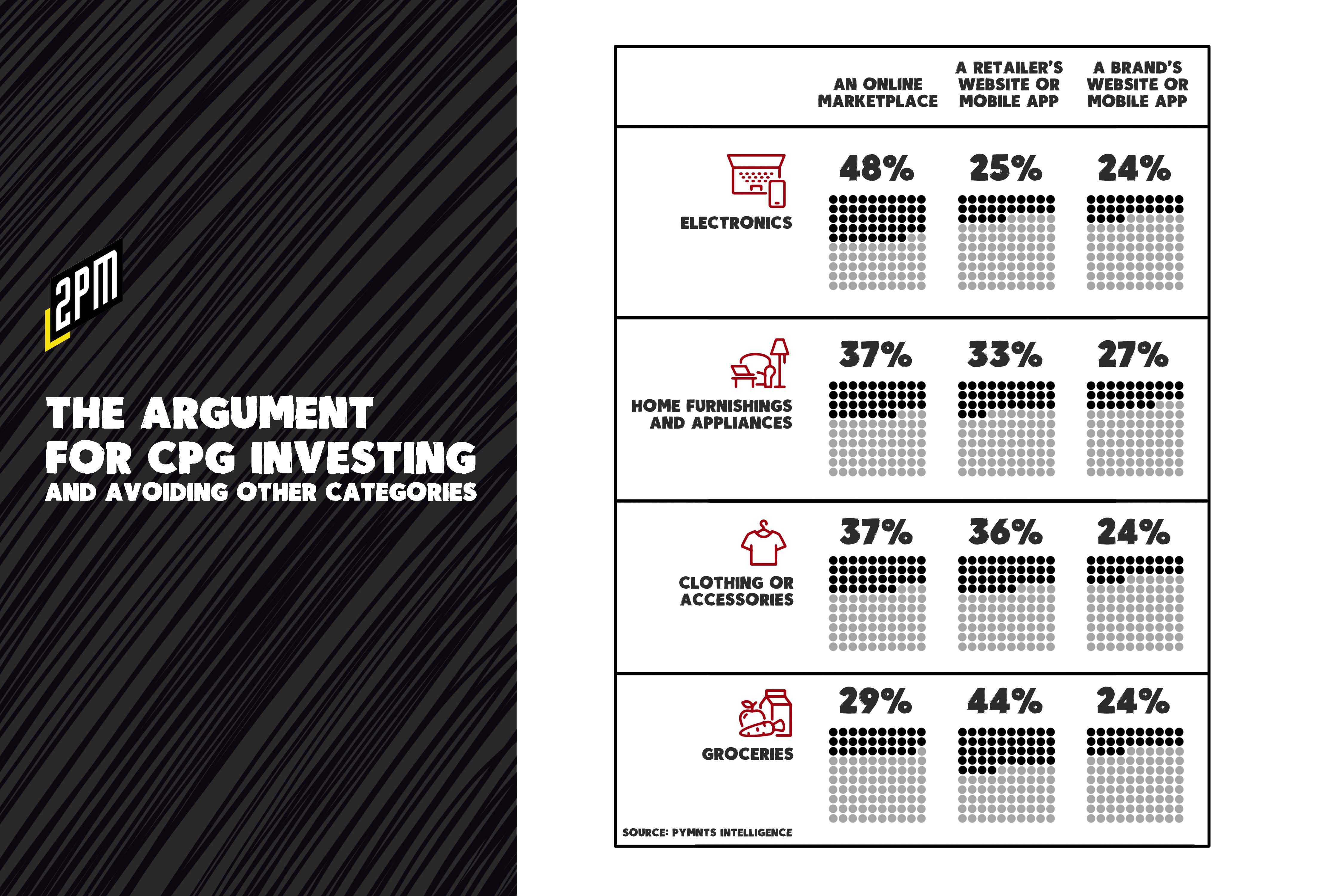
Additionally, the insights from a recent PYMNTS report on online grocery shopping paint a compelling picture of why this sector stands as a beacon for investors seeking stability and growth in the digital marketplace.
The PYMNTS report, “Retailers Win in Online Grocery,” offers a data-driven perspective on the shifting dynamics in the eCommerce landscape. It highlights a crucial consumer behavior: the preference for purchasing groceries from retailer websites and apps over online marketplaces or brands’ direct channels. This preference underscores the trust and loyalty consumers place in established grocery retailers, which offers these retailers a unique advantage in capturing and retaining customers in the digital realm. Companies like Kroger and Walmart are not just participating in the online grocery market; they are leading it, leveraging digital platforms to fuel growth and improve unit economics.
But it’s not only established enterprise retailers investing heavily in logistics or marketplaces in the food space.
Marc Lore, an eCommerce titan known for his disruptive ventures, has once again grabbed the headlines with the launch of Wonder, a new company that aims to revolutionize the food delivery service. By pivoting from a van-based cooking model to kitchen-prepared meals and strategically positioning the startup within the bustling hubs of New York City, Lore has demonstrated a keen understanding of the consumer’s demand for quality and convenience. His substantial personal investment and ambitious plans for Wonder signal a strong belief in the food and beverage eCommerce sector’s growth potential, reinforcing the narrative that grocery and meal-based eCommerce is still ripe for innovation and investment. Perhaps more than ever, given the adoption levels of this form of online retail.
Further solidifying the sector’s appeal is the meteoric rise of Liquid Death, a brand that has transcended its product offering to become a cultural phenomenon, now valued at an impressive $1.4 billion. This valuation speaks volumes about the consumer’s appetite for unique, branded experiences in the grocery space, even for products as ubiquitous as water. Liquid Death’s success story is a testament to the potential for brands within the grocery and CPG sector to achieve exponential growth through strategic branding, digital marketing, and traditional DTC models.
The shift towards grocery-based eCommerce is not merely a reactionary trend but a reflection of broader societal changes. The pandemic accelerated the adoption of online shopping, and while many sectors experienced a boom-and-bust cycle, grocery eCommerce has shown resilience and sustained growth. The convenience of online shopping, combined with consumers’ growing interest in cooking and eating at home, has propelled grocery and CPG eCommerce into a position of strength.
There have been few stories or indicators of tailwinds in other eCommerce categories. In contrast, the clothing and accessories sectors face inherent challenges that grocery circumvents. The fickle nature of these products, coupled with the variability in sizes and personal preferences, leads to higher return rates and customer dissatisfaction. Thanks to unwieldy inventory management, fashion continues to be a complex and risky endeavor. With the exception of few labels like Greyson Clothiers, Todd Snyder and a short list of others, few can claim the tailwinds
Investing in grocery and CPG eCommerce, therefore, emerges as a strategy grounded in consumer demand, technological integration, and market stability. The sector’s resilience during economic downturns, coupled with its essential nature, offers a buffer against the volatility seen in discretionary spending categories like clothing and accessories. Moreover, the ongoing innovations by entrepreneurs like Marc Lore and companies like Liquid Death and the potential scale of Aldi demonstrate the sector’s potential for high returns on investment.
The pivot towards grocery and CPG eCommerce is underpinned by a confluence of factors that promise sustained growth and stability. As consumer behaviors continue to evolve towards convenience, quality, and sustainability, grocery and CPG eCommerce stands out as a sector not just surviving the digital shift but thriving within it. Again, invest accordingly.
By Web Smith | Editor: Hilary Milnes with art by Christina Williams
Member Intel: Retail vs. Macroeconomics

Este informe está destinado exclusivamente a Miembros ejecutivos, para facilitarle la afiliación, puede hacer clic a continuación y acceder a cientos de informes, a nuestra lista DTC Power List y a otras herramientas que le ayudarán a tomar decisiones de alto nivel.