
The thing about black boxes is that the software stack is wonderful when it works. It’s a crisis when it doesn’t.


The opposite of brand equity isn’t no equity; it’s brand apathy. This is when a brand can appear to succeed financially while diminishing in stature. How many of your favorite brands have followed the same path you’ll read about below? There are lessons for anyone who ever dares to build from scratch. So, the brand was anonymized for the sake of this essay. Why?
A brand’s life cycle often mirrors a parabola: the rise, the zenith, and, for some, the descent. And for a small few: a resurgence. What happens when a once-vibrant brand begins to flicker, showing signs of an identity crisis and operational fatigue? For one brand, the streets have noticed, and the chorus of commentary grows louder by the day.
In the ever-dynamic world of cultural fashion, authenticity isn’t just a buzzword—it’s the currency that makes or breaks loyalty. Today, we delve into the case of a brand once considered untouchable in its space, now grappling with the realities of technical growth and brand apathy.
For years, the brand’s hallmark was its ability to connect with its audience. Customer service was sharp, swift, and personal—every email was answered, and every issue was resolved with a human touch. Fast forward to today, and the inbox silence is deafening. The company’s customer support team, once the bridge between the brand and its loyalists, now feels like an afterthought. Emails go unanswered for weeks, if they’re answered at all.
“This isn’t the brand I fell in love with,” says J.D., a longtime, self-described streetwear enthusiast. “They don’t even respond anymore, bro. We’re out here shouting into the void.”
The emotional disconnection bleeds into the larger narrative. When a brand begins to neglect its foundational relationships, it’s not just customers who notice—culture notices. And culture doesn’t forgive easily.
The drip-feed of stories, campaigns, and aspirational media coverage that once defined the brand’s public relations engine has all but stopped. The company’s media presence feels sluggish, almost indifferent. For a brand that thrived on relevance, it’s a quiet signal that something is amiss.
“I used to see them everywhere, stories that resonated. Now? It’s like they’ve stopped trying,” laments a frequent visitor to retail trade publications. “It feels like their ambition evaporated overnight.”
In a category where perception is everything, silence from the brand’s PR front is interpreted as either arrogance or neglect. Both are unflattering—and neither inspires trust.
One of the most glaring red flags is the evolution—or rather, the devolution—of the brand’s product line. Gone are the intricate, ambitious designs that catered to the tastemakers. In their place: simpler, safer, and more generic pieces.
“It’s like they’re designing for Target or Walmart now,” quips a long-time follower. “The vibe is gone. Where’s the personality?”
Another enthusiast added that the brand didn’t appear to be taking risks. Noting that, “they’re just trying to appeal to everybody. And when you appeal to everybody, you lose the ones who really matter.”
This shift towards mass-market appeal may seem like a smart move on paper—especially in a precarious economy—but it comes at a significant cost: cultural cachet. The die-hard fans who once championed the brand are now watching from the sidelines, unrecognizable in the sea of new, less discerning consumers. The ethos that made the brand distinct has been diluted to the point of no return.
Among core communities – where word of mouth is king – an apathetic sentiment can damning. A brand that was once a badge of authenticity and style is now being described as out of touch, out of ideas, and, perhaps worst of all, irrelevant.
“They’ve lost us,” says Chris, who used to line up for drops that sold out in minutes. “If you’re not designing for us, then who are you designing for?”
Even the once-loyal, upper-middle-class white consumer—a demographic that brands in this space often count on for stable revenue—is turning away. “Honestly, I can get this same look at (noted mall brand),” says one former customer. “Why would I keep paying for a name that doesn’t mean anything anymore?
These aren’t isolated grumbles—they’re part of a growing chorus that underscores the brand’s fundamental disconnect from its consumer base.
A closer look at the brand’s Charm.io metrics paints an even grimmer picture. While the brand maintains a respectable Charm Growth Score, the cracks are evident when we zoom into specific categories. Instagram engagement remains high, but the rest of the platform strategy – TikTok, Facebook, and X — speaks to an inconsistent and poorly aligned digital presence.
Traffic metrics bolster the narrative of stagnation. Monthly paid traffic is up 14%, but total traffic has declined by 8% over the last 12 months. Meanwhile, traditional advertising efforts are growing, signaling a reliance on paid media to fill the gap left by organic word-of-mouth, but it’s not enough to sustain the brand’s once-vibrant allure.
One surprising bright spot: online resellers. The brand’s notably high percentile indicates demand still exists in niche channels, likely among collectors and loyalists. But even this feels like a fleeting flicker of the brand’s past glory rather than a sustainable strategy.
So, what happened? Was it poor leadership? A miscalculated pivot to mass appeal? The answers aren’t straightforward, but some trends emerge:
Overcorrection for Scale: The brand’s efforts to appeal to a broader demographic came at the expense of its core identity. Simplifying the product line may have boosted operational efficiency, but it alienated the tastemakers who built the brand in the first place.
Resource Drain: From customer service to PR to design, every touchpoint appears stretched thin. Whether due to financial strain or mismanagement, the cracks are glaring.
Digital Decline: The brand’s digital strategy feels reactive rather than proactive. While Instagram engagement remains strong, other platforms are being neglected, leaving critical audience segments untapped.
It’s not too late for the brand to stage a comeback. But doing so will require humility, focus, and a willingness to embrace the hard truths of its current situation. Here’s what needs to happen:
Reignite Authenticity: Double down on what made the brand special in the first place. Whether through limited-edition drops, collaborations with cultural icons, or a return to more daring designs, the brand needs to win back its core audience.
Reinvest in Relationships: Customer service isn’t optional—it’s foundational. Fixing this will require resources and effort, but it’s non-negotiable.
Simplify the Message: The brand’s current identity feels scattered. A cohesive narrative—supported by a consistent digital presence—can help regain consumer trust.
Accept Smaller Ambitions: Not every brand needs to be a mass-market success. There’s power in being niche, as long as it’s done intentionally.
The tale of this distressed brand isn’t just a cautionary one, it’s a lesson to others navigating the volatile world of fashion and culture. Staying relevant requires more than momentum; it requires a relentless commitment to the principles that made you great. Lose sight of those, and the descent begins.
As for this brand? The streets are still watching. The question is whether the story ends with a whimper—or with a comeback that defies the odds.
Written by Web Smith
 Global eCommerce isn’t just about splashy DTC brands or eye-catching platform launches anymore. It’s not about headline-grabbing unicorns or the meteoric rise of new apps — it’s about something quieter, subtler, and, in many ways, more impactful. It’s about the uncelebrated yet steady growth of mid-sized to enterprise-sized online retail businesses, many of which are powered by niche agencies with a keen understanding of a complex new market dynamic. In some circles, this niche is called “gray commerce” — the space between the black-and-white divisions of traditional, domestic retail and the truly, global digital economy that’s emerging.
The eCommerce landscape has been shifting in ways that aren’t always visible on the surface. In the years following the pandemic boom, growth metrics have cooled, and the era of easy venture capital ended. We entered a phase where profitability is the new growth, and the companies that thrive are those that have moved beyond the unsustainable chase for scale-at-any-cost.
The spotlight is no longer on DTC darlings with hefty ad spends and thin margins. Instead, it’s the under-the-radar, operationally sound businesses that are quietly expanding their reach, often by focusing on niche markets, specific product categories, or untapped international audiences. Many of these companies are building sustainable, profitable eCommerce operations not by following the loudest trends, but by honing in on the practical, durable aspects of their business. Many of these retailers aren’t here; they’re wherever “there” is. From rising software solutions to notable open-sourced eCommerce platforms to the retailers that use them.
The agencies that are poised to thrive in this environment are not the flashy firms pushing the latest SaaS solution or funnel hack. Instead, they’re lean, adaptable, and deeply integrated with their clients’ operations. These are the agencies that understand the subtle nuances of platform selection, the critical importance of integrating supply chains, and the complexity of international expansion.
Rather than being generalists, the successful agencies in Gray Commerce are specialists. They know their chosen platforms inside and out — whether it’s Shopify for its merchant-first ecosystem, BigCommerce for its enterprise flexibility, or Webflow for unique, design-focused projects. They’re building systems that don’t just scale but adapt, systems that can flex to accommodate shifts in market demand, regulatory changes, and supply chain disruptions.
But what truly sets these agencies apart is their ability to bridge the divide between North American technologies and the emerging opportunities in global markets. They’re facilitating connections not just across borders, but across cultural and operational divides, enabling a new wave of eCommerce growth that thrives in the gray area between established and emerging markets.
The growth of Gray Commerce is rooted in the ability to bridge the gap between the domestic eCommerce landscape and the untapped potential of international markets. Agencies that have cultivated strong international relationships are at a distinct advantage. They bring an understanding of local regulations, consumer preferences, and the unique logistical challenges of cross-border trade.
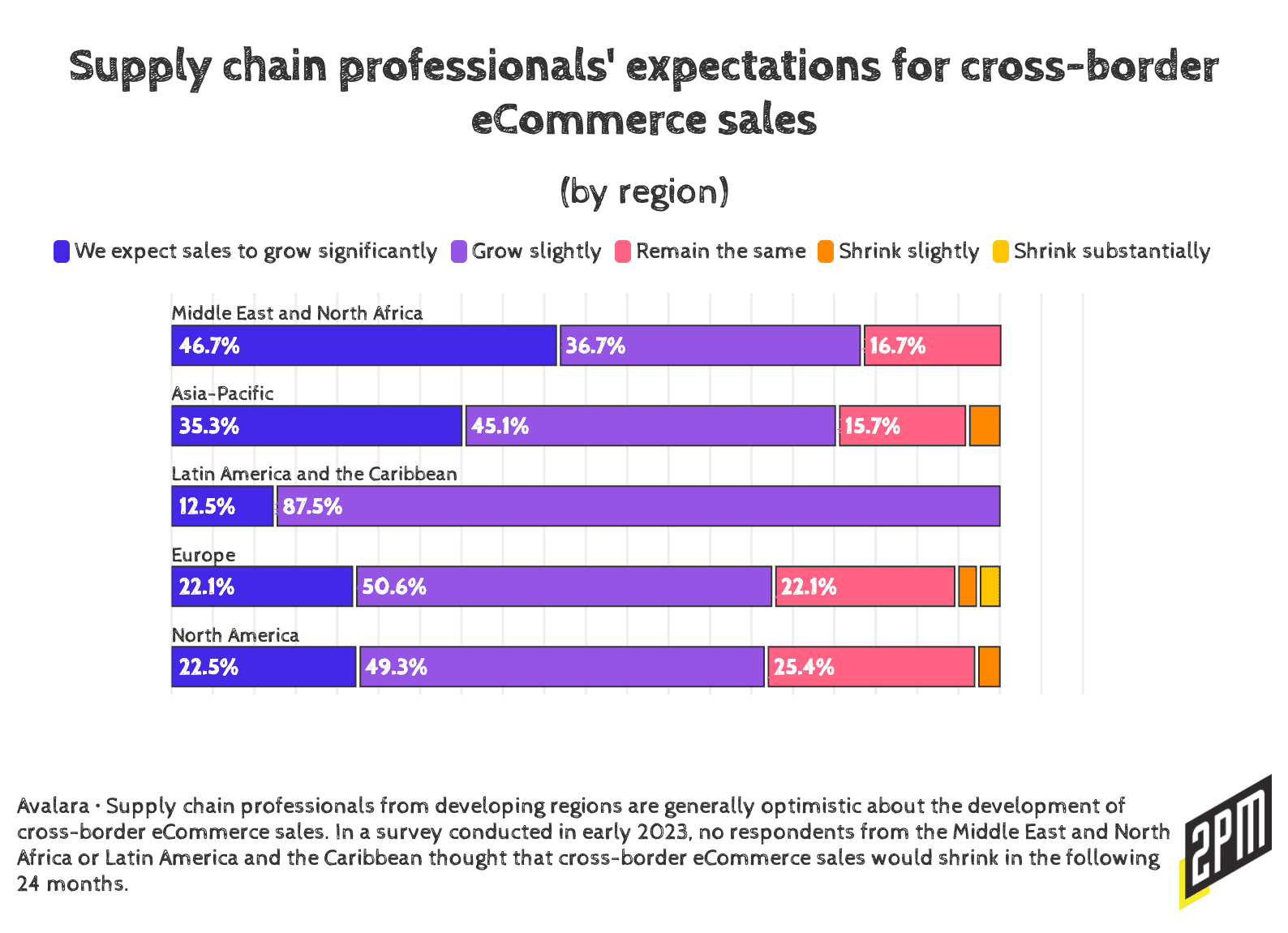
Consider the rise of well-known platforms like Temu and the increasing influence of Shein in Western markets. These companies didn’t simply expand their existing models; they adapted them, using social commerce strategies honed in China and tailored to fit Western consumer expectations. The agencies that can help North American eCommerce technologies navigate this kind of international expansion, leveraging insights from both sides, are the ones positioned to succeed.
These agencies are building what I call Gray Bridges — the operational and cultural pathways that connect the domestic market’s appetite for growth with the international market’s untapped potential. It’s not about choosing between black (domestic) and white (international) but finding a way to merge the two into a cohesive, gray strategy.
In Gray Commerce, platform choice isn’t a one-size-fits-all decision; it’s a tailored strategy. Shopify remains a go-to for its ease of use and robust app ecosystem, but for many agencies working in the gray space, it’s about selecting the platform that best aligns with the specific needs of a client’s market and growth trajectory.
BigCommerce is becoming a favorite for businesses that require flexibility and enterprise-level features without the Salesforce price tag. Webflow offers a unique solution for brands that prioritize creative design and storytelling, particularly in markets where visual differentiation is key. The agencies that succeed will be those that understand not just how to implement these platforms, but how to customize and extend them in ways that align with diverse market needs and international complexities.
This quieter segment of eCommerce is driving substantial growth, but it’s not the kind of growth that makes headlines. It’s incremental, built on the back of strong operations, efficient supply chains, and an understanding of diverse consumer needs. It’s a departure from the previous decade’s focus on blitzscaling and market share grabs. Gray Commerce prioritizes profitability, sustainability, and adaptability — qualities that are essential as the industry matures.
The agencies leading this movement are those who aren’t afraid to operate in the shadows, away from the hype cycle. They’re not launching flashy marketing campaigns or touting the next big tech trend. Instead, they’re investing in long-term relationships, building cross-border capabilities, and implementing the kind of granular operational improvements that truly move the needle.
As we look towards 2025, the future of eCommerce growth will be shaped by these quiet operators who thrive in the gray area between the familiar domestic market and the burgeoning international opportunity. The agencies that succeed will be those that embrace this complexity, bridging the gap between different markets and different ways of doing business. They’ll help build the next generation of profitable eCommerce brands not by focusing on what’s loud and obvious, but by mastering the subtle, the nuanced, and the gray.
This is where the real growth lies — not in the black-and-white headlines, but in the understated, consistent work that takes place behind the scenes. In Gray Commerce, it’s not about making the biggest splash; it’s about creating the strongest, most enduring body of work.
By Web Smith