第 347 期:对 Wayfair 的分析

2PM-Wayfair

With skyrocketing costs of doing business, mounting debt, and impending layoffs – Wayfair is at an impasse. The industry leader’s strategy pioneered dropshipping arbitrage with superior SEO, razor thin margins, and an direct-marketing attack that worked until volume grew and algorithms evolved with the times. Analysts have begun to question Wayfair’s long-term viability. This, as other sectors of online retail have also evolved with the times: fine-tuned checkout, brand-focused marketing, customer experience, and the logistical mastery of hard-to-deliver products.

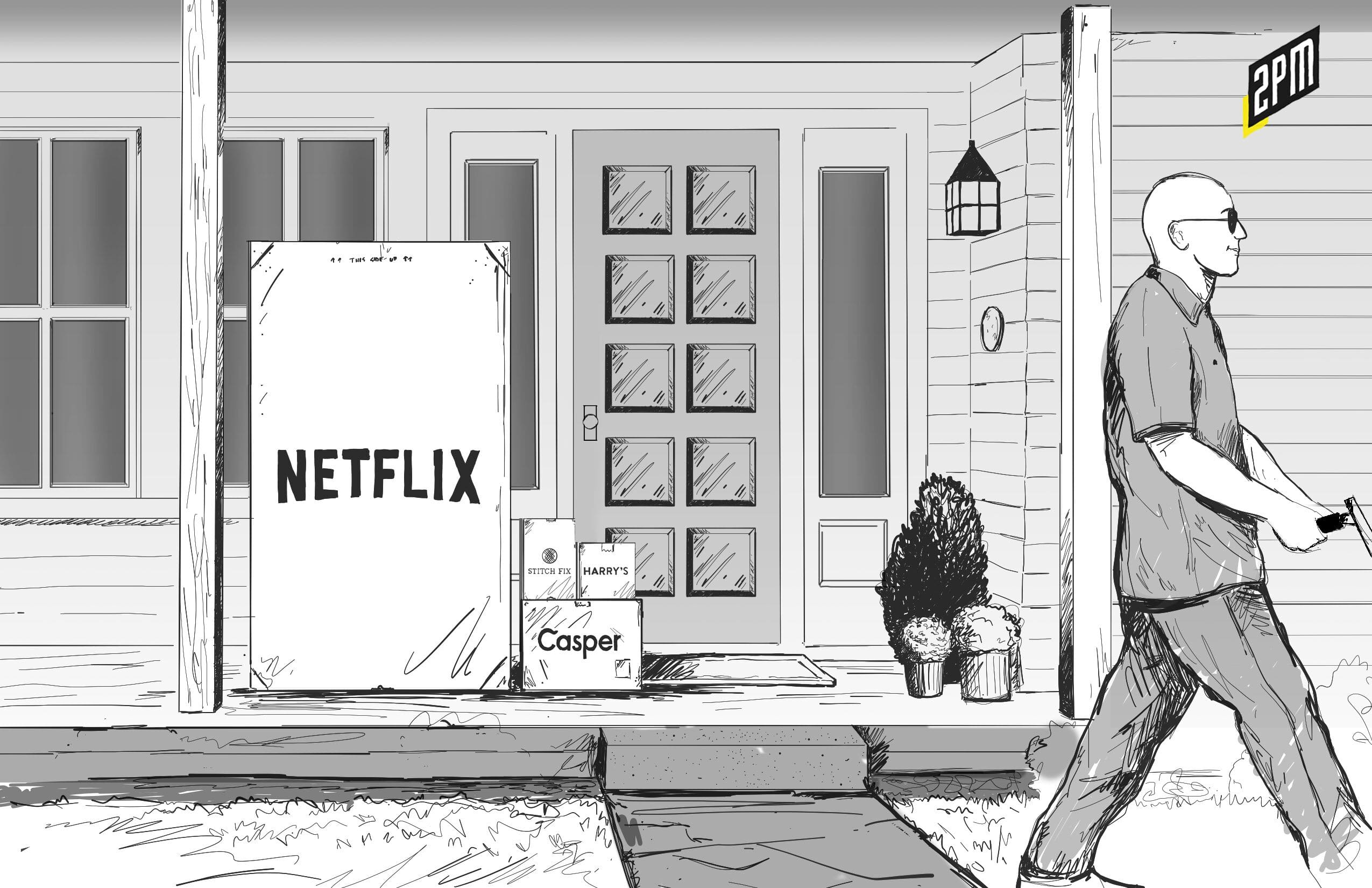
Over a span of six months, we accepted shipments on three separate products to our home. In each case, the anticipation was high and for the most part, expectations were met. Though, our expectation of Wayfair was low. Each time, the freight truck pulled to the front and honked awaiting evidence that we were home to accept. The delivery men stepped out to hastily deliver their freight. In each case, efficiency was the name of the game. Those three orders were as follows:

Rogue (roguefitness.com): the weight was close to 500 pounds. A modular product, the delivery arrived within five business days. It arrived in five separate boxes and placed in our garage. The assembly was my responsibility and I did so eagerly.

Peloton (onepeloton.com): the weight was close to 200 pounds. It was ordered and delivered within seven business days. The delivery men took the time to assemble the product in its rightful place.

Wayfair (wayfair.com): the combined weight was close to 300 pounds. The two pieces arrived separately and over three days. It was ordered nearly 40 days prior. There were no clear expectations around delivery windows but that seems to be commonplace for Wayfair. There was no assembly. However, the two delivery men feared liability concerns so they brought the two boxes into the home before unboxing.

Founded in 2002, the online retailer excelled, achieving an initial public offering in 2014 and raising over $300 million. The company deserves a tremendous credit for its longevity, a rarity in the web 1.0 era of online retailers. Not only was the market in its primitive stages, investors were incredibly skeptical. In the wake of the dot-com crash, furniture makers were weary as well.
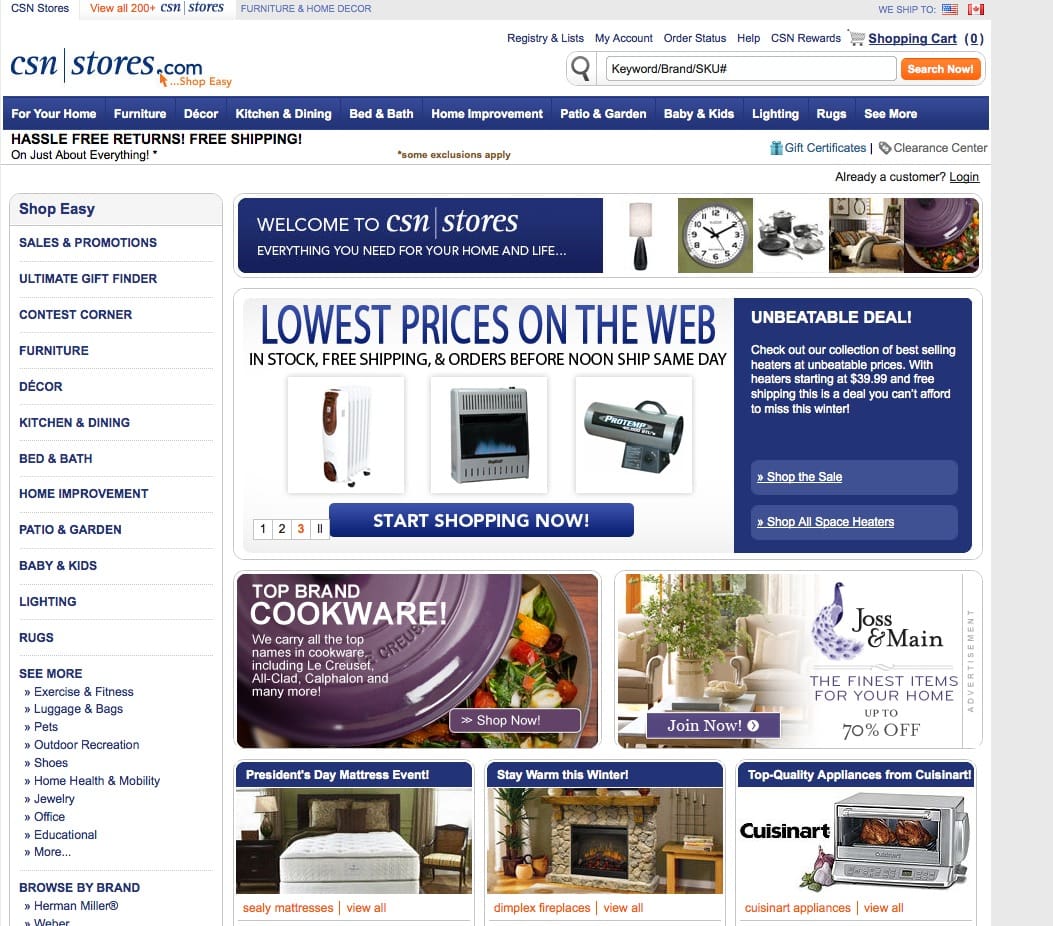
Screen shot 2011-02-23 at 5.00.44 PM
Pre-Wayfair rebrand (2011)

To account for this, cofounders Niraj Shah and Steve Conine launched CSN Stores, a combination of their initials that served as a masking agent for their internet-first intentions. The two founders avoid the dot com classification altogether. It worked. Perhaps, had the company launched as Wayfair.com in 2002, the early and pivotal support that Shah and Conine received could have been diminished. Shah and Conine anchored an exceptional story of a private startup gone public. To put the company’s growth into perspective, CSN Stores hit $100 million in annual revenue by 2006 and $380 million in revenue by 2011. These numbers are extraordinary compared to many of today’s eCommerce startups. Even so, CSN Stores launched before the pioneering of tools like Shopify or the emergence of third-party logistics platforms like Rakuten or Shipbob. With eCommerce democratization came more companies competing over the marketing advantages, ones that would prove to be more finite than any in the industry would believe at the time. Wayfair’s ascension was a reflection of a few technical marketing advantages that worked until they did not.

Wayfair and its diminishing advantages

The majority of Wayfair’s goods are acquired from a foreign factory or importer warehouse. Once the marketplace acquires it from an intermediary, it ships to the home of the buyer. The core of Wayfair’s business is to avoid holding merchandise, a method that lowers front-send costs but limits upside growth. To improve delivery: Wayfair launched CastleGate, a third-party logistics company of their own. The 3PLs objective was to shorten the time between imports arriving in American warehouses and products being delivered to consumers across the continental United States.

With CastleGate, we effectively act as a third-party logistics provider to our suppliers, taking no ownership of inventory and receiving fees from suppliers for inventory management and fulfillment services.

And on a recent call with analysts, co-founder Steven Conine explained the company’s investment into supply chain software to improve product and routing from importer houses to CastleGate’s 3PL warehouses. Wayfair is making an effort to verticalize their business and it remains to be seen whether or not the current restructuring could see this strategy through.

IMG_3648.jpg

When Shah and Conine took Wayfair public in 2014, they couldn’t have anticipated the uphill battle that would lie ahead. By 2016, the marketing arbitrage that had helped them scale into a multi-billion dollar brand would begin to diminish as online retail democratized. In addition, legacy furniture retailers would begin to struggle for a number of  their own reasons. In short, 2014 may have been Wayfair’s best year. Daniel McCarthy, Assistant Professor of Marketing at Emory University wrote (2017):

If Wayfair were able to reduce its CAC to Overstock’s level, we estimate that Wayfair’s expected valuation would more than double, all else being equal. Of course, all else is not equal – Overstock is pursuing a more conservative customer acquisition strategy, acquiring a smaller number of higher lifetime value customers. [1]

Instead, the opposite happened. Between 2014 and 2019, Wayfair’s marketing spend skyrocketed, coinciding with mounting losses. At IPO, Wayfair was spending $179.3 million for its $1.31b in revenue. By 2018, Wayfair was spending a much less effective $664 million for its $6.82 billion in TTM revenue.

Screen Shot 2020-02-17 at 2.37.30 PM
2PM Data: rising ad spend (in millions) | Source: AdAge, Kantar Media

However, as the company has grown, losses have widened. This is symptomatic of its rising marketing costs and thinning margins. Wayfair’s drop-shipping model once made it an efficient growth machine but only if marketing costs remained steady. In a recent edition of Retail Dive, Caroline Jansen reported on the recent layoffs of nearly 550 front office employees, 350 of these employees worked in the headquarters of the Boston retailer. In addition to the aforementioned negative trends, Wayfair’s current restructuring coincides with mounting debt, a figure that will exceed $1.4 billion.

However, since its public debut in 2014, the e-commerce player has failed to post a profit. In its past quarter, Wayfair’s net loss widened 80% to $272 million, while its long-term debt swelled to $1.4 billion, from $347 million the year prior. [2]

What makes these figures spectacular is Wayfair’s market position. Wayfair is the leading online retailer for furniture, a shift from 2018 when Amazon owned 31.1% of the online retail market for furniture. Today, Wayfair owns 33.4% of the market after growing sales 34.1% YoY vs. Amazon’s category growth of 8%. Only Wayfair and Macys.com grew their market share between 2018 and 2019.

In recent years, the company has hemorrhaged money into advertising and improving its inventory selection, investments that have failed to improve the company’s “already wafer-thin margins,” Neil Saunders, the managing director of GlobalData Retail, said previously. [3]

Despite its longevity, there is little that is appealing or intuitive about marketplace retailers as its industry matures. However, there are a number of brand retailers that are appealing to consumers in ways that align with the best practices of today. These include: Serena & Lily, Joybird, Article, and Burrow. The top ten vendors, however, remain more marketplace in functionality. They are are as follows: Wayfair, Macy’s, Walmart, West Elm, CostCo, Home Depot, Amazon, Pottery Barn, Target, Ikea, and Overstock. This begs the question. If Wayfair couldn’t profitably scale its DTC channels before, can it find a path to profitability today?

A logistic company should never be a brand. A brand should never be a logistics company.

Nate Poulin, DTC executive and consultant

A number of logistics companies have embraced brand management strategies and vice versa. This, in addition to the current industry standard: timely delivery, efficient sourcing, or even a digitally-native approach to sales and growth. A number of freight-reliant brands have mastered supply chain to this extent. To an earlier point, this includes brands like Peloton and Rogue. I recently posed the question: why is the furniture industry so much worse than every other product category? Here were a number of the top responses.

Josh Johnston, Senior Director of eCommerce Strategy

Josh Johnston on Twitter

@web Logistics. Pricing can be difficult if the business has a commission model at store level. Better deals in store. Lots of regional players (even as franchises for large national brands) which has delayed investments in eComm vs traditional retail.

Humayin Rashid, eCommerce Agency Founder

hum on Twitter

@web I can only speak from limited experience working with a global furniture manf trying to go DTC. 1- Last mile delivery is impossible-ish 2- Supply chain is a mess 3- C-Suite team w/ limited eComm expertise 4- Product categories w/ limited differentiation for end consumer

Steven Dennis, Retail Veteran and Strategic Advisor 

Steve Dennis on Twitter

@web The driving factors are supply chain related costs, which are exacerbated by high return rates and the tendency of lower value, more commodity like, items to be the ones bought online. Of course the also have the whole CAC issue (both marketing and price promo).

Frederico Negro, Founder of a Furniture Marketplace

Federico Negro on Twitter

@web The answer to this is nuanced. For Contract furniture I would say brands have outsourced their customer relationship to dealers for decades and are now stuck. For large d2c brands like west elm or ikea it’s because it’s secondary to retail

Jesse Farmer, Teacher and Computer Programmer

Jesse Farmer on Twitter

@web Costs are all around higher, from COGs to shipping. Stakes of merchandising and purchasing ⬆️⬆️⬆️, so fewer people willing to assess “fit” w/o physical interaction. Harder to build a brand; purchases are infrequent and fewer memetic growth channels. No “cool shoes!” effect.

Saleh Tayeed, eCommerce Analyst 

Saleh on Twitter

@web From carriers perspective, bigger items are difficult to process through hubs, revenue per trailer is lower, and can’t be loaded on conveyer belt, needs a lot of manpower to move items, so charged a lot to recoup costs. But it’s slowly changing as carriers build more capacity.

Cole Harmonson, DTC Founder

Cole Harmonson on Twitter

@web I’ve done interiors on two houses. I mean – spreadsheets and project management. I go deep. But I will rarely buy furniture online unless I can visit it in a store. To sit. To feel fabrics. Check quality. Quick furniture scares me.

Peter Pham, Veteran DTC Investor

Peter Pham on Twitter

@web Frequency, shipping and return cost & difficult to differentiate. Also a product people want to touch & feel although with AR a gap of how it looks & fits in a room could bypass.

Wayfair’s recent struggles are another example of the dangers of a marketplace strategy that is reliant on the pricing and availability of third-party products. Though the inconveniences of freight shipping may serve as a consumer-facing frustration, internally, Wayfair’s longevity will come down to economies of scale and margin maintenance.

What the analysis found: Wayfair’s lack of verticality will continue to widen losses, even as the company makes progress in lowering costs. Though Shah and Conine have scaled an extraordinary eCommerce business, it’s decidedly different than the thriving DTC marketplaces of today – an ecosystem that includes Amazon, Walmart, Target, Home Depot. It’s possible that Wayfair’s early-mover advantage has diminished.

The industry has grown skeptical of Wayfair’s brand agnostic, drop-shipping model – a method that once relied on marketing methods that are no longer available in excess. Today’s second-wave of eCommerce retailers are digitally-natives, ones focused on brand equity, customer experience, and availability. The furniture industry is not worse than every product category. However, Wayfair’s model is. Shah and Conine must adopt the practices of its contemporaries, modern competitors that have more in common with premium fitness brands than furniture resellers. Or, they’ll have to acquire the brands for their own sake.

韦伯-史密斯的研究与报告 |关于 2PM
第 346 期解读 Netflix 的繁荣

Screen Shot 2020-02-10 at 1.10.24 AM

To understand the explosion of the streaming media industry, look at in the context of digital-native brands. To understand the limitations of today’s digital-natives, look at it in the context of streaming media’s growth from fringe idea to Hollywood stalwart.

In 1999, Blockbuster Video was twelve years old with 9,000 stores. Just five years prior, Viacom acquired the company for $8.4 billion dollars. At the time, Netflix was the one-year-old challenger brand. Between the two, we saw the first of its kind. A dynamic between old vs. new and traditional vs. challenger that we would see play out over the next decades between traditional and direct brands.

Timing is everything when an incumbent challenges the titans. On an early January morning in Columbus, Ohio, the former-CFO of Enron Corporation stood before a group of nearly 60 of the city’s entrepreneurs. He narrated the infamous company’s successes, failures, and hidden truths. The Entrepreneur’s Organization commonly hosts keynote speakers but this session was different. We all knew his story. And Andy Fastow was frank in his narration of, he was deeply contrite and his messages illuminated the history in ways that a news broadcast wouldn’t allow – now or then. He walked the audience through the step by step of a company that was unstoppable until it was; he was even more candid in his personal shortcomings. But what you may not have known? Enron played a small role in determining the outcome of today’s streaming wars.

In 2000, Blockbuster Video declined to acquire Netflix for $50 million. Rather, it chose to compete. In doing so, the company agreed to a 20-year deal with that same Enron Corporation to deliver video on demand (VOD) though Enron’s fledgling broadband services division. With this agreement in tact, Blockbuster chose to delay the pivot from bricks and mortar to direct-to-consumer. This was a decision that the company would almost immediately regret.

The Blockbuster executives, who never liked the VOD concept themselves, used the lack of content as their excuse to abandon the partnership with EBS in 2001, saying that they wanted to stay focused on Blockbuster’s bricks-and-mortar stores rather than pursue an online business model. [1]

The difference between success or failure in a category comes down to three variables: (1) timing (2) technology (3) adoption rates. More, in a moment, on the third and final variable. Blockbuster’s timing couldn’t have been worse: Netflix’s DVD business model was catching on and Enron’s team would soon make a decision that would crater an entire company in epic fashion. It was a company that Blockbuster depended on, even if they weren’t in a hurry to do so. It was the typical case of an innovator’s dilemma.

When Enron crashed, Blockbuster’s hopes crashed with it. Their VOD technology was capable but their managers chose not to deploy it, eschewing long-term innovation for short-term profits.  Blockbuster was the first-mover in an industry that we didn’t even know we would need. But the company did not want to expand on that early advantage. By the time that Blockbuster’s c-suite identified the need to compete in the VOD (video-on-demand) industry, it was too late. The technologists of the company wanted to pursue a direct strategy, its managers wanted to maintain the company’s emphasis on physical retail.

The DTC Brand Parallel

The direct-to-consumer moniker has been called into question. You’ll find it used in digital media positioning and in retail branding, alike. But what does it mean to be a DTC brand anyway? One private equity investor called the previous month’s retail news “the trinity of doom” for a cohort of DTCs. You know many of them by name. A number of these brands are coveted portfolio companies held by the brightest consumer venture capital firms in Los Angeles, San Francisco, and New York.

SF3D8Zrw
The boxes tell the story: “Ar” for Netflix: .73 / “Ar” for DTC retailer: .12

Venture firms like Forerunner, Lightspeed, Lerer Hippeau, or agency / venture hybrids like Bullish or Science Inc. have investment theses built on the internet as a primary acquisition tool for these modern brands. But in response to the Bain Capital investor who cited the trinity of doom, the veteran venture capitalist replied: “Harry’s is not a DTC brand. Casper is not a DTC brand.” More on this in a moment.

The conversation between Bain Capital’s Magdalena Kala and Bullish’s Mike Duda caught my attention because it illustrated a growing disconnect in the private market. Private equity is the traditional means of scaling a retail brand that one-day could enter public market. Rightfully, Kala sees things her way. It contends with the current state of the industry. Venture capital is about twelve years into democratization of eCommerce retail, a process that has seen more failure than success. Even so, Mike Duda is as gifted as it gets when it comes to picking early winners. In 2007, dozens of digitally-native brands existed. Today, that number has swelled into the thousands. With the accelerating democratization of DTC, both consumer P/E and venture financing roles have grown in complexity.

The first quarter of 2020 was consequential for the DTC industry. Walmart announced that it would no longer acquire brands, incubating them instead. Casper repriced its initial public offering. The stock is trading at just a third of the value that the retailer maintained just a few months prior. And Edgewell Personal Care abandoned the acquisition of Harry’s after it was thwarted by the Federal Trade Commission.   

As was the case in the early competition between Blockbuster Video and Netflix, timing was a factor – Blockbuster was doomed regardless. Here is a super simple visualization of what I see.

(T * Tr) / (Ar)

T represents timing of the product’s development. If the timing is correct, place a “1” at variable T.  Tr represents the technological capabilities of the product. If the technology is good enough, place a “1” at variable Tr. The third and most important variable is adoption (Ar). I wonder if we could say the same about today’s market for DTC exits? Objectively, the percentage of success has been dismal at best.

Emerging industries rely on the adoption rates of key technologies and or behaviors. In Netflix’s case, the higher the adoption of streaming technologies, the easier it becomes to market their services. In this context, around 60% of Americans consume Netflix programming, according to Statista data. The adoption figure (Ar) would be .73 [5]. As adoption climbs, the figure is closer to “1.” The three key variables for emerging technology: timing, technology, and adoption rates for key technology.

Nearly every DTC narrative will be influenced by these three variables: technology (T), timing (Tr), and adoption rate (Ar). Blockbuster’s management would have devoted an enormous amount of energy and resources to influence T and Tr without the Ar to make good on its investment. Streaming, in 2001, was an innovation that the market wasn’t yet ready for. In fact, it would be another six years before Netflix pivoted away from DVD and towards video-on-demand (VOD).

The introduction of streaming was truly radical for that time. Netflix’s pivot to streaming wasn’t all that radical—as we’ll see, it was actually a logical extension of what the company had already been doing. The fact that Netflix was willing to essentially bet the entire company on streaming, however, definitely was radical. [2]

Consumer demand for streaming video was practically non-existent in 2001. Even in 2007, streaming technologies were sub-par. Consumer broadband connections lacked capacity to handle high-resolution video. Even worse, when Netflix went live with VOD, it could only work on computers that were running Windows with an Internet Explorer applet to download before the application would work. Twenty years later and the Ar reflects an ecosystem that is dependent on streaming as a primary source of entertainment.

Jeff Bezos, Netflix, and The 2020 Oscars

推特上的网络史密斯

Netflix outranks ALL studios in 2020 Oscar nominations.

In the first 30 minutes of the 2020 Academy Awards broadcast, Netflix’s programming, Amazon’s technology, and Amazon’s polarizing founder stole the show. Between Netflix’s record number of nominations or the comedic barbs pointed in Bezos’ direction, viewers were reminded that two technology companies maintain a stake in Hollywood’s future. Netflix earned 24 nominations while Amazon earned one. However, Netflix exists on Amazon Web Services, a fact that anoints Bezos the benefactor of Netflix’s seamless growth and the beneficiary of its Hollywood promise.

With the help of AWS and an unparalleled marketing flywheel, Netflix began and remained a pure DTC product and their marketing has become an efficient funnel that reflects this acquisition structure. Hilary Milnes writes:

After leading the Academy Award nominations, Netflix took home two prizes last night at the Oscars: One for Best Supporting Actress, which went to Laura Dern in Marriage Story, a Netflix movie; the other went to American Factory for best documentary. Other entrants, including The Irishman and The Two Popes, were snubbed. [3]

The Oscar telecast was uncomfortable for Netflix, in this sense. The Irishman earned ten nominations and won zero, leading many Hollywood insiders to suggest that Netflix should go the way of DTC brand retailers, eschewing the direct model for the proverbial omni-retail blend. As one Academy member explains, Netflix should leave their DTC model behind:

If Netflix walks into cinema chain offices with a barrel of cash and, say, a 30-40 day window, that might be a game changer. Financially it would behoove them to give away most or all of its box office receipts on one or two movies a year in exchange for a distribution release that doesn’t rely on music halls and sub-basement art houses for its theatrical run, which might in turn result in a date with the Oscar podium every February. [4]

This would be a grave error. While winning awards is always the preference, I’m not entirely sure that it should be Netflix’s KPI. Awareness and mentions are the key performance indicators; in this way, award nominations and traditional hype cycles may suffice. This allows Netflix to continue growing without spend attrition: advertising for an outcome that may not affect bottom line sales. A theater distribution model increases spend attrition, lowering the LTV of Netflix consumers by allowing viewership without membership tie-in.

There is only one way that viewers can consume Netflix content. Any organic mention of its programming operates as a super-charged sales funnel. The award show appearances have and will continue to grow Netflix users while solidifying the platform as a venue for original, Hollywood-caliber content.

This strategy also allows the media company to continue its unparalleled data collection practice, perhaps the one true advantage of a pure, DTC strategy. Similarly, Harry’s and Casper initially set out to build direct-to-consumer companies but eventually yielded to traditional distribution as customer acquisition costs rose and growth became less efficient. One could argue that the market wasn’t yet ready for direct brands. While the two sub-categories have similar delivery mechanisms, the Ar was drastically different: .73 vs .12.

Netflix, Amazon, and the cadre of streaming services have a future in critically-acclaimed film production; the market is accelerating in that direction. In 2023, Statista projects that Netflix will have 177 million viewers in America. In contrast, cable channels like ESPN have lost nearly 20% of subscriptions in the previous five years. This trend plays in streaming industry’s favor.

Meanwhile, analysts like Matthew Ball suggest that theaters have their own concerns to consider. Frankly, film-goers are showing up for fewer Oscar-quality performances. The box office is growing thanks to “theme park movies.” Ticket sales are falling, however.

The challenge is more fundamental: The role of the movie theater has changed. What used to be a forum for all types of art is now largely the domain of “theme park movies”—Avengers: Endgame or Star Wars: The Rise of Skywalker—and “museum pieces,” such as 1917 or Get Out. And audiences have ruthlessly high thresholds for both. [5]

In 2020, Netflix led all studios in Academy Award nominations and yet, the platform has yet to realize its “Hollywood Boom.” It merely hasn’t happened yet. As the economics continue to shift in Netflix and Amazon’s favor, there could be a future that requires Netflix economics for critically-acclaimed works. Ar is moving closer and closer to “1.”

And this is the difference between Netflix’s fortunes and that of today’s direct retail brands. Whereas as 60% of America streams Netflix content, only 12% of retail is transacted through eCommerce. Technological adoption rates are critical. Consider if the foot traffic of American malls, at mall retail’s peak. Now imagine that horse and carriage was America’s primary means of family travel, at that time. Or imagine the lacking network effects of Twitter, Facebook, or Snapchat in an America that chose to stick with the tech stack of the Motorola Razr. Or remember that General Magic was well-ahead of its time, inventing touch screen dynamics before processors allowed for their prowess.

Consider this excerpt from the FTC’s comments on the now-thwarted Harry’s acquisition:

Any new entrant would lack Harry’s early-mover advantage in the now-mature DTC space and on the now-crowded shelves of brick-and-mortar retailers.

As Mike Duda mentioned, DTC is a misnomer for most physical goods. Harry’s early-mover advantage wasn’t much of an advantage at all. Neither was Casper’s. Like many of their venture-backed peers, both companies set aside their DTC strategies for costly omni-channel growth. Imagine if the United States was at a point where, like China, eCommerce was closer to 40% (Ar = .4) of all retail volume. Harry’s wouldn’t have needed shelves of brick-and-mortar retailers at all. And it’s likely that the FTC would have permitted the acquisition to move forward. The competitive pricing effect of Harry’s moving into physical retail was the primary citation against the brand.

In this way, Netflix’s current success is somewhat of a glimpse into the future of brand retail. Reed Hastings’ instincts were special; he evolved his technical specifications for a market that was awaiting the Netflix that we know today. Timing is everything when challenging the titans. The direct-to-consumer strategy works. As history suggests, the adoption rate of consumer technology is a greater influence than we give it credit. Study those figures and you may understand the future of an industry.

The shift from physical-to-digital commerce is evident within the streaming media industry. Actresses are thanking Netflix in acceptance speeches and Jeff Bezos is laughing at divorce jokes in an A-list audience of awards shows. By comparison: thousands of direct brands are competing over what amounts to just 12% of all retail volume. In this way, DTC brand retail is closer to the Blockbuster Video phase than the Netflix era that succeeded it. The writing is on the wall in yellow and blue.

Report by Web Smith | Art: Andrew Haynes | About 2PM

第 345 期:武装叛军

t8M3qais

乔安-金-赫林(Joann King Herring)坐在客厅对面,一如既往地生动活泼、引人入胜。我站在她的世界里。作为休斯顿耶稣会预备学校 16 岁的大三学生,我是一个中下层的局外人,被推入了一个我当时还无法完全理解的世界。20 世纪 80 年代的地缘政治问题早已过去(当时我们都这么认为)。但是,这位 70 岁的社交名媛和慈善家仍然以影响外交政策自居,在位于休斯顿著名的河橡树区的一位共同朋友的家中,赫林仍然大展身手。在这个大城市的一个小角落里,她是一位影响全世界成果的巨人。

那是 1999 年,也许是我第一次听到 "武装叛军 "这个词。赫林是一位名叫查理-威尔逊得克萨斯州议员的朋友,在那次会面四年后,他们的故事《查理-威尔逊的战争》登上了《纽约时报》畅销书排行榜[1],并于 2007 年被拍成好莱坞大片。这是一个关于短期成功和长期失败的故事。这是一个关于 "做得太少 "和 "做得太多 "的故事。影片讲述了两个美国人游说美国政府资助抵抗当时苏联在阿富汗的占领军的故事。

现年 90 岁的琼恩和她的朋友查理在长达 10 年的 "旋风行动"[2] 中为叛军提供了武器在冲突即将结束时,一位受战争影响国家的官员后来对现任美国总统说:"你正在创造一个科学怪人。总有一种

但是,赫林和威尔逊的努力在短期内奏效了。他们武装了叛军,叛军赢了。至于他们的劳动成果是否对全球战争与和平产生了净正面或净负面的影响,那就留给国家安全专家们去研究吧。这则轶事的相关性很简单:从 1979 年到 1989 年的十年间,"武装叛军 "的行为保持了三个组成部分:(1) 工具,(2) 金钱,(3) 心理支持。

叛军用美国的工具、美国的资金,以及他们得到美国政府全力支持的承诺,击败了全副武装的俄罗斯军事机器。这向对方军队表明,资金、工具和叛乱将继续下去。无穷无尽的补给、武力心理战击败了不可战胜的军队。

Shopify 和武装叛军

哈雷-芬克尔斯坦在 Twitter 上:"武装叛军 @Shopify-style,三步指南:1.在全美建立履约中心网络 🕸️2.允许小企业利用这些中心 📦3.加入机器人 🤖 结果:平价产品以两天为周期运往 99% 的美国。💪 pic.twitter.com/a6KIptqsbm / Twitter"

武装叛军 @Shopify-style,三步指南:1.在全美建立履约中心网络 🕸️2.允许小企业利用这些中心 📦3.加入机器人 🤖 结果:平价产品以两天为周期运往 99% 的美国。💪 pic.twitter.com/a6KIptqsbm

Shopify 在企业号召力方面做得非常出色:我们武装叛军。在超越 Ebay 成为北美第二大电子商务生态系统之后,Shopify 始终认为亚马逊是下一个目标--它本身就是一支不可战胜的军队。Shopify 曾经仅因其在小型电子商务领域的作用而闻名,现在它提供财务处理、贷款、履约、硬件和开发人员生态系统等服务,只要商家有能力支付其服务费用,就可以随叫随到。

Shopify 的存在基本上是为了武装叛军。我们希望很多人都能出去与亚马逊竞争。

创始人兼首席执行官 Tobi Lütke

但是,如果在没有心理支持的情况下执行工具和资金这两个组成部分,会发生什么呢?Ruby on Rails 的创建者大卫-汉森(David Hansson)在谈到 Shopify 在日益稠密的电子商务环境中所扮演的角色时,创造了 "武装叛军"(arming the rebels)一词[3]。它暗示 Shopify 正在向上冲(的确如此)。但是,Shopify 也需要向下冲刺,以保持自己的地位。

Shopify 让投资者兴奋不已,因为它越来越被视为亚马逊电子商务霸主地位最有可能的挑战者。许多传统零售商和网络零售商都试图迎头痛击亚马逊的 "万能商店",而 Shopify 则成功地为个体商家提供了相同的技术和能力,但却拥有更多的控制权。[4]

Shopify 的商家几乎拥有一切可以利用的资源,但有一点除外。该公司在支持使用其平台的品牌方面进展缓慢。由于担心被视为偏袒一方,Shopify 至今仍犹豫不决,不愿意提供一个可以将品牌长期锁定在其生态系统中的优势。没错,这就是武装叛军所需的三个要素之一:心理支持。

没有的大型游戏广告

屏幕截图 2020-02-02 at 10.07.59 PM

我一直在等待 Shopify 的超级碗广告,但毫无结果。我想让这个品牌在最多的观众面前讨论它随着时间的推移而发生的演变:它的生态系统所培育的机构、它向金融技术的进军、Shopify 的发明所开创的DTC 时代,以及最终将充斥其 3PL 的机器人。

Shopify 通过向一些反叛者提供运营或扩张所需的资金,武装了这些反叛者。现在,它需要影响其平台上企业的需求曲线。Shopify 需要成为其品牌的传播者。

武装叛军 "这句话让人充满希望。这意味着,Shopify 正在向上发力(的确如此),但也需要向下发力来保持自己的地位。

当Squarespace的超级碗广告首播时,它对Shopify的市场地位构成了足够的威胁,以至于该公司的企业推特(Twitter)在一连串的推文中回应了他们的小竞争对手,这让人感觉有些出格。Shopify 目前的市值为 540 亿美元,而 Squarespace 则小得多,而且还是一家私营公司。

推特上的 Shopify:"嘿,@SquareSpace 我们也相信支持独立企业!事实上,在 #WinonaMN 有 40 多家企业使用了 @Shopify。因此,我们将在 #BigGame 期间尽可能多地推广它们。#WelcometoWinona #SupportingIndependents pic.twitter.com/CPq8Ld6Pgl / Twitter" #WelcometoWinona #支持独立企业

嘿,@SquareSpace 我们也相信支持独立企业!事实上,在 #WinonaMN 有超过 40 家企业使用了 @Shopify。因此,我们将在 #BigGame 期间尽可能多地推广这些企业。#WelcometoWinona #支持独立企业 pic.twitter.com/CPq8Ld6Pgl

鉴于 Shopify 已经赢得的市场地位,吕特克在心理支持上的立场显然必须改变,而且应该从超级碗 LIV 开始。Shopify 的促销能力可以减少叛乱竞争,同时缩小与它所挑战的现任公司之间的差距:亚马逊。Shopify 必须发展成为自己的市场。随着中小型市场零售商获客成本的上升,亚马逊已成为零售商提高渠道顶部知名度的合理合作伙伴。摘自2PM的《熟悉的策略》:

亚马逊正在收集消费者数据,以成为高效的垂直经销商。亚马逊产品将继续在产品页面上占据优先位置。这样一来,反对派营销人员的不满就有了依据。与亚马逊自有品牌竞争的外部品牌可能会继续受到惩罚。这家西雅图电子商务巨头似乎正在为他们的数据采集行为(这一过程催生了无数自有品牌)受到质疑的那一天做准备。

Lütke很可能反对这种想法:通过选择品牌或产品以市场的形式进行展示,Shopify就成了某种程度上的 "造王者"。所谓"造王者",是指对候选人的价值有巨大影响力的个人或组织。这个人或组织利用政策、金融和竞争力量来影响接班人。我认为,向商家提供贷款或预付款是另一种形式的 "造王"。现在,Shopify 已经开始销售金融产品,所以就没有什么可争论的了。

Shopify的护城河已被详细讨论过:社区和合作伙伴生态系统是人们想到的两个流行词组。但是,这家总部位于渥太华的 SaaS 公司在推广支持生态系统的企业方面却划清了界限;该公司很少将流量和媒体关注度推向在生态系统成长的企业。

旋风行动的三大资源之一是心理支持。在 Shopify 使用这个短语的背景下,第三个资源缺失了。如果 Shopify 能够通过在 Twitter 上宣传独立零售商来捍卫自己与 Squarespace 的竞争地位,那么他们的管理团队也应该能够自如地支持自己的市场。

2019 年 12 月,Shopify.com的访问量接近 4700 万,其中超过 40% 的流量来自美国。虽然官方数据尚未公布,但观看超级碗比赛的人数超过了 1.5 亿。在这些观众中,有可能是想创办自己公司的潜在消费者,有可能是想为 Shopify 建站的开发者,也有可能是想从 Shopify 购物的消费者。

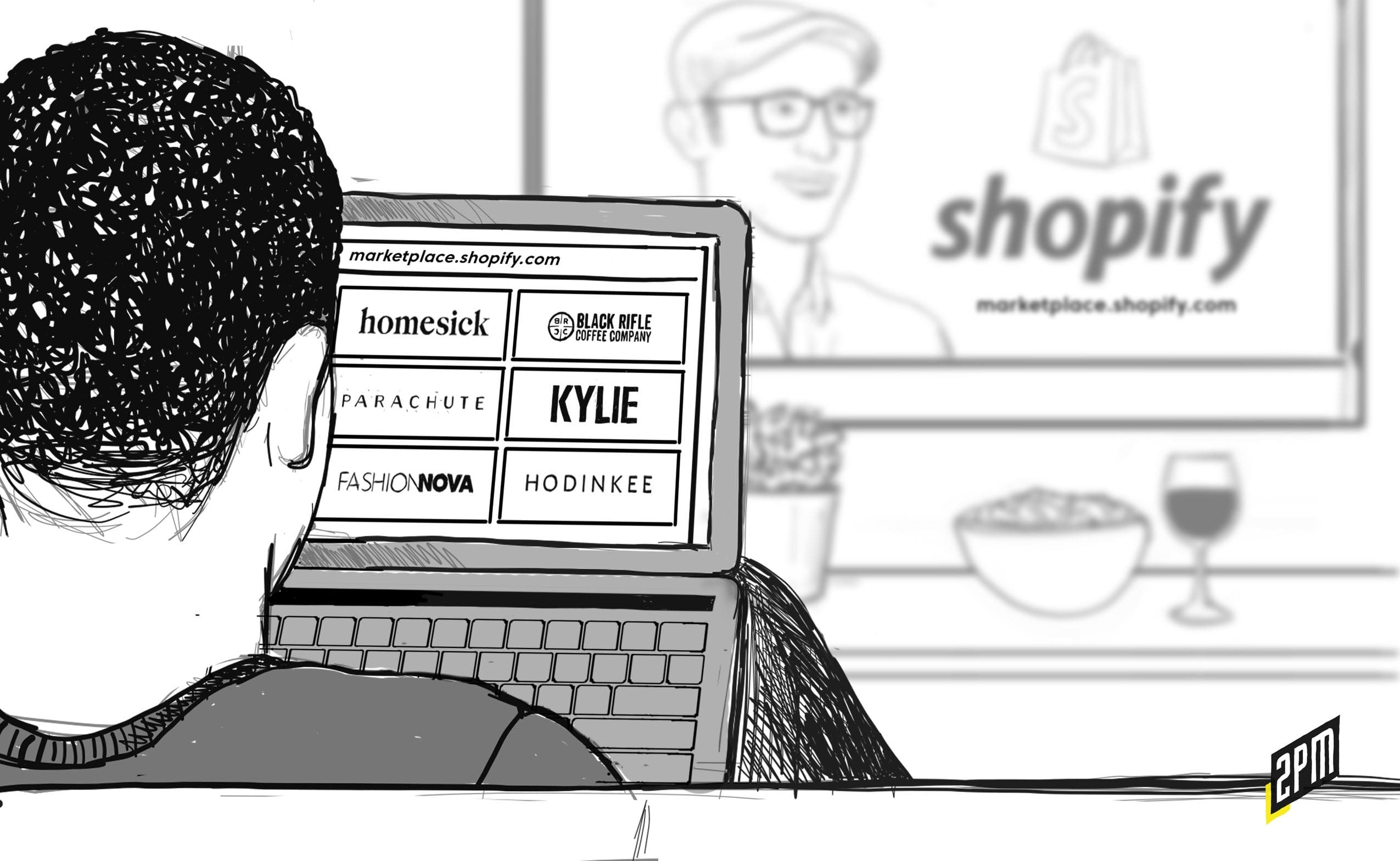
亚马逊(Amazon)、谷歌(Google)、微软(Microsoft)、沃尔玛(Walmart)、Hulu、Quibi、威瑞森(Verizon)和 Squarespace 都在比赛期间投放了广告。然而,直接面向消费者的品牌却明显缺席,它们被高昂的经营成本拒之门外。试想一下,一个耗资 570 万美元、时长 30 秒的广告能让数千万美国人访问marketplace.shopify.com。当这些潜在客户、开发者和消费者到达时:他们将看到 Shopify 最伟大的品牌--新的、旧的、成熟的和新鲜的--的集合。Shopify 赢得的不仅仅是新客户或潜在合作伙伴。Shopify 还将影响依赖于三大资源的众多品牌的知名度、增长和生存能力。

外电2013 年 6 月的一篇报道[5]中,爱德华-卢特瓦克(Edward Luttwak)列出了武装叛军的五条规则:(1)弄清谁是你的朋友;(2)准备好做所有的工作;(3)不要放弃任何你不想要的东西;(4)不要招致更大势力的等价反击;(5)为终局奠定基础。对于 Shopify 来说,终局就是强调需求方经济学。对于那些依赖 Shopify 不断增加的工具套件的公司来说,他们必须不断发展壮大,才能继续成为 B2B 用户。

1999 年在休斯顿的那个晚上结束时,我鼓起勇气问了赫林一两个问题。那天晚上,我穿着漂亮的蓝色西装外套,所以比平时更有自信。我们在一门课程上从一位校友那里了解到 "旋风行动",但当时这个故事还没有广为人知。因此,那天晚上,在麦迪逊大道的公关人员对她的回答进行打磨之前,我有幸与她进行了交谈。我向赫林女士提出了一个 16 岁学生都会提出的简单问题:"你从中学到了什么?"她的回答大意是:"我们应该给他们更多、更快的东西。时间拖得太长了。我们本可以在三四年内完成十年的工作"。

当你武装叛军时,要竭尽全力确保他们获胜。他们是在为供应商而战,也是在为自己的福祉而战。毕竟,他们的战争就是你们的战争。

点击这里阅读第 345 期

Web Smith 报道,Hilary Milnes 编辑 |约 2PM