第 271 号现代奢华的更新

《社交网络》中有一个著名的场景,贾斯汀-汀布莱克扮演的肖恩-帕克向杰西-艾森伯格扮演的当代扎克伯格讲述了维多利亚的秘密重生的故事。在剧本中,正是肖恩-帕克解释了莱斯-韦克斯纳的天才和他与时俱进的能力,在以实际价值的一小部分收购了这家年收入 600 万美元的企业后,仅仅四年后就将其变成了价值 5 亿美元的品牌。在很短的时间内,该品牌的门店从 4 家增加到近 100 家。这对当时的小众品牌来说是一次历史性的转折。

由于韦克斯纳强调品牌对女性消费者的吸引力,实体内衣业务的基本面发生了变化。他摒弃了向男性销售内衣的亏损模式,取而代之的是以女性顾客为中心的模式。但更重要的是,他认识到,这种模式一直以来都应该如此。维多利亚的秘密(及其母公司:L Brands)之所以能发展成为今天价值 100 亿美元的公司,正是因为他的这一明智之举。但是,维多利亚的秘密品牌已经到了再次转变的时候了。值得考虑的是,沃尔玛最近的招聘和收购,让L Brands这艘最有价值的巨轮扭转了方向。

屏幕截图 2018-05-29 下午 3.23.27

维多利亚的秘密现在由首席执行官 Jan Singer(曾任 Spanx 首席执行官和耐克全球副总裁)领导,她认为,内衣行业的标志性企业之所以陷入困境,是因为企业重组、结束了著名的目录,以及退出了泳装类别。这些都是导致维多利亚的秘密陷入困境的原因,此外还有来自电子商务先行零售商的日益增长的压力。时尚商业

日益激烈的竞争促进了模特和产品的多样化。在线零售商 ThirdLove 已进入第五个年头,它让购物者回答一系列有关乳房的私密问题--在这九幅插图中,哪一幅符合你的乳房形状?该公司已从投资者那里筹集了 1360 万美元,预计今年的销售额将翻一番。Adore Me、True&Co. Everlane和 Everlane 等公司也在采取类似的做法。

它们的主要挑战者 Adore Me(21)成立于 2010 年,其明确的目标是挑战维多利亚的秘密,为消费者提供一个以网络为先导、具有包容性的选择,以替代内衣巨头维多利亚的秘密。在最新的Inc.5000 榜单显示,Adore Me 在 2014 至 2016 年间增长了 1400%,收入超过 1 亿美元。现在,Adore Me 正寻求向线下扩张,对于这家L Brands子公司来说,时机再好不过了。GlobalData 零售公司董事总经理尼尔-桑德斯(Neil Saunders)说:

与维多利亚的秘密相比,小众品牌可能只占很小的份额,但它们的创新方法意味着它们正在蚕食维多利亚的秘密的市场份额。

除了内衣品牌向维多利亚的秘密的领地扩张外,还有来自运动休闲市场、不断发展的美容市场以及追求舒适、功能和个性的消费者对内衣的排斥等方面的压力。与其继续与Adore Me(21)、THINX, Inc.(31)、Third Love(51) 或Savage x Fenty 等品牌竞争,维多利亚的秘密可以效仿沃尔玛,重新投资品牌、信息传递和端到端流程。

对维多利亚的秘密珍贵的零售地产进行战略性收购,可能正是这个拥有四十年历史的零售地产所需要的。该品牌拥有零售创新的历史。除了 Wexner 早期决定重塑购物体验外,维多利亚的秘密还是最早投资早期电子商务的品牌之一(1999 年)。在最近的一次零售业圆桌会议上,有人建议L Brands实施类似于 Lore 的收购,以监督品牌的电子商务和全渠道体验。

此外,会议还讨论了一个有趣的支点。维多利亚的秘密可以容纳美容、女性运动休闲和内衣品牌和内容。其明确的目标是将维多利亚的秘密重建为首屈一指的女性专卖店--一个品牌之家,其 VS 同名品牌被定位为店内最优质的产品。

DD dan 1 relja 205
Lean Luxe 创始人保罗-蒙福德

在与Lean Luxe 的保罗-芒福德(Paul Munford)的电话会议上,他补充说:"不是每个品牌都值得永远存在。他还补充说,L Brands近期的业绩记录并不理想,因此不太可能进行这样的转折。具体而言,他列举了 2006 年斥资 7.1 亿美元收购 La Senza 的案例,该收购并未达到预期效果。芒福德认为,自从马克-洛尔(Marc Lore)担任沃尔玛电子商务首席执行官以来,没有迹象表明该零售集团能像沃尔玛那样快速、准确地运作。芒福德补充说:"洛尔加入沃尔玛后,沃尔玛并没有收购品牌和放弃品牌的负面记录。沃尔玛只是从零开始。因此,相对而言,维多利亚的秘密的任务似乎更艰巨。

虽然蒙福德和我对这家大名鼎鼎的L Brands子公司应该采取什么方式意见不一,但我们一致认为 VS 这个品牌早就应该进行现代奢侈品的更新换代了。在讨论谁会成为简-辛格的二把手时,最先出现的名字之一就是Glossier 的创始人艾米丽-魏斯。

By Web Smith |About 2PM
第265期DNVB 能否实现现代奢华?

Om Malik and Lean Luxe‘s Paul Munford had a thought-provoking exchange. Does the modern luxury go-to Lean Luxe (and the industry as a whole) have a grasp on what luxury means in online retail? On its face, a physical product that makes itself available to the masses cannot be a luxury product.

Lean Luxe on Twitter

@om Sure, by the old definition of luxury – you’re correct. But don’t judge modern luxury brands’ bonafides using the old set of luxury rulebooks. More here: https://t.co/ZLjoBdxYUz and here: https://t.co/uHYOPzsI9n

There are very few products, if any, that digitally vertical native brands (DNVB) sell that would qualify as traditional luxury goods. Here is Munford’s definition:

The key strength of a modern luxury brand is its emphasis on the entire package, rather just the product (or logo) itself. It’s a different mode of operation that takes some getting used to, but it disperses with the conventions of the old, blingy version of luxury, and is best optimized for today’s new consumer behaviors and expectations.

The fact of the matter is that competing on product quality alone leaves a brand open to exposure. MLCs have smartly understood that a better overall package or bundle — in an open market like today’s — can be far more compelling to shoppers than just product alone can.

Lean Luxe

Munford makes an important point that I’d like to take a bit further. Lean Luxe tends to maintain a narrow focus on hard goods and the packaging that they arrive in. But what about the purchase process and the attentiveness to customer happiness? And what about time?

The definition of luxury: an inessential, desirable item that is expensive or difficult to obtain.

Luxury, however you define it, is a brand’s embodiment of characteristics that make it desirable. Historically, those characteristics have been more ‘What’ features like quality, exclusivity, and cost. You can still define luxury as characteristics that make a brand desirable, but those characteristics have shifted. Quality is table stakes.

The characteristics that make brands more desirable are ‘how’ features like excellent customer experience (how do I experience the brand), meaningful brand mission (how do they give back/make a difference), and community engagement. Is it artist-created and excessively expensive? Maybe not. But if it is a product, or even an entire experience that is highly desirable, it can be considered a luxurious brand. DNVBs just so happen to possess a great infrastructure to support the characteristics that define modern luxury.

Luxury is always relative; it is loosely defined to meet the times and the market. If you walk through a great mall in the United States, you will visit brand experiences that will provide a luxurious taste. Take Ohio’s Easton Town Center as an example. The indoor / outdoor mall features Burberry, Tiffany and Co.,  and Louis Vuitton. However, your perception of luxury changes when you walk through the Bal Harbour Shops in North Miami Beach.  Bal Harbour is considered the finest mall in America. Both malls are considered “luxury” malls but neither are as luxurious as Dubai’s mall.

But can a DNVB be a luxury brand?

The notion of luxury is often applied to tech fashion brands. I partially agree with Om Malik’s statement here.

[Lean Luxe] is again confusing smoke / mirrors marketing and what is really luxury. All I know is that AllBirds and Brandless and Casper are not luxury, And no amount of your linguistic gymnastics will convince me of what is luxury, FWIW, LV is not luxury either. Too common.

AllBirds, Brandless, and Casper do not make luxury products but Munford isn’t suggesting that their products-alone are what classifies them within the modern luxury space.

Louis Vuitton was first hired as a personal box maker and packaging expert for the Empress of France. He was charged with “packing the most beautiful clothes in an exquisite way.” It was the practice that helped him to gain influence among the elite and royals, catapulting Louis Vuitton’s namesake to luxury status.

Louis Vuitton began with an early product and the two advantages commonly seen in the DNVB space:

  • Packaging
  • Maniacal focus on customers

The definition of a DNVB: a brand born online with a “maniacal” focus on the customer experience. A DNVB may start online but it often extends to a brick-and-mortar manifestation. Digitally native vertical brands control their own distribution.

Luxury brands don’t always begin as purveyors of luxury products. And due to a macroeconomic consumer shift from materialism to investing in luxury experiences, there are a large number of consumers who prefer DNVB’s luxury-experience over traditional luxury products. For many in the business and wealth classes, it’s a symbol that their money is better spent on even finer things than goods. The definition of luxury is changing.

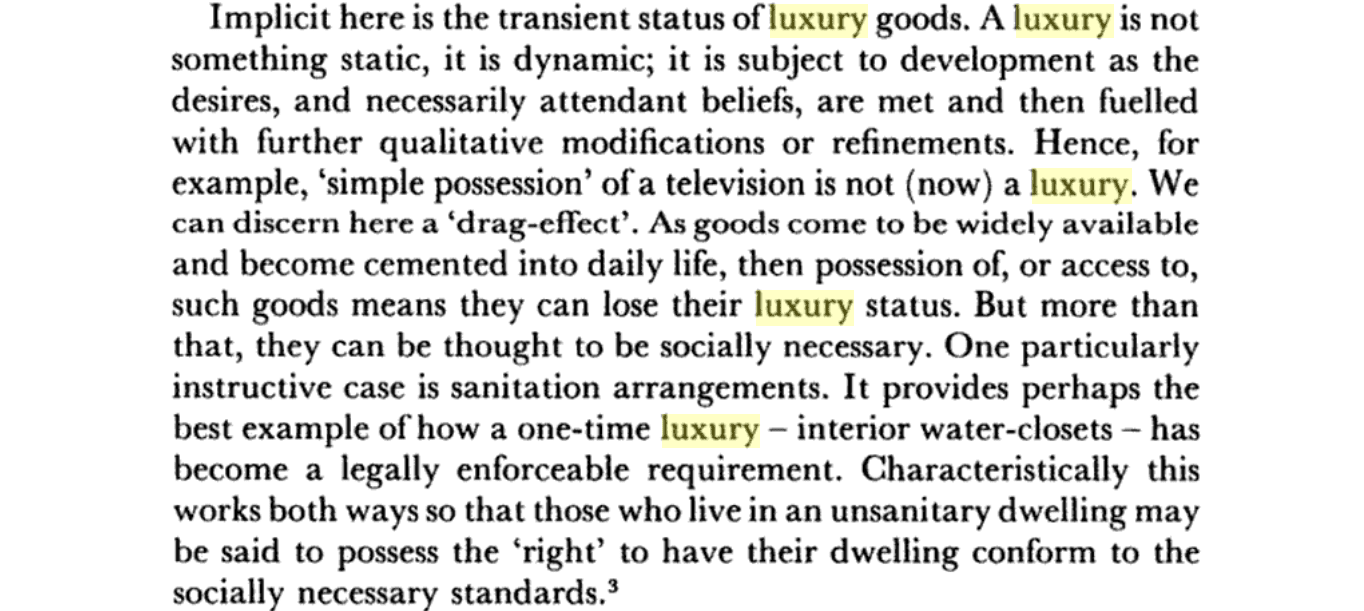
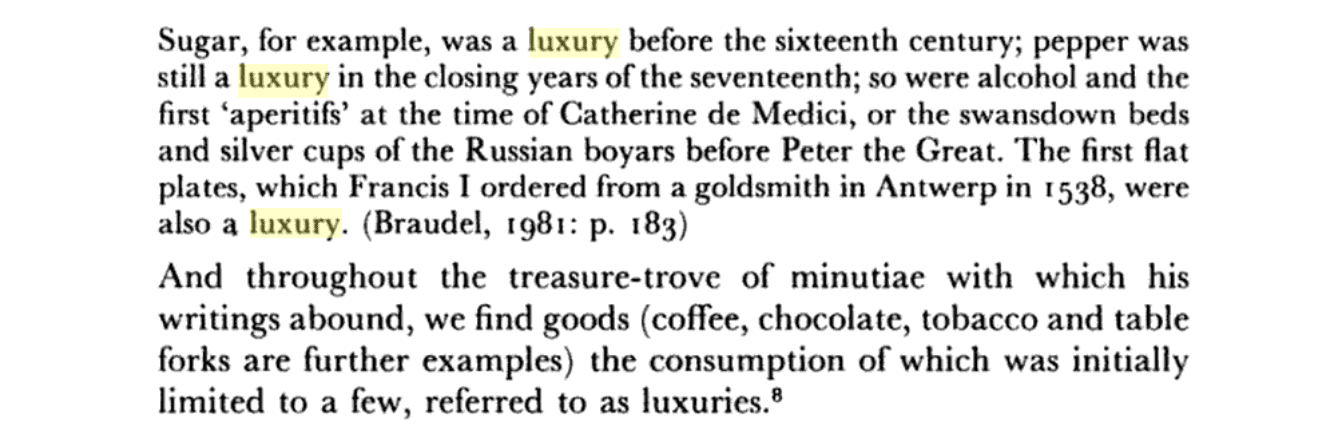
Here are two relevant passages from 1994’s The Idea of Luxury:

Page 18

Page-18.png

Page 35

Page 34

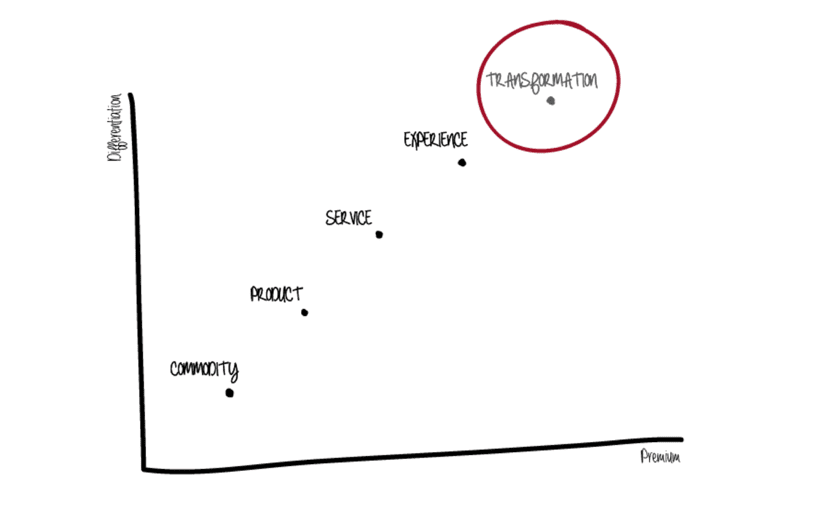
购买体验胜过购买消费品是奢侈品群体的一种趋势。对于那些有能力和意识在DNVB品牌购物的顾客来说,奢侈品一词的含义完全不同。斯基弗特(Skift)的最新研究表明,高端游客对更具变革性的旅游体验的需求发生了明显转变(Skift / 2017年5月2日)。过去,昂贵的产品是消费者的愿望:而现在,产品、社区和服务扮演着促成体验经济的角色。

Pine-Transformative-Travel-1

Many DNVB products (see the database here) are marketed to enable this type of consumer: Mizzen+Main (No. 86) is for the traveling business class male. Ministry (No. 91) is for the well-educated, urban millennial. AllBirds (No. 56) is worn by the business casual, aspiring member of the investor-class. Rogue (No. 8) turned a garage into a coveted space in a home.

Digitally vertical native brands are founded with these basic questions:

(1) How do we make a great product?

(2) How do we build a community around it?

(3) How do we provide an elegant solution for commerce?

(4) How do we enable customers to save time and focus on what matters?

“One fundamental trap that people run into when assessing the merits of a modern luxury brand is the tendency to judge that brand using the ‘best-in-class’ framework,” says Lean Luxe’s Paul Munford. Lean Luxe’s definition is mostly right. Munford discusses packaging as part of the bundle: “[These brands] offer a better bundle to offset [traditional definitions of luxury] — more convenience, transparency, connection, better messaging, pricing, etc.”

But a selection of modern luxury brands are also marketing time as part of the proverbial “bundle” and that’s the only place where Munford and my thoughts differ.

It’s no longer sufficient to define luxury products by how difficult they are to attain. Time is the scarcest resource and the ultimate luxury. Being a modern luxury brand is about being self-aware. These brands sell time as a scarcity and then build products around it.

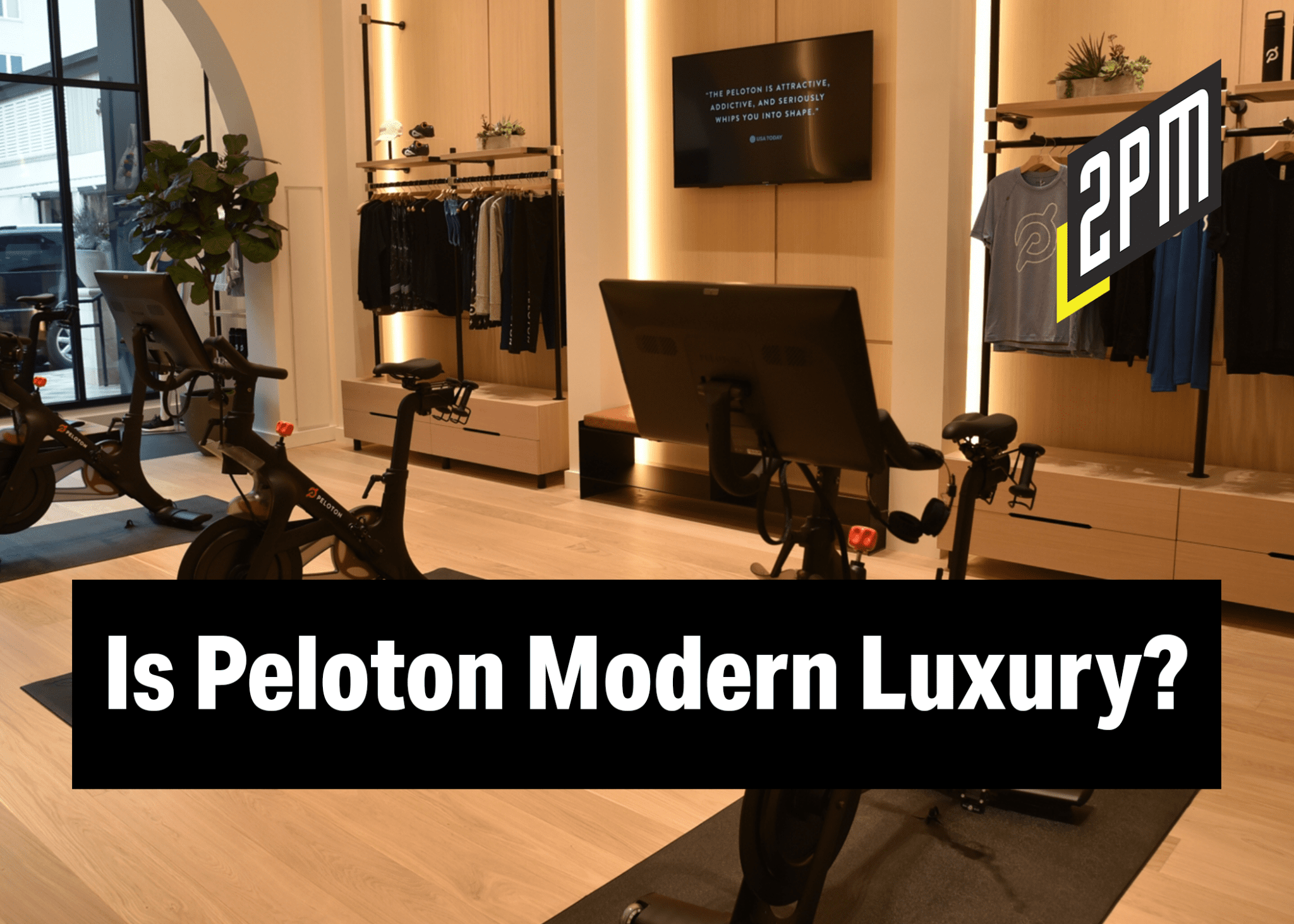
There may be no greater example of the community / product / service paradigm than Peloton, a DNVB that Malik’s True Ventures joined back in 2015.

Peloton is now shifting gears with a new financing program ($97 per month for 39 months for both the bike and subscription service), an ad campaign that’s more relatable to a diverse consumer base and an NBC Olympics sponsorship. Peloton counts NBCUniversal among its investors, and has raised nearly $450 million in total funding to date.

“We had this idea of a very affluent rider who many of our early adopters were,” she said. “We realized, through conversations with our community, that there was a huge opportunity with people who thought $2,000 was a huge investment but were [buying] it over and over again because the product is so important to them.”

How Peloton is Marketing Beyond the Rich

Peloton is not a traditional luxury product, but it shares consumers with traditional luxury brands. Think about the type of living arrangement necessary to house a wi-fi enabled bicycle or a $4,000 VR treadmill. It’s a brilliant piece of hardware that blends community with product and service. The brand’s proposition explicitly states that the purpose is to free the owner to focus more on experiences.

Peloton’s value proposition is as much about what you can accomplish away from the treadmill. Why take the time to travel to a gym? That time could be better spent elsewhere. This is the mark of a modern luxury brand.

点击此处阅读更多相关内容。

By Web Smith and Meghan Terwilliger | About 2PM