No. 315: The Digitally Natives

Native

Aggregation defined an era. The aggregation throughout media, retail, and service platforms determined the economic viability of many in the vendor-class throughout the modern digital economy. Uber began as a luxury black car service. Spotify streamed music. Youtube published silly videos. Amazon began by selling books. And Netflix rented films by DVD. Imagine a world without these companies as aggregators. Companies grew market share by adding products and services, rendering their analog competitors incapable.  Like the inevitability of westward expansion, the aggregation theory continues to move certain platforms towards critical mass.

The theory is akin to the digital version of Manifest Destiny. For a time – platforms maintained an advantage, much like physical retailers possessed an early advantage over e-tailers. In the traditional retail model, individual product brands were less important than the shelves that they were marketed on. Consumers came for product selection, ease, and the universal checkout process. The one stop shop was the draw; product loyalty was a secondary feature.  In this way – content publishers, product brands, and services were merely value-additives for existing platforms. Few learned this hard lesson like popular musicians at the beginning of the streaming era. Podcasts seemed to have learned from those difficult lessons.

Gaining leverage is the mission.

The market-making opportunities that began with early digitally vertical native brands (DNVBs) began to influence adjacent industries as that sales model had its success. For decades, it was nearly impossible to achieve critical mass in retail without partnering with a brick and mortar retailer or a department store. To defend against what seemed (for a time) to be physical retail’s Manifest Destiny, digitally natives circumvented the infrastructure and went direct to consumer (DTC). This meant that they had access to increased margins, efficient customer acquisition, access to data, and stronger relationships with the consumer.

With little access to mainstream consumer channels, physical brands launched native channels with the help of platforms like Shopify and BigCommerce. It’s unclear whether or not the intent of the DTC industry was their indefinite independence from big box retail. I’d argue that it wasn’t the goal. But, regardless, the result of the last ten years has been palpable: product brands have never possessed more leverage than they do right now. Even if that leverage is temporary.

As newer platforms go to market, vertical brands are beginning to notice a shift in leverage from platform to the vertical. This is an untimely shift in momentum for platform companies, businesses that once had the leverage to act indiscriminately.

DNVB-speak in digital media

In early April, comedian Russell Brand was interviewed by the host of the Joe Rogan Experience (JRE), a wildly popular podcast that covers everything from combat sports and geopolitics to archaeology and sociology. It’s important to note that JRE is consistently ranked in the top five of the most downloaded podcasts. Toward the end of the discussion between the two men, Rogan prompted Brand to promote his business interests. And though it was a subtle promotion, this is where things became interesting.

Luminary is the premium audio publisher and content aggregator that has set out to become the Netflix of podcasting. Founded in 2018 by Lauren Sacks, the company raised $100 million from New Enterprise Associates. The funding equipped Sacks and team to recruit several sizable podcast networks and high visibility media personalities to include: The Ringer, Guy Raz, Trevor Noah, and Wondery Media. Wondery is the last remaining podcast network known for its original programming and Ringer, a successful podcast network in its own right, is still in search of Barstool Sports-level network effects. In hindsight, Spotify’s acquisition of Gimlet and Parcast were as defensive as they were offensive developments.

In the episode – Russell Brand promoted his latest venture, a podcast with Luminary. The elevator pitch had somewhat of a dual purpose: (1) use one of the most influential platforms in audio to promote a business interests and (2) recruit Rogan into the fold of the Luminary-faithful. The second part did not work, the jury is still out on the first proposition. But the effects of that conversation were immediate. Within 72 hours, JRE was pulled from Luminary’s catalogue. From Hotpod News

The [JRE] team explicitly cites licensing issues as the reason behind the intent to withdraw. “There was not a license agreement or permission for Luminary to have The Joe Rogan Experience on their platform,” a representative from the team told me last night. “His reps were surprised to see the show there today and requested it be removed.”

The Joe Rogan Experience wasn’t the only big name in podcasting that removed content from the platform. Spotify denied Luminary access to their shows and the New York Times pulled The Daily. PodcastOne, Barstool Sports, Endeavor Audio, and many others followed suit. From No. 304: In-app audiences:

The pending acquisition of Gimlet Media is about more than building a direct-to-consumer podcasting powerhouse, it’s about monetizing DTC audio in new ways. Spotify doesn’t own the music that millions of us listen to, they license the rights from three music labels: Universal Music Group, Sony Music Entertainment Group and Warner Music Group. With Gimlet’s pending acquisition, Spotify is positioning themselves squarely as the Netflix of audio. And Gimlet’s portfolio of audio properties could be another tool that Spotify uses to convert casual subscribers to premium, paid users.

And here’s Luminary CoFounder and CEO Matt Sacks:

We want to become synonymous with podcasting in the same way Netflix has become synonymous with streaming. I know how ambitious that sounds. We think it can be done, and some of the top creators in the space agree.

Spotify and Netflix were exclusively aggregators before they began to pursue their modern subscription growth strategy. By acquiring popular properties (like Gimlet and Parcast Network) or by investing in the development of  the native properties that Netflix is now known for, both companies moved further away from aggregation and closer to becoming digital natives. For Netflix, this was timely. Media companies like Disney have begun to pull their properties to develop their own digitally native businesses. Another sign of aggregation theory’s diminished role for newer companies.

Perhaps, the age of aggregation is nearing its maturity. According 2017’s Defining Aggregators by Ben Thompson:

Aggregation Theory describes how platforms (i.e. aggregators) come to dominate the industries in which they compete in a systematic and predictable way. Aggregation Theory should serve as a guidebook for aspiring platform companies, a warning for industries predicated on controlling distribution, and a primer for regulators addressing the inevitable antitrust concerns that are the endgame of Aggregation Theory.

Two years later, we’re witnessing a war over proverbial land rights. As platforms have begun to lose leverage over specific verticals, they’ve heavily invested into the development of their own properties (private labels / native brands / native media projects). In some cases, like Spotify’s acquisitions – they chose to acquire the properties to move consumers along the content-to-subscription funnel. For Luminary Media and their Head of Partnerships / Business Development Meaghan Quindlen, the stakes are much higher than they would have been 3-5 years ago.

She has an unenviable job; she must convince alienated podcasts to work with them by communicating her vision, by employing a new licensing compensation structure, or a combination of both. Even Spotify and Apple Music had their own similar episodes. But with $100 million in funding and grandiose aspirations – Luminary will have to out-Spotify Spotify on its way to becoming the Netflix of podcasts – a title that the first audio platform to achieve 100 million paid subscribers wants all to itself.

Who is to say whether digital media properties returns to the types of  platforms that were once required for growth; there is now a dueling loyalty between independence and potential reach. This contradiction didn’t exist a few years prior.

Digitally native retailers are open to working with big box retailers (the original aggregators) as long as they can maintain a unique in-store appearance with access to some form of consumer data.  In this way, DTC retail is a decent enough analog for what’s happening in podcasting today. Product and media brands now hold the levers – they’re the draw. Consumers walk through the door, proverbial or otherwise, for their beloved brands. Aggregators must learn to operate in a world where the leverage exists with digitally natives. At the very least, aggregators need to learn to develop real symbiosis.

Luminary may need to raise more money.

Report by Web Smith | Join the Executive Membership

Nº 304: Audiências no aplicativo

inaproveitamentos.jpg

Se você criou um ótimo produto, precisará de um público. E se você criou um público cativo, precisará de um ótimo produto. O Spotify tem um dos públicos mais cativos do setor de entretenimento. A medida mais recente coloca o grupo de assinantes pagos do Spotify entre 90 e 95 milhões. Esse é um número extraordinário de consumidores com um método de pagamento registrado. Porém, o mais importante é que é uma oportunidade para a empresa de streaming de música continuar evoluindo com a economia do comércio digital. Líder não convencional nesse aspecto, a Epic Games e o metaverso poderiam ensinar ao Spotify o máximo sobre o que é possível com parcerias de licenciamento e microtransações.


Resumo do membro nº 1: Comércio linear

A economia digital recompensa as empresas que trabalham na linha que separa a mídia digital tradicional e o comércio eletrônico tradicional. Um ótimo produto precisa de um público orgânico e apaixonado. Os públicos cativos precisam de produtos e serviços para oferecer à comunidade. O comércio linear é o entendimento de que a mídia digital e o varejo on-line tradicional acabarão se encontrando no centro - ao longo da linha - o caminho mais eficiente para o crescimento.


Comércio Linear

A capacidade do Spotify de superar o recente e notável crescimento da Apple dependerá do fato de o serviço alinhar sua marca com parcerias exclusivas. A defensibilidade da plataforma estará intimamente ligada à sua capacidade de "vender" seu produto. Embora isso não seja uma surpresa, o futuro do Spotify pode ser influenciado pela forma como ele vende conteúdo e produtos físicos.

No. 287: O potencial de marca do Spotify

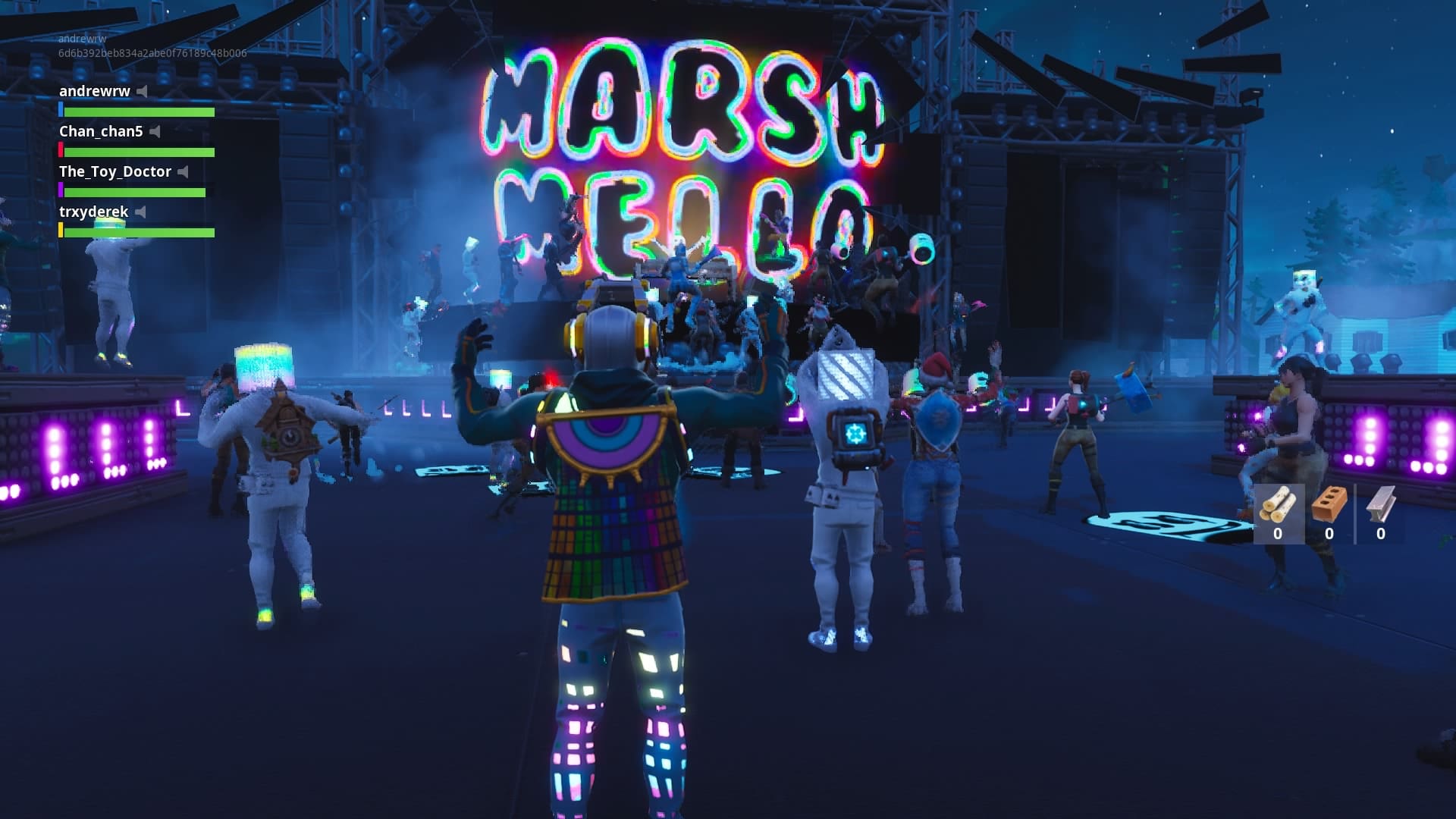
Público e depois comércio; ou comércio para construir o público. O Spotify identificou uma oportunidade que - a curto prazo - beneficiará tanto seus consumidores não pagos quanto os premium. E, a longo prazo, beneficiará o Spotify se a Gimlet Media continuar a criar conteúdo que outras plataformas queiram licenciar para projetos de grande escala. Mas talvez o exemplo mais significativo de comércio linear, da semana passada, tenha sido o show de Marshmello no Fortnite(veja aqui).

Na foto: uma captura de tela do show no jogo

Fortnite, "The Oasis". Neste sábado, o Fortnite se uniu ao artista de EDM Marshmello para estrear um novo conceito de atração e monetização de públicos digitais. Estima-se que 10 milhões de usuários estavam "presentes" (ativos no jogo) para um show digital ao vivo, dentro do jogo, que testou os limites da nossa definição de realidade. Outros milhões assistiram às transmissões on-line. Durante dias, o conjunto de DJs foi anunciado em todo o jogo por meio de sinalização e pôsteres no jogo. O Fortnite permitiu que os jogadores entrassem na área do palco em "Pleasant Park", uma área bem conhecida no campo de jogo. O jogo removeu automaticamente todas as suas armas para que nenhum dos participantes pudesse ser removido.

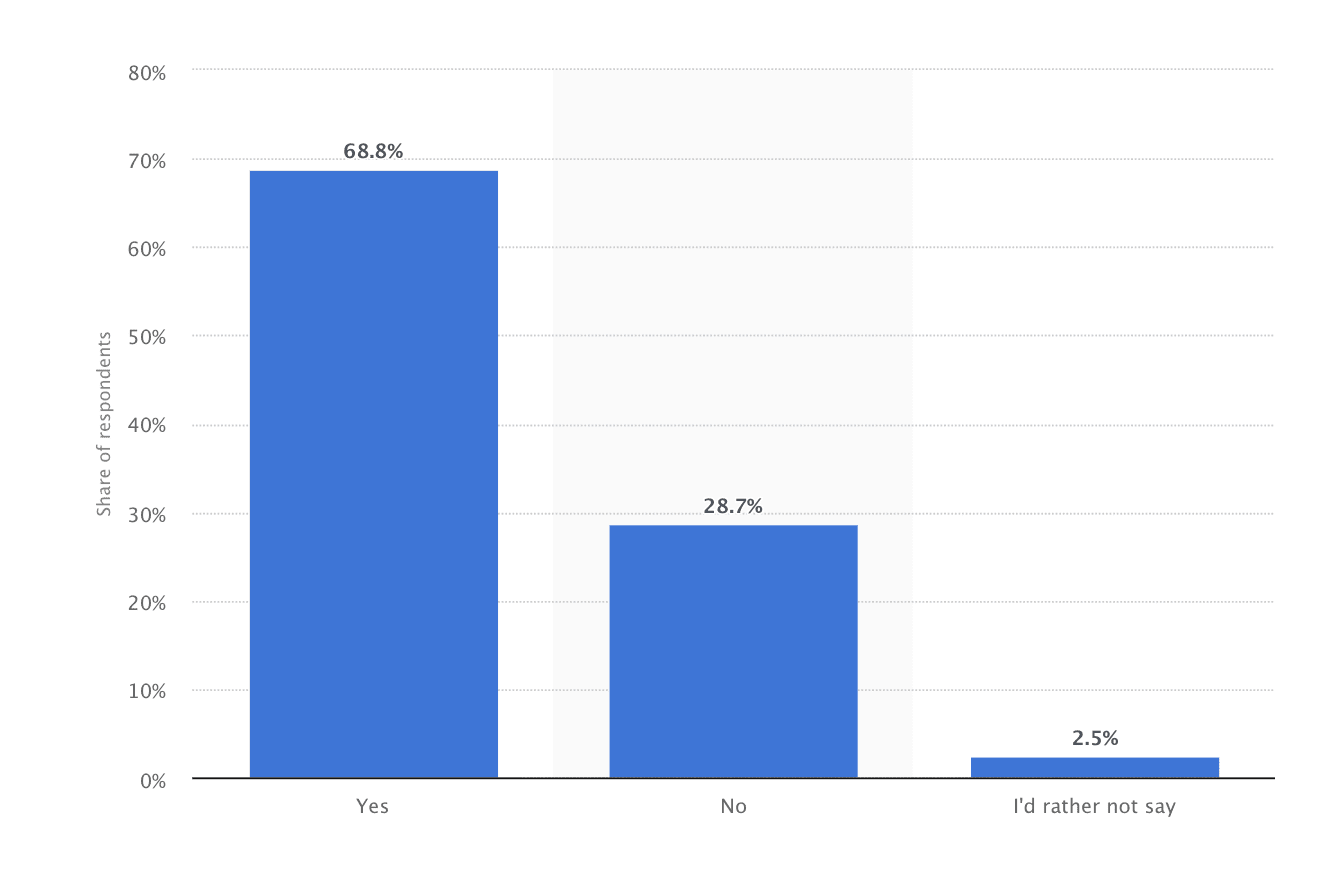
Porcentagem de jogadores do Fortnite que já gastaram dinheiro em compras no jogo (junho de 2018: LendEDU / Pollfish)

Foi relatado que a Epic Games gerou uma "soma considerável" em receita de microtransações de duas propriedades do jogo Fortnite: skins (aparência) e emotes (habilidades de dança).

O valor da Gimlet Media

A rede tradicional de podcasts, como PodcastOne, Midroll e Headgum, monetiza grupos de podcasts negociando taxas de publicidade e/ou fornecendo aos podcasts experiência em produção. Existem dezenas de redes de podcasts, mas poucas são criadas como operações diretas ao consumidor. A Gimlet Media é uma delas; ela é proprietária e administra os podcasts que transmite. Isso poderia agregar valor ao Spotify de três maneiras:

Receita de publicidade: o principal fluxo de receita do podcasting é a venda de anúncios, mas todo o setor gerou mais de US$ 360 milhões em vendas em 2018. O Spotify poderá contar com um novo fluxo de receita. Mas há também a inovação da Gimlet em podcasts de marca compartilhada. Liderada pelo diretor de criação Nazanin Rafsanjani, a rede de podcasts fez parcerias com empresas como eBay, Virgin Atlantic, Microsoft, Gatorade, Reebok, Squarespace e Lyft. Quando o acordo for finalizado, espero que isso continue.

Ouvintes premium: por falar em publicidade, os consumidores não gostam de ouvir os mesmos cinco anúncios sobre kits de refeição e recrutamento. Agora, o Spotify pode divulgar que seus podcasts Gimlet não têm anúncios, o que pode aumentar o número de ouvintes do aplicativo de streaming de música. Ao anunciar podcasts sem anúncios, o conteúdo pode ser usado para converter assinantes de teste e regulares.

Propriedade intelectual e licenciamento: O Spotify não está apenas adquirindo uma rede de podcasts, mas também está trazendo um grupo criativo comprovado para dentro da empresa. Reply All, uma das propriedades da Gimlet, está supostamente nos estágios iniciais de desenvolvimento de um filme. Em 2016, os direitos de seu podcast Homecoming foram comprados pela Universal Cable Productions. Em 2017, a revista Variety informou que o diretor Richard Linklater lideraria a adaptação de seu episódio "Man of the People". A última previsão é que ele seja estrelado por Robert Downey Jr. E em 2018, a ABC estreou uma sitcom baseada no fundador da Gimlet Media e seu podcast StartUp chamado Alex, Inc.

Assim como a Wondery e a Parcast, a Gimlet Media é mais do que uma rede tradicional de podcasts. Juntamente com a considerável e entusiasmada base de usuários do gigante do streaming, as propriedades da Gimlet podem se tornar mais valiosas para possíveis compradores de mídia. Com o acréscimo de ouvintes que o Spotify poderia fornecer, a Gimlet poderia aumentar as oportunidades de licenciar propriedade intelectual ou vender os direitos de televisão para parceiros de mídia com altos salários, como Netflix, Hulu, Showtime e HBO.

A aquisição pendente da Gimlet Media é mais do que a criação de uma potência de podcasting direto ao consumidor, é a monetização do áudio DTC de novas maneiras. O Spotify não é proprietário das músicas que milhões de pessoas ouvem, ele licencia os direitos de três gravadoras: Universal Music Group, Sony Music Entertainment Group e Warner Music Group. Com a aquisição pendente da Gimlet, o Spotify está se posicionando diretamente como a Netflix do áudio. E o portfólio de propriedades de áudio da Gimlet pode ser outra ferramenta usada pelo Spotify para converter assinantes casuais em usuários premium e pagos. E incentivar os usuários a se afastarem da Apple Music.

Plataformas de jogos como Fortnite e PUBG, da Epic Games, cativaram o público e armazenaram seus métodos de pagamento para facilitar a compra. E serviços como Netflix e Spotify estão aprendendo que podem fazer o mesmo. A monetização do público por meio de parcerias inovadoras e exclusivas continuará a construir uma base para a forma como as empresas de mídia lidam com uma economia orientada para o metaverso. Ao reclassificar os downloads de aplicativos como o início de um funil de vendas (em vez de seu final), as comunidades de conteúdo digital podem reformular o valor de seu conteúdo.

Leia sua curadoria do nº 304 aqui.

Relatório de Web Smith | Por volta das 14h

No. 287: Spotify’s brand potential

Super

Spotify’s chief marketer is leaving Spotify and their next CMO has an opportunity to continue its sprint towards 50% market share. In his parting words with AdWeek, Seth Farbman said:

By all measures, we’ve achieved [our] goals, but we’ve also done something most companies only dream of doing—we’ve turned affinity for the Spotify experience into love for the brand. 

And he’s correct. During his tenure, Spotify found ways to grow brand equity despite the offensive by Amazon and Apple Music. The numbers from January to June tell the story. Spotify maintained a 36% market share with a total of 83 million subscribers. Apple grew 2% market share, reaching a 19% stake of the market (43.5 million subscribers). While Spotify added 11.9 million subscribers, Apple has grown 9.2 million members. And Amazon added a half a point of market share, currently holding 12%.

But according to reports, Apple Music is set to overtake Spotify in terms of paid subscribers. Apple’s early Apple Music strategy consisted of music exclusives (Chance the Rapper, Drake) and live DJ sets (Zane Lowe, etc).

The relationship between Drake and Apple Music benefited both parties. Apple Music got first dibs on Drake’s record-breaking 2016 album Views, while the rapper is now the avatar for the paid music streaming era.

An often overlooked part of Apple Music’s library is Beats 1 radio, which in the case of Drake, who has his own OVO Radio show named after his recording imprint, means his fans have a reason to hold onto their subscription even if no new album on the horizon. Artists like Bad Bunny, Pharrell, Deadmau5, Elton John, Charli XCX, and Frank Ocean all have their own Beats 1 shows, reaching dedicated fans who’d rather connect with their favorite musician than trust an algorithm for song recommendations.

Slate: Why Apple Music is Winning Spotify’s Game

The the recent strategy seems to be Apple’s deepening moat around its hardware. While Spotify’s brand is more beloved, Apple has a growing technical advantage: its devices. By all accounts, iPhone and Airpod users are discouraged from choosing Spotify over Apple Music through subtle UX and Siri roadblocks, akin to Apple’s preference of Maps over Google Maps. This is most noticeable when attempting to control the Spotify app through your Airpods or playing music on your lock screen. In Spotify forums, moderators and community members are advocating that users delete Apple Music if they want a better Airpod x Spotify experience.

Apple’s continued growth will be closely tied to how well it develops Apple Music into the iPhone’s default. By cutting off Spotify’s seamless performance with Apple phones, their strategy is similar to Instagram’s uncoupling from Twitter’s timeline. By making it difficult for Twitter users to view Instagram photos, Facebook fostered its own ecosystem of engagement. Apple is benefitting from the same.

Apple music is for music enthusiasts and Spotify is for casual listeners. While Apple Music believes that this is their advantage, it is Spotify’s key differentiator. And it could decide the future of streaming.

By design (according to Jimmy Iovine), Apple Music makes it difficult to discover music. He believes that the service should exist for music lovers; Spotify is quite the opposite. The platform’s entire user experience is designed around (1) the promotion of artist discovery and (2) amplifying pop music’s inertia. Either you’re learning something new, thanks to their algorithmic and manually-curated playlists or you’re being steered towards the songs that are popular. Apple deemphasizes discovery, in this way.

A capacidade do Spotify de superar o recente e notável crescimento da Apple dependerá do fato de o serviço alinhar sua marca com parcerias exclusivas. A defensibilidade da plataforma estará intimamente ligada à sua capacidade de "vender" seu produto. Embora isso não seja uma surpresa, o futuro do Spotify pode ser influenciado pela forma como ele vende conteúdo e produtos físicos.

Brands have sounds too

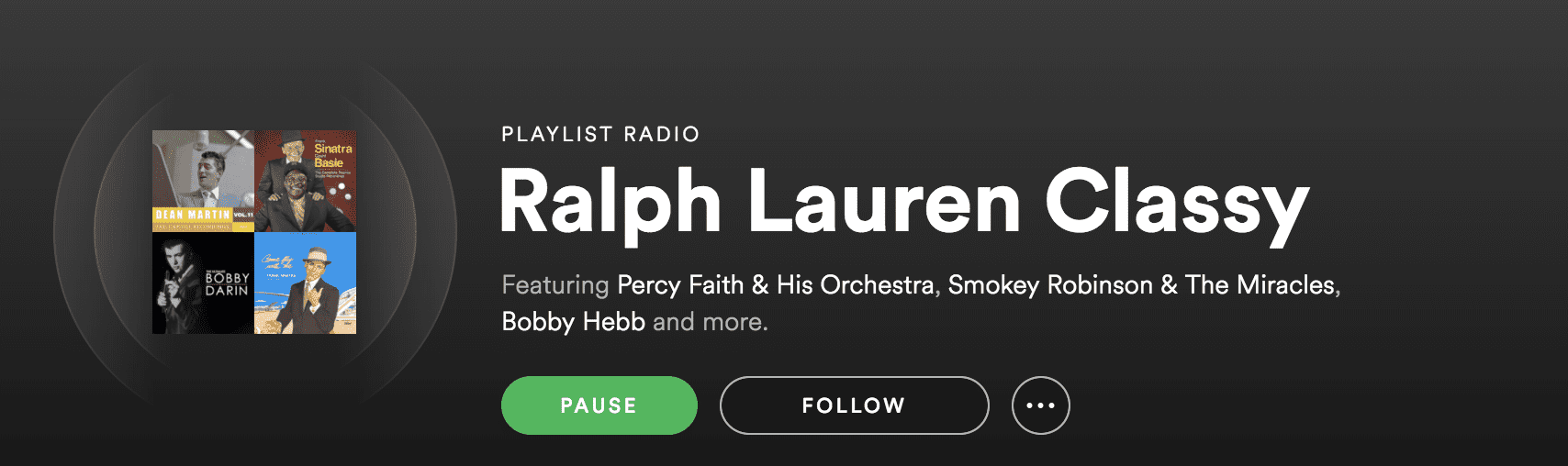
Screen Shot 2018-09-17 at 10.36.45 AM
One of dozens of user-generated playlists.

There’s a vibe when you walk into Ralph Lauren’s restaurant in downtown Chicago. The walls are mapped in gold framing, velvet, and vintage pictures of anyone who’s ever worn a tuxedo and evening gown well. But something sticks with you long after you leave, the restaurant’s music.

In a conversation with Lean Luxe founder Paul Munford, he had this to say about his effort to build his media brand through music playlists:

Keeps people engaged, keeps things interesting and fresh. Gives folks something cool to listen to each week under the LL banner. Keeps the brand top of mind in that way. It’s not a huge thing but is just another plot point for the brand that adds to the total sum, so to speak. Plus, it’s fun. I don’t think people are used to media or publications behaving this way. But that’s not to say the interest for publications to do more things like this isn’t there. You never know until you try.

Browse Spotify for your favorite retail brands and it’s possible that the brand will have some presence in the app, whether through an official brand playlist or – more commonly – as a fan-generated project. You’ll find “The Glossier Megamix”, “Ralph Lauren Classy”, “Lululemon Spring 2018”, and dozens of lists devoted to Victoria’s Secret. Spotify has a unique opportunity here. More and more brands are using playlists to shape their brand image. Music can provide a halo effect that helps to keep retailers at the top of consumer minds.


Dados da 2PM

Screen Shot 2018-09-17 at 11.14.42 AM
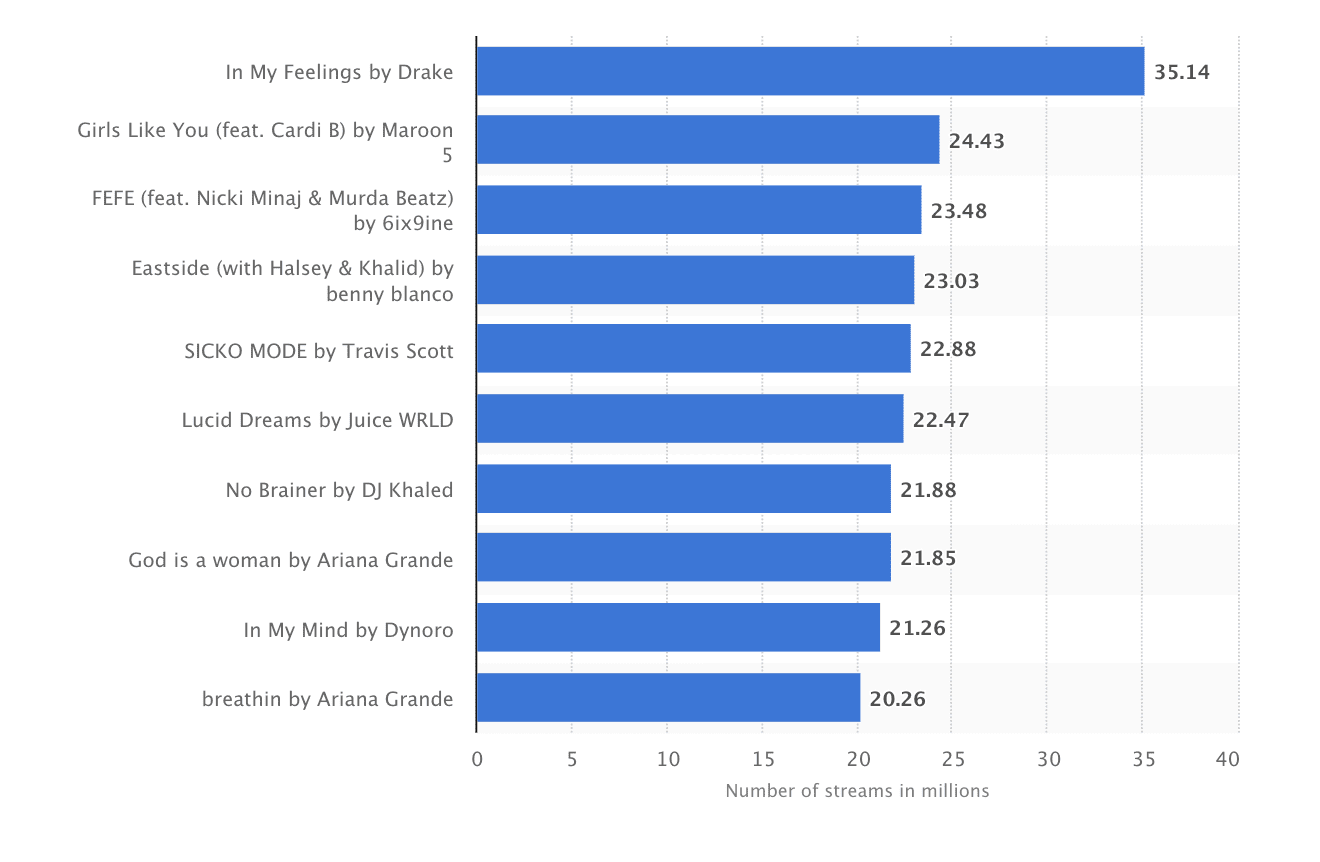
August 2018 on Spotify: “Lucid Dreams” and “In my Mind” bolstered by Spotify playlists
Screen Shot 2018-09-17 at 11.15.10 AM
Method for music discovery (United States: 2018)

Growing playlist spins through partnership

Given Spotify’s recent decision to secure exclusive podcast partnerships with two celebrities, it’s clear that partnerships are on the executive team’s whiteboard. But this isn’t just about performers and brand evangelists aligning with Spotify. Spotify takes pride in experimentation and, as such, the company is primed to take a page out of Apple Music’s original playbook. The streaming service could make great progress by emphasizing its partnership division.

By the time a song lands on Today’s Top Hits or other equally popular sets, Spotify has so relentlessly tested it that it almost can’t fail. “There are very few artists that get into the flagship playlists and then get kicked out,” Holmsten says. When “Call On Me” made that list, it was already destined to go viral—even though most people had still never heard it.

WIRED: on the power of Spotify’s playlists

Spotify has been somewhat of a kingmaker for independent artists and on-the-bubble pop stars. To amplify this effort, Spotify is overdue to take a page out of the direct-to-consumer marketing playbook. Here are the top proposed partnerships with physical “retailers.”

By attaching discovered music to positive, physical retail experiences, Spotify can amplify a key performance indicator (KPI): repeat listens of new and popular music. Here are a few ideas:

  • Orange Theory | OT has earned a network of over 1,400 locations and a loyal following of fitness enthusiasts and business travelers.
  • Core Yoga | This studio is known for its unique practice and a franchise network of over 160 locations.
  • Soho House | The famed members-only club has 50,000 members and a unique vibe in each of its 23 locations.
  • WeWork | Their offices manage 100,000+ members and over 10,000,000 sq. ft. of workspace.
  • Delta Airlines | known for its pre-flight track list, the premium airliner has the ability to set the mood and the wifi for the Spotify deep-dive to continue throughout the flight.

By generating playlist spins through these locations, Spotify can accomplish two things: (1) generate more revenue for artists and (2) convince artists to sign exclusive deals by way of guaranteed minimum spins per month based upon estimated engagement times at Spotify’s potential retail partners.

Apple Music is catching up to Spotify’s by building a competitive advantage into its hardware; the Cupertino company has grown despite glaring weaknesses in the app’s user experience. Spotify may not be able to ship hardware like its chief competitor but that doesn’t mean that it cannot partner with physical retailers. They can redefine their approach to hardware. Beyond their superior engineering, Spotify’s chief advantages could be their partnerships with retail spaces, up-and-coming musicians, and exclusive content offerings. Spotify has an opportunity to find an advantage where Apple has yet to look.  Spotify’s CEO says it best,

I think long term, we at Spotify have some defensible moats, but success for us will be determined by our ability to move faster than everyone else in the space. And just keep on innovating.

Read more of the issue here.

By Web Smith | About 2PM