

Este resumo para membros foi elaborado exclusivamente para Membros executivosPara facilitar a associação, você pode clicar abaixo e obter acesso a centenas de relatórios, à nossa DTC Power List e a outras ferramentas para ajudá-lo a tomar decisões de alto nível.
Memo: Instacart’s Omnichannel OS
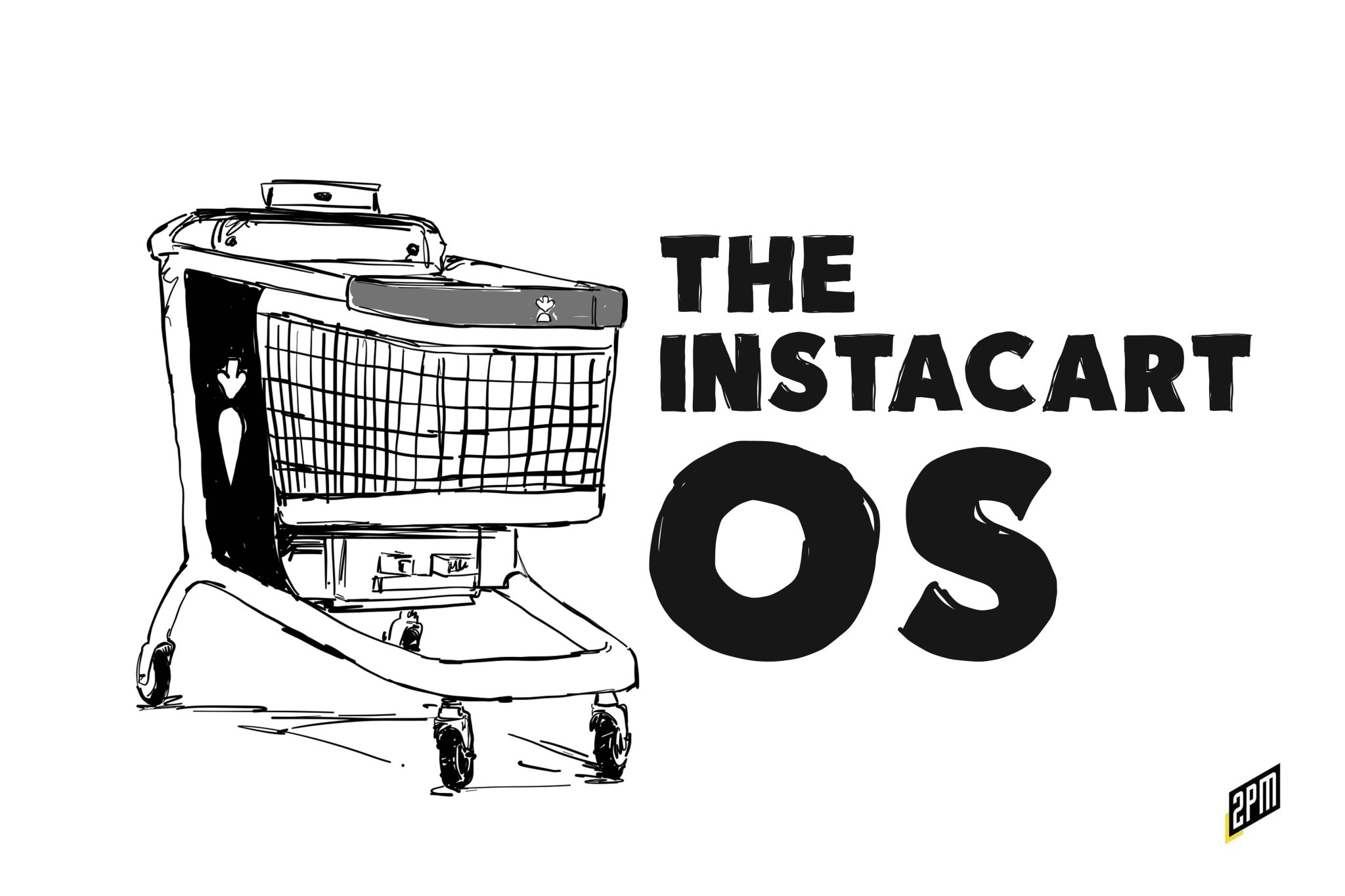
Instacart is on its way to becoming the Shopify of Grocery on the way to its initial public offering. A suite of new omnichannel merchant tools is laying the groundwork for its refreshed identity, one built around democratizing the access to online marketplaces for merchants – big and small. Sound familiar?
We believe the future of grocery won’t be about choosing between shopping online and in-store – consumers are going to do both,” Fidji Simo, CEO of Instacart
The rollout of the new technology platform, called Connected Stores, is the latest move in a busy month for Instacart, which made two key tech purchases earlier in September that underpinned its independent grocery ambitions. We outlined the acquisitions of Rosie, a grocery eCommerce and mobile commerce platform, and Eversight, an intelligent pricing and promotions platform, and how they fit into Instacart’s long-term plans to connect physical and online grocery retail and advertising into a thriving flywheel for the digital age. From September 9’s Notes on Grocery:
Success online and in retail stores is connected, particularly when it comes to digital advertising. Digital ads and online visibility is necessary to drive awareness, particularly for emerging DTC brands that need to attract new customers. But physical stores are where most people buy CPG products. From Insider Intelligence, nearly 95% of food and beverage sales and 90% of total grocery sales take place in-store.
Instacart’s approach isn’t to try to replace in-store grocery sales with eCommerce sales, but to power both physical and digital purchases in a way that connects them to each other seamlessly. If successful, it will be the platform responsible for flipping the online switch for small, independent grocery companies that have so far struggled to translate their retail businesses to digital ones. The goal is to bring small, independent grocers online with as much capability and tech prowess powering them as Whole Foods has an Amazon-owned company.
It’s an ambitious plan, but Instacart has proven in the past three weeks that it’s prepared to invest heavily in the technology to do it.
Under the Connected Stores umbrella, the company is rolling out six new Instacart Platform technologies. According to the press release, the technologies will help “grocers bring together the best of online ordering and in-store shopping for consumers. Connected Stores create a unified, personalized experience for customers by enabling them to move seamlessly between a retailer’s app or website and its physical, in-store experience.”
The six new technologies are:
Caper Cart: This is an AI-powered smart cart that lets customers automatically scan items for pricing and more information as they shop in store using scales and sensors and equipped with a touchscreen and computer vision. This is Instacart’s version of the smart shopping carts, teased by grocery tech for years and most prominently executed by Amazon but still largely nonexistent in everyday stores.
Scan & Pay: Scan & Pay turns phones into scanners so customers can automatically check themselves out as they shop and skip lines. They’ll need to be logged in to Instacart, which will also save items to online shopping accounts to make future purchases easier.
Lists: Lists gives customers the ability to sync shopping lists from their Instacart app or grocery stores’ Instacart-powered apps to a Caper Cart via QR code. The Caper Cart’s touchscreen will then make it easier to locate items from the shopping list in the store and check them off as they’re added to the cart.
Carrot Tags: Carrot Tags are electronic shelf labels that can be uploaded to the Instacart platform, giving labels more functionality for shoppers and associates. Carrot Tags essentially turn traditional labels into smart labels and can let associates choose what information they want to display about an item in store. It also makes it easier for customers to match online products with in-store items by making shelf labels scannable.
FoodStorm Department Orders: FoodStorm is an order management system connected to the prepared food departments, like bakery and deli, and the new Department Orders functionality connects across departments so that they can all have one customer’s order ready at the same time.
Out of Stock Insights: This API gives retailers real-time alerts when items are nearing out of stock or have fully run out, making it easier for stores to plan ahead with inventory management, avoiding out-of-stock notices.
Together, these technologies are positioned to enable a smarter, independent grocery store. Instacart is also partnering with Good Food Holdings to build the first Connected Store at a Bristol Farms grocery store in Irvine, California. Instacart’s new services will power the store with all six Connect Stores technologies, including new checkout options and smart discovery tools. It’s not unlike Amazon’s strategy of building retail stores to show off its own retail tech, but Instacart is skipping the Instacart-branded store and going straight to the retail partners to demonstrate compatibility. It has no plans to own a branded storefront, it simply wants to enable others. Neil Stern, CEO of Good Food Holdings, on incorporating the Connected Store model:
At Good Food Holdings, we’re proud to provide our customers with a personalized shopping experience – whether they’re opting to build their baskets online or joining us in-store. As customers have adopted delivery and pickup over the past year, we’ve found it increasingly important to evolve our business with omnichannel customers at the forefront. As we look to the next decade of grocery, we want to make sure that we’re providing an inspirational shopping trip for our customers – and this starts by building a Connected Store. In partnership with Instacart, we’re excited to introduce multiple ways to checkout with Caper Cart and scan & pay, while driving inspiration through Lists and Carrot Tags. Instacart is an innovator in grocery technology, and we’re thrilled to be their partner and debut the first-ever Connected Store at Bristol Farms this year.
The partnership between Instacart and Good Food Holdings will show at large that grocery, long the last digital frontier for retail, is coming into a new era of commerce. While the majority of sales are likely to remain in-person, retail media networks and online ordering capabilities will drive business and make it more intelligent at the same time. Instacart is amassing power by giving smaller grocers a way to grow online without sacrificing physical stores. It’s the Shopify approach to grocery retail, and like Shopify, it views Amazon as its competition.
Por Web Smith | Editado por Hilary Milnes com arte de Alex Remy
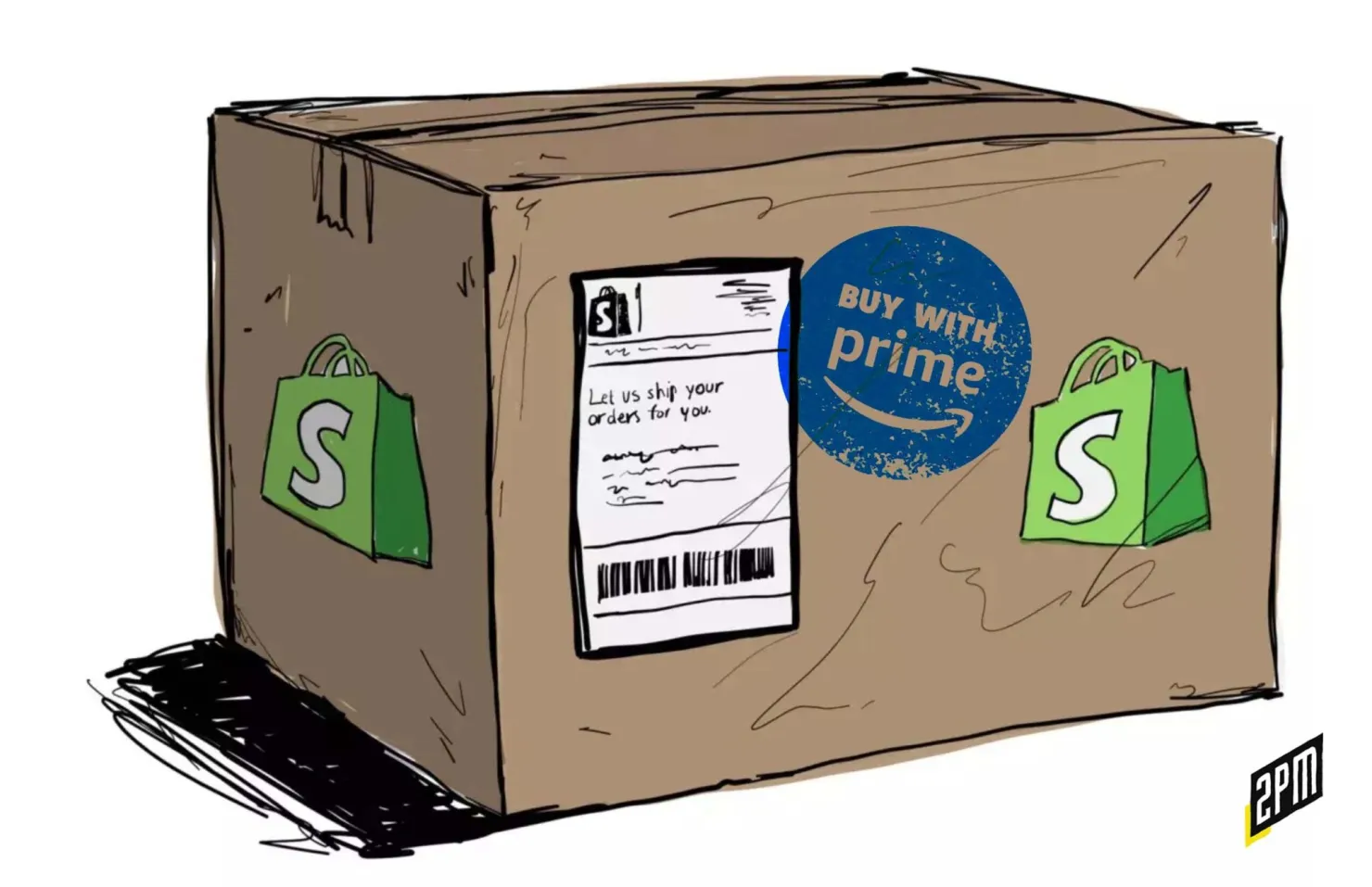
Mergulho profundo: Comprar com a oposição do Prime
Este resumo para membros foi elaborado exclusivamente para Membros executivosPara facilitar a associação, você pode clicar abaixo e obter acesso a centenas de relatórios, à nossa DTC Power List e a outras ferramentas para ajudá-lo a tomar decisões de alto nível.