
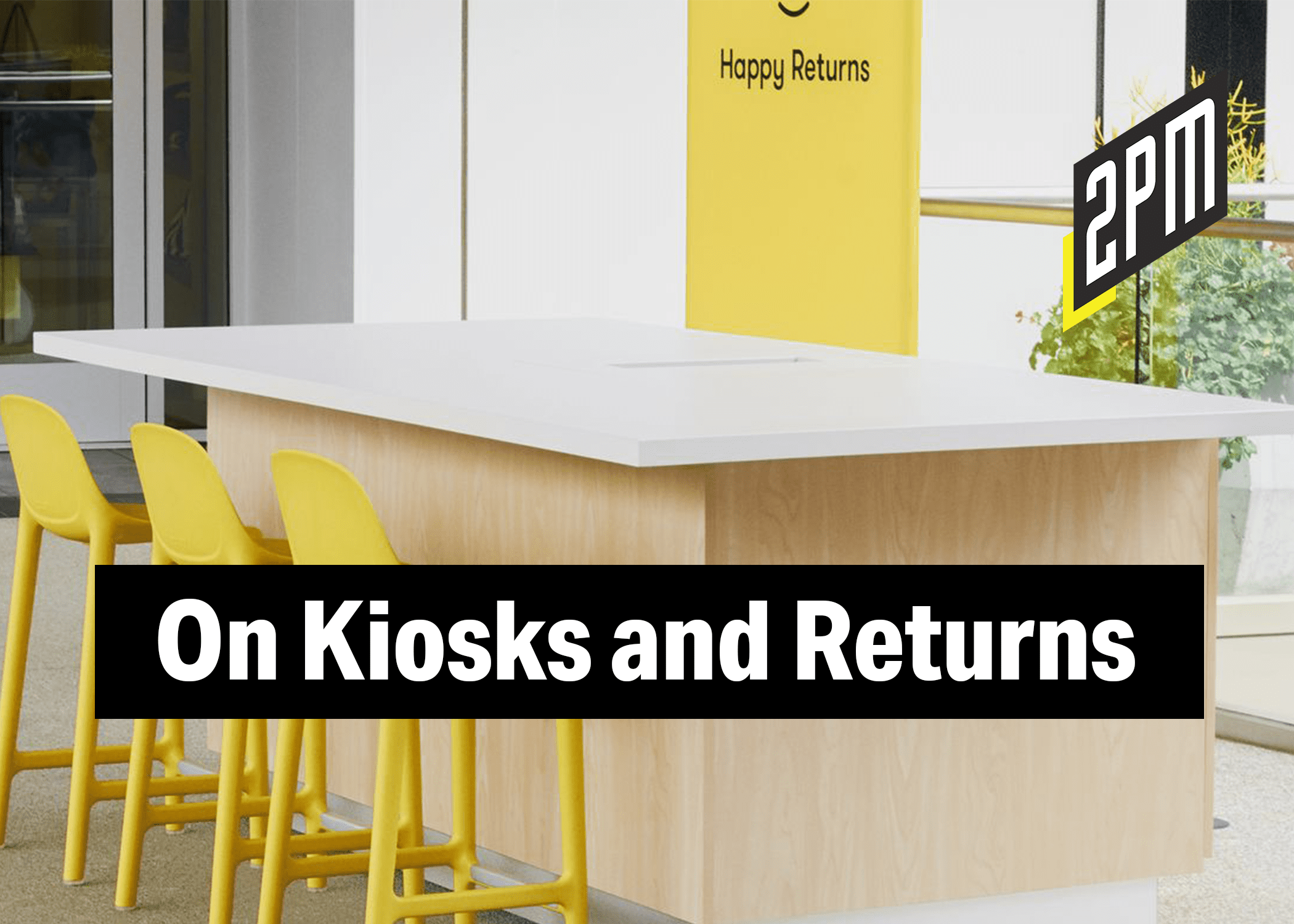
Exclusive Deep Dive. Between 2017 and 2018, eCommerce as a percentage of all American retail sales jumped from 13.0% to 14.3%. This number is expected to reach 17% in 2019 despite an online retail infrastructure that’s not yet ready for the reverse logistics demand. As online retail penetration moves past the 17% mark in North America, insufficient returns processing operations have begun to strain the system.
As a result, retail brands are spending exorbitant amounts to solve for an ever-expansive issue. There are a growing number of software and logistics solutions devoted to addressing the matter. Columbus, Ohio’s Loop is one of the leaders in the returns industry, Shopify recently acquired Return Magic. And Returnly and Happy Returns are also competing in this space. These SaaS solutions don’t view delivery as the end of the sales process. Rather, reverse logistics is a part of an infinite loop – a formerly neglected part of the consumer life cycle that is finally receiving the attention given to customer acquisition, user experience, and customer service.
With the exception of a few larger volume sellers, Amazon is shifting away from the retailer model by limiting their wholesale partnerships to the most impactful partners. The rules of the consumer economy are changing faster than ever. Some of these changes have had dire consequences, especially for independent retailers and challenger brands. This week, Amazon announced that they have suspended an extraordinary number of lower volume sellers in the Direct Fulfillment (dropship) program. The Direct Fulfillment program allows vendors to dropship goods to their buyers. Additionally, some vendors stopped receiving purchase orders without explanation. And these aren’t vendors inconsequential revenue figures.