
备忘录:食品杂货的未来 (2053)

杂货业的未来正处于十字路口。财政保守主义、技术进步、劳动力短缺以及消费者偏好的转变将在未来 30 年间极大地影响杂货业的格局。本文将探讨这些影响因素,并提出行业战略路线图。根据全球数据科学公司 Dunnhumby 最近提供的数据,有一个显著的变化将影响本报告的其他部分。在过去十年中,送货速度和整体便利性是许多购买决策的核心。如今,价格和促销可能会让电子商务时代的好处黯然失色。摘自 Dunnhumby 的详尽报告:

2022 年,人们只关心如何以合适的价格找到合适的产品,而不关心如何节省时间。在我们的模式中,"价格、促销和奖励 "一直是最重要的需求,在过去 100 多年的大部分时间里,它很可能一直是最重要的客户需求。孰胜孰败的故事也反映了消费者对更优惠价格的贪得无厌。

与其他行业一样,食品杂货业也难逃变革的浪潮。实际上,我认为它是其他行业可能遇到的变化的先行指标。从经济问题、代际行为的影响到技术进步,该行业正面临着多方面的转型浪潮。Retail Dive 最近发布了 Dunnhumby 的报告《2053 年的食品杂货业:数据驱动的未来视角》,该报告提供了具有洞察力的数据,揭示了未来三十年影响食品杂货消费的复杂层面。通过分析这些影响因素,我们可以预测未来 30 年杂货业的形态。Retail Dive》摘要提供了诸如此类的真知灼见:

Dunnhumby 认为,Harris Teeter、Wegmans、Publix 和 Sprouts Farmers Market 是未来 30 年市场份额最容易受到财政保守主义影响的零售商。总体而言,亚马逊、H-E-B、好市多、山姆会员店和沃尔玛最能把握从现在到 2053 年的趋势,邓洪比预计届时美国食品杂货零售业的销售额将达到 1.9 万亿美元,是现在的两倍多。

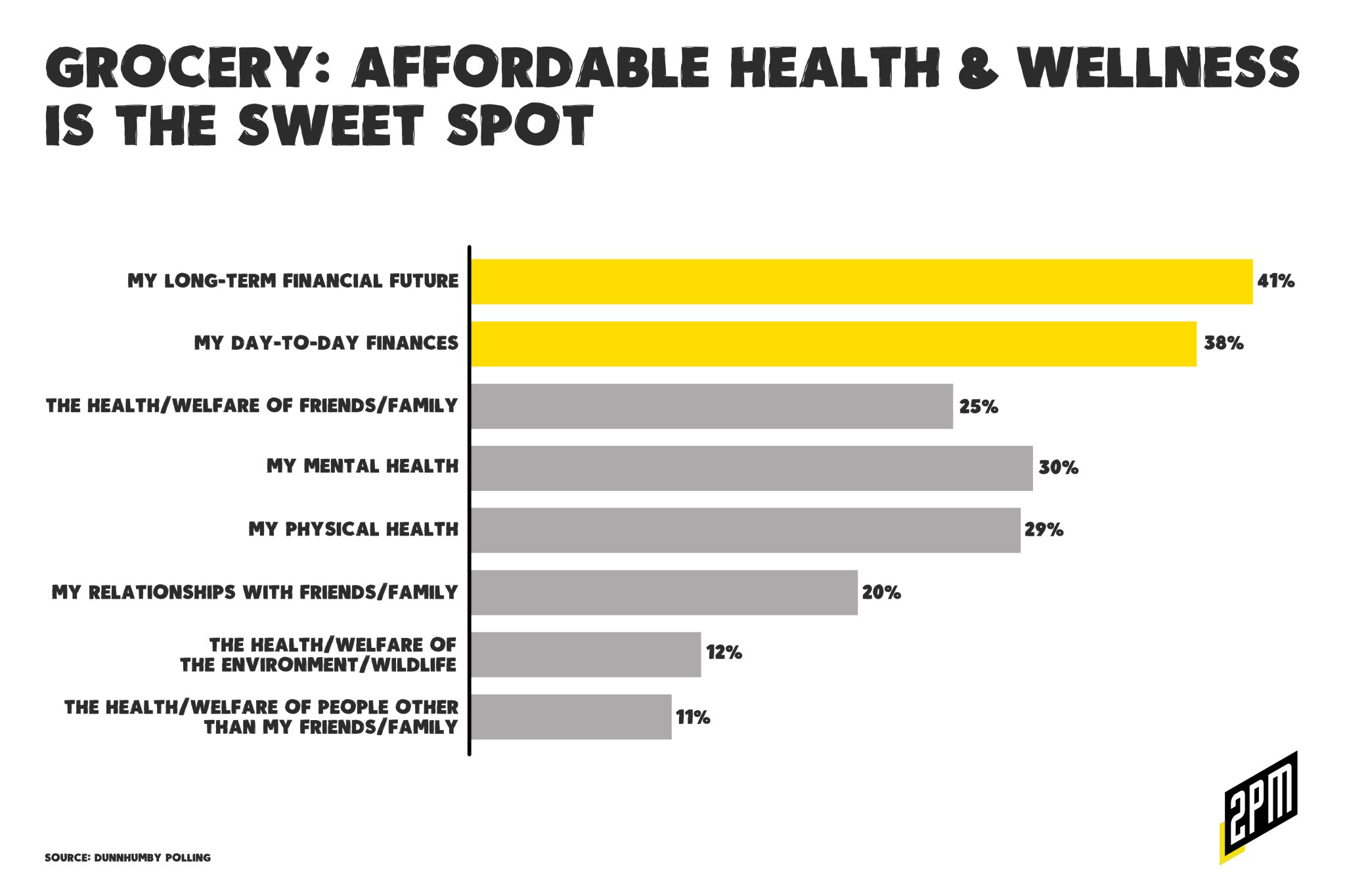
行业演变的核心是财政保守主义的脉搏,消费者对经济前景的担忧推动了财政保守主义的重新崛起。Dunnhumby 对 70,000 多份问卷进行的广泛调查显示,无论收入如何,价格仍然是购买食品杂货的决定性因素。Y世代和Z世代受经济大衰退和Covid-19大流行病的影响更深,他们对经济问题的关注度也更高。对于收入较高的购物者来说,健康和可持续发展是与成本竞争的主要压力因素,而对于 60% 寻求更健康食品选择的消费者来说,成本则是主要障碍。

这种财政保守主义预计将持续到 2053 年,预示着市场将转向以价值为导向的零售商。摘自 Dunnhumby 的执行摘要:

从现在起到 2053 年,我们将看到零售商做出更多努力:提供食品杂货自助预算人工智能,成为客户值得信赖的金融合作伙伴,并推出自己的私人品牌专属未来省钱模式。

亚马逊、H-E-B、好市多、山姆会员店和沃尔玛将从这一趋势中获益,而 Harris Teeter、Wegmans、Trader Joe's、Publix、Sprouts Farmers Market 和其他更高端商店的市场份额可能面临挑战。这并不意味着高端和特色杂货店的灭顶之灾,但它确实需要战略性的店铺选址、产品差异化和客户体验的提升,才能茁壮成长。
技术变革将极大地影响我们制造和交付产品的方式。我认为这有时有些牵强,但还是有必要认识到这一点。邓洪比的 "走向消费者"(Go-To-Consumer)战略表明,3D 食品打印、合成生物学、基因编辑和生物工程将带来一场潜在的革命。这些技术将带来更可持续、更高效的价值链,价值达 720 亿美元。无人机送货在价值 2,360 亿美元的移动技术市场的支持下可能成为常态,从而消除商品滞留港口等干扰风险。

报告还提到,先进的连接、量子计算、人工智能、机器学习和无代码下一代软件开发(总价值达 3360 亿美元)有望为下一阶段的消费者洞察提供动力。计划将这些技术整合到其垂直链和客户体验战略中的零售商可以利用深刻的洞察力,并脱颖而出。

在数据隐私和减少物流浪费的重要性不断提高的推动下,数字革命标志着客户参与的新领域。公司有望在 Web3 领域占据一席之地,该领域的估值高达 1100 亿美元,反映出数字世界正朝着更加分散和用户赋能的方向转变。而我们在此广泛报道的人工智能生成技术为杂货零售商提供了积极参与人工智能开发、审核和监管的机会,从而实现人工智能辅助杂货和商业。

虚拟现实和元宇宙的出现将重新定义消费者参与。随着苹果等公司将赌注押在混合现实头盔上,杂货商跟上这些技术创新的步伐是明智之举,即使它们还处于早期阶段。我认为,这insight was pretty valuable:

Although the metaverse has diminished in importance in the new-tech hype cycle, its steady evolution over the last two decades suggests that it may reappear in a future horizon. The question is, just how soon will we get to that future? Apple’s recent announcement of a state-of-the-art mixed-reality headset is a strong indication that the technology world is still betting on the metaverse. Our position is that the metaverse is here, but still in the very early stages of adoption. It would be wise for grocers to keep track of all the innovation.

But back to physical reality. Labor shortages, another consequence of the pandemic, are a persisting challenge. Solutions lie in continued investments in AI and automation for unfilled jobs and in initiatives like the Kroger tuition program, Giant Food stores scholarships, Publix tuition reimbursement, and Walmart’s $5 billion upskilling initiative, which exemplify investments in education, skills training, credentialing, and employment frameworks. Amazon has its own upskilling program – 10 to be exact.

Career Choice—one of Amazon’s 10 项技能提升计划为 75 万名符合条件的一线工人提供了从英语作为第二语言课程到四年制大学学位的教育机会。如果他们离开公司,也没有还款条款。到目前为止,"职业选择 "计划共有 400 门课程、300 所学院和 13 万名参与者,是亚马逊规模最大的技能提升计划。2021 年 9 月,这家零售巨头承诺到 2025 年将投资 12 亿美元用于 Career Choice 和其他技能提升项目。

亚马逊的项目通过课程完成率和毕业后就业率这两项指标来衡量成功与否。目标是:留住人才并进行再投资。在每种情况下,这些技能提升战略都反映了这样一种意识,即行业正在一波一波地快速变化。因此,食品杂货行业需要一项全面的战略来驾驭这些浪潮。在短期内,零售商可以继续在最重要的地方帮助客户省钱,与供应商制定协议或接受价格上涨,并通过清晰的沟通让客户放心,以减轻通货膨胀等影响。

从长远来看,有必要采取更具远见的方法。零售商可以考虑开发由人工智能驱动的食品杂货预算工具,转变为客户值得信赖的金融合作伙伴,甚至推出未来的私人品牌专卖店模式。这些战略可以让杂货企业更好地满足客户需求,同时充分利用影响行业发展的各种力量。

技术在这场变革中的作用是不可避免的。人工智能和下一代软件开发有可能彻底改变食品杂货业的经营方式以及与顾客的互动方式。利用这些技术,再加上对数据驱动型洞察力的专注,将使零售商能够提供全面整合的客户体验,并在激烈的市场竞争中保持领先地位。食品杂货零售商必须积极参与人工智能辅助食品杂货商务的开发和监管。

随着杂货业步入元世界,其与顾客互动的方式也将发生巨大变化。传统的实体杂货店购物可能会被身临其境的虚拟体验所补充,甚至在某些情况下被取代。这些平台的成功导航和采用将决定杂货零售商未来的成功。

摘要

我认为,归根结底还是要以人为本。对教育、技能培训和员工发展的投资不仅能帮助零售商解决这一问题,还能作为一种强有力的营销策略。通过将自己塑造成致力于员工福利和发展的认真负责的雇主,零售商可以在拥挤的市场中脱颖而出。

未来几十年,杂货业将经历一场深刻的变革。在经济忧虑和技术进步的背景下,该行业必须进行调整,以更好地服务于客户。财政保守、技术突破、劳动力短缺和数字革命都是杂货业未来发展的要素。那些能够有效融合这些要素,同时不断创新以满足客户需求的零售商,将在 2053 年及以后继续茁壮成长。因此,食品杂货业的发展取决于其将挑战转化为机遇的能力,以确保它在未来几代人的生活中始终占据核心地位。

杂货零售商的目标将是把购买便利性与对未来 30 年定价压力的认识结合起来。人力资源、数据科学和现有技术的应用将决定哪些零售商能够做到这一点。

作者:Web Smith | 编辑:Hilary Milnes,美术:Alex Remy 和 Christina Williams

备忘录安静的 TikTok 诉讼

Go back to the year 1988. This has all come about thanks to a former Supreme Court nominee, his Blockbuster video rental history, and a quote from a journalist pursuing insights into the high court’s nominee’s life:

The only way to figure out what someone is like is to examine what that someone likes — take a hard look at the tools of leisure he uses to chip away life’s rough edges. (Harvard law Review)

This was the uneven birth of the VPPA (Video Privacy Protection Act). Now fast forward to the retail media craze, a TikTok and its pixel are under fire and the Michael Kors brand is at the center of the lawsuit. There is a caveat to all of the upside, a specific kind of off-site advertising – which is often supplied by first-party data – is facing legal action. I explained this derivative of retail media in “Step Function.

Off-site advertising, which refers to ads that are shown to audiences outside of a marketplace’s website or app, has traditionally relied on third-party data to target and measure effectiveness. However, by analyzing the buying patterns, search queries, and preferences of their users, marketplaces’ advertising products have offered a higher rate of success. Additionally, recent changes in privacy regulations and the increasing emphasis on user privacy have led to a shift towards using first-party data in off-site advertising.

Amid rising tensions between the United States and China, concerns have escalated over the protection of American users’ data on TikTok, the popular platform owned by Chinese company ByteDance. As TikTok’s popularity surges, with over 150 million American users as of 2023, its data privacy practices have come under scrutiny, inciting discussions about applying existing laws, such as the Video Privacy Protection Act (VPPA), to modern tech companies.

American politicians are looking for any reason to do away with TikTok’s influence over the nearly half of all Americans who have downloaded the app. If a recently filed lawsuit does its part, the state by state privacy laws (with California leading the trend) may give way to federal privacy actions that can lead to national actions against technology companies.

The California Civil Lawsuit

I read the recently (and quietly) filed case: Gabriella Hernandez v. Michael Kors (USA), Inc. that was filed on June 13, 2023. As the case proceeds, it will surely become a lightning rod for interest in national security and the over-reach of big tech.

This case presents a class action complaint filed by a plaintiff, a resident of California, against a company that operates michaelkors.com. The plaintiff alleges that the defendant, through its website, is violating the Video Privacy Protection Act (VPPA). The primary concern is that Michael Kors allegedly reports viewing activities on its site to TikTok, which is owned by ByteDance. ByteDance, as the complaint suggests, is controlled by the People’s Republic of China (PRC) and is known to have used TikTok to spy on Americans under the PRC’s orders.

Under the VPPA, it is illegal to knowingly disclose a person’s personally identifiable information (PII) based on their video viewing habits to third parties without their consent. The plaintiff, identifying as a “consumer advocate” or a “tester”, claims that Michael Kors is doing precisely this by using TikTok’s Pixel code to report page view events to TikTok, which, in turn, could provide information to the PRC.

The plaintiff and others in the class action suit (defined as all in the United States who played video content on the website and whose PII was disclosed by Kors to any third party during the two years preceding the filing of this action) seek judgment against the Kors for violating the VPPA. The defendant, Michael Kors, potential defense may need to address whether it knowingly disclosed PII, whether such disclosure falls under the VPPA’s definition of “ordinary course of business”, and whether there was any form of consent from the users. But this isn’t the only example of TikTok’s recent VPPA stumbles.

TikTok and Data Protection Concerns

Recent reports from South China Morning Post and Forbes suggest that TikTok may have misled American authorities about the actual location of stored user data, particularly the sensitive information about American creators who sign up to earn money through the app. While TikTok claims that the majority of U.S. user data is stored in the U.S. and Singapore, investigations reveal that the financial information of TikTok’s largest American and European creators is stored on servers in China. Here is a key excerpt from the Forbes report, highlighting TikTok’s potential defense:

In TikTok’s response to their questions, the company said there is a difference between “U.S. user data collected by the TikTok app” and information that creators give to TikTok so they can be paid for content they post. The former is stored in TikTok’s data centers in the U.S. and Singapore, TikTok said. It did not explicitly state where the latter is stored. A trove of internal documents obtained by Forbes, and several people across different parts of the company familiar with the matter, have shown that tax forms, social security numbers and other information from creators and outside vendors has been stored in China; payments to both are managed through tools from TikTok’s China-based parent ByteDance.

U.S. legislators, concerned about potential data exploitation by the Chinese government, have introduced legislation aimed at preventing American data from being used by foreign adversaries. This legislation, if passed, would control exports of personal data, including data handled by companies like TikTok, directly to restricted foreign governments. SCMP explained:

The bill would direct the Commerce Department to identify categories of personal data that could harm US national security and create a list of high-risk countries where sensitive data exports would be blocked.

In this context, we may consider how the VPPA precedent might become a tool for American politicians, regulators, and judicial activists to address the data protection issues at stake, possibly substantiating a federal ban on TikTok’s practices or a full ban on the platform.

The VPPA and Modern Tech Companies

The VPPA was enacted in 1988 in response to a violation of Supreme Court nominee Robert Bork’s video rental history privacy. The Act prohibits the wrongful disclosure of video tape rental or sale records, making it a landmark piece of legislation in the realm of privacy protection. While the Act was designed to protect physical video rental records, it has been invoked in legal cases involving modern digital streaming services. The reach of the VPPA extends to the data privacy concerns raised by the digital era and could apply to companies like TikTok, which, while not primarily a video rental service, does collect, store, and potentially distribute user data in a similar manner.

The critical aspect here is the unauthorized disclosure of “personally identifiable information” about users’ video consumption habits. In the context of an app like TikTok, if it were found that the company was sharing personally identifiable viewing data with third parties without users’ consent, this could potentially be seen as a violation of the VPPA. However, how the VPPA applies to platforms like TikTok would likely hinge on the specifics of the case and the way the court interprets the law in light of technological advancements.

If lawmakers and legal practitioners interpret the VPPA to cover digital services, there could be significant implications for TikTok and similar platforms. Under the VPPA, TikTok’s collection and overseas storage of data, particularly if disclosed without consent, could potentially be deemed illegal. The acknowledgement by TikTok of storing sensitive American creator information in China could be seen as a violation of the VPPA, if the Act is deemed applicable. This could provide legal grounds to restrict TikTok’s operations in the U.S. or perhaps ban the platform altogether.

The VPPA also provides for civil remedies, allowing individuals to seek redress if their privacy rights are violated. As a result, users whose data is being stored in China could potentially sue TikTok, leading to substantial legal and financial implications for the company. However, applying the VPPA to TikTok is not straightforward and faces significant challenges. The VPPA was drafted long before the advent of social media and may require reinterpretation or amendment to extend its protections to platforms like TikTok. Additionally, the application of the VPPA to foreign companies raises complex jurisdictional issues that courts will need to resolve.

摘要

As concerns about data privacy grow, there is a strong case for leveraging existing legislative tools like the VPPA to safeguard the data of American citizens. Not only does the VPPA hold potential in challenging TikTok’s practices directly, but it also sets a valuable precedent for how privacy law can evolve to meet the needs of an increasingly digitized society.

By applying the principles of the VPPA to modern tech companies, regulators, politicians, and judicial activists could demonstrate their commitment to data protection, setting the stage for more comprehensive privacy legislation that is in step with today’s technological landscape. While applying the VPPA to TikTok’s practices might necessitate overcoming legal hurdles, the precedent could prove useful in the broader goal of promoting and enforcing data privacy. The TikTok case also serves as a cautionary tale for tech companies operating globally while dealing with the legal rights of individual American states, highlighting the potential consequences of inadequate data privacy practices. The scrutiny that TikTok is currently under is likely to impact its standing in the United States.

While the application of the VPPA to TikTok’s situation may be complex, the potential of this precedent to strengthen the regulation of modern tech companies is undeniable. It emphasizes the necessity of clear, robust legislation to protect data privacy in the era of digital interconnectedness. As this issue unfolds, it will be important to watch for potential changes to privacy legislation and the broader influence this could have on the internet media industry at large.

作者:Web Smith | 艺术:Alex Remy 和 Christina Williams 

Part I: Where Natsec Meets Commerce

Member Brief: De Minimis and The Bi-Partisan Effort

As 2023 marches forward, one can hardly shake off the feeling of being perched on the edge of a new economic epoch, where modern norms, rules, and notions are put under political scrutiny. The pulsating digital economies, spearheaded by China’s behemoth direct-to-consumer (DTC) brands and tech giants like Shein, Temu, and TikTok, are waging a battle of economic influence and cybersecurity.

本会员简报专为以下人士设计 执行委员为了方便加入,您可以点击下面的链接,获取数百份报告、我们的 DTC 权力清单和其他工具,帮助您做出高水平的决策。

在此加入