Marketplaces are beginning to own demand. Today, a high school kid named Darius Bazley signed an endorsement with New Balance for $14 million. When you make an agreement like this, you forfeit your ability to play NCAA basketball. In his case, it is by design. He’ll train for the next year in preparation for the 2019 NBA Draft. And in the meantime, he’s successfully monetized his early success and hedged against later injury or failure. He’s a millionaire without playing a single moment of NBA basketball.
In May, Bazley signed with the prominent agent Rich Paul, who represents LeBron James, John Wall and Ben Simmons among Klutch Sports’ 18 N.B.A. clients. This week, Paul revealed he has arranged for Bazley to spend the heart of the college basketball season — January, February and March — as an intern at New Balance.The internship, to be precise, is folded into a handsome shoe contract Bazley, 18, has landed with New Balance on the lure of his pro potential. According to Paul, Bazley’s multiyear deal will pay him $1 million “no matter what happens” with his N.B.A. career — and can pay up to $14 million if he reaches all performance incentives.
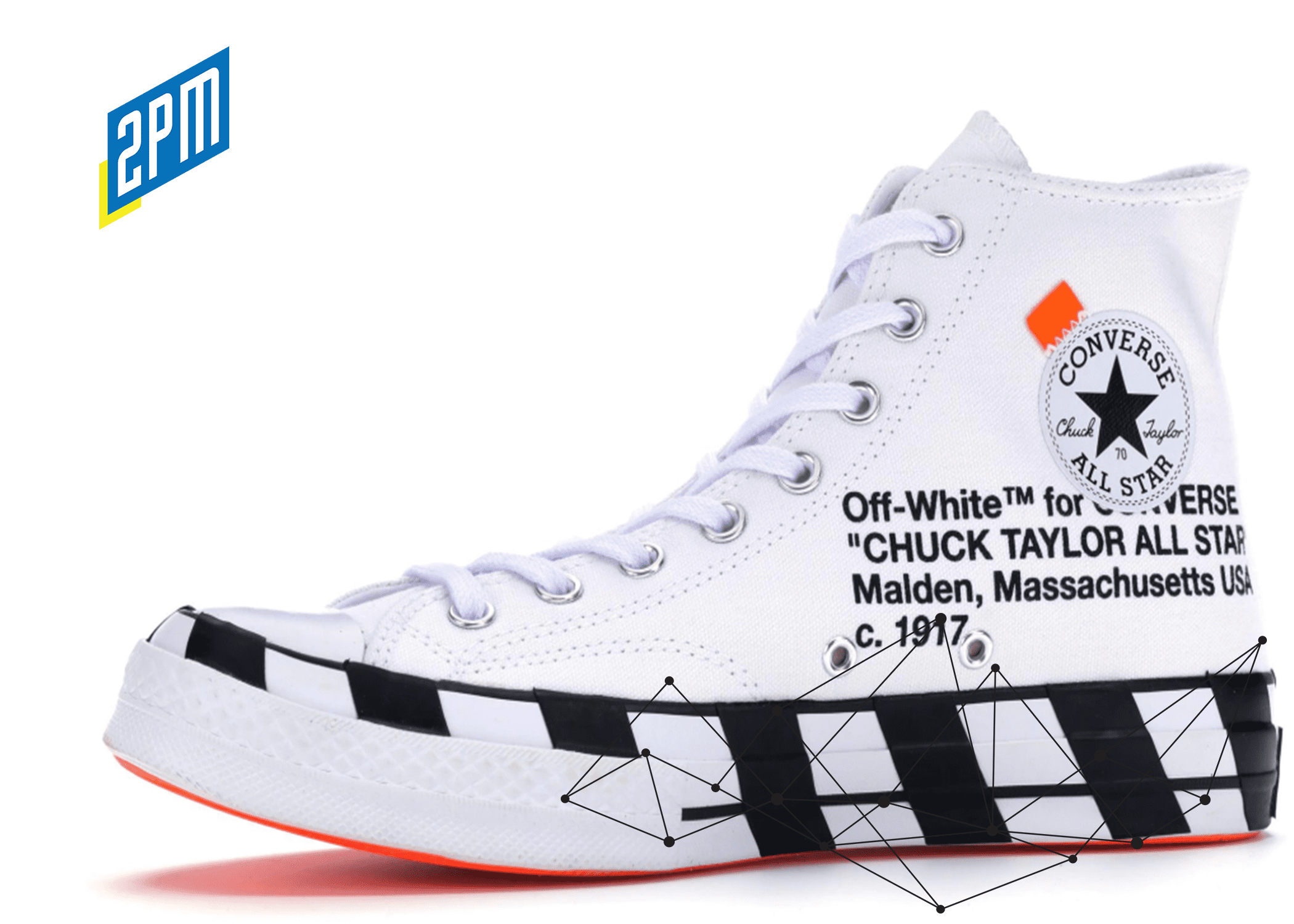
In America, sneaker culture has been a catalyst for many notable shifts in media, sports, education, and business. Shoe promotion began with a marketing concept that continues to evolve. Almost 100 years ago, Converse sneakers debuted with little to no fanfare. This is the way things remained until four years later when pro basketball player Chuck Taylor made a few design suggestions. His celebrity endorsement set a marketing precedent that continues today. Without Mr. Taylor, there would have been no Michael Jordan or Kobe Bryant or Lebron James – basketball athletes who we can attribute billions of dollars in economic impact.
People find meaning in sneakers, so their choices are driven by brand identity.
Elizabeth Semmelhack
With this storied foundation, ne of Y-Combinator’s 100 most promising startups is responsible for one of the most meaningful maneuvers in online retail marketing.
The precursor to GOAT was a startup called GrubWithUs and it was failing despite $7 million in capital raised by cofounder and CEO Eddy Lu. GOAT, short for greatest of all time, was a last minute hail mary that scored. Thanks to a resale promotion of Kanye West’s then-popular Adidas shoe, the eCommerce reseller and database exploded in popularity in 2015.
After four months of operation, in November of 2015, the then-nobody company launched a Black Friday campaign discounting the hottest styles of the year at retail prices. “That year we were talking about the Turtle Doves, the Supreme Fives,” said Lu. “The internet picked it up and it kind of blew up, and every kind of blog picked up this Black Friday campaign.” Over 100,000 users installed the app to take advantage of the sale, causing the newly-launched startup app to crash repeatedly.
This fueled a new fundraise of $5 million in 2016. And an additional $80 million over the next two years. In March of 2018, GOAT merged with legendary sneaker reseller Flight Club, a New York City retailer credited with pioneering the online reseller space. Partly to bolster its street credibility but mostly to better compete against StockX, a sneaker stock market of sorts. Funded by Quicken Loans and Cleveland Cavaliers owner Dan Gilbert and decidedly more connected in the sports world, the StockX app has raised $50M in the past few years.
Kyle Kuzma’s Partnership with GOAT
You may not have heard of Kyle Kuzma but the second year player hit the ground running as an NBA rookie in the 2017 season by averaging 16.1 points in 31 minutes for the Los Angeles Lakers. In the final year of a two year Nike deal, Kuzma is permitted to wear any shoe with a Swoosh. And given that the NBA recently loosened its dress code for the 2018-2019 season, athletes can now wear any color of sneakers during their games. To recap, GOAT partnered with a young, up and coming player that:
- plays for the most visible NBA franchise
- plays in one of GOAT’s most pivotal markets (Los Angeles, California)
- plays beside the most visible player in the NBA (Lebron James)
- is permitted by his current contract to work with GOAT (Nike)
GOAT, the media brand. By partnering directly with an NBA basketball player, GOAT is cutting out many of the media companies that have grown to become gatekeepers for sneaker culture. Rather, GOAT is laying the groundwork to control its own content. They can determine the shoe featured and the day that it’s worn. In doing so, they can optimize around the varying degrees of serendipity that these types of partnerships influence. The result: greater organic predictability as their stable of athletes continues to grow through and beyond the NBA.
In covering Wish’s good fortune, 2PM discussed the unpredictability of these types of arrangements in depth in No. 276:
With Lebron’s recent signing, the new face of the organization will move the Los Angeles Lakers from number five to number one overall in jersey sponsorship value. The anticipated $25 million in advertising value that Wish is set to generate in 2018-2019, on top of other advertising efforts, may finally push Wish into a mainstream media conversation dominated by few.
In that article, we assess the value of Lebron James’ arrival in Los Angeles. GOAT’s arrangement with Kyle Kuzma took advantage of this increase in value for the Los Angeles Lakers. Given his exclusivity with Nike, Kuzma will likely work closely with James (who has a lifetime deal) to feature shoes that will further increase the resale value of select Nike shoes.
Kuzma is currently entering his final season of a shoe deal with Nike. The first brand ambassador for the GOAT app, he will be seen in pre-game and on court in shoes that will be featured on the homepage of the site. In theory, this will not only drive traffic for the shoe reseller, it will increase the value of the shoes that have been injected into the LA Lakers storylines.
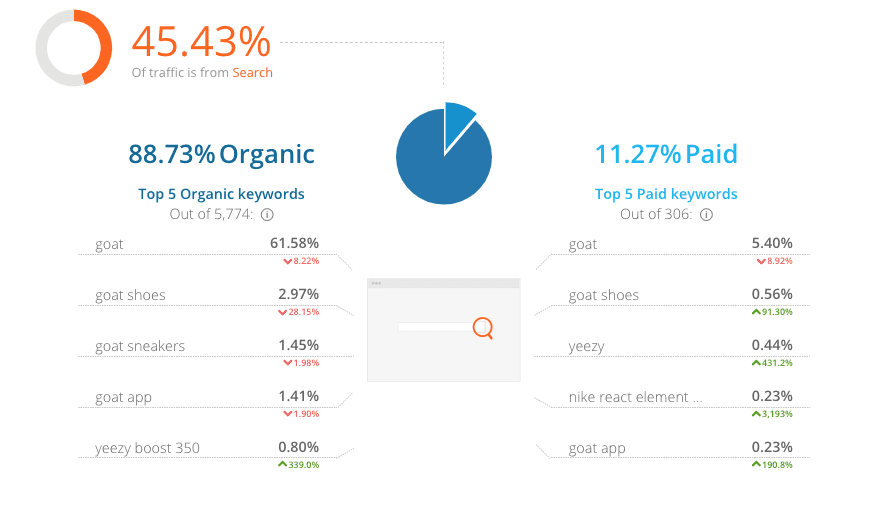
The NBA’s brass has been incredibly creative, allowing their players to forge their own futures outside of their time on the court in ways that have been increasingly beneficial for the league For Kuzma, this is a smart partnership. But it is also a new door into the NBA’s marketing machine. Self-expression isn’t just about pre-game any longer. And for GOAT, an app that got its start by way of an Adidas craze, the Kuzma partnership allows them to hedge with deeper ties to Nike.
Learn more about GOAT here. And read the no. 292 curation here.
By Web Smith | About 2PM