Memo: DTC’s Good News

The list of pending consumer IPOs is extensive. They include: Fabletics, Fanatics, Flipkart, Hungryroot, Impossible Foods, Liquid Death, Lovevery, Rokt, Saks.com, Shein, Skims, Klaviyo, and Instacart. Birkenstock, a longstanding retailer that has seen DTC success, is said to be pursuing an initial public offering as soon as September thanks to a reported 340% increase in demand, according to 3DLook.ai‘s analysts.

The impending 2023 IPOs of the above retailers as well as technology companies including Klaviyo and Instacart, plus with the continued growth of retail media, signal increasing odds of liquidity events for direct-to-consumer brands, who may take part in a potentially exciting fourth quarter wave of IPO filings. According to Will Braeutigam, US capital markets transactions leader at Deloitte:

Expectations for active Q4 public listings are on the rise and companies have started to re-engage around the IPO process.

Klaviyo, the leading independent eCommerce marketing software provider, has recently turned profitable, a crucial milestone ahead of its IPO. However, it faces challenges such as intensifying competition, slowing revenue growth, and a high dependence on eCommerce clients. Similarly, Instacart, the online grocery delivery service, has had a decent bottom line ahead of its IPO, with advertising accounting for more than a quarter of its annual revenue. However, it faces challenges such as slowing gross transaction volume growth and increasing competition. The Information explained it this way:

Klaviyo’s backers also face the reality that valuations have fallen sharply since 2021, when the company was valued privately at more than $9 billion. One publicly traded comparison is HubSpot, which is trading at around 12.8 times its last year’s sales, though it offers a broader range of tools than Klaviyo. Another marketing software firm that could be more in line with Klaviyo’s business is Braze, which is trading at around 9.4  times last year’s sales. An average of those two, applied to Klaviyo’s $472.7 million in 2022 revenue, implies an enterprise value for Klaviyo of only $5.3 billion.

Instacart tells a similar tale, according to Insider:

Given Fidelity currently values its Instacart Series I shares at $45.10 each — the same value as its Series H shares — the startup’s share value has been slashed by nearly 64% in the last 30 months, largely during the first part of last year, and remains near record lows.

These IPOs are significant barometers for several reasons beyond the typical: employee liquidity, corporate influx of capital, and a valuation benchmark. The online retail industry is in dire need of more successful exits. The shadow of 2021’s boom and IPO bust looms over the industry, but recent successes like Oddity’s IPO and current $2.5 billion market capitalization are positive signals. In 2022, Oddity, who owns makeup brand Il Makiage, climbed from a 2021 tally of $110.6 million in net revenue to $324 million the following year. LVMH’s private equity arm, L Catterton, earned a substantial return.

There is a surprising parallel between Oddity’s success and the potential of Instacart and Klaviyo to find post-exit success: each of the three companies is highly dependent on its own platform’s retail data. Instacart and Klaviyo have used millions of consumer data points to its collective advantage, Instacart more directly with its burgeoning retail media operation.

Despite the slashed share prices of Instacart and Klaviyo, it has not become the prevailing narrative for either company. And there are positive indicators in addition to Klaviyo and Instacart’s potential promise. The continued general growth of retail media is a key signal for DTC brands; we’ve extensively covered retail media’s promise here:

The advertising category, which includes advertising on eCommerce platforms, social media, and other online channels, has been growing rapidly as consumers increasingly shop online. This provides an opportunity for DTC brands to reach their target audience more efficiently and effectively. The WSJ notes (ironically) that Instacart “might be too reliant on ads.” I disagree; as long as sales volume continues to grow, retail media’s growth will be a multiplier for Instacart. And if retail media continues to become a reliable revenue generator for DTC brands, it may become the rising tide needed by DTCs proverbial fleet of ships.

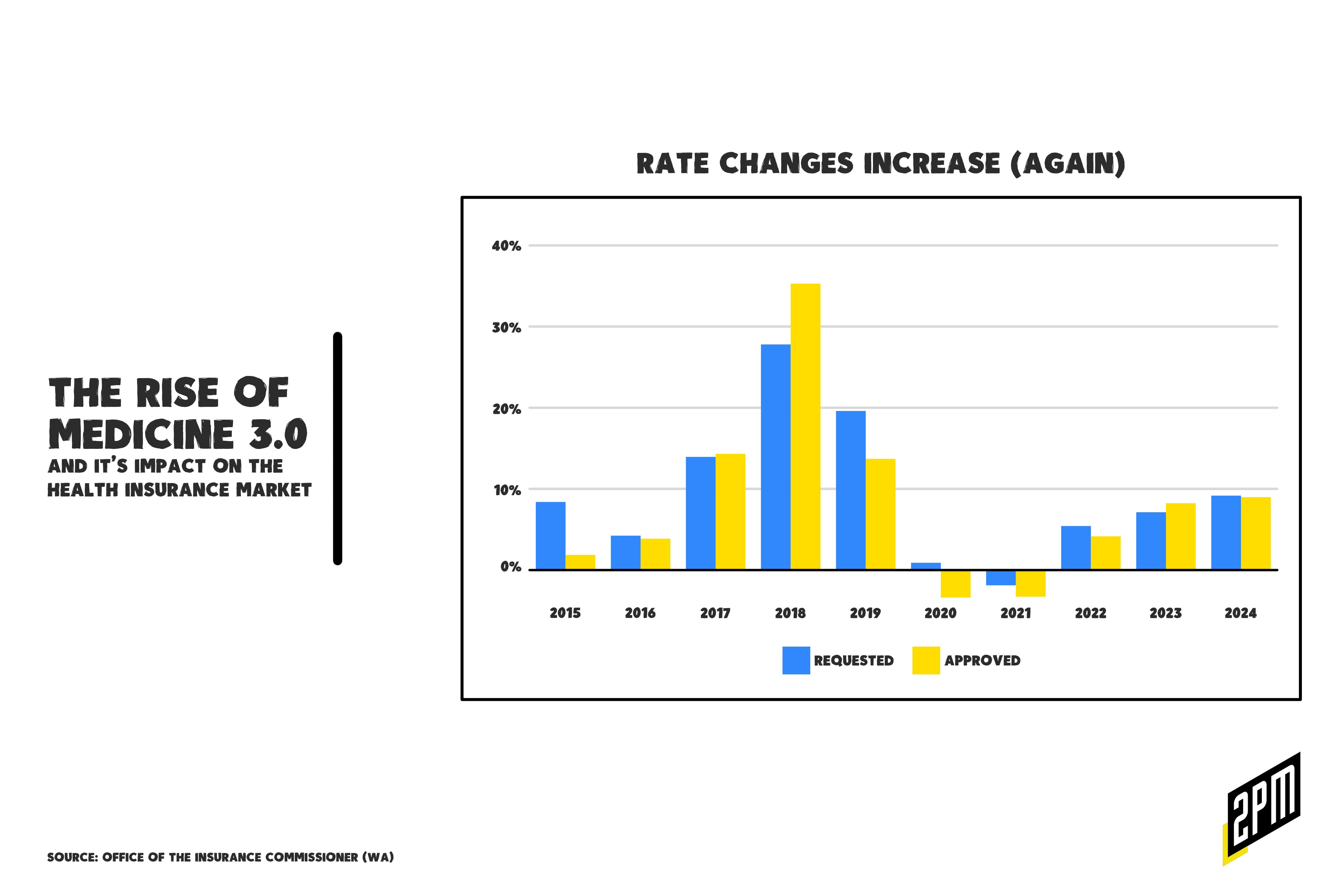
After a soft June where revenues were flat compared to last year (despite rising prices), the Belardi Wong survey of DTC sales, cited in the header image, the retail category showed a surprising +4 percent YOY. The breakdown by category looked like this:

  • Apparel: 10% YOY
  • Shoes and Accessories: 8% YOY
  • Home decor: -5% YOY

The Big Takeaways

The upcoming 2023 IPOs of Klaviyo and Instacart, along with the continued growth of retail media, indicate increasing odds of liquidity events for DTC brands. Here’s why:

  • Profitability of Klaviyo: Klaviyo turning profitable in the first half of 2023 signals a strong financial position likely to attract investors during its IPO. This is a positive sign for the DTC brands using Klaviyo’s services as it indicates the company’s ability to provide sustainable and potentially more innovative services in the future.
  • Increased value of customer data: The surge in eCommerce growth and Apple’s privacy changes have made customer data more valuable to merchants. This has led to increased funding for marketing startups like Klaviyo and Attentive, indicating a strong demand for their services. DTC brands, which rely heavily on online sales and marketing, stand to benefit from enhanced tools and services provided by these companies.
  • Intensified competition: The increasing overlap of features among startups and the entry of big players like Shopify and Amazon have intensified competition in the marketing tools space. This is likely to lead to the development of more innovative and cost-effective tools for online merchants, benefiting DTC brands.
  • Diversification of client base: Klaviyo’s efforts to diversify its client base beyond eCommerce and reduce dependence on Shopify clients indicates its intention to expand and strengthen its market position. This could lead to the development of more tailored services for different industries, benefiting a wider range of DTC brands.
  • Valuation challenges: The lower-than-expected valuation of Klaviyo at its IPO could signal challenges for other companies in the space and lead to a reassessment of valuations. This could result in more realistic valuations for DTC brands, making them more attractive investment opportunities for investors.
  • Growth of retail media: The continued growth of retail media signals an increasing shift of advertising dollars towards online retail platforms. This presents an opportunity for DTC brands to access a larger audience and potentially achieve higher sales. The increased advertising revenue for online retail platforms could also lead to more investments in enhancing their services, benefiting DTC brands.
  • Interest of investors in Klaviyo’s IPO: The intense interest of investors in Klaviyo’s IPO indicates the attractiveness of the online marketing tools space. A successful IPO of Klaviyo could lead to increased investor interest in other companies in the space and potentially more liquidity events for DTC brands.

The road to liquidity events for DTC brands is not without challenges. The intense competition in the eCommerce space means that companies need to continuously innovate and invest in growth to stay ahead. Moreover, the high valuations of many DTC brands mean that they need to meet high expectations of growth and profitability to justify their valuations.

The points raised above could signal increasing odds of liquidity events for DTC brands. However, DTC brands need to navigate challenges such as intense competition, high expectations of growth and profitability, and the need to continuously innovate and invest in growth.

By Web Smith | Editor: Hilary Milnes with art by Christina Williams and Alex Remy

पूर्वानुमान 1/5: जलवायु परिवर्तन और खुदरा

कोविड-19 महामारी के चरम पर, अमेरिकी लोग बेहतर जीवन की तलाश में ऑस्टिन, टेक्सास, मियामी, फ्लोरिडा और फीनिक्स, एरिज़ोना जैसे स्थानों पर पलायन कर गए - चाहे सचमुच में हो या लाक्षणिक रूप से। एक उल्लेखनीय प्रवासन बनाने में ज़्यादा समय नहीं लगता। रिपोर्टों के अनुसार , हम इसकी गूंज पहले ही देख चुके हैं:

यह सदस्य संक्षिप्त विवरण विशेष रूप से के लिए डिज़ाइन किया गया है कार्यकारी सदस्यसदस्यता को आसान बनाने के लिए, आप नीचे क्लिक कर सकते हैं और सैकड़ों रिपोर्टों, हमारी डीटीसी पावर सूची और अन्य उपकरणों तक पहुंच प्राप्त कर सकते हैं जो आपको उच्च स्तरीय निर्णय लेने में मदद करेंगे।

यहाँ शामिल होएं

DTC Menswear Brief: Steady Brand vs. Cool Brand

The DTC business model has revolutionized the way brands connect with their consumers, putting the power of choice and influence directly into the hands of the latter. As we dissect the world of DTC menswear, two brand archetypes stand out, each offering a unique lesson in exit strategy based on their attributes. For every well-known brand like Sporty & Rich with adoring fans and national awareness, there is a True Classic with fans of its own. One has $30 million in annual revenue (according to Glossy’s coverage of S&R) and the other recently reached $240 million in annual revenue with $25 million in expected EBITDA (according to Business of Fashion). It’s more than likely that you heard of the $30 million revenue company – Sporty & Rich was written about in the New York Times, Gentleman’s Quarterly, Vogue, Fashionista, Hypebeast, and Refinery29 in just the last month. True Classic has had no such luck, receiving zero consumer fashion press over the last 30-60 days.

One brand is Cool Hand Luke and the other is Steady Freddy. But these are just classifications; there are countless examples of this inefficiency in the market. Here, with brand names anonymized, is an in-depth comparison of a Steady Freddy vs. a Cool Brand Luke:

Brand No. 1: The “Steady Freddy” Mature Regional Powerhouse

With 13 years under its belt, Steady Freddy boasts an estimated annual revenue of $60 million, reportedly EBITDA profitable, with an ample omnichannel strategy. The company commands regional brand awareness, driven by owned storefronts and proximity to its original CEO. It’s carved out a niche in the market with its commodity product. While the brand created the category (think Chubbies for short shorts), it is now one of several brands in direct competition for its customer. Despite its robust performance and established history, it’s pushing it precariously past an exit window.

The strength of Freddy lies in its potential EBITDA profitability and regional recognition becoming a draw to a potential private equity suitor who is prepared to properly expand the company beyond its current market limitations and brand development capabilities. You can almost see a young analyst suggesting to a junior partner:

Hey, this brand could go national. No one really knows them. Also, how do you say the name again?

This brand, while not a household name in most of the country, has established itself as a reliable entity within its sphere of influence. This reliability and proven track record could make it an attractive acquisition for larger corporations seeking to tap into a dedicated customer base or diversify their portfolio with an established regional brand. The brand’s revenue outpaces its brand equity. This can be viewed positively by many observers.

But the constraints faced by the brand, including the product’s increasingly commoditized nature and shifting preferences in raw material usage, may limit its exit optionality. Private equity firms might be reluctant to acquire a brand with a slower, methodical growth trajectory and is beyond the typical exit window for private equity-backed retailers.

Brand No. 2: The Nationally Known “Cool Brand Luke” Media Darling

On the flip side, Luke, with its estimated $12 million revenue, speaks the language of the new-age consumer. Almost entirely DTC, it enjoys national brand awareness, even though it operates on a much smaller revenue scale. In the last 30 days, Gentleman’s Quarterly, Fashionista, InStyle, WWD, Highsnobiety, and Esquire have written about the company. Known for its creativity, it stands as a beacon for design innovation in menswear, even if this means its bottom line has not yet found its way to profitability.

A brand with such strong national awareness and a reputation for creativity could be an attractive proposition for strategic buyers looking to rejuvenate their product lines or tap into a younger, more diverse demographic. Its direct consumer link could also offer invaluable insights into market trends, giving potential acquirers an edge.

However, its inability to scale towards enterprise level of revenue is a red flag. Without a proven model to generate consistent growth, potential acquirers might question its long-term viability. The inability to raise additional capital further accentuates this concern, indicating potential market skepticism about its future growth.

Finding the Middle Ground: Exit Optionality Explored

So, how would exit optionality manifest for these two distinct brands? It does so by achieving a blend of their unique attributes.

For Steady Freddy, its regional stronghold and profitability offer stability. An exit strategy for this brand might lean towards acquisition by larger entities looking to tap into a mature market or diversify into proven commodity sectors. Cool Brand Luke, in contrast, could pitch its exit strategy based on brand equity rather than current revenue run rate. Its national brand recognition and design prowess are its tickets. A strategic merger, where another brand seeks to harness its creative energy and national footprint, could be the optimal route.

Both brands, though, face the limitation of trying to succeed in an unforgiving market for DTC-born retailers. This presents a conundrum and, frankly, even with the best attributes of each, success is not guaranteed. According to Pitchbook, the recently acquired DTC intimates brand Parade earned a valuation of $203 million in September 2022 after raising the last of its total in venture funding ($56 million). In the subsequent year, the brand had to reset its valuation while the overall market experienced a funding slowdown for this category of brands. Profitable or not, Cami Tellez’s tenure as CEO of the retailer stands out. Upon the news of the acquisition, this was one of several quotes by Tellez:

In three and a half short years, this awe-inspiring team generated over $125 million in revenue, acquired 750,000 passionate customers, and captured over 1 percent of a highly competitive market.

The pursuit of brand’s achieving Steady and Cool is difficult. And in the case of the two menswear brands above, the dueling stories provide a glimpse into the difficulties of managing growth. While both have passionate followers, the perception of brand cachet varies. For one, it might be the reliability and longer-than-usual history; for the other, it’s the cutting-edge creativity,a nationwide presence, and a reliability on earned media.

In the final analysis, exit optionality for DTC menswear brands isn’t just about the numbers on a balance sheet. It’s about the narrative each brand weaves, the niche it carves out in the marketplace, and the potential it promises for the future. Somewhere in the middle of these factors, the exit story for each brand will be written. The ones that succeed in finding a home typically do one thing better than the rest: they account for their blind spots. From a consumer perspective, perceived value and price elasticity rely on this practice.

The cool brands work on becoming steady and the steady brands strive for the cool factor.

वेब स्मिथ द्वारा